"It's fantastic, it really made me laugh" - Sky Sports pundits share glowing analysis on 'rage room' at recent ATX Open
WTA
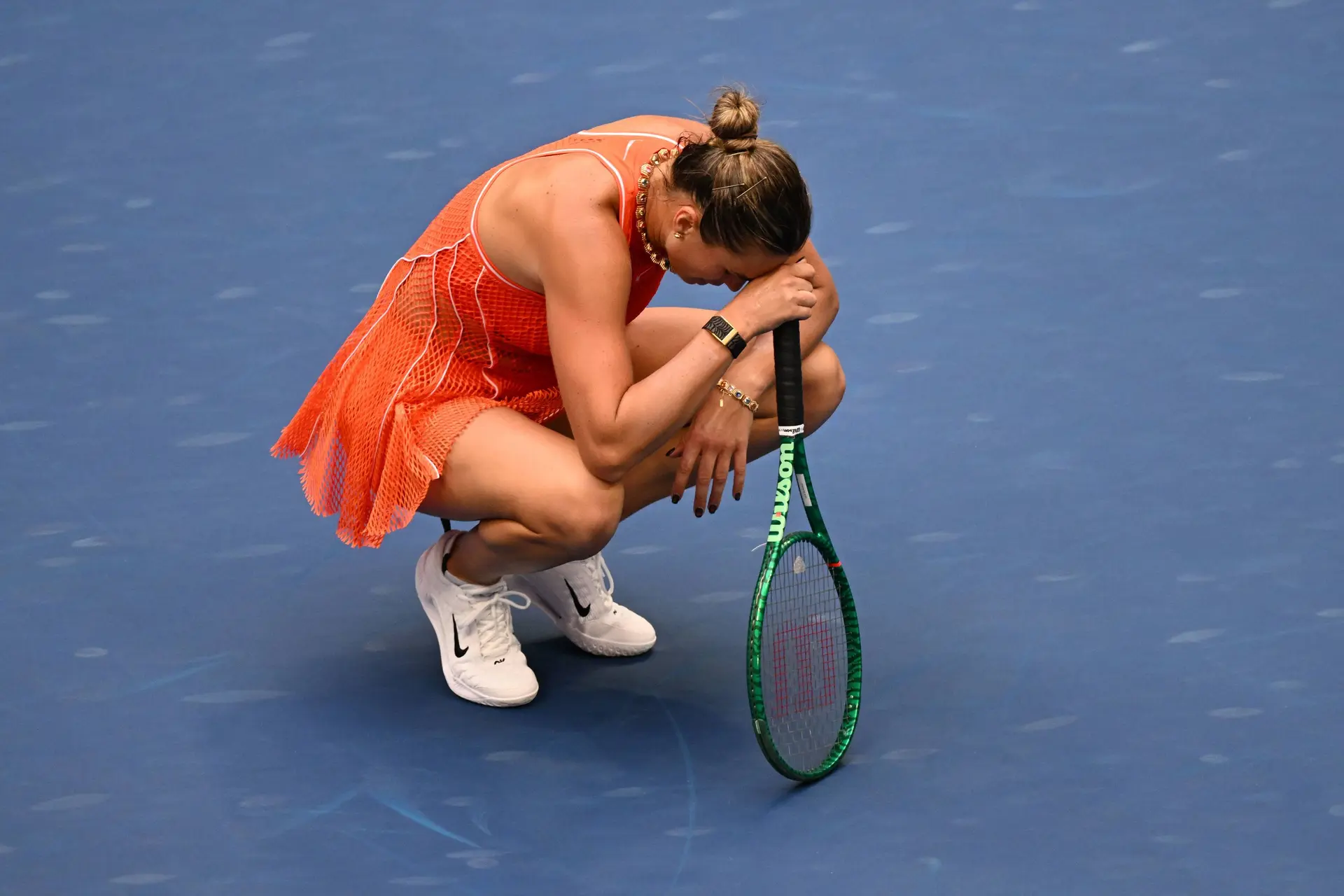
With recent events taking up the spotlight, the ATX Open Austin have made the decision to create a 'rage room' where players are free to go in with full privacy on offer to let off some steam. It is a decision that former British tennis players Tim Henman, Laura Robson and Naomi Cavaday were a fan of.
Player's privacy was a huge talking point from the aftermath of the Australian Open. A viral video emerged of Coco Gauff trying to find a quiet space backstage after her dreadful showing against Elina Svitolina. The American thought that she was out of range of cameras, but this was not the case with them picking up the full coverage of the 21-year-old obliterating her racket.
She spoke about this afterwards in her press conference, with players such as Iga Swiatek and Novak Djokovic also coming to her defence while asking for more privacy among tennis players when away from the spotlight.
This is where the ATX Open's idea of a rage room came from. No cameras, no stress of anything going out in the public and the perfect place for players to let out some anger after a rough performance or defeat.
They showed it off in a post on X. "Introducing the ATX Open rage room - the first of its kind - where players can privately express frustration or emotion in a safe, camera-free environment," it stated.

"No cameras, private space, I like it"
This innovation has got a lot of people talking, with a lot of support going out towards it. This was definitely the case for former British number one Henman who shared his thoughts on it.
"We've all had a moment at a time or a place. It's a different world that we live in and obviously what happened with Gauff was unfortunate for her, however, the media drive a lot of things in sport," Henman commented.
"They drive in revenues so it was a bit embarrassing and unfortunate that she was upset and no one wants to see that, but when you're paying for tens and tens of millions of dollars then there has to be two sides of the coin. So rage room, no cameras, private space, I like it."
It can be common to break a racket on court on the occasion but with more media and public scrutiny on these players, a lot of them refrain until away from the public eye. "I could remember a few times when you break a racket after the match but it was a different era. Wooden rackets break a lot easier," Henman admitted.
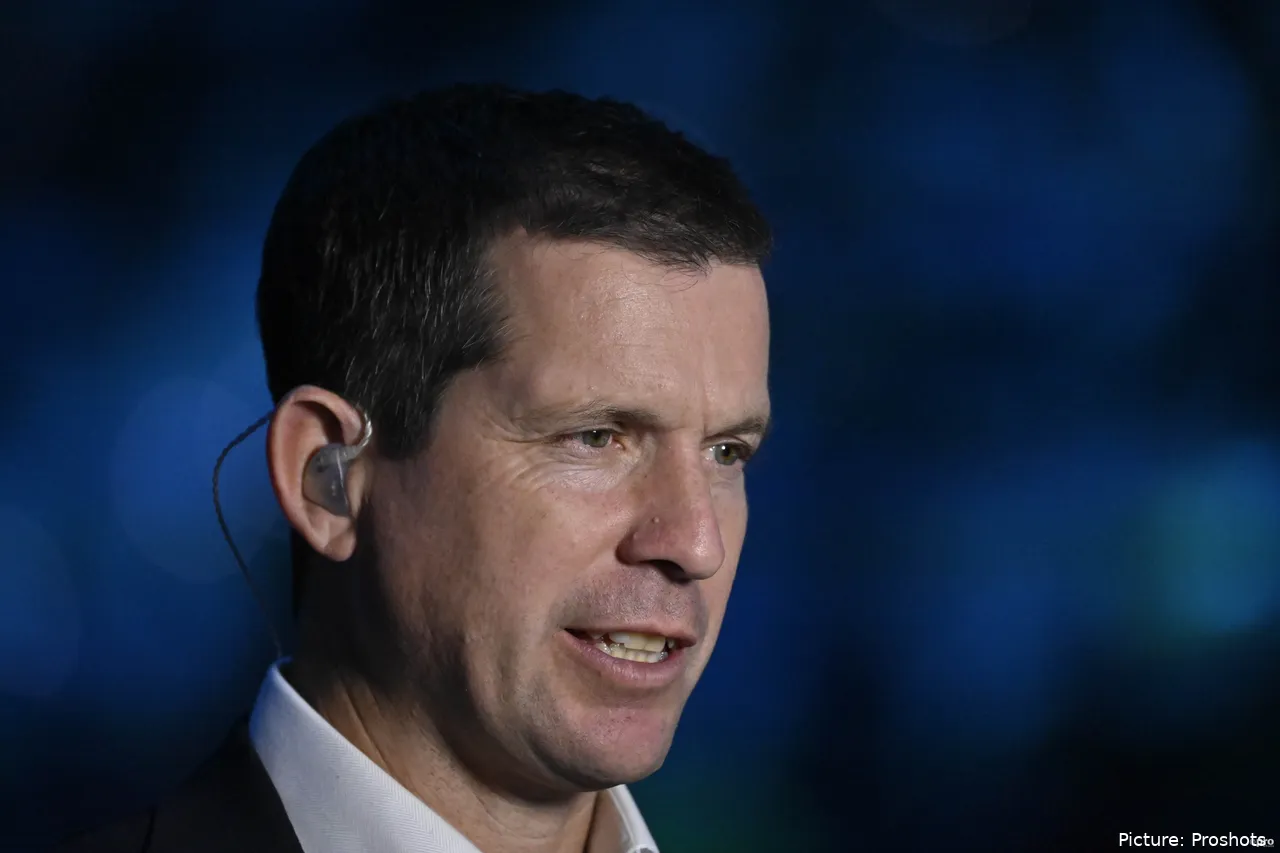
Tim Henman commentating at tennis event
Robson saw the funny side of it. "It's fantastic," she exclaimed. "It really made me laugh, especially in Australia where players have no privacy to go and break their racket, so now they've got the perfect opportunity to go in and break as many rackets as they want to, shout as much as they want to, and just let it all out."
If Robson was still playing, then she could have had a chance to enter and let out some much-needed anger. It may not be, however, totally about tennis. "Slow walkers for me. That is my number one pet peeve," she said.
Former professional now-turned commentator Cavaday was a massive fan of the privacy aspect. "For players to have somewhere private to go after losses is definitely a good thing for them. To be able and just go and have a bit of peace and quiet, but I was never one to be filled with rage."
It is yet to be seen if the Indian Wells Open will introduce something similar to this. The first 1000 tournament of the year in the USA is set to kick off a busy March with the Miami Open following in suit.
Lucas MichaelTennis Journalist
Lucas Michael is a tennis journalist based in Cambridge, UK, specializing in comprehensive coverage of the ATP and WTA tours. For the past 1.5 years, he has been a core contributor to TennisUpToDate, where he has authored more than 3,000 data-driven match reports, deep-dive analysis pieces, and engaging liveblogs.
Lucas pairs real-time statistical analysis with on-the-ground reporting, frequently traveling to tournaments to cover the action firsthand from the press box and player press conferences. This blend of advanced metrics and direct access allows him to provide sharp context regarding player form, tactical trends, and breaking tour developments.
He holds a BA (Hons) in Sports Journalism. Grounded in core journalistic ethics, Lucas places a strict emphasis on meticulous sourcing, editorial accuracy, and a commitment to updating live content swiftly as verified information emerges.
claps 0visitors 0
Just In



Popular News
Latest Comments
- A healthy Qinwen may be hard to stop next season. She was already scaring her opponents before her medical leave(s). Unfortunately, Zheng insisted on singing again. On the positive side -- Mirra did not sing!! ;~}
 mandoist11-10-2026
 - Where is it written that athletes, entertainers... People in general... are mandated to keep looking at -- or even using [anti]Social Media? Public & private figures consistently complain and reveal their concerns about negativity and violence thrown at them -- yet they insist on participating. Avoid it, don't use it, don't read it. It's okay to occasionally look up at the World instead beating your eyes & thumbs to death on The Inventions out there.mandoist11-10-2026
- great articlestennisseserver07-10-2026
- Medvedev was leading Djokovic 7-5, 3-5 when an attempted return..' NO you ignorants, Djokovic was leading .weiss05-10-2026
- No more bullshit "Wildcards" to these two. Qualify like everyone else -- there will be cameras there, too. Time to scream... WTF ????!!!!mandoist29-09-2026
- Let's not BS the general public -- Sabalenka started showing cracks in her game last season. Her losses and near-losses started at about the same time she began being distracted by Fame (constant Selfies, making TV commercials, magazine shoots, endless Social Media nonsense, etc., etc.) One would think even Saba could recognize the parallels with others who failed before her -- Raducanu, Giorgi, Bouchard to name a few.mandoist25-09-2026
- Gross!! Hey Raducanu, Giorgi, and Bouchard -- reserve a seat at your Social Media Selfie table for Saba + Naomi. They're heading in your direction soon enough.mandoist24-09-2026
- And then these same players will complain about how lengthy their season’s were and need more time-off. I’m all for more tennis but the amount of tennis we get now is actually kind of crazy! We all need a break, especially the players.DaveyWavey23-09-2026
- You should do a comparison article for "different kinds of justice" the courts decide for tennis players. I can think of at least three players who received very small bans of a few months, however Tara Moore has been fighting for her literal survival the past few years. It seems odd considering she is not a "name" player, unlike the other cases.DaveyWavey22-09-2026
- PRIZE MONEY & POINTS Winner - $185,500 Finalist - $114,500 Semi-Finalist - $66,003 Quarter-Finalist - $35,000 Round of 16 - $18,045 Round of 32 - $13,005 Winner - 500 Finalist - 325 Semi-Finalist - 195 Quarter-Finalist - 108 Round of 16 - 60 Round of 32 - 1DaveyWavey20-09-2026

Loading