“That’s why Europeans are better on clay” Alexander Zverev explains sliding advantage at French Open
ATP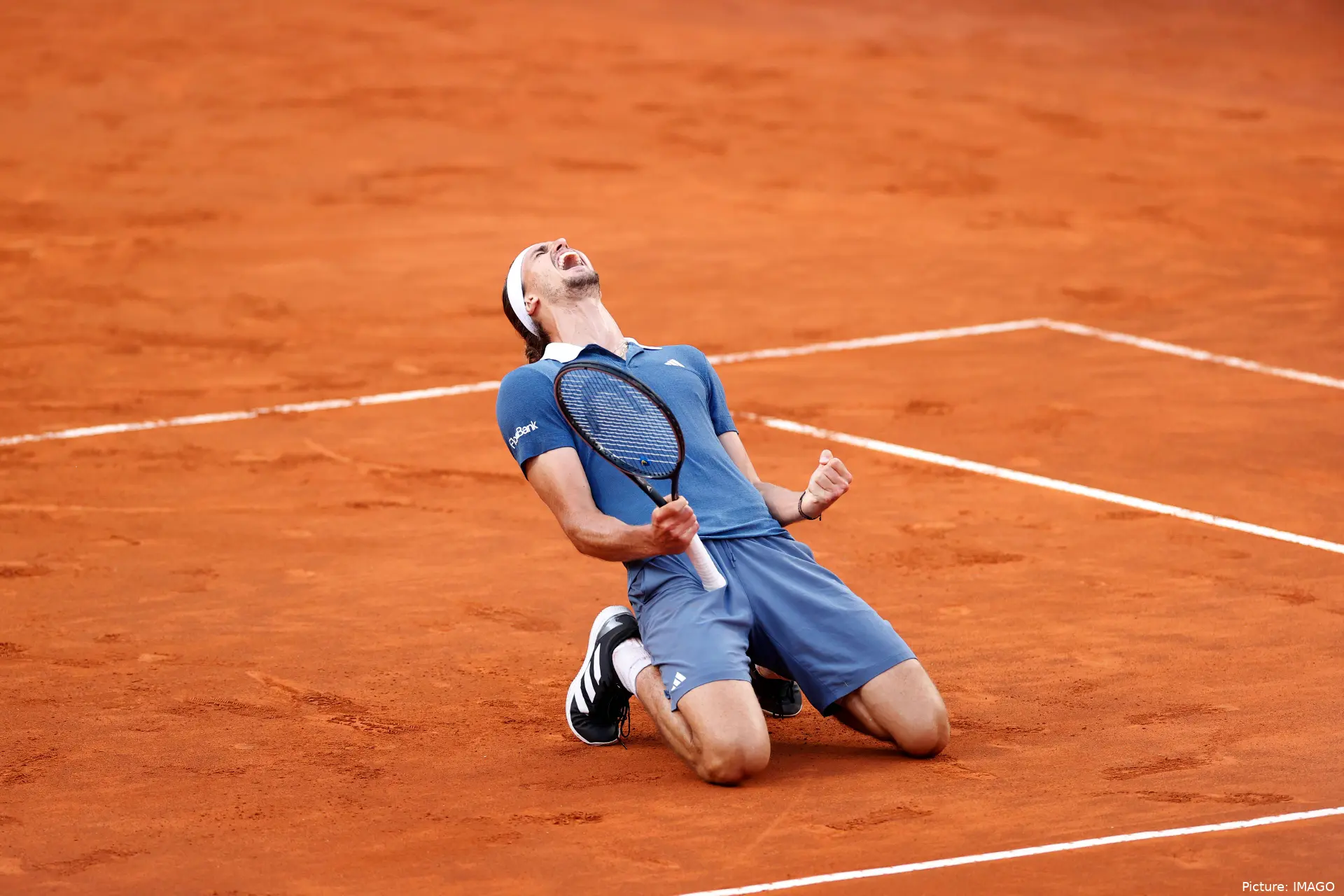
Alexander Zverev debuted at the French Open with an impressive victory, 6-3, 6-4, 6-2 against local player Benjamin Bonzi. It was a commanding debut for the world No. 2, who is considered one of the few names capable of challenging Jannik Sinner’s status as favourite at this Roland Garros.
Zverev arrived with some physical issues that had prevented him from competing at the Hamburg Open the previous week—at least according to the official information released after he withdrew from his home tournament. However, against Bonzi he was in optimal condition, taking a straightforward win that sends him into the second round without complications.
“It was an awesome day” Zverev said at the beginning of his press conference, adding that it was a solid start and that sometimes things are as simple as that. He explained that he won in three sets against an opponent capable of making life difficult for strong players, noting that Bonzi had shown that level in the past and that he himself handled the situation well, which was what pleased him the most.
The three-time Grand Slam finalist is the second player with the most wins at the French Open in the current draw, only behind Novak Djokovic. Zverev holds a 39–10 record at Roland Garros (79%), including a run to the final in 2024 and three additional semifinal appearances. However, he has repeatedly fallen just short of the title in Paris, something that remains one of his major ambitions.
Read also
"It’s the more natural move for us":
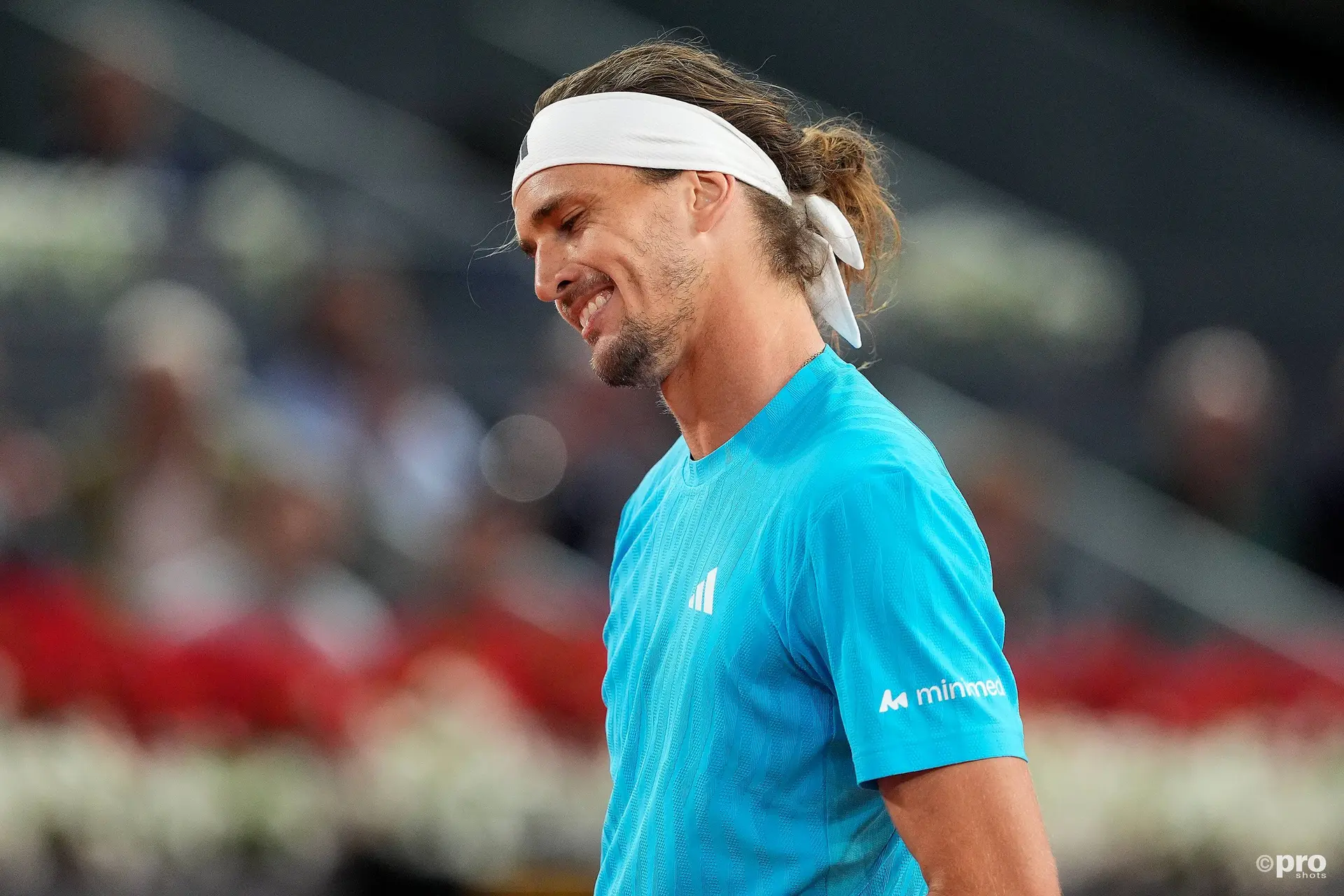
One of the keys to Zverev’s success on clay—where he has won nine titles, including three Masters 1000 events—has been his ability to slide effectively on the surface. The German explained that this is not something he specifically trains as a technical skill, but rather something that comes naturally to him due to having developed his game on clay courts.
“That’s why Europeans are probably better on clay than Americans or Australians. Because that’s what we grew up on,” he said. “It’s the more natural move for us. That’s how we move on a tennis court. We move through sliding. We move through the slippery surface better because we’re used to it.”
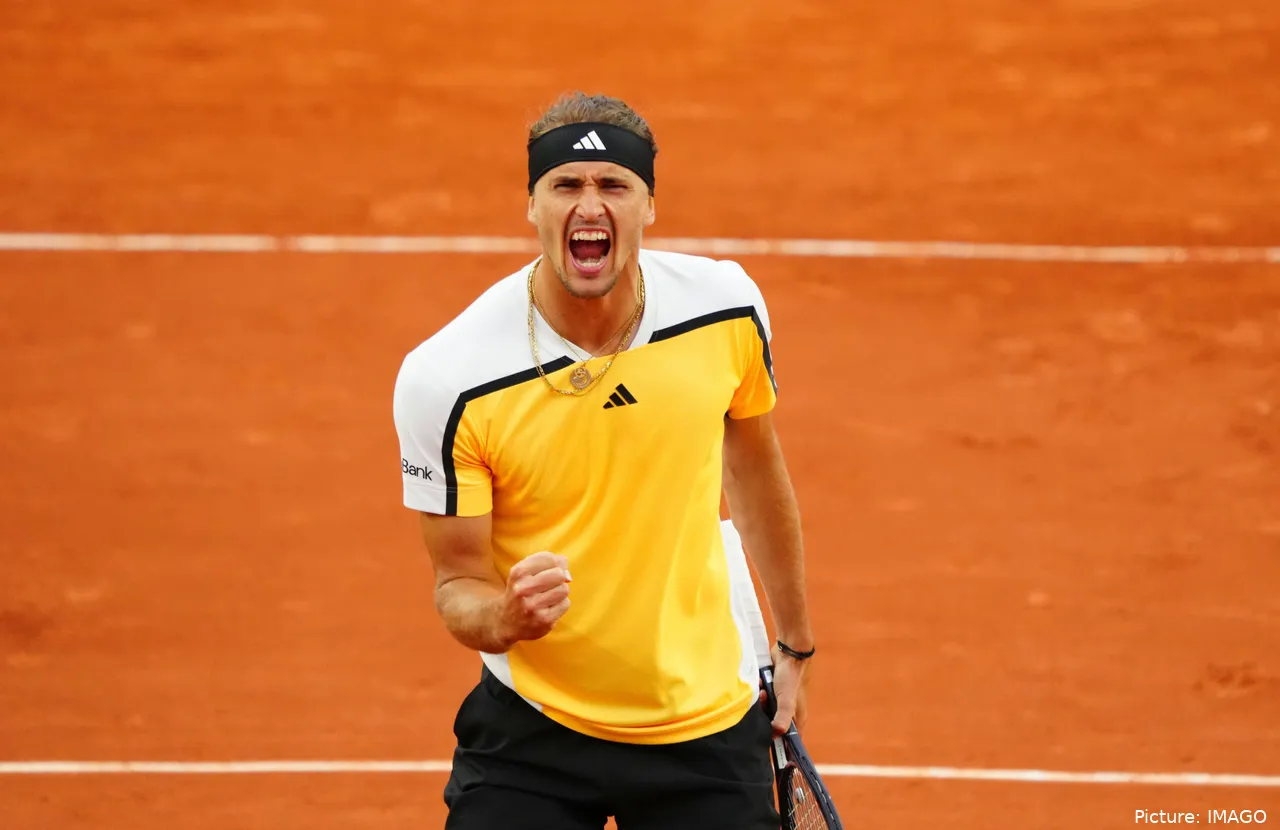
“As a kid, nobody can really teach you how to slide. You do it instinctively at some point and naturally at some point. If you grew up on the surface and you learned how to do it—or not learned how to do it, but you did it from a young age—you do it automatically,” he added.
Zverev also mentioned several of his peers as examples, including Jannik Sinner and Carlos Alcaraz, the two dominant names on clay over the last couple of seasons. “That’s why most Europeans nowadays, you look at Jannik, who’s an extreme example, or Carlos, who’s an extreme example. On hard courts they move like on clay. They slide to shots, they slide for drop shots, they slide to forehands, backhands. I do that as well.”
Read also
On the other hand, he also brought up Daniil Medvedev as another example, a player who has repeatedly stated that he does not feel comfortable on clay courts. “Medvedev is another one who’s extreme. He does it on hard courts as well. Those are all European players because we grew up on this slippery surface, which made us learn how to move on a tennis court in a certain way.”
“If you would ask me to break down how I do it, I would have no idea how I do it. I see a ball, I have to get there, I slide to it. That’s how I feel like everybody would explain it.”
The world No. 2 will have a few days to prepare for his next challenge in the second round, where he will face one of the most dangerous unseeded players: Czech Tomas Machac, who delivered a convincing straight-sets win over Zizou Bergs in his opening match. They will meet on Wednesday for a place in the third round.
Zverev has reached at least the fourth round in Paris for eight consecutive years, and this season his expectations are once again focused on surpassing his previous results.

Cristhián AvilaTennis Journalist
Cristhián Ávila is a tennis journalist based in Santiago, Chile, and has been part of the TennisUpToDate team since early 2023. He covers the ATP and WTA Tours as well as all four Grand Slams, producing breaking news, match reports, analysis, and regular liveblogs from major tournaments.
His reporting combines statistical analysis with clear explanation, helping readers understand tactical developments, player form, and broader storylines across the tour. Working fluently in both Spanish and English, Cristhián collaborates with an international editorial team and contributes to comprehensive global coverage. As part of his work, he has conducted interviews and media interactions with leading figures in the sport, including Caroline Wozniacki and John McEnroe.
In his journalism, Cristhián places strong emphasis on careful sourcing, editorial accuracy, and updating articles promptly when new, verified information becomes available. His coverage is grounded in research, context, and direct engagement with professional tennis.
claps 0visitors 0
Just In

Popular News
Latest Comments
- Two Things: 1. Stop allowing these Spoiled Trust-Fund Elitists to behave badly. Your little hand-slaps do not deter them. 2. STOP the incessantly annoying "towel wiping" nonsense!!!!
 mandoist15-10-2026
 - A healthy Qinwen may be hard to stop next season. She was already scaring her opponents before her medical leave(s). Unfortunately, Zheng insisted on singing again. On the positive side -- Mirra did not sing!! ;~}mandoist11-10-2026
- Where is it written that athletes, entertainers... People in general... are mandated to keep looking at -- or even using [anti]Social Media? Public & private figures consistently complain and reveal their concerns about negativity and violence thrown at them -- yet they insist on participating. Avoid it, don't use it, don't read it. It's okay to occasionally look up at the World instead beating your eyes & thumbs to death on The Inventions out there.mandoist11-10-2026
- great articlestennisseserver07-10-2026
- Medvedev was leading Djokovic 7-5, 3-5 when an attempted return..' NO you ignorants, Djokovic was leading .weiss05-10-2026
- No more bullshit "Wildcards" to these two. Qualify like everyone else -- there will be cameras there, too. Time to scream... WTF ????!!!!mandoist29-09-2026
- Let's not BS the general public -- Sabalenka started showing cracks in her game last season. Her losses and near-losses started at about the same time she began being distracted by Fame (constant Selfies, making TV commercials, magazine shoots, endless Social Media nonsense, etc., etc.) One would think even Saba could recognize the parallels with others who failed before her -- Raducanu, Giorgi, Bouchard to name a few.mandoist25-09-2026
- Gross!! Hey Raducanu, Giorgi, and Bouchard -- reserve a seat at your Social Media Selfie table for Saba + Naomi. They're heading in your direction soon enough.mandoist24-09-2026
- And then these same players will complain about how lengthy their season’s were and need more time-off. I’m all for more tennis but the amount of tennis we get now is actually kind of crazy! We all need a break, especially the players.DaveyWavey23-09-2026
- You should do a comparison article for "different kinds of justice" the courts decide for tennis players. I can think of at least three players who received very small bans of a few months, however Tara Moore has been fighting for her literal survival the past few years. It seems odd considering she is not a "name" player, unlike the other cases.DaveyWavey22-09-2026

Loading