Wimbledon WTA Day One Round-Up | Aryna Sabalenka and Coco Gauff dominate as Andreescu and Zheng suffer early exits
WTA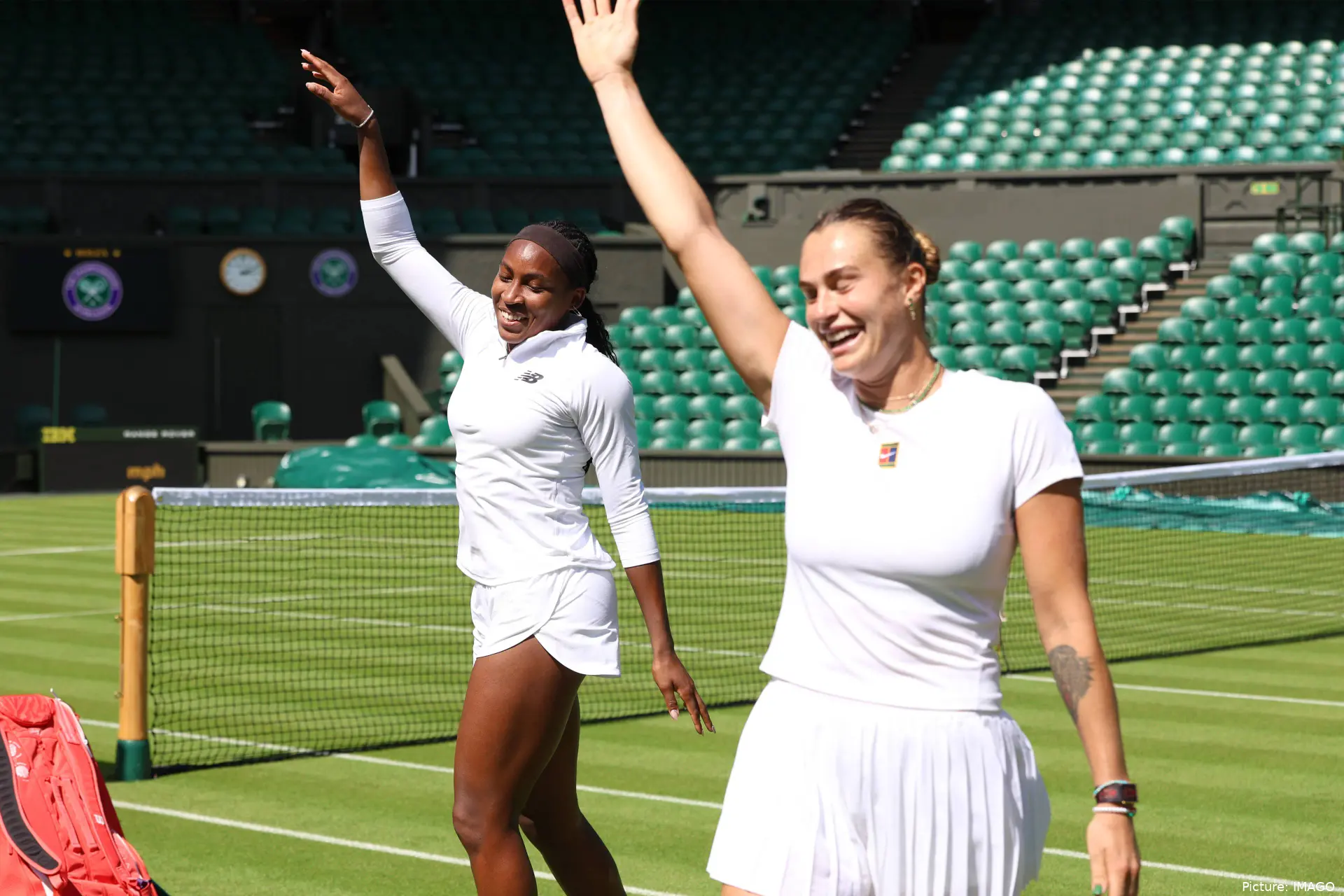
Wimbledon’s women’s singles draw opened with a clear split between top-seed stability and early disruption across the seeded bracket in the first round. Aryna Sabalenka, Coco Gauff and Mirra Andreeva all progressed in straight sets, each maintaining sustained control through their opening matches without facing extended resistance.
The day also produced immediate volatility in key sections of the draw, with Qinwen Zheng and Bianca Andreescu among the top-names eliminated. Multiple matches were decided by marginal differences in return efficiency and late-set execution, creating early structural shifts that already begin to reshape second-round pathways.
Sabalenka opens Wimbledon with controlled authority despite late disruption
Aryna Sabalenka def. Teodora Kostovic 6-2, 6-3
Aryna Sabalenka opened her Wimbledon campaign with a structured straight-sets win, extending her strong record at the tournament where she has reached the semifinals in each of her last three appearances. The world No. 1 established immediate dominance through first-strike baseline patterns, building a double-break lead to 4-0 and consistently dictating early rally phases.
Read also
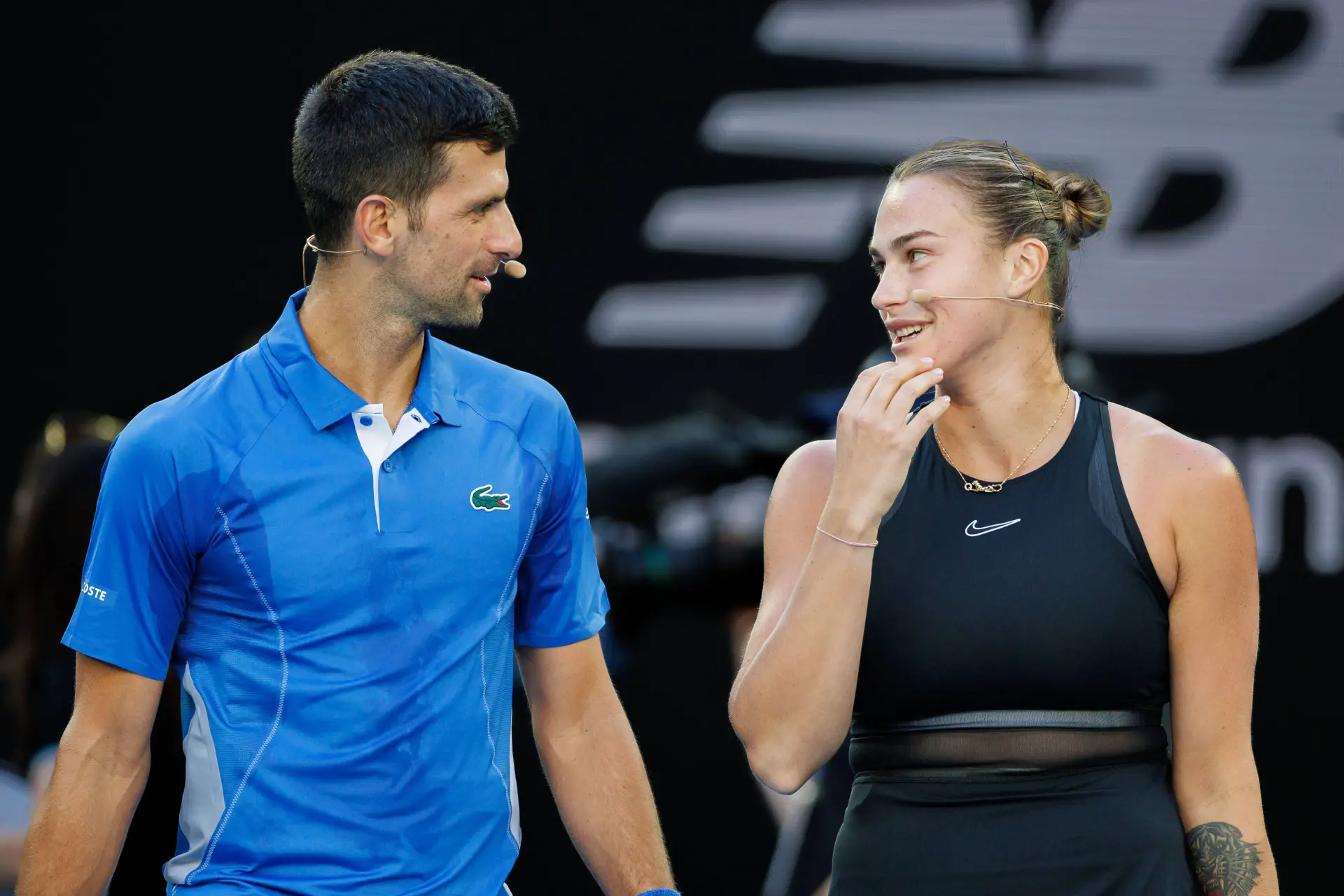
Sabalenka recorded a 73% first-serve percentage and won 83% of those points, a key factor in preventing sustained pressure from Kostovic once rallies extended. Although the Serbian began to adjust tempo and briefly stabilised return games midway through the opening set, Sabalenka maintained structural control and closed it comfortably.
The second set followed a similar trajectory, with Sabalenka serving for the match at 5-2 before Kostovic produced a late break. However, the response was immediate: Sabalenka broke back in the following game and closed the match without further complications. She advances to face McCartney Kessler, who arrives after a dominant win over Oleksandra Oliynykova.
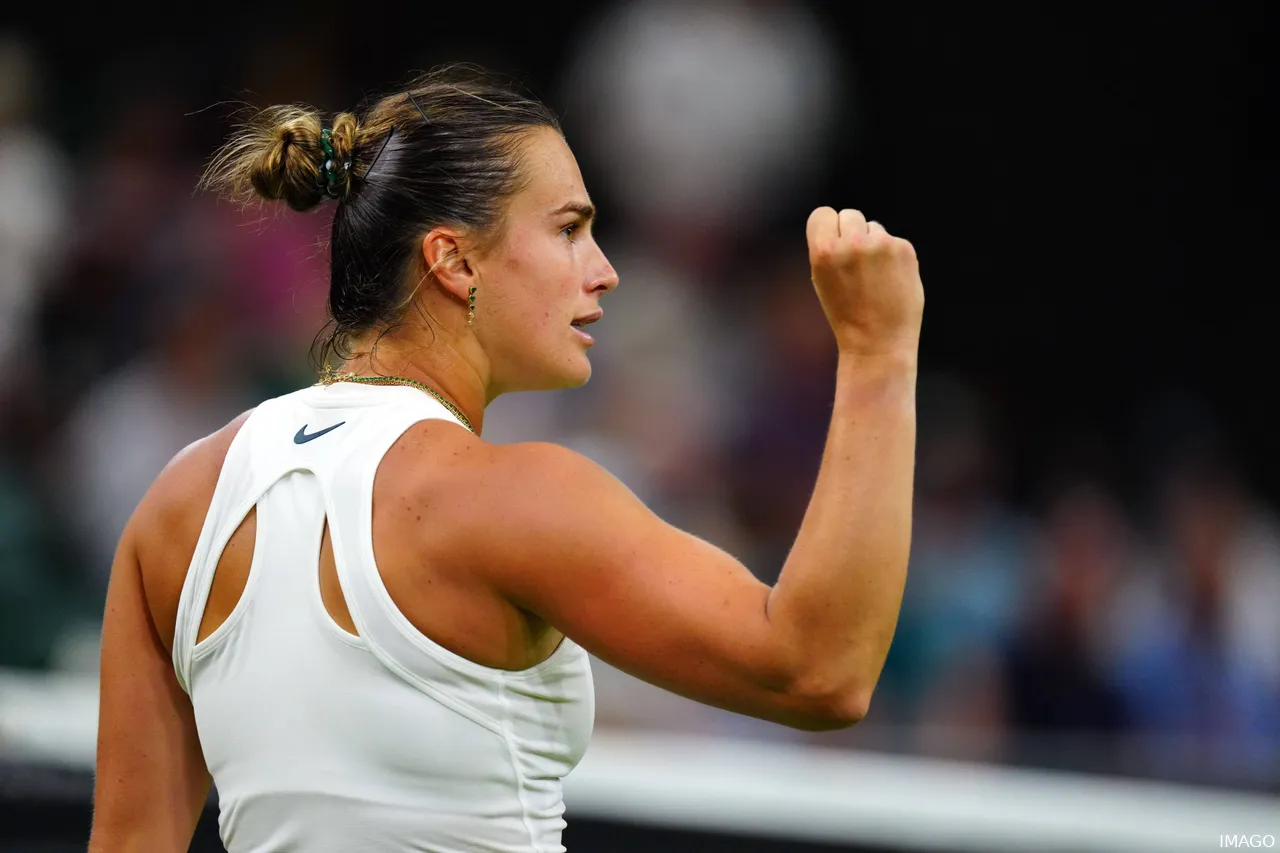
Gauff imposes total baseline control in near-flawless opening win
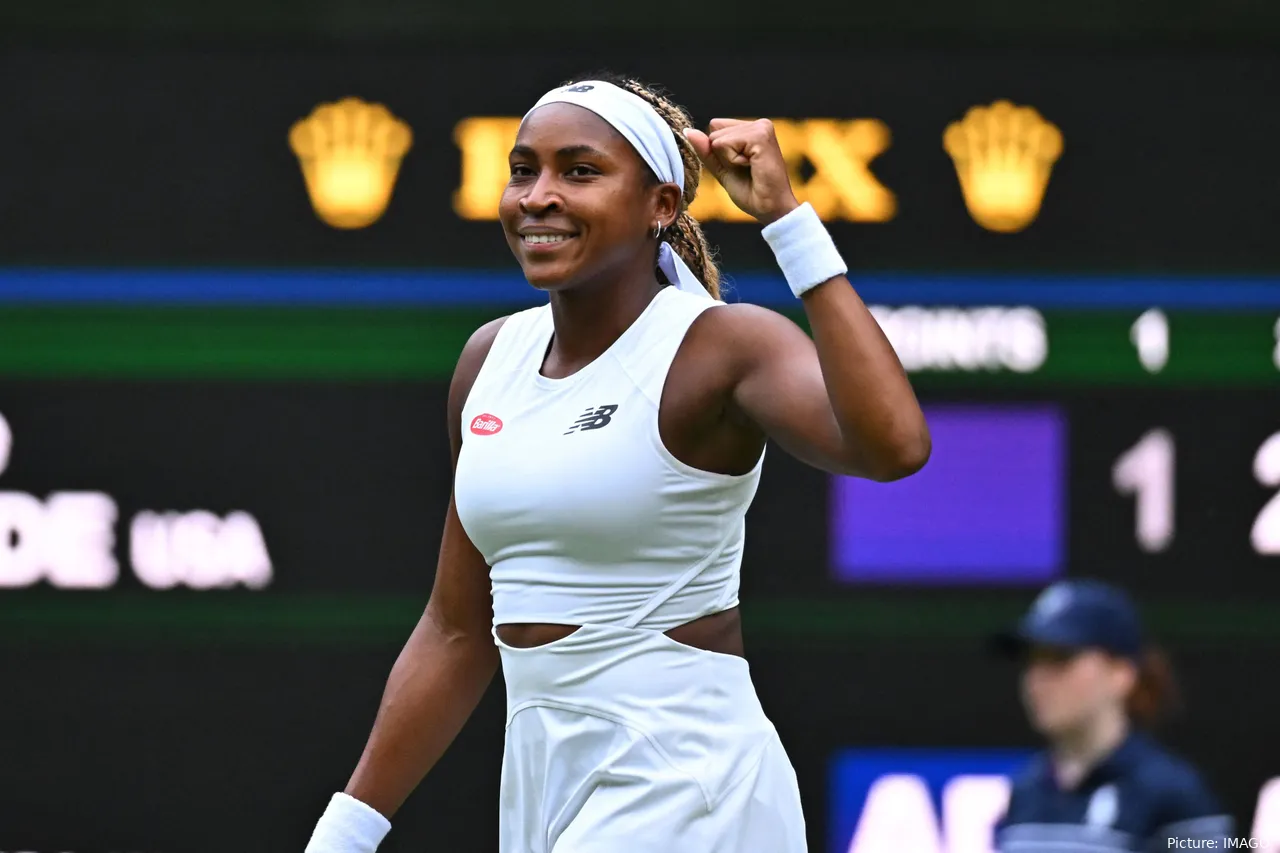
Coco Gauff def. Tamara Korpatsch 6-2, 6-1
Coco Gauff delivered one of the most statistically dominant performances of the opening round, conceding just three games in under one hour against Tamara Korpatsch. The American established early baseline depth control, immediately pushing Korpatsch behind the court and preventing neutral rally formation.
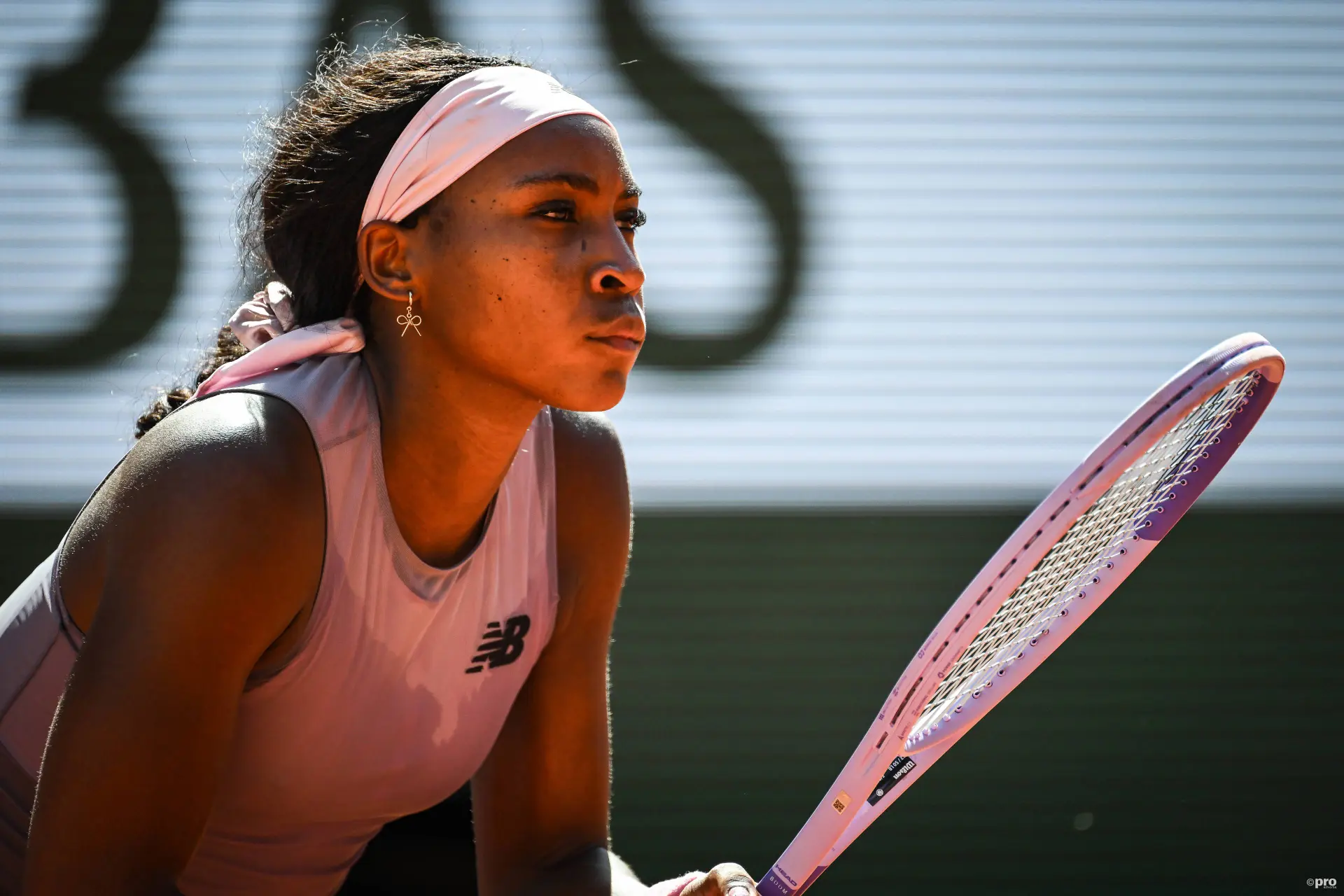
Gauff won 88% of points behind her first serve and did not face a single break point throughout the match, eliminating any structural threat on serve. After an initial 2-2 start, she shifted into a sustained sequence of nine consecutive games won, effectively removing any competitive phase from the encounter.
The match was defined by serve-plus-one efficiency and return pressure on second serves, which consistently produced short balls and forehand-side openings. Gauff progresses with minimal physical load into a section of the draw that continues to offer a favourable early pathway.
Andreeva overcomes Linette through late-set execution under pressure
Mirra Andreeva def. Magda Linette 7-5, 6-4
Mirra Andreeva faced a significantly more demanding opening-round test against former top-20 player Magda Linette. The opening set remained tightly balanced, with Linette frequently disrupting baseline rhythm and forcing extended rally construction from the young Russian.
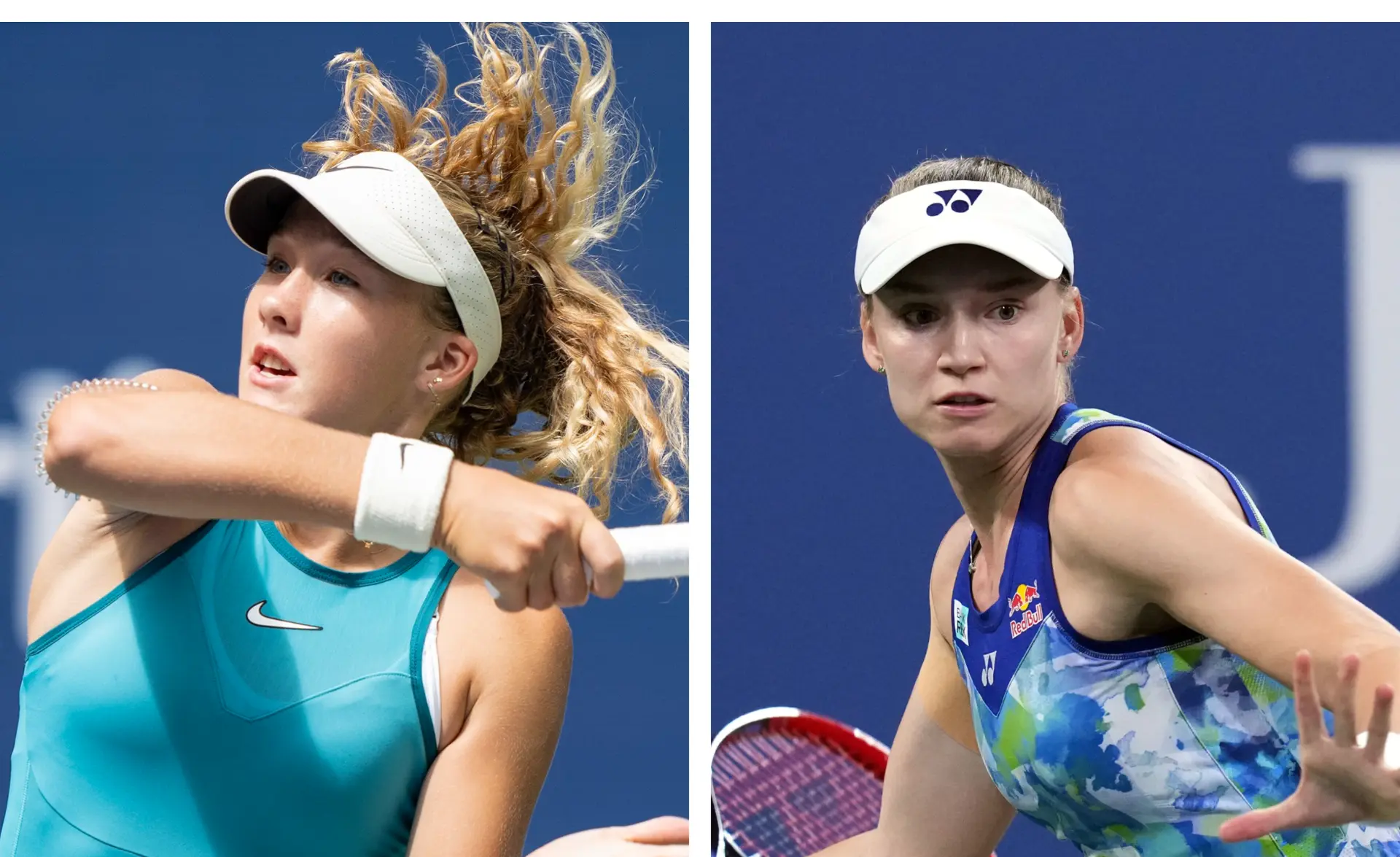
Andreeva ultimately closed the first set by winning three consecutive games, stabilising serve under pressure and reducing unforced errors in the closing phase. The second set saw sustained break-point pressure against her serve, as Linette repeatedly threatened to shift momentum after briefly levelling at 4-4.
However, Andreeva’s late-set execution proved decisive. She secured a critical late break before serving out the match with increased first-serve reliability, closing the final two games with control under pressure. The result reinforces her ability to manage tight tactical environments despite sustained resistance.

Mirra Andreeva competing at Wimbledon
Bencic delivers high-efficiency comeback win in dominant second-phase run
Belinda Bencic def. Mika Stojsavljevic 6-2, 6-1
Belinda Bencic produced a commanding first-round performance, conceding just three games despite an initially unstable start where she dropped serve and trailed 0-2. From that point onward, the match shifted decisively in her favour.
The former Olympic champion constructed an 11-game winning run that completely reversed early scoreboard pressure, consistently targeting Stojsavljevic’s second serve and accelerating baseline tempo. Her return positioning created immediate pressure on first contact, limiting any ability for the Briton to extend service games.
Bencic finished with approximately 70% of service points won, underlining her control across both serve and return phases. After briefly allowing Stojsavljevic a hold late in the match, she closed the contest on serve without facing further resistance, advancing with minimal energy expenditure.

Andreescu edged by Zhang in two tight tiebreak sets
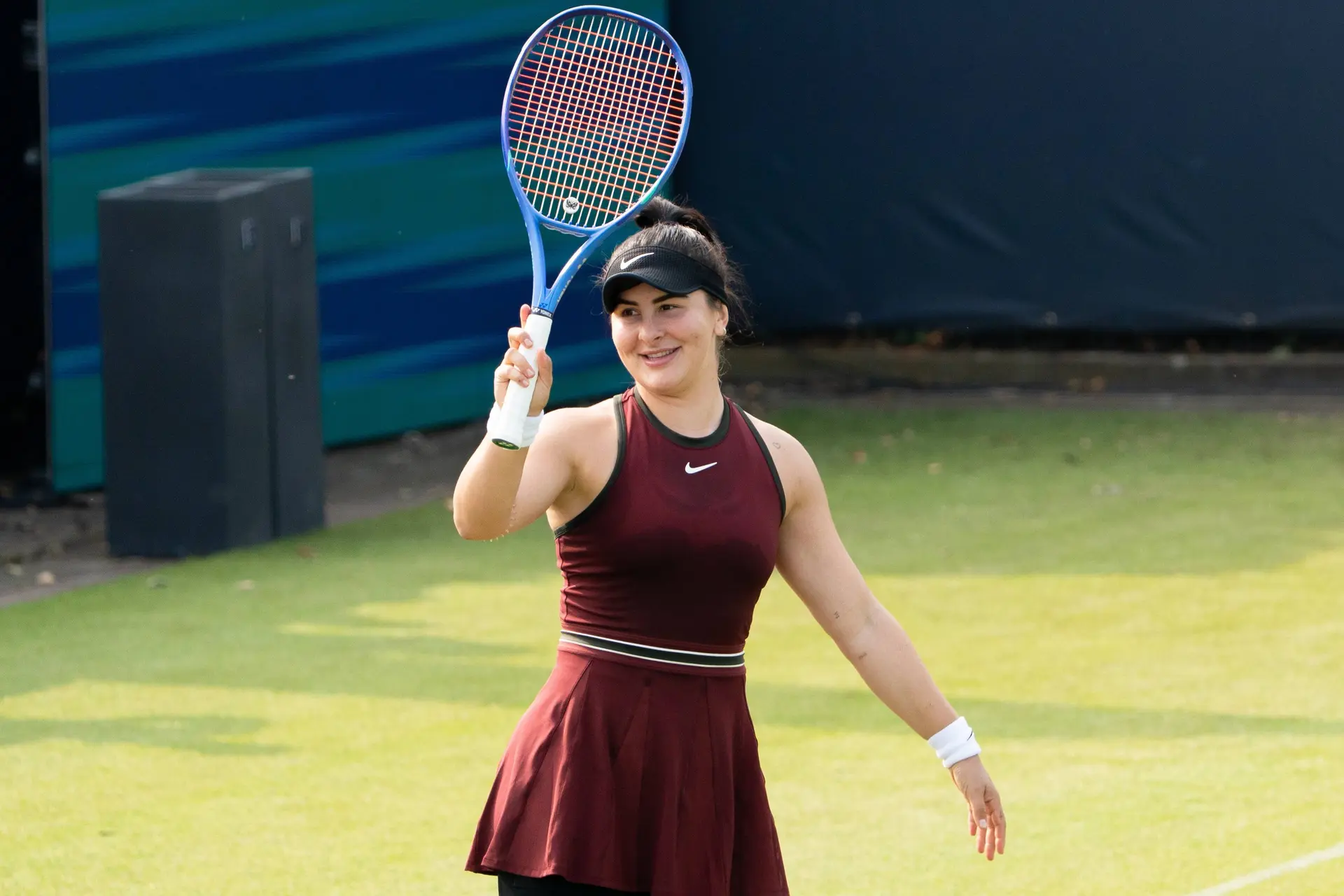
Shuai Zhang def. Bianca Andreescu 7-6, 7-6
Bianca Andreescu was eliminated after a straight-sets defeat decided in two tiebreaks, despite holding advantages in both sets. The Canadian established leads on the scoreboard at different stages and positioned herself to close out each set, but was unable to maintain control in the decisive games.
Shuai Zhang remained composed throughout, consistently stabilising under pressure and raising her intensity in both tiebreaks. Andreescu’s inability to convert set control into completion allowed Zhang to recover each time, with the Chinese player executing cleaner, higher-tempo patterns in the closing points to secure both sets.

Read also
Bouzas Maneiro eliminates Potapova through return pressure and baseline control
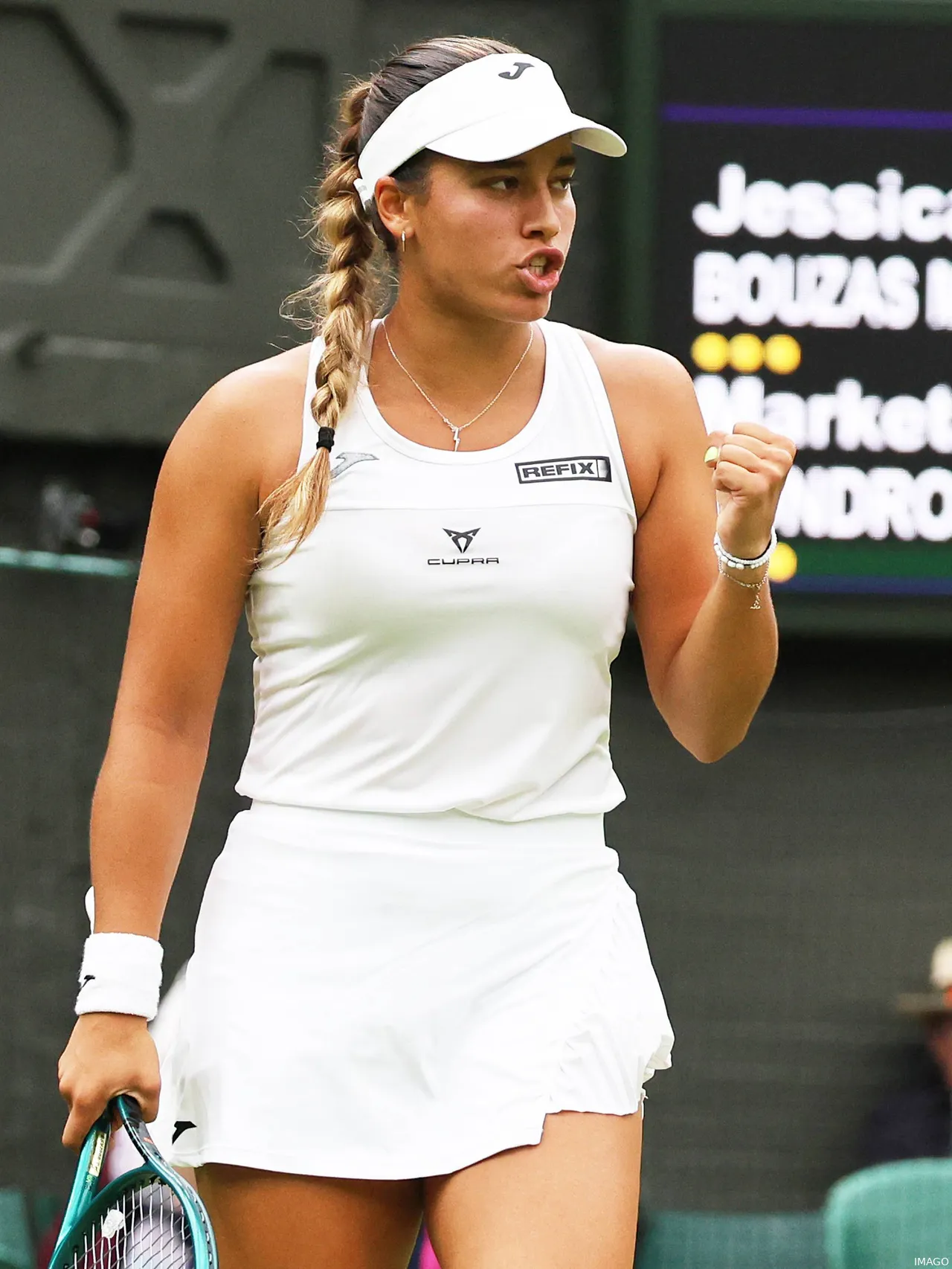
Jessica Bouzas Maneiro def. Anastasia Potapova 6-2, 6-3
Jessica Bouzas Maneiro produced one of the key early upsets of the opening round, eliminating 27th seed Anastasia Potapova in straight sets. The Spaniard immediately targeted Potapova’s second-serve patterns, establishing return depth that prevented any early offensive initiation from the Russian.
The match shifted early as Bouzas Maneiro broke rhythm through aggressive return positioning, stepping inside the baseline to neutralise serve advantage. Potapova briefly stabilised mid-set through improved first-serve percentage, but struggled to maintain service-game consolidation under sustained pressure.
Statistically, Bouzas Maneiro maintained higher break-point conversion efficiency and consistently won neutral rallies beyond five shots, indicating greater control in extended exchanges. Potapova’s inability to protect second-serve points proved decisive, allowing Bouzas Maneiro to close both sets without entering high-pressure closing phases. The result removes a seeded player and opens this section of the draw significantly.
Zheng eliminated as Siniakova controls serve-return balance
Katerina Siniakova def. Qinwen Zheng 6-4, 6-4
Qinwen Zheng exited Wimbledon in the opening round after a straight-sets defeat to Katerina Siniakova in a match defined by serve underperformance and return pressure imbalance. Zheng was forced into defensive positions early in both sets after losing service games at key stages.
Siniakova demonstrated strong serving efficiency and exceptional break-point defence, saving 7 of the break points she faced while converting 2 of 12 opportunities on return. This differential proved decisive in both sets, where Zheng was unable to stabilise her second-serve points under sustained pressure.
Despite competitive baseline exchanges, Zheng never established control over her service games, allowing Siniakova to maintain structural advantage throughout the match.



Samuel GillEditor-in-Chief
Samuel Gill is the Chief Content Officer (CCO) of TennisUpToDate.com, a role he has held since 2020. He is responsible for editorial governance across the platform, including setting content standards, overseeing accuracy and consistency, and guiding long-term editorial strategy. Since joining, he has contributed more than 10,000 articles and editorial pieces across the TennisUpToDate network, playing a central role in the daily operation and development of the site.
Based in Leicester, Samuel has a broad background in tennis media. In his current role, he works closely with editors and writers to ensure coverage meets clear journalistic standards, with particular attention to verification, consistency, and timely updates when new information becomes available.
claps 0visitors 0
Just In


Popular News
Latest Comments
- A healthy Qinwen may be hard to stop next season. She was already scaring her opponents before her medical leave(s). Unfortunately, Zheng insisted on singing again. On the positive side -- Mirra did not sing!! ;~}
 mandoist11-10-2026
 - Where is it written that athletes, entertainers... People in general... are mandated to keep looking at -- or even using [anti]Social Media? Public & private figures consistently complain and reveal their concerns about negativity and violence thrown at them -- yet they insist on participating. Avoid it, don't use it, don't read it. It's okay to occasionally look up at the World instead beating your eyes & thumbs to death on The Inventions out there.mandoist11-10-2026
- great articlestennisseserver07-10-2026
- Medvedev was leading Djokovic 7-5, 3-5 when an attempted return..' NO you ignorants, Djokovic was leading .weiss05-10-2026
- No more bullshit "Wildcards" to these two. Qualify like everyone else -- there will be cameras there, too. Time to scream... WTF ????!!!!mandoist29-09-2026
- Let's not BS the general public -- Sabalenka started showing cracks in her game last season. Her losses and near-losses started at about the same time she began being distracted by Fame (constant Selfies, making TV commercials, magazine shoots, endless Social Media nonsense, etc., etc.) One would think even Saba could recognize the parallels with others who failed before her -- Raducanu, Giorgi, Bouchard to name a few.mandoist25-09-2026
- Gross!! Hey Raducanu, Giorgi, and Bouchard -- reserve a seat at your Social Media Selfie table for Saba + Naomi. They're heading in your direction soon enough.mandoist24-09-2026
- And then these same players will complain about how lengthy their season’s were and need more time-off. I’m all for more tennis but the amount of tennis we get now is actually kind of crazy! We all need a break, especially the players.DaveyWavey23-09-2026
- You should do a comparison article for "different kinds of justice" the courts decide for tennis players. I can think of at least three players who received very small bans of a few months, however Tara Moore has been fighting for her literal survival the past few years. It seems odd considering she is not a "name" player, unlike the other cases.DaveyWavey22-09-2026
- PRIZE MONEY & POINTS Winner - $185,500 Finalist - $114,500 Semi-Finalist - $66,003 Quarter-Finalist - $35,000 Round of 16 - $18,045 Round of 32 - $13,005 Winner - 500 Finalist - 325 Semi-Finalist - 195 Quarter-Finalist - 108 Round of 16 - 60 Round of 32 - 1DaveyWavey20-09-2026

Loading