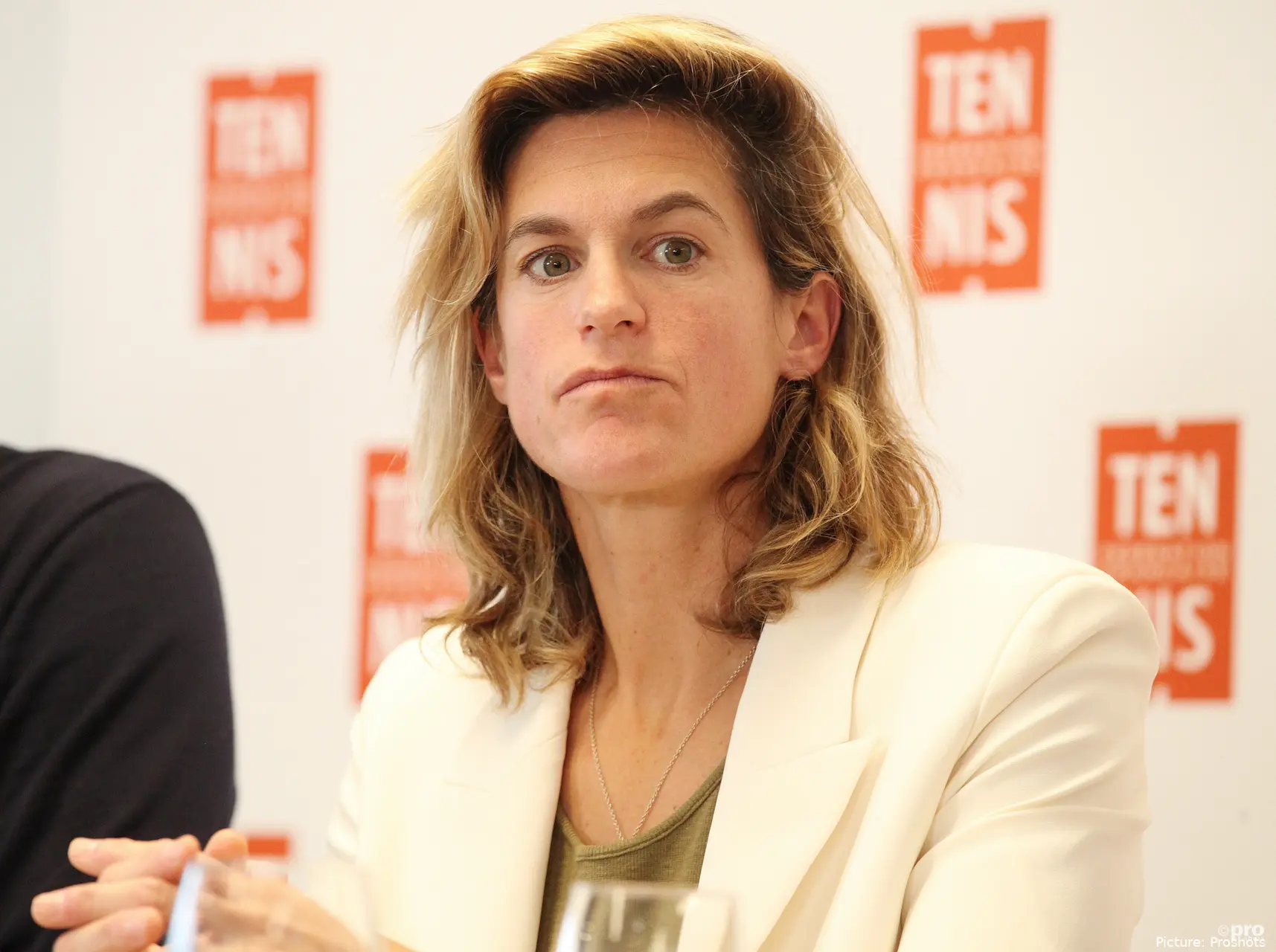
Roland-Garros tournament director Amélie Mauresmo addressed a wide range of operational and structural issues affecting the 2026 edition of the French Open, including line-calling technology, scheduling decisions, court infrastructure and the tournament’s relationship with players.
Her remarks come during a fortnight marked by growing scrutiny of clay-court officiating systems and broader questions about decision-making transparency in Grand Slam events. The debate has been intensified by recent controversies involving disputed calls and player reactions in high-profile matches.
Mauresmo repeatedly defended the tournament’s current operational framework, while acknowledging limitations in both technology and infrastructure. She stressed that Roland-Garros continues to evaluate all areas annually, particularly as tennis increasingly integrates electronic officiating systems.
The French Open, traditionally run under a federation-based non-profit model, remains one of the sport’s most influential events both commercially and structurally, with its decisions often shaping broader ATP and WTA policies.
Line-calling technology and human arbitration
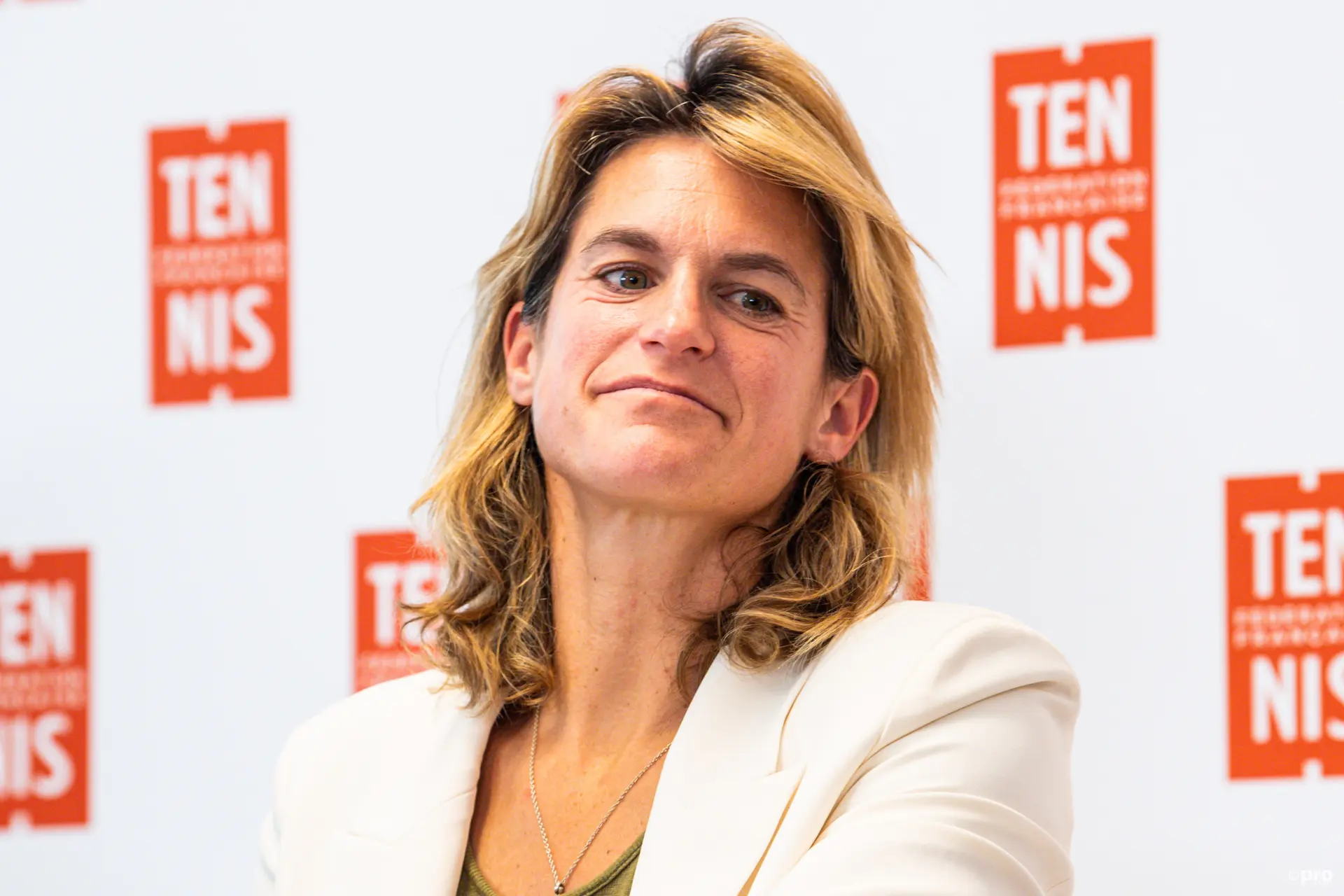
Mauresmo confirmed that Roland-Garros continues to rely on human line judges on clay, citing concerns over the reliability of electronic systems currently available for the surface. The issue has become increasingly prominent across the clay-court swing, where mark visibility and surface conditions complicate automated detection systems.
She noted that while the tournament remains open to technological evolution, current implementations do not yet meet the required threshold for full adoption. The decision, she said, is based on consistency observed across recent clay events and internal evaluations during the tournament.
“The thing is that as of today and from what we've seen in the previous clay court tournaments in the last few months is that it appears that the technology on clay is not 100% reliable.”

Mauresmo also pointed to player reactions as part of the broader evaluation process, suggesting that on-court behaviour has not indicated widespread disagreement with human officiating outcomes.
“It appears that the technology on clay is not 100% reliable. And it's also, when you see Kasper's reaction also last night, he wasn't shocked by the umpire's decision. So I think it's also we have to keep in mind that this technology, as of today, is not 100% reliable.”
Beyond line-calling, she confirmed that all officiating systems are reviewed annually, particularly as electronic line calling becomes increasingly common on the ATP and WTA tours.
“We will address everything, to be honest. Each year we address everything. We've been addressing this last year or so, given the fact that the electric line calling is really coming in the tennis environment.”
Member of the crowd correctly calls Fonseca's shot "out" on set point, causing Ruud to stop play; the chair rules that it is in. Fonseca would go on to win the tiebreak pic.twitter.com/VdrfPQ63tu
— fluxx (@Skai_way) May 31, 2026
Scheduling decisions, player requests and tournament control
A significant portion of Mauresmo’s press conference focused on scheduling decisions, particularly regarding match placement and night sessions. Questions were raised about whether player requests influence match timing, especially in high-profile cases involving top-ranked athletes.
Mauresmo declined to comment on individual player requests, including scheduling decisions linked to marquee names such as Jannik Sinner, stating that the tournament does not publicly discuss internal requests or negotiations. “I will never comment TV request, player request, or never really comment that.”
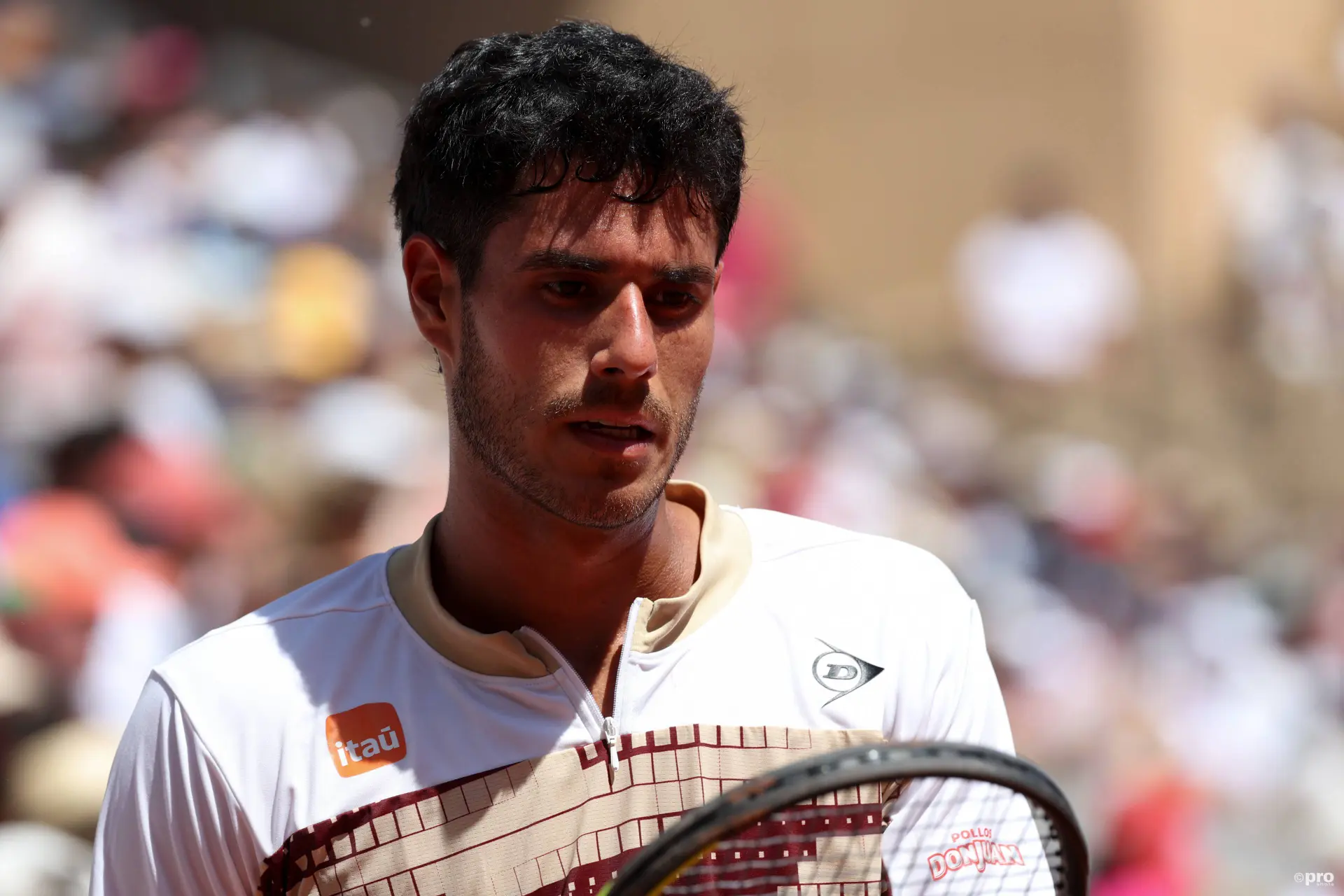
She added that scheduling decisions are made based on a combination of operational factors, including broadcast requirements and overall tournament balance, rather than any single determinant. “It just seemed good for everyone, the tournament, everyone. I don't know how to give an answer, it's okay.”
Night session selection, she explained, remains a multi-factor decision, with match length considered as one of several inputs rather than the dominant criterion. “It is still something that for us is one element of the decision, yes. But not the most important one necessarily.”

Infrastructure limits, commercial pressure and player relations
Mauresmo also addressed ongoing concerns around fan experience, including long queues at the tournament boutique and structural constraints within the Roland-Garros site. She acknowledged that demand continues to exceed operational capacity despite adjustments made in recent years.
She stressed that the stadium layout imposes hard limits on expansion, despite ongoing efforts to streamline access and improve logistics during peak attendance periods. “We are trying. It's not an easy thing to do because, as you know, we don't have the space that we would like to have in Roland Garros. So we try to make things less complicated, easier maybe, but honestly, we struggle a little bit on this part.”

Court space and player safety were also raised, following incidents on practice courts. Mauresmo confirmed that minor adjustments have been made during the tournament, with further structural discussions planned post-event. “We've made the decision to push the blocks a little bit back, you know, to give even more space to the players. This is something we adjusted during the tournament.”
Finally, she addressed broader tensions between players and tournament organisers, including communication gaps and legal constraints affecting dialogue in recent years. Mauresmo said ongoing discussions with players are continuing, though she expects more substantial progress after the conclusion of the tournament season.
“We need to make sure to explain it probably better, also, because it's an economical model that we are a non-profit. So, it all goes back to the roots of tennis, to the ITF, to the ATP, to WTA also.”

Cristhián AvilaTennis Journalist
Cristhián Ávila is a tennis journalist based in Santiago, Chile, and has been part of the TennisUpToDate team since early 2023. He covers the ATP and WTA Tours as well as all four Grand Slams, producing breaking news, match reports, analysis, and regular liveblogs from major tournaments.
His reporting combines statistical analysis with clear explanation, helping readers understand tactical developments, player form, and broader storylines across the tour. Working fluently in both Spanish and English, Cristhián collaborates with an international editorial team and contributes to comprehensive global coverage. As part of his work, he has conducted interviews and media interactions with leading figures in the sport, including Caroline Wozniacki and John McEnroe.
In his journalism, Cristhián places strong emphasis on careful sourcing, editorial accuracy, and updating articles promptly when new, verified information becomes available. His coverage is grounded in research, context, and direct engagement with professional tennis.
claps 0visitors 0
Just In

Popular News
Latest Comments
- Lena... Takin' care of business
 mandoist25-10-2026
 - Can you please stop publishing this nonsense? Stick to Tennis.mandoist25-10-2026
- Does Sinner need that 4.5 mil? I doubt it. He can make that with three modelling gigs!😅🤣Rapunzel21-10-2026
- Did "People Magazine" purchase this website? This nonstop storyline is bullshit.mandoist21-10-2026
- Listen... this is of no concern to anyone but these two. Deal with your own issues -- most of us have our own. Thanks, media, for these insignificant follow-ups which are meaningless.mandoist21-10-2026
- This is so very very sad, for all three of them. I truly thought they had an unbreakable bond, but life throws up so many differing challenges. Having your homeland suffering in such a terrible way, makes happiness lose out to guilt as well. Our thoughts are with them. X💔bjsexton20-10-2026
- I have lost all respect for Svitolina! Could she not have waited until he had played at the Paris Masters!!! She is selfish and don't give a damn about Gael. That is NOT how love is demonstrated Elina!!Rapunzel19-10-2026
- Perhaps convenient tennis tour sex is not a strong enough experience in which to base a marriage?mandoist19-10-2026
- Fight the Good Fight... Tennis (sports in general) need more Humans such as yourself.mandoist18-10-2026
- When is WTA going to mandate Genetic Testing (DNA) ???mandoist18-10-2026

Loading