"She would kill the singles game pretty quickly": Eugenie Bouchard predicts how long it would take Coco Gauff to become a top-5 pickleball player
WTA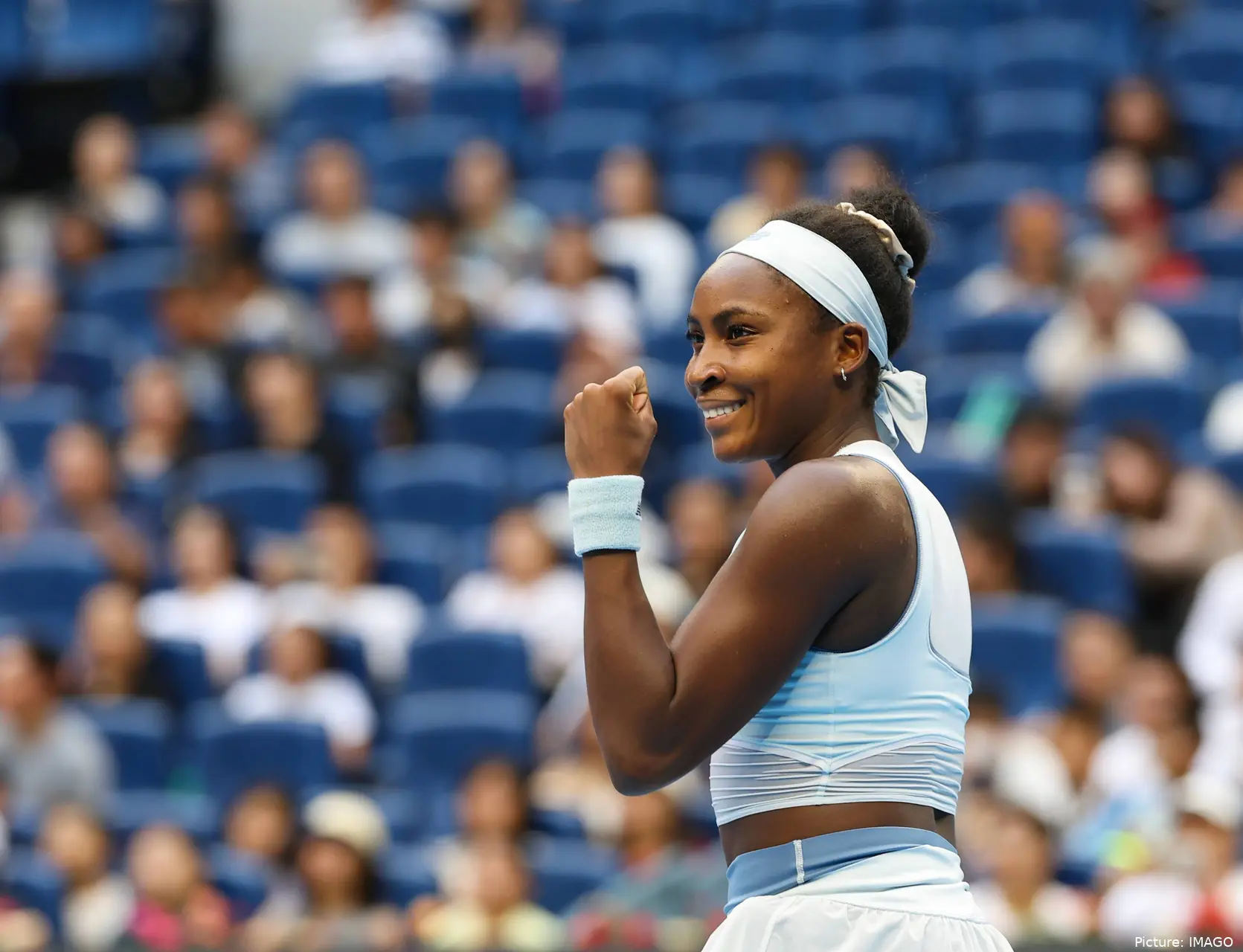
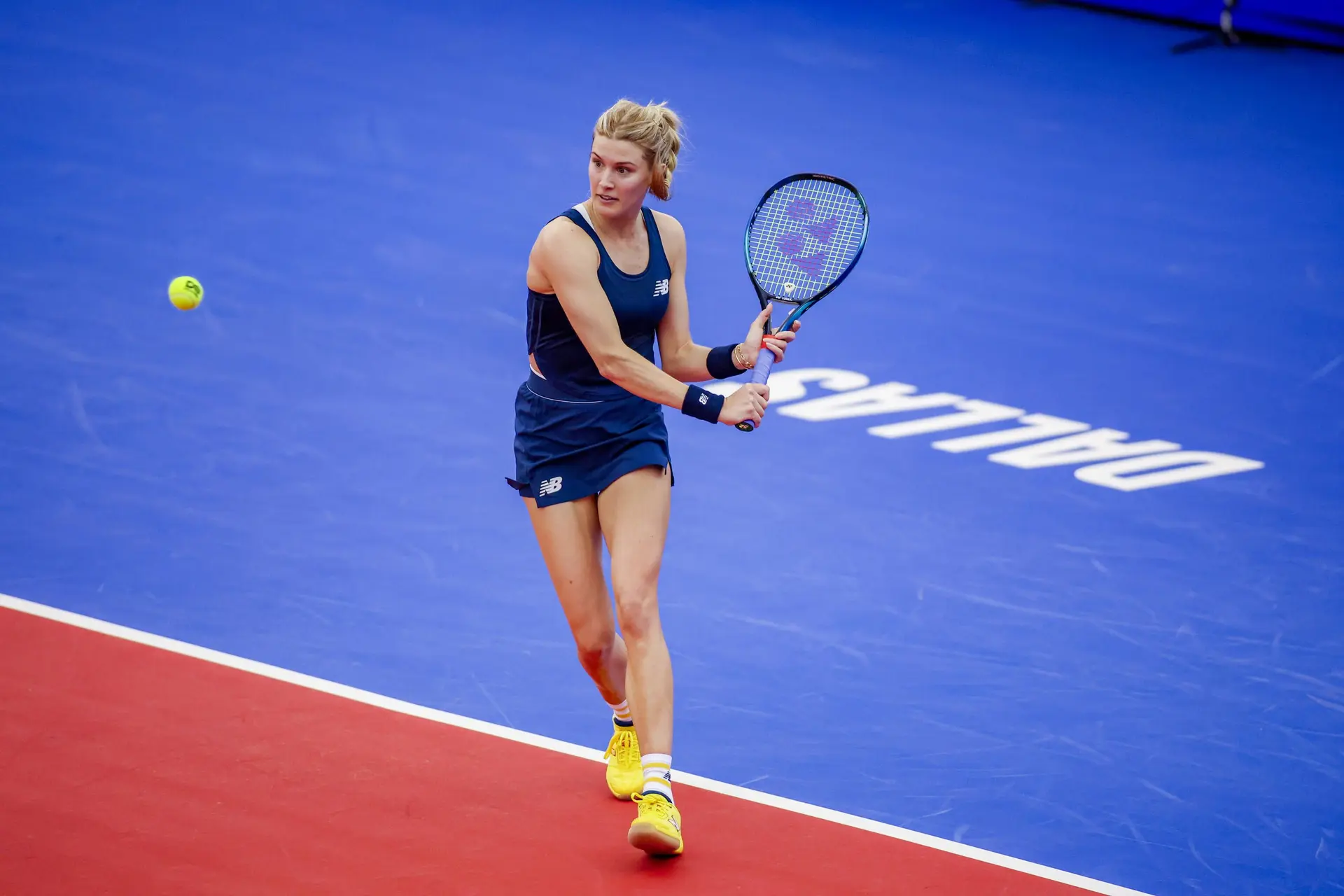
Eugenie Bouchard, having fully retired from the WTA Tour earlier this year to focus on the PPA Tour, offered a candid assessment of her new career during a recent appearance on The Kitchen Pickleball podcast. The former Wimbledon finalist is an authoritative voice when it comes to comparing the difficulty of tennis and pickleball, and the capacity of a professional tennis player to adapt to pickleball.
During the interview, Bouchard was asked about the possibilities of a top-tier WTA player becoming a top pickleball player. The Canadian answered how long she believes it would take Coco Gauff to establish herself in the top 5 of pickleball – both in singles and doubles – if she hypothetically decided to switch sports.
"She's so athletic. I mean, she would kill the singles game pretty quickly. I think all tennis players naturally feel pretty good on the singles court. But she does really well in doubles as well, it’s something Jack Sock had. He was really good in doubles. And so I think that helps the doubles in pickleball. And I was less of a doubles player, which shows in my struggles in doubles and pickleball," commented Bouchard before venturing a specific time frame. "So I don't know. Top five? Like eight months."
However, Bouchard distinguished that in the case of doubles, specific skills are required that a tennis player could not necessarily develop so quickly, asserting that it would be much more complicated to see a tennis player positioning themselves in the top 5 of pickleball doubles, even for someone like Gauff. "I mean, I think that's harder. I don't know if she would get to top five."
"You said top five? These girls are so good. It's like so hard," added the Canadian. "There's also no magic pill. You can't like jump forward a year of training, right? You have to go through that year of training. And so they have the advantage of time, first of all. And it's just hard to compete against that."

The friction of transition
When pressed on which sport she currently prefers, Bouchard remained loyal to her roots on the WTA Tour. Despite the growing popularity of the PPA Tour and her full-time commitment to it, the comfort of the tennis court remains unmatched for her. She emphasized that the enjoyment of sport is often inextricably linked to proficiency, noting that her twenty-five-year tenure in tennis provides a level of security and muscle memory that she has yet to find with the paddle.
"Well, I would just say tennis because I am better at it. It's more fun to do something you're good at. And I've done it for 25 years and feel so comfortable on a court."
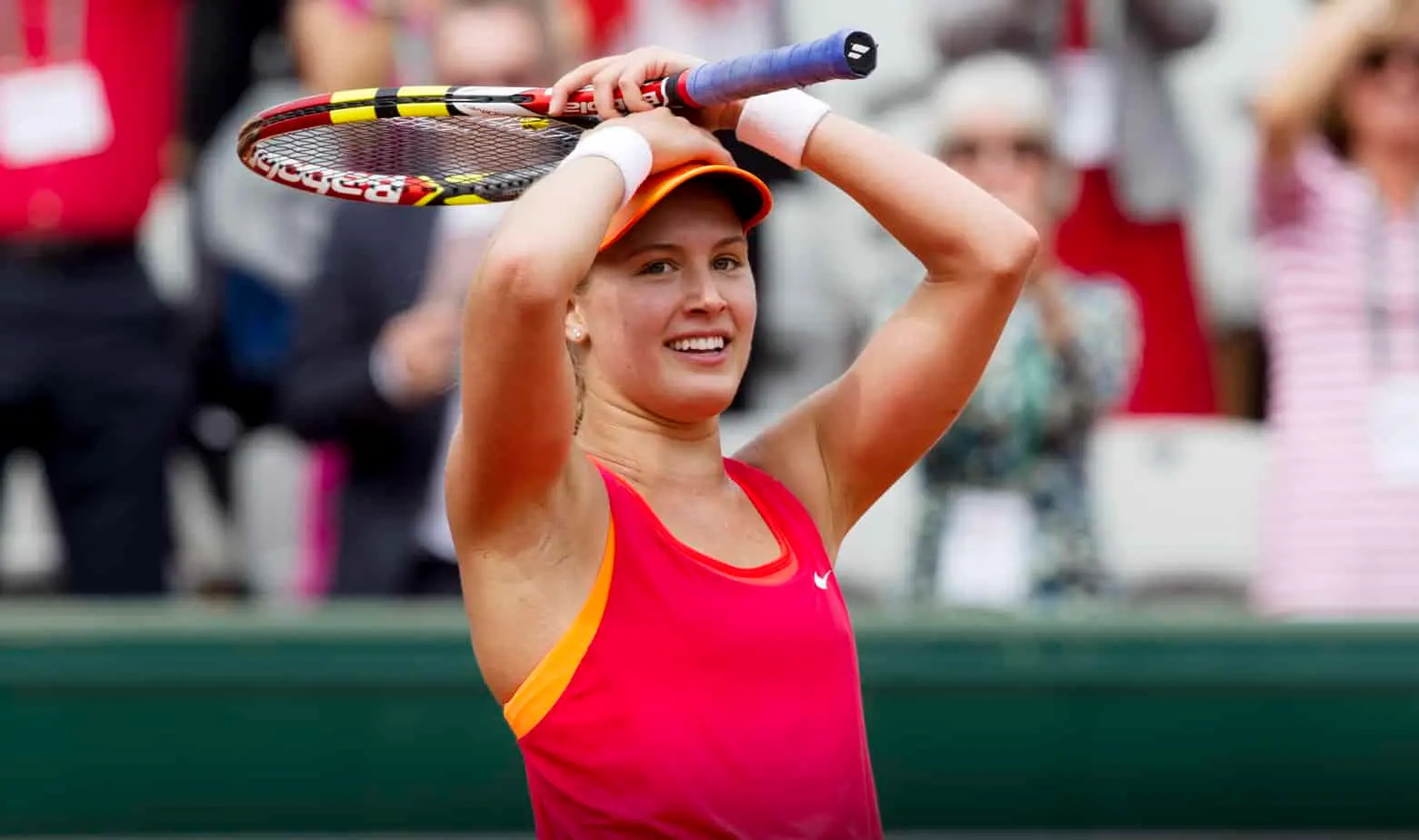
She elaborated on the psychological and physical differences in shot-making, particularly during high-stress moments in a match. In tennis, nerves can be managed by accelerating the racquet head and relying on physical exertion to reset the point. Pickleball, conversely, demands a technical "third shot drop" and touch, forcing athletes to decelerate precisely when their adrenaline urges them to swing freely.
Bouchard noted that even on her forehand, she is rarely "full swinging" the way she would in tennis. "Pickleball, you're always kind of holding yourself back. And I think it's actually tougher in stressful situations. Because in tennis, if I'm nervous, I'll hit through the ball and get my nerves out."
"In pickleball, you still have to do a third shot drop. You still have to hit 80%. Even on a forehand, I'm not full swinging the way I would swing in tennis," the 2014 Wimbledon runner-up added. "In tennis, you could step back. You could grind for a couple points. Get some shots. Get some consistency into your system. Pickleball, you're still trying to hit it and get to the net," she concluded.

Cristhián AvilaTennis Journalist
Cristhián Ávila is a tennis journalist based in Santiago, Chile, and has been part of the TennisUpToDate team since early 2023. He covers the ATP and WTA Tours as well as all four Grand Slams, producing breaking news, match reports, analysis, and regular liveblogs from major tournaments.
His reporting combines statistical analysis with clear explanation, helping readers understand tactical developments, player form, and broader storylines across the tour. Working fluently in both Spanish and English, Cristhián collaborates with an international editorial team and contributes to comprehensive global coverage. As part of his work, he has conducted interviews and media interactions with leading figures in the sport, including Caroline Wozniacki and John McEnroe.
In his journalism, Cristhián places strong emphasis on careful sourcing, editorial accuracy, and updating articles promptly when new, verified information becomes available. His coverage is grounded in research, context, and direct engagement with professional tennis.
claps 0visitors 0
Just In

Popular News
Latest Comments
- A healthy Qinwen may be hard to stop next season. She was already scaring her opponents before her medical leave(s). Unfortunately, Zheng insisted on singing again. On the positive side -- Mirra did not sing!! ;~}
 mandoist11-10-2026
 - Where is it written that athletes, entertainers... People in general... are mandated to keep looking at -- or even using [anti]Social Media? Public & private figures consistently complain and reveal their concerns about negativity and violence thrown at them -- yet they insist on participating. Avoid it, don't use it, don't read it. It's okay to occasionally look up at the World instead beating your eyes & thumbs to death on The Inventions out there.mandoist11-10-2026
- great articlestennisseserver07-10-2026
- Medvedev was leading Djokovic 7-5, 3-5 when an attempted return..' NO you ignorants, Djokovic was leading .weiss05-10-2026
- No more bullshit "Wildcards" to these two. Qualify like everyone else -- there will be cameras there, too. Time to scream... WTF ????!!!!mandoist29-09-2026
- Let's not BS the general public -- Sabalenka started showing cracks in her game last season. Her losses and near-losses started at about the same time she began being distracted by Fame (constant Selfies, making TV commercials, magazine shoots, endless Social Media nonsense, etc., etc.) One would think even Saba could recognize the parallels with others who failed before her -- Raducanu, Giorgi, Bouchard to name a few.mandoist25-09-2026
- Gross!! Hey Raducanu, Giorgi, and Bouchard -- reserve a seat at your Social Media Selfie table for Saba + Naomi. They're heading in your direction soon enough.mandoist24-09-2026
- And then these same players will complain about how lengthy their season’s were and need more time-off. I’m all for more tennis but the amount of tennis we get now is actually kind of crazy! We all need a break, especially the players.DaveyWavey23-09-2026
- You should do a comparison article for "different kinds of justice" the courts decide for tennis players. I can think of at least three players who received very small bans of a few months, however Tara Moore has been fighting for her literal survival the past few years. It seems odd considering she is not a "name" player, unlike the other cases.DaveyWavey22-09-2026
- PRIZE MONEY & POINTS Winner - $185,500 Finalist - $114,500 Semi-Finalist - $66,003 Quarter-Finalist - $35,000 Round of 16 - $18,045 Round of 32 - $13,005 Winner - 500 Finalist - 325 Semi-Finalist - 195 Quarter-Finalist - 108 Round of 16 - 60 Round of 32 - 1DaveyWavey20-09-2026

Loading