"Even though a lot of people may not think so, I know how to beat him": Alex de Minaur refuses to fear 0-13 H2H vs Jannik Sinner
ATP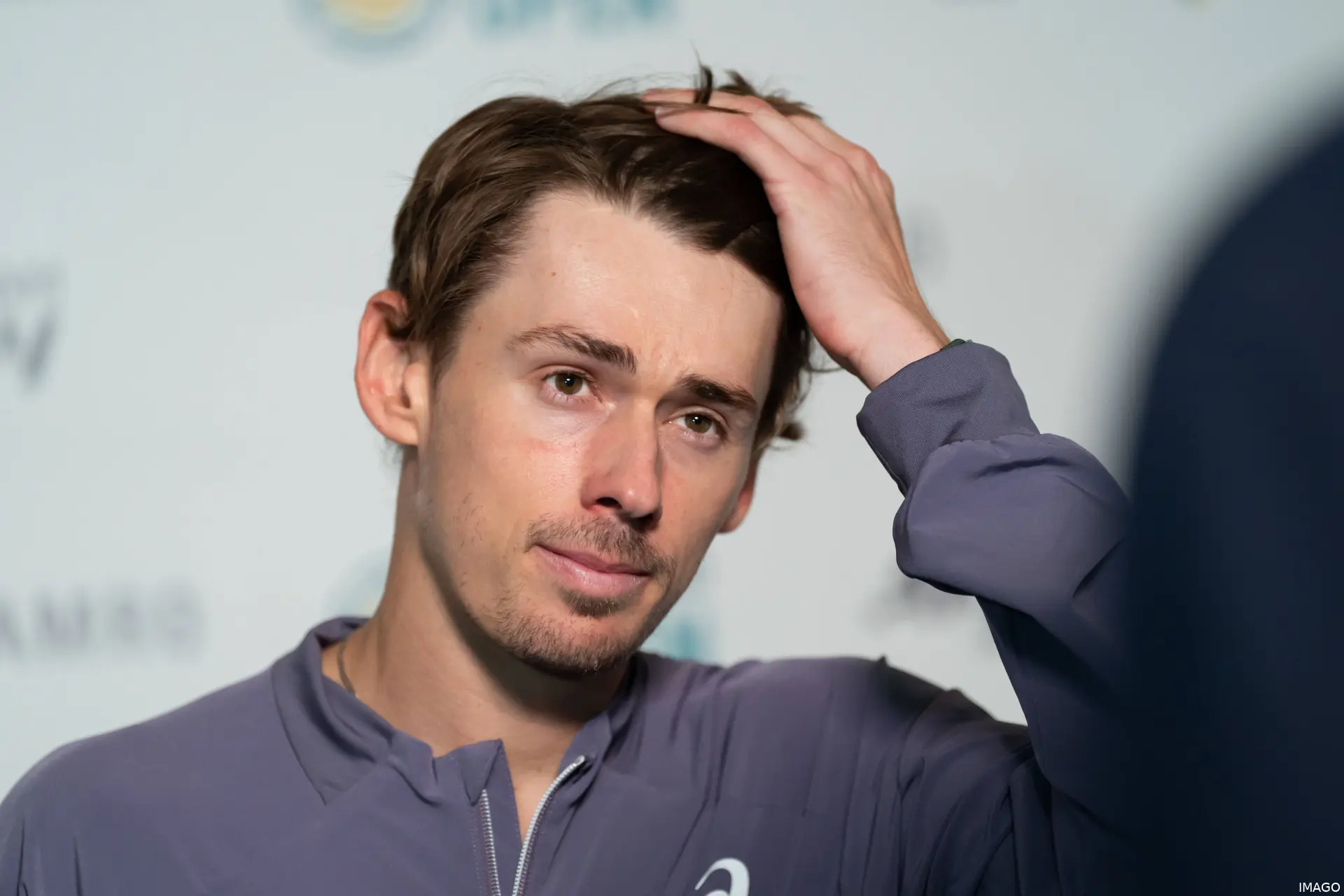
Alex de Minaur walked off the court in Turin knowing exactly how steep the climb had been — and how much steeper it would continue to be if he wants to break the Jannik Sinner code. The Australian once again fell to the defending ATP Finals champion, extending their head-to-head to 0-13, despite delivering one of his cleanest runs of the season. But as he explained, the frustration has transformed into clarity rather than defeatism.
The Australian insisted that the scoreboard does not fully capture how much he has improved or how close some moments felt. He acknowledged that Sinner is currently playing at an extraordinary level but remains convinced that the gap is not insurmountable. “Even though a lot of people may not think so, I know how to beat him,” he said. “It’s just not that easy to do, right? You’ve got to hit the ball very hard, very flat, very deep and very close to the line. So it is something that I try to do, but obviously it’s not the easiest thing.”
There was also a note of pride in the way he described his approach and evolution this season. De Minaur highlighted the emotional side of the year, drawing a contrast between moments of confidence and moments of strain. He admitted that maintaining belief against players like Sinner requires an elevated psychological edge. “You need to be brave; you need to commit to your patterns and trust the work you’ve put in,” he said.
Reflecting on the season overall, De Minaur stressed that progress and setbacks coexist in elite tennis. “It’s tough, of course. You go home and you think about what you could’ve done differently,” he said. “But losses like these hurt, and they motivate me even more. I’ve played some of the best tennis of my career. I’ve pushed myself physically, mentally, and I’ve come out stronger.”
Read also
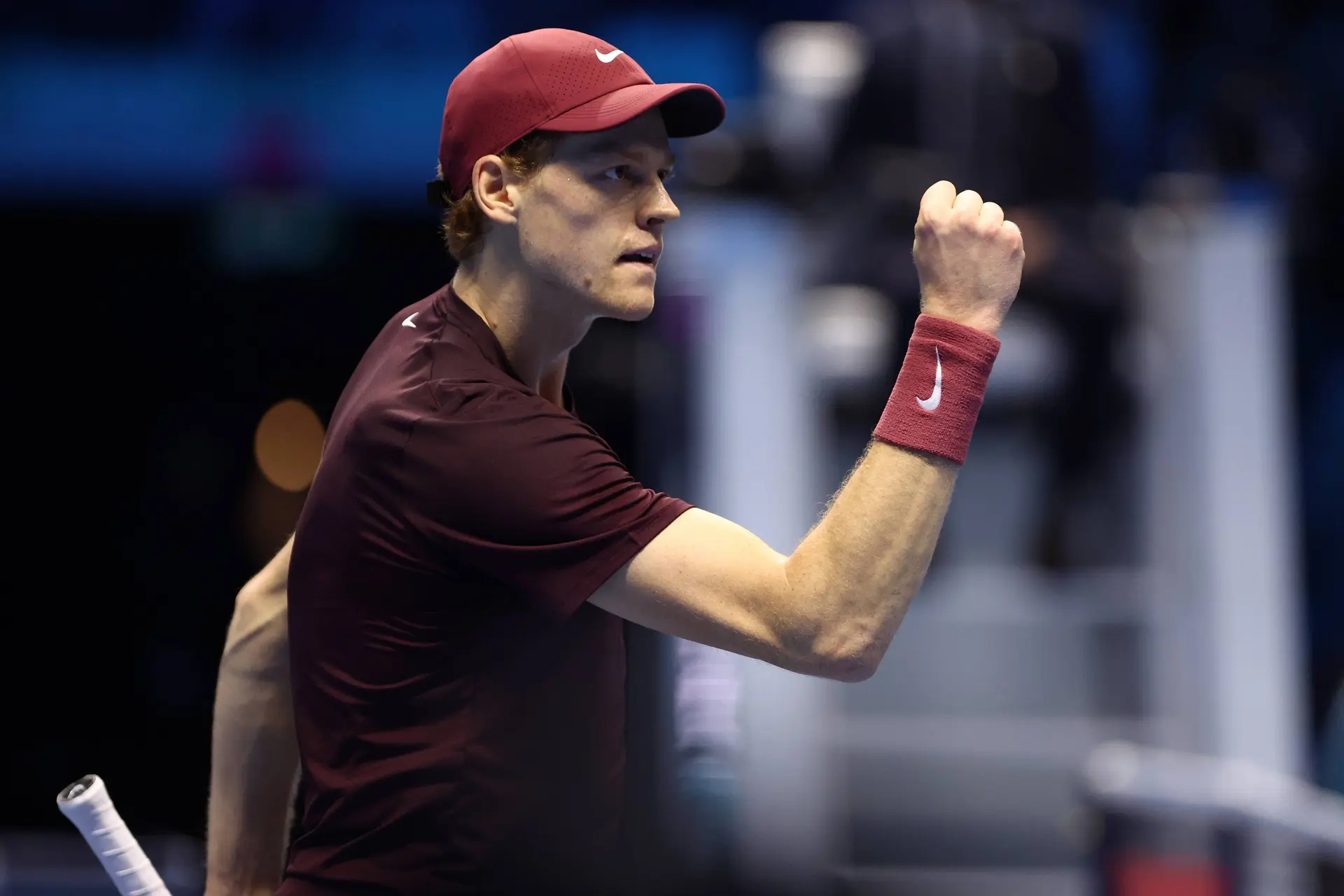
Sinner’s dominance and De Minaur’s reflection on the matchup
Alex de Minaur made clear that facing Jannik Sinner in Turin comes with layers of difficulty beyond tactics or pace. “He’s serving bigger, he’s hitting through the court like crazy, and he’s not giving you any free points,” he said. The conditions in Turin — quick, low-bouncing indoor hard courts — amplify Sinner’s strengths, and De Minaur admitted that he has often struggled to dictate. “He takes time away from you immediately. That’s what makes him so tough.”
Still, the Australian reiterated that the matchup is not unwinnable. “I do think for me to have genuine chances, I need to serve well throughout the whole match,” the world No. 7 added. “My serve dropped a little bit and could have been better.” In the first set, De Minaur landed 54% of his first serves, winning 72% of them, while in the second set his percentage fell to 48%, with just 43% effectiveness. Meanwhile, Sinner maintained over 80% success on first-serve points, averaging 78% service points won against De Minaur’s 58%.
He argued that the setbacks against Sinner — especially the latest in Turin — are part of the evolution he embraces. “Losses like these hurt, but they motivate me even more,” he added.
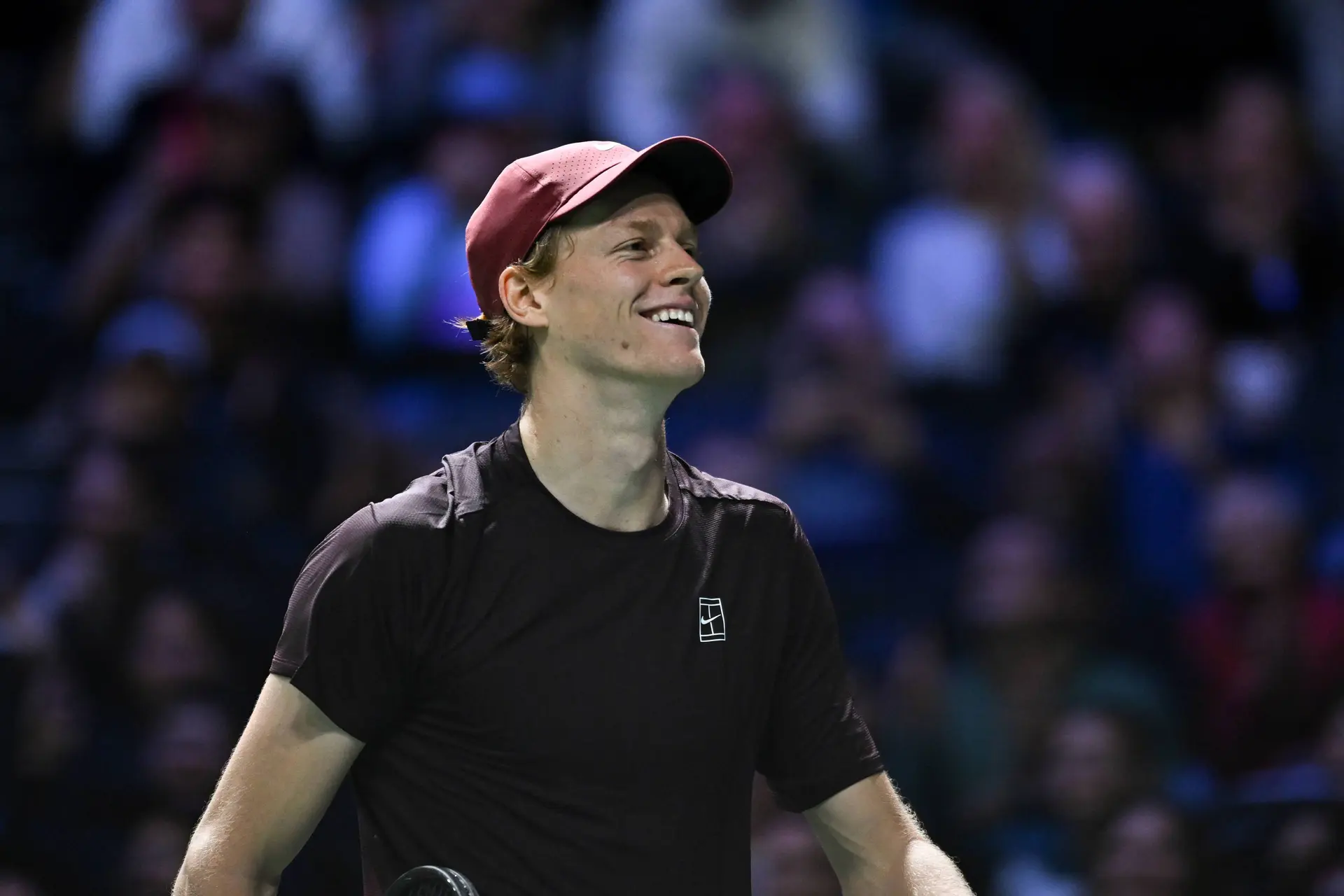
A season of growth despite brutal losses
De Minaur also reflected on the psychological process of facing the same opponent repeatedly without finding the breakthrough. “You need to be brave; you need to commit to your patterns and trust the work you’ve put in,” he said. “I feel like I should have finished my Turin campaign having won two matches instead of one. But you can’t really change the past. You’ve just got to do your best to learn from it, get back up and keep on heading forward. So that’s ultimately the goal now.”
As the 2026 season approaches, De Minaur believes he is closer to solving the Sinner puzzle than the numbers suggest. “I’ll get my chance again,” he said. “And when it comes, I’ll be ready.” The Australian ended by emphasizing that he draws as much fuel from defeat as from victory. “Nothing is guaranteed in this sport, but I know I’m improving. I know I’m on the right track. And I know I can beat these guys.”
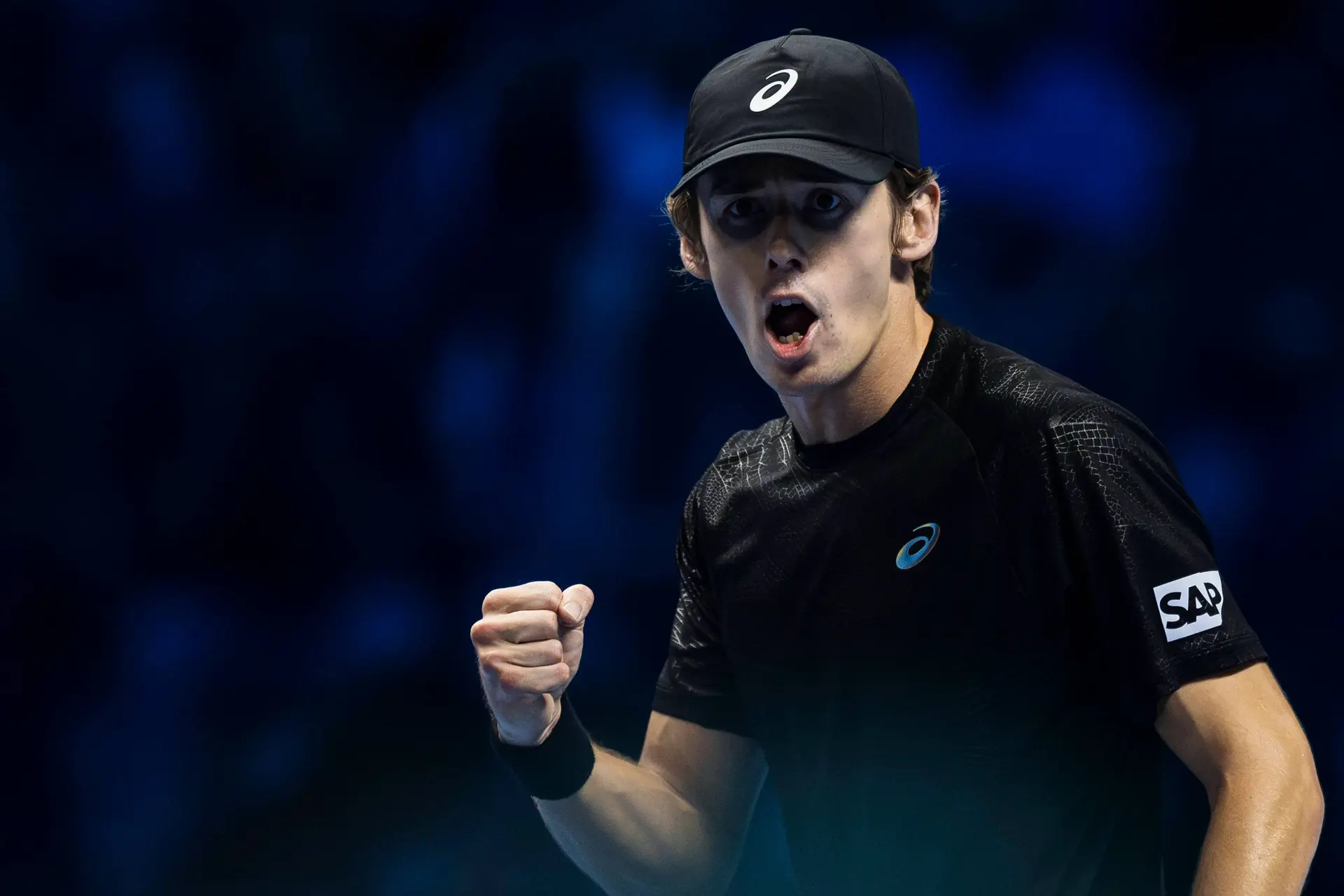

Cristhián AvilaTennis Journalist
Cristhián Ávila is a tennis journalist based in Santiago, Chile, and has been part of the TennisUpToDate team since early 2023. He covers the ATP and WTA Tours as well as all four Grand Slams, producing breaking news, match reports, analysis, and regular liveblogs from major tournaments.
His reporting combines statistical analysis with clear explanation, helping readers understand tactical developments, player form, and broader storylines across the tour. Working fluently in both Spanish and English, Cristhián collaborates with an international editorial team and contributes to comprehensive global coverage. As part of his work, he has conducted interviews and media interactions with leading figures in the sport, including Caroline Wozniacki and John McEnroe.
In his journalism, Cristhián places strong emphasis on careful sourcing, editorial accuracy, and updating articles promptly when new, verified information becomes available. His coverage is grounded in research, context, and direct engagement with professional tennis.
claps 0visitors 0
Just In



Popular News
Latest Comments
- A healthy Qinwen may be hard to stop next season. She was already scaring her opponents before her medical leave(s). Unfortunately, Zheng insisted on singing again. On the positive side -- Mirra did not sing!! ;~}
 mandoist11-10-2026
 - Where is it written that athletes, entertainers... People in general... are mandated to keep looking at -- or even using [anti]Social Media? Public & private figures consistently complain and reveal their concerns about negativity and violence thrown at them -- yet they insist on participating. Avoid it, don't use it, don't read it. It's okay to occasionally look up at the World instead beating your eyes & thumbs to death on The Inventions out there.mandoist11-10-2026
- great articlestennisseserver07-10-2026
- Medvedev was leading Djokovic 7-5, 3-5 when an attempted return..' NO you ignorants, Djokovic was leading .weiss05-10-2026
- No more bullshit "Wildcards" to these two. Qualify like everyone else -- there will be cameras there, too. Time to scream... WTF ????!!!!mandoist29-09-2026
- Let's not BS the general public -- Sabalenka started showing cracks in her game last season. Her losses and near-losses started at about the same time she began being distracted by Fame (constant Selfies, making TV commercials, magazine shoots, endless Social Media nonsense, etc., etc.) One would think even Saba could recognize the parallels with others who failed before her -- Raducanu, Giorgi, Bouchard to name a few.mandoist25-09-2026
- Gross!! Hey Raducanu, Giorgi, and Bouchard -- reserve a seat at your Social Media Selfie table for Saba + Naomi. They're heading in your direction soon enough.mandoist24-09-2026
- And then these same players will complain about how lengthy their season’s were and need more time-off. I’m all for more tennis but the amount of tennis we get now is actually kind of crazy! We all need a break, especially the players.DaveyWavey23-09-2026
- You should do a comparison article for "different kinds of justice" the courts decide for tennis players. I can think of at least three players who received very small bans of a few months, however Tara Moore has been fighting for her literal survival the past few years. It seems odd considering she is not a "name" player, unlike the other cases.DaveyWavey22-09-2026
- PRIZE MONEY & POINTS Winner - $185,500 Finalist - $114,500 Semi-Finalist - $66,003 Quarter-Finalist - $35,000 Round of 16 - $18,045 Round of 32 - $13,005 Winner - 500 Finalist - 325 Semi-Finalist - 195 Quarter-Finalist - 108 Round of 16 - 60 Round of 32 - 1DaveyWavey20-09-2026

Loading