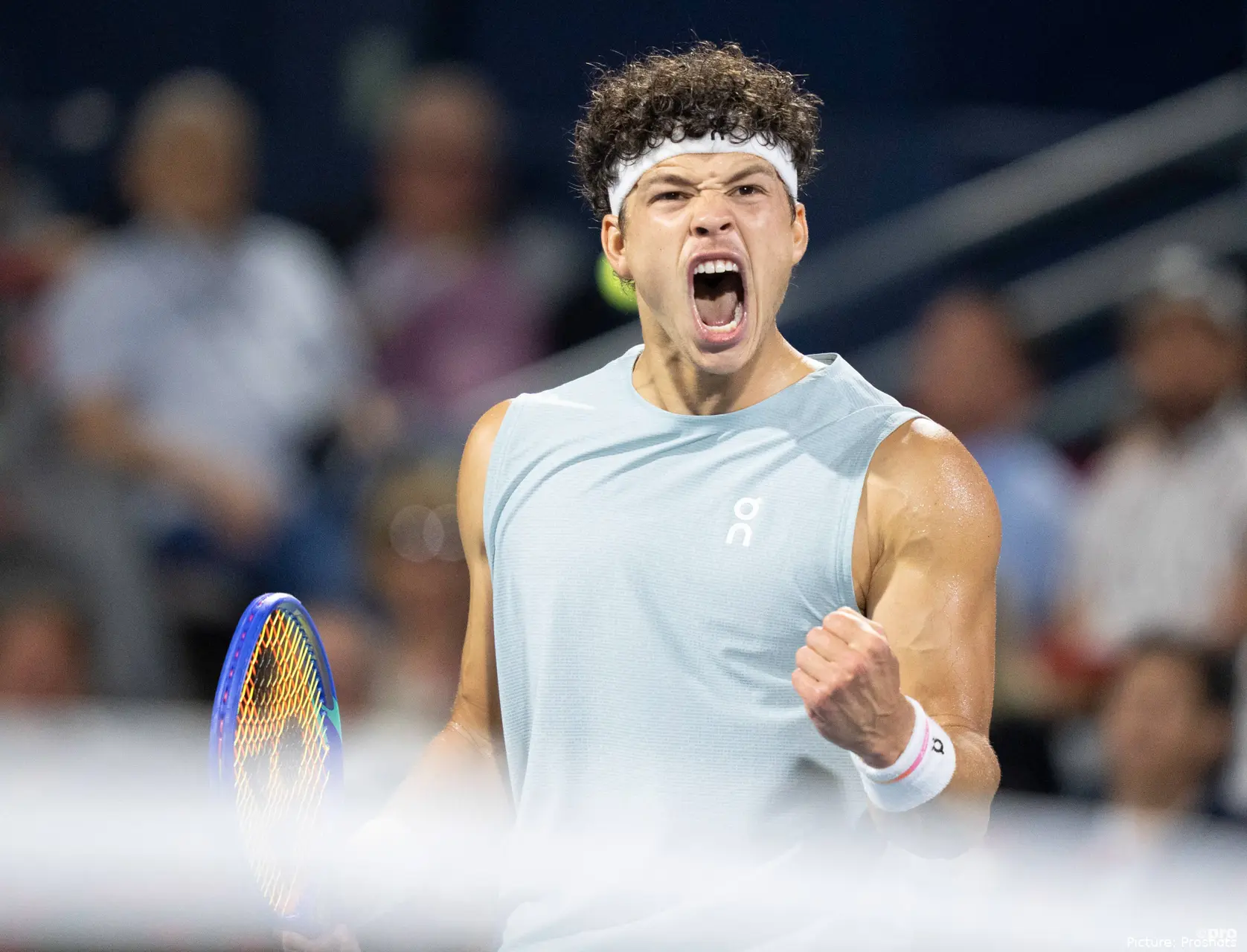
Canadian Open tournament director Karl Hale has defended the controversial 12-day Masters 1000 format despite another edition raising questions about whether the expanded schedule is working as intended. The tournament has faced criticism from players and fans over the longer events, while injuries and withdrawals have added to concerns about the demands of the ATP calendar.
Hale, however, believes the extended format is delivering what the tournament wants. With the Canadian Open now operating across two weeks, the director pointed to record attendance, strong ticket sales and the additional rest days available to players as evidence that the model is succeeding. “The longer model looks like it’s capturing more people. This is a record audience; it’s incredible,” Hale said.
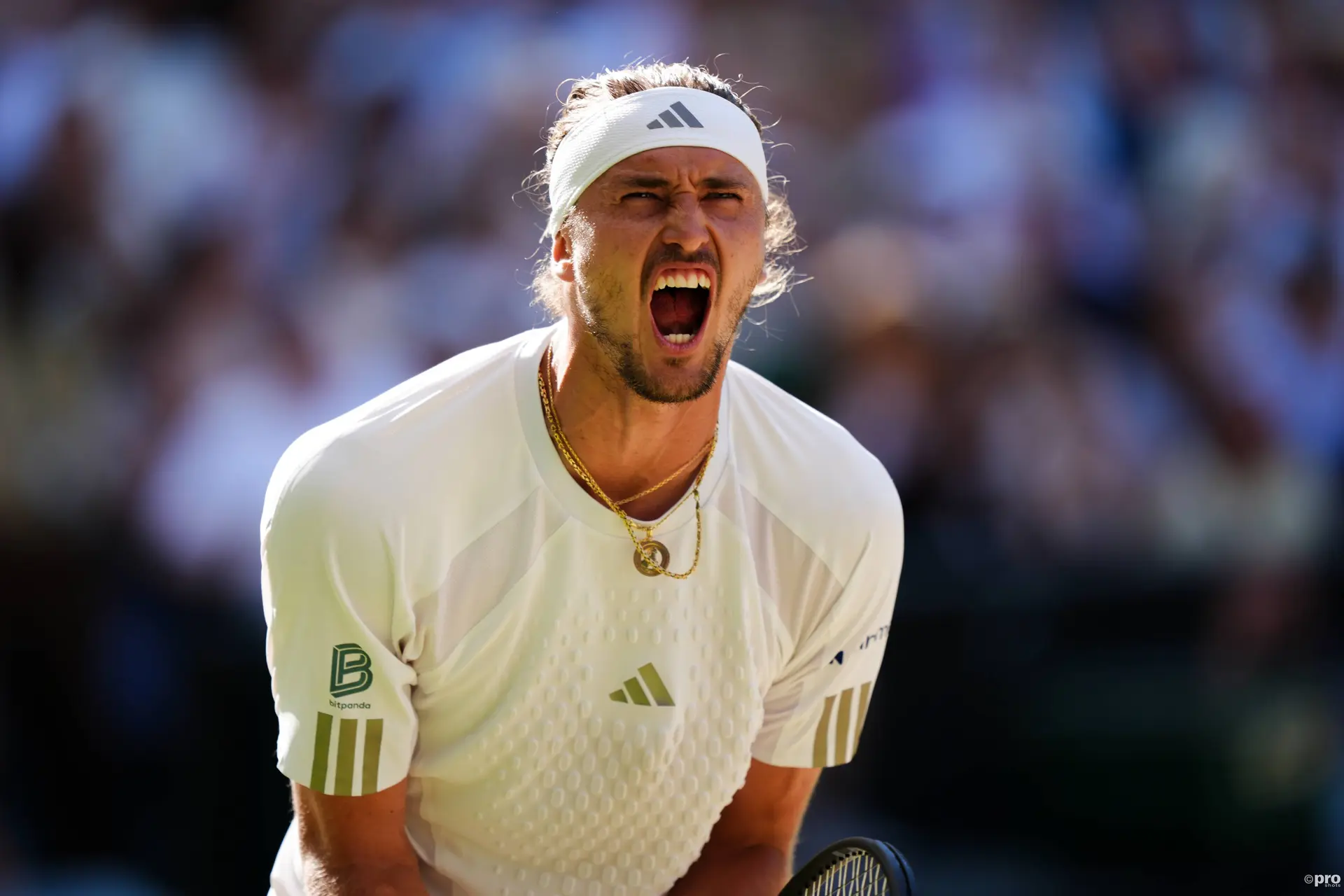
His defense comes after another Canadian Open affected by the absence of several of the ATP Tour's biggest names. Carlos Alcaraz missed the tournament because of injury, while Jannik Sinner and Novak Djokovic chose to skip the event to protect their physical condition ahead of the US Open. It was the second consecutive year in which all three were absent from the Canadian Masters 1000.
The tournament also lost several leading names early. Top seed Alexander Zverev failed to make a deep run, while second seed Felix Auger-Aliassime was forced to retire with an injury. Ben Shelton was ultimately the only top-10 player to reach the second week and went on to successfully defend his title, defeating Brandon Nakashima 6-3, 7-6 in Thursday night's final.
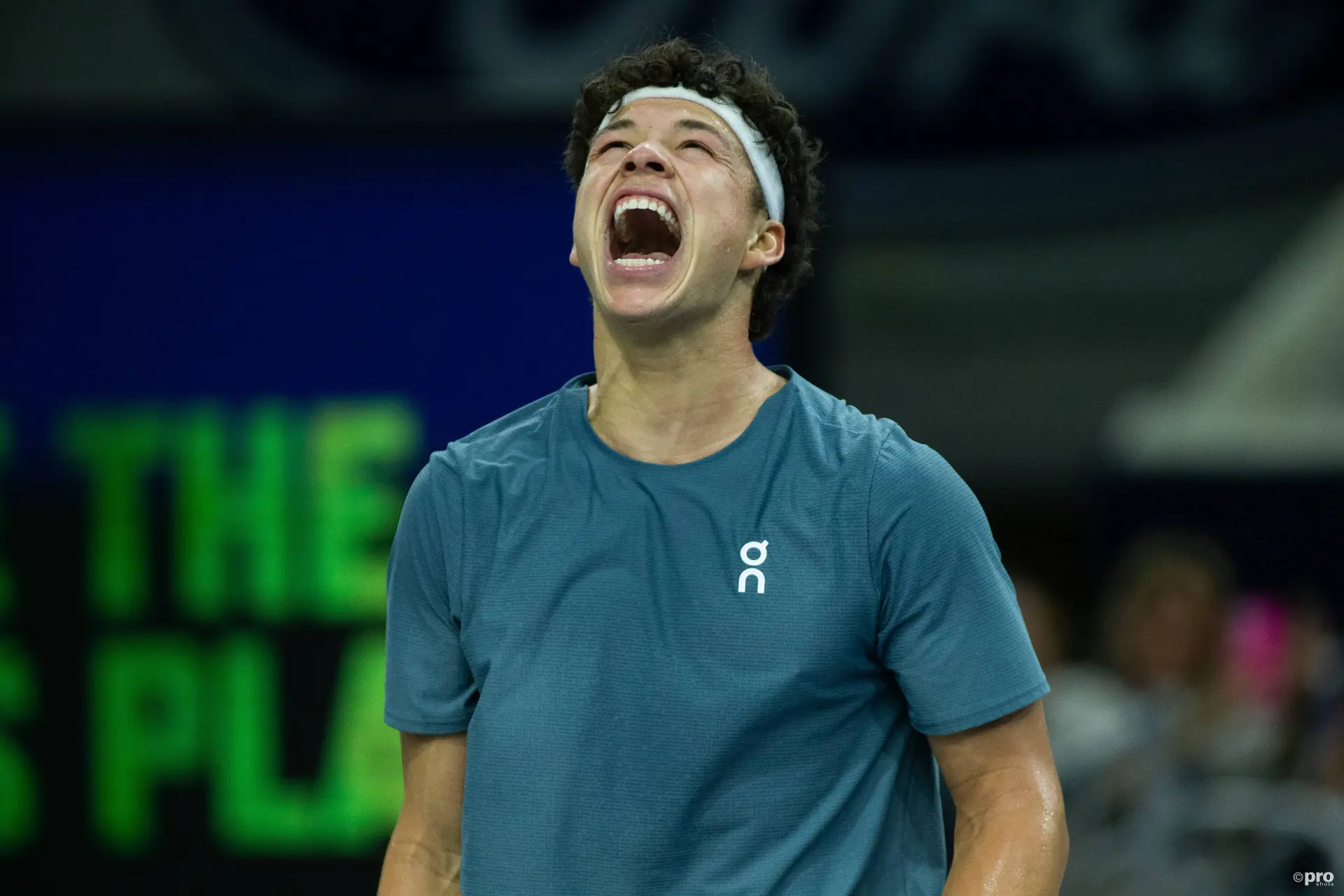
Karl Hale backs the two-week Masters 1000 model
The Canadian Open's extended format has been one of the most debated changes to the ATP calendar. The 12-day Masters 1000 events were introduced to create a longer tournament window, increase commercial opportunities and give players additional rest between matches. Critics, however, have questioned whether the model actually solves the calendar's congestion while also pointing to the physical toll of an increasingly long season.
Hale remains convinced that the benefits outweigh the criticism. “Yeah, I mean, I think our schedule's a little bit different than some of the other Masters Series. We have a tighter three weeks with Cincinnati, so we have to condense it a little bit,” the tournament director explained.

Shelton won his second Masters 1000 title, taking back-to-back Canadian Open titles in Toronto (2025) and Montreal (2026).
He specifically highlighted the tournament's Championship Week and its reception among players and spectators. “But we love this Championship Week. We've had great ticket sales. The players love it because they get the day to rest in the morning and have a great match.”
Hale also argued that the quality of the tennis during the final stages supported the format, pointing to the matches played late in the tournament. “As you saw last night, the matches were just unbelievable matches. Especially that first match was just really high-quality tennis. So, for now we're going to continue this for the foreseeable future.”
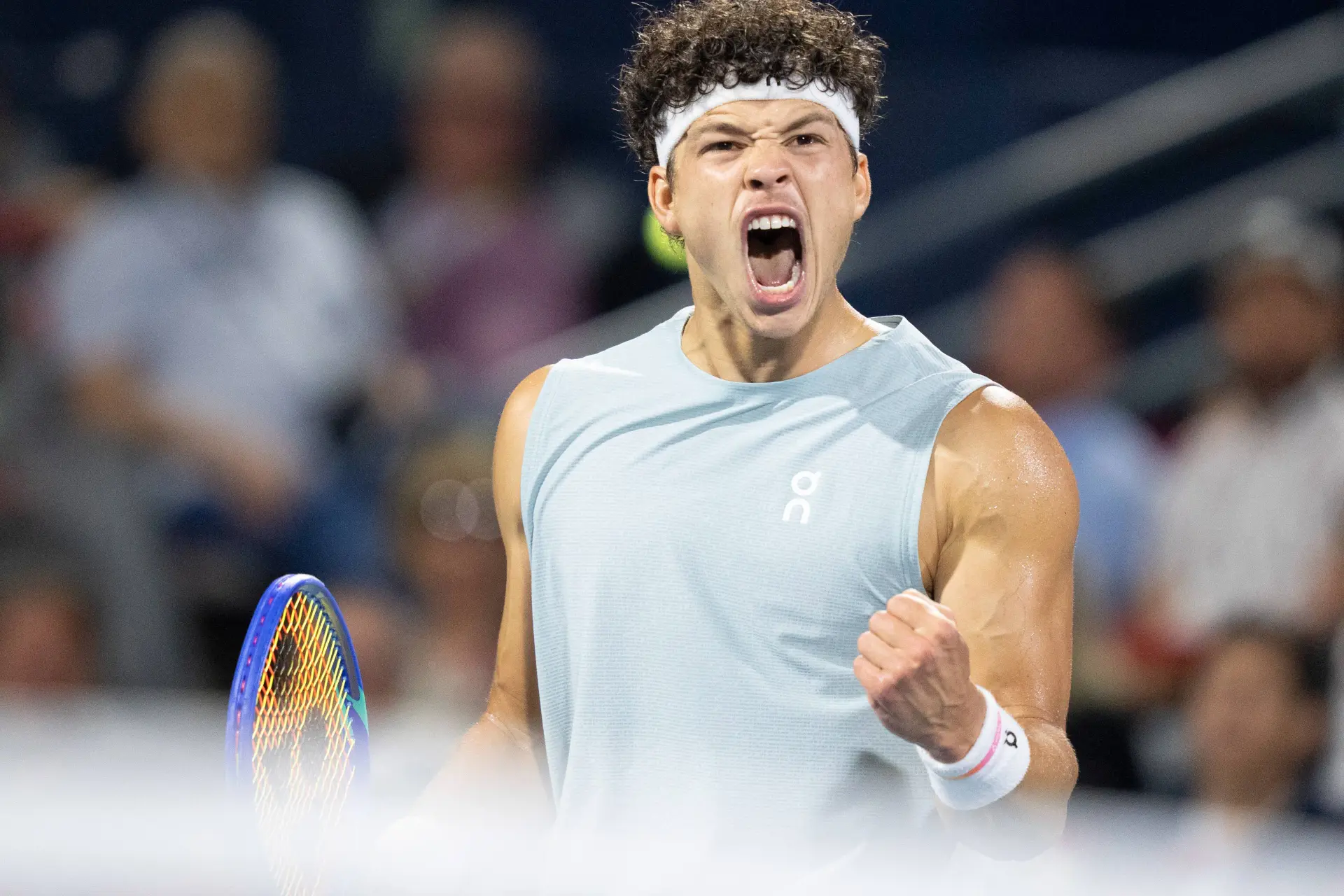
Star absences keep the debate alive
The biggest challenge to that argument remains the tournament's ability to attract the very best players. Sinner's decision was particularly notable because the Italian arrived in North America having won five consecutive Masters 1000 titles in 2026. Rather than risk his physical condition for another opportunity to extend that streak, he chose to prioritize the US Open.
Djokovic made the same calculation, while Alcaraz's absence was injury-related. One year after all three had also skipped the Canadian Open, the repeated pattern has inevitably intensified the debate over where Masters 1000 events fit into the priorities of the sport's biggest stars.
Hale acknowledged that attracting the elite remains essential. “We're a mandatory event. We want all of the top players here,” he said, revealing that tournament officials will meet with the tours in New York to discuss the issue.
The director nevertheless believes the two-week model is helping Canadian tennis grow, particularly with the emergence of Felix Auger-Aliassime and Victoria Mboko. “The sport in Canada has grown tremendously, the tournament has grown tremendously. We have Canadian stars now with Felix and Vicky. Women's tennis has grown a lot.”
For now, Hale's position is clear: despite the criticism, the Canadian Open intends to keep the 12-day format. The question is whether the rest of the ATP Tour — particularly its biggest stars — will continue to view the tournament as a priority.

Cristhián AvilaTennis Journalist
Cristhián Ávila is a tennis journalist based in Santiago, Chile, and has been part of the TennisUpToDate team since early 2023. He covers the ATP and WTA Tours as well as all four Grand Slams, producing breaking news, match reports, analysis, and regular liveblogs from major tournaments.
His reporting combines statistical analysis with clear explanation, helping readers understand tactical developments, player form, and broader storylines across the tour. Working fluently in both Spanish and English, Cristhián collaborates with an international editorial team and contributes to comprehensive global coverage. As part of his work, he has conducted interviews and media interactions with leading figures in the sport, including Caroline Wozniacki and John McEnroe.
In his journalism, Cristhián places strong emphasis on careful sourcing, editorial accuracy, and updating articles promptly when new, verified information becomes available. His coverage is grounded in research, context, and direct engagement with professional tennis.
claps 0visitors 0
Just In


Popular News
Latest Comments
- Two Things: 1. Stop allowing these Spoiled Trust-Fund Elitists to behave badly. Your little hand-slaps do not deter them. 2. STOP the incessantly annoying "towel wiping" nonsense!!!!
 mandoist15-10-2026
 - A healthy Qinwen may be hard to stop next season. She was already scaring her opponents before her medical leave(s). Unfortunately, Zheng insisted on singing again. On the positive side -- Mirra did not sing!! ;~}mandoist11-10-2026
- Where is it written that athletes, entertainers... People in general... are mandated to keep looking at -- or even using [anti]Social Media? Public & private figures consistently complain and reveal their concerns about negativity and violence thrown at them -- yet they insist on participating. Avoid it, don't use it, don't read it. It's okay to occasionally look up at the World instead beating your eyes & thumbs to death on The Inventions out there.mandoist11-10-2026
- great articlestennisseserver07-10-2026
- Medvedev was leading Djokovic 7-5, 3-5 when an attempted return..' NO you ignorants, Djokovic was leading .weiss05-10-2026
- No more bullshit "Wildcards" to these two. Qualify like everyone else -- there will be cameras there, too. Time to scream... WTF ????!!!!mandoist29-09-2026
- Let's not BS the general public -- Sabalenka started showing cracks in her game last season. Her losses and near-losses started at about the same time she began being distracted by Fame (constant Selfies, making TV commercials, magazine shoots, endless Social Media nonsense, etc., etc.) One would think even Saba could recognize the parallels with others who failed before her -- Raducanu, Giorgi, Bouchard to name a few.mandoist25-09-2026
- Gross!! Hey Raducanu, Giorgi, and Bouchard -- reserve a seat at your Social Media Selfie table for Saba + Naomi. They're heading in your direction soon enough.mandoist24-09-2026
- And then these same players will complain about how lengthy their season’s were and need more time-off. I’m all for more tennis but the amount of tennis we get now is actually kind of crazy! We all need a break, especially the players.DaveyWavey23-09-2026
- You should do a comparison article for "different kinds of justice" the courts decide for tennis players. I can think of at least three players who received very small bans of a few months, however Tara Moore has been fighting for her literal survival the past few years. It seems odd considering she is not a "name" player, unlike the other cases.DaveyWavey22-09-2026

Loading