“I can’t comment on something I wasn’t part of”: Novak Djokovic distances himself from media protest
ATP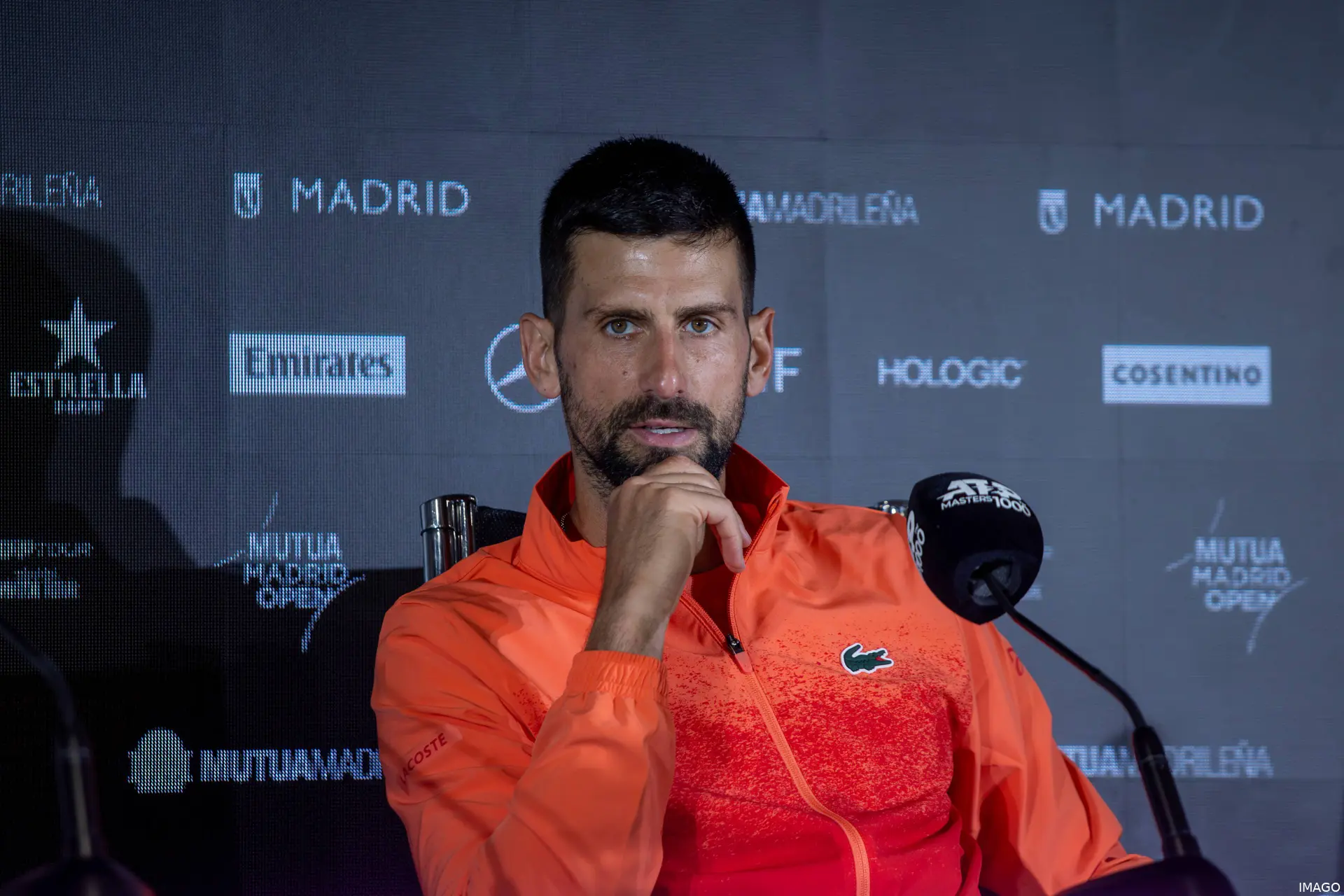
Novak Djokovic marked his 39th birthday with media duties while continuing preparations for Roland Garros, where he once again enters with Grand Slam competition as the central objective of his season. The Serbian underlined that his focus remains firmly on best-of-five performance after a demanding period of training following Rome.
It is a year marked by injuries, and he has only played two tournaments since reaching the Australian Open final in January. Indian Wells in March and the Rome Open at the beginning of May. In his commitment in the Italian capital, he lost in the first round against Dino Prizmic, meaning he arrives at Roland Garros without clay-court victories so far.
However, the main topic of Djokovic’s press conference was the players’ “media protest” over prize money. Top players have organised themselves to limit their media appearances – including press conferences to a maximum of 15 minutes.
The 24-time Grand Slam champion stated that he is not part of the protest, and therefore had no plans to limit his press appearances – although he reiterated his support for players seeking improvements in prize money distribution at Grand Slam tournaments, while acknowledging that he is somewhat outside the centre of the discussion this time.
Media boycott debate and player representation
Djokovic was asked about the ongoing 15-minute media limitation reportedly adopted by a group of top players as a coordinated form of protest linked to prize money distribution and tour governance discussions. Aryna Sabalenka, Jannik Sinner and Coco Gauff are among the names who have spoken openly about their dissatisfaction with prize distribution – which currently stands at only around 14% of total revenue for players.
Djokovic – who had already expressed his support for players – explicitly distanced himself from the initiative. “No, I’m not part of that. I cannot comment on something that I was not part of,” he said in press conference. “I can answer that if you want. It’s probably for my birthday or something. I haven’t been part of that. I haven’t been part of the process, the conversation, the planning, or the decision-making. So I can’t comment on that, to be honest.”
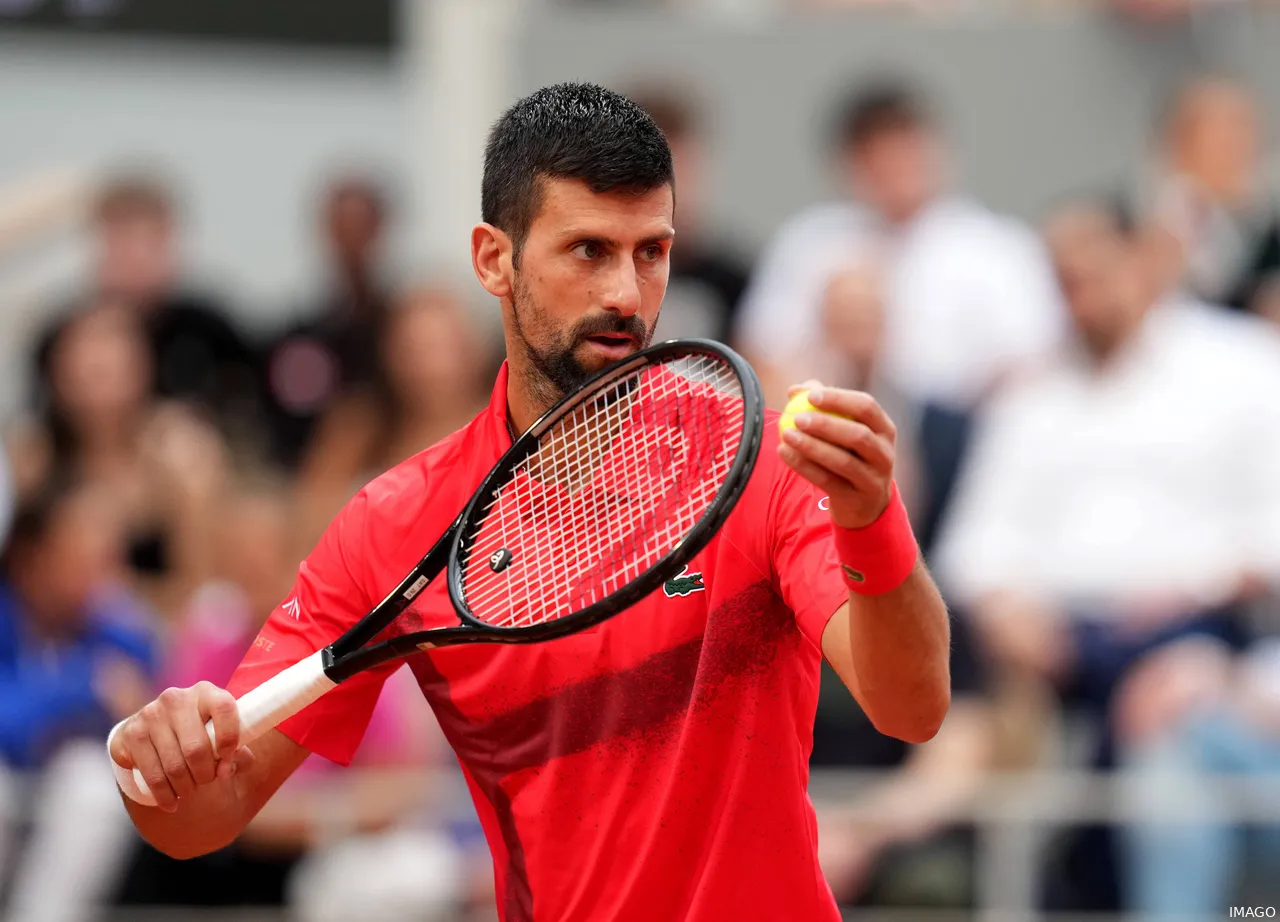
Despite that, Djokovic reiterated his long-standing position in favour of player rights, emphasising representation across all ranking levels rather than exclusively top-tier athletes. “What I can do is reiterate my own position that I’ve said many times before. As a player, which has been my primary role in this sport for so many years, I’ve always been on the players’ side. I’ve always tried to advocate for players’ rights and a better future for players.”
He highlighted a structural imbalance in professional tennis, where lower-ranked players often struggle financially compared to the top of the game, arguing that discussions frequently overlook this segment.
“But not only top players—players across all rankings, across all fields, particularly tier-one professional tennis players on both the men’s and women’s side that are lower ranked, that are often forgotten about.”
“We tend to, when I say we I mean including media and all of the interested sides of the tennis world at the highest level, talk about prize money cuts and how much the top players are earning or not earning,” the Serbian added. “But we tend to forget how few people can actually live from this sport.”
Governance fragmentation and future structure of tennis
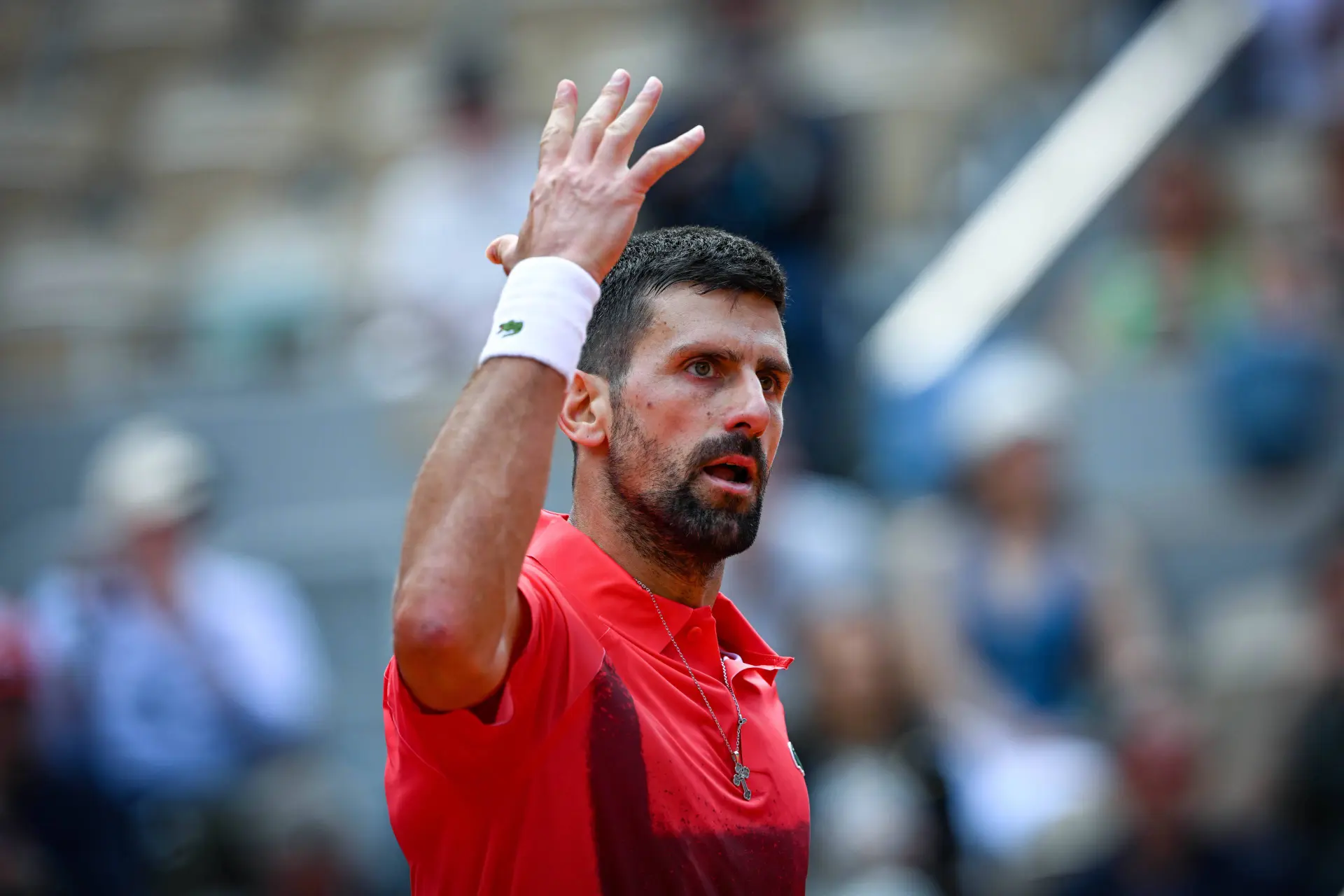
Djokovic expanded his comments into broader governance concerns, describing the current organisational model of professional tennis as fragmented and inefficient. He warned that further division among stakeholders could damage long-term development.
“If we want to nurture the future, if we want players to thrive from this sport—not just survive—and if we want to increase and improve the sport as a whole, and increase the number of kids who want to enroll themselves into the journey of becoming professional tennis players, then we have to discuss how we grow the sport at grassroots level.”
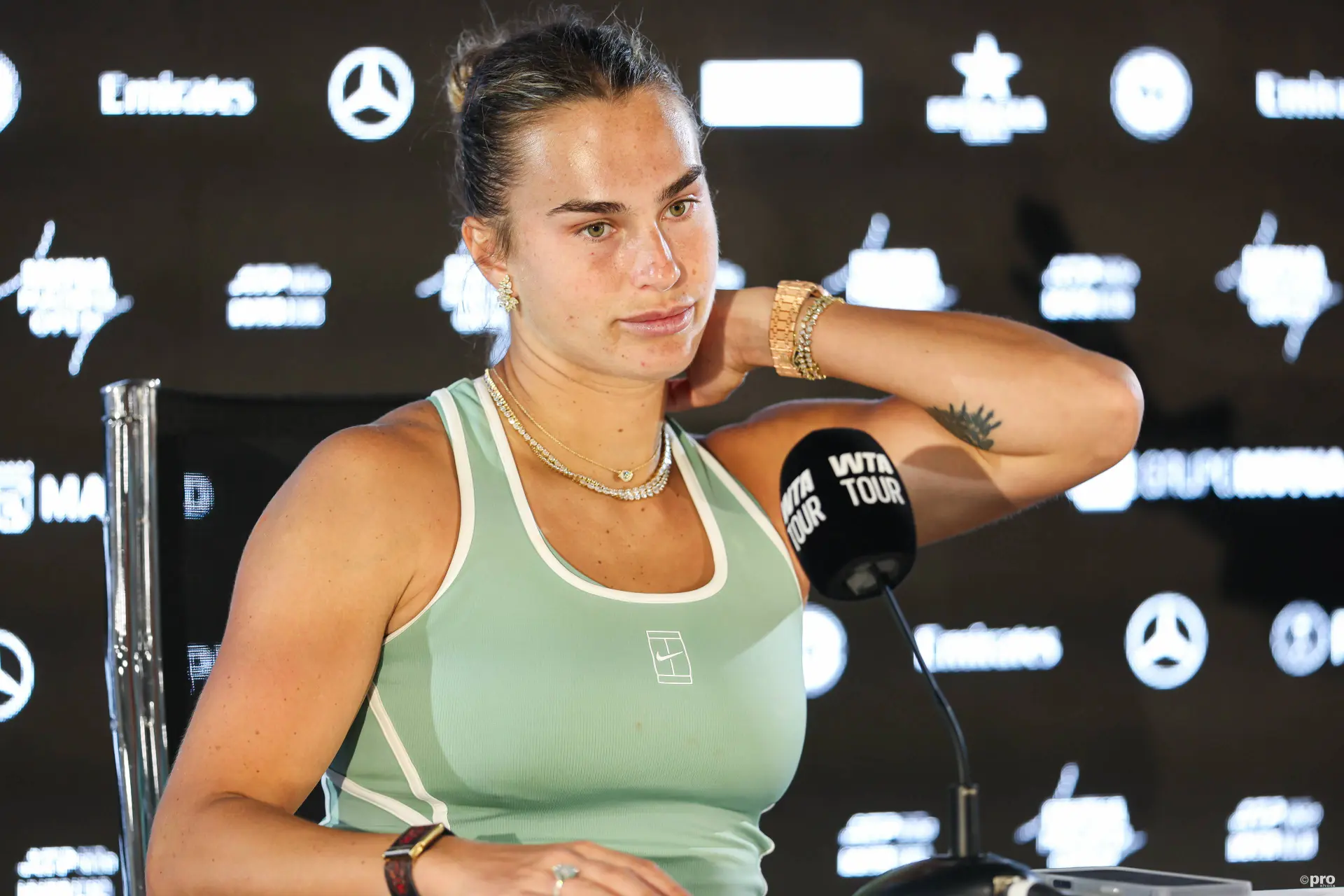
Djokovic also expressed concern about ongoing fragmentation between institutions, describing it as harmful to long-term stability and clarity within professional tennis governance. “We are very fragmented. It’s already complex enough as a sport in terms of structure and regulation. Further fragmentation is really hurting me personally. I don’t like to see that.”
He referenced golf as an example of a sport navigating similar governance challenges, suggesting that tennis could learn from its handling of competing tours and player participation restrictions. “But let’s learn from golf. I think golf is a good example of a professional individual global sport that has been, and is still, going through very challenging times in terms of governance and splitting tours, and players being able to participate in only one tour if they go to another.”
“We’ve seen what’s happening, so let’s learn from that. Let’s try to be more united and have a unifying voice in finding better structure and a better future for our sport, because now is the right time.
"That’s the sentiment I feel," the world No. 4 added. "It’s not one or two isolated things happening. There are a lot of rumours and sentiment around changes in the sport. I think it’s something inevitable, so hopefully we’ll be able to do it with the least turbulence possible.”

Cristhián AvilaTennis Journalist
Cristhián Ávila is a tennis journalist based in Santiago, Chile, and has been part of the TennisUpToDate team since early 2023. He covers the ATP and WTA Tours as well as all four Grand Slams, producing breaking news, match reports, analysis, and regular liveblogs from major tournaments.
His reporting combines statistical analysis with clear explanation, helping readers understand tactical developments, player form, and broader storylines across the tour. Working fluently in both Spanish and English, Cristhián collaborates with an international editorial team and contributes to comprehensive global coverage. As part of his work, he has conducted interviews and media interactions with leading figures in the sport, including Caroline Wozniacki and John McEnroe.
In his journalism, Cristhián places strong emphasis on careful sourcing, editorial accuracy, and updating articles promptly when new, verified information becomes available. His coverage is grounded in research, context, and direct engagement with professional tennis.
claps 0visitors 0
Just In

Popular News
Latest Comments
- A healthy Qinwen may be hard to stop next season. She was already scaring her opponents before her medical leave(s). Unfortunately, Zheng insisted on singing again. On the positive side -- Mirra did not sing!! ;~}
 mandoist11-10-2026
 - Where is it written that athletes, entertainers... People in general... are mandated to keep looking at -- or even using [anti]Social Media? Public & private figures consistently complain and reveal their concerns about negativity and violence thrown at them -- yet they insist on participating. Avoid it, don't use it, don't read it. It's okay to occasionally look up at the World instead beating your eyes & thumbs to death on The Inventions out there.mandoist11-10-2026
- great articlestennisseserver07-10-2026
- Medvedev was leading Djokovic 7-5, 3-5 when an attempted return..' NO you ignorants, Djokovic was leading .weiss05-10-2026
- No more bullshit "Wildcards" to these two. Qualify like everyone else -- there will be cameras there, too. Time to scream... WTF ????!!!!mandoist29-09-2026
- Let's not BS the general public -- Sabalenka started showing cracks in her game last season. Her losses and near-losses started at about the same time she began being distracted by Fame (constant Selfies, making TV commercials, magazine shoots, endless Social Media nonsense, etc., etc.) One would think even Saba could recognize the parallels with others who failed before her -- Raducanu, Giorgi, Bouchard to name a few.mandoist25-09-2026
- Gross!! Hey Raducanu, Giorgi, and Bouchard -- reserve a seat at your Social Media Selfie table for Saba + Naomi. They're heading in your direction soon enough.mandoist24-09-2026
- And then these same players will complain about how lengthy their season’s were and need more time-off. I’m all for more tennis but the amount of tennis we get now is actually kind of crazy! We all need a break, especially the players.DaveyWavey23-09-2026
- You should do a comparison article for "different kinds of justice" the courts decide for tennis players. I can think of at least three players who received very small bans of a few months, however Tara Moore has been fighting for her literal survival the past few years. It seems odd considering she is not a "name" player, unlike the other cases.DaveyWavey22-09-2026
- PRIZE MONEY & POINTS Winner - $185,500 Finalist - $114,500 Semi-Finalist - $66,003 Quarter-Finalist - $35,000 Round of 16 - $18,045 Round of 32 - $13,005 Winner - 500 Finalist - 325 Semi-Finalist - 195 Quarter-Finalist - 108 Round of 16 - 60 Round of 32 - 1DaveyWavey20-09-2026

Loading