“I still feel capable of competing with younger players”: Novak Djokovic explains late-career adjustment
ATPSunday, 12 April 2026 at 06:30
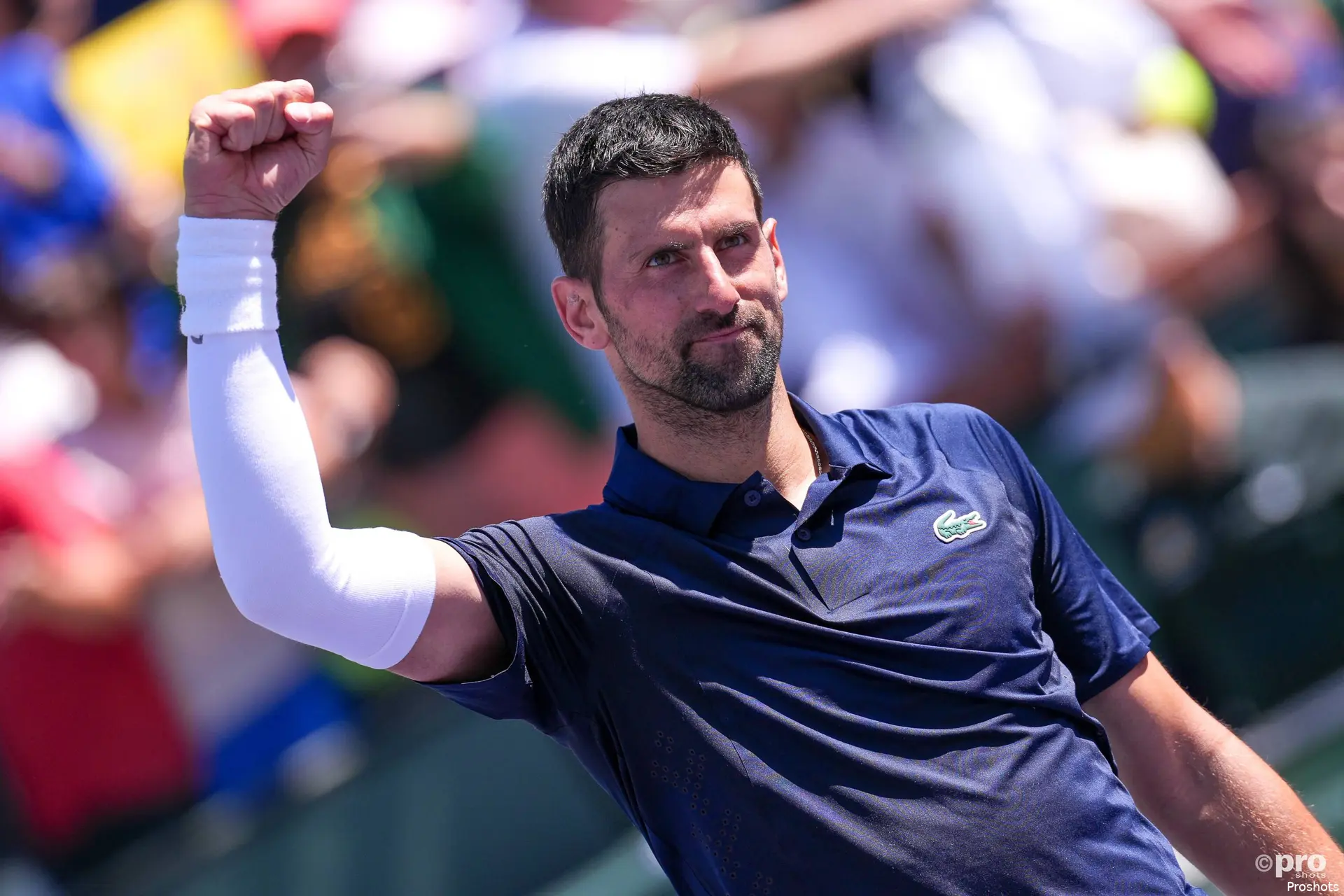
Novak Djokovic last competed at Indian Wells, where his 2026 campaign stalled after a strong start that included a run to the Australian Open final. Since then, the Serbian has withdrawn from both Miami and Monte-Carlo, managing physical issues that have interrupted his schedule during the early stages of the season.
A return at the Madrid Open is currently expected, although not yet fully confirmed. Djokovic’s limited activity reflects a deliberate adjustment rather than a full absence, as he continues to balance recovery with selective competition. At 38, his calendar is increasingly shaped by readiness rather than continuity, with fewer events but targeted preparation.
That shift comes alongside a broader evolution in how Djokovic approaches performance. Rather than isolating tennis from external factors, he now frames results as closely linked to his internal state, particularly during periods of disrupted rhythm.
He describes that connection in direct terms, highlighting how performance is no longer defined purely by physical condition or match sharpness.
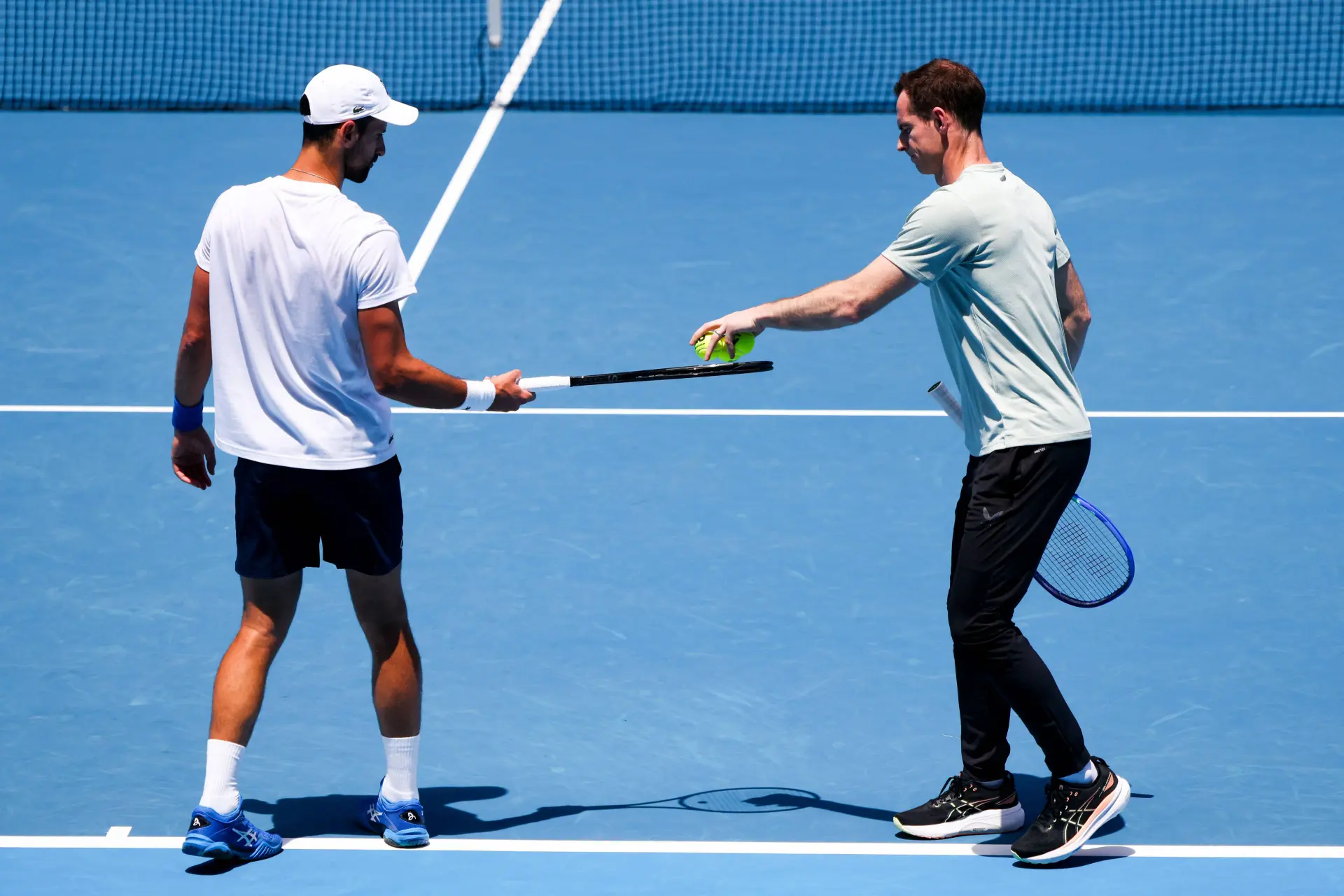
Mental balance now central to Djokovic’s performance model
Djokovic places increasing emphasis on mental and emotional stability as a prerequisite for competing at the highest level. This perspective has become more prominent as his schedule has required greater flexibility and adaptation. “Over the years, I’ve learnt that mental and emotional well-being is everything," the 24-time Grand Slam champion said to Esquire. "On the court and off the court, it’s the same person. If something is not right inside, it shows in my tennis, there’s no doubt about it.”
The Serbian frames this evolution as a gradual process rather than a reaction to recent setbacks. His focus has shifted toward managing both performance and expectations across a longer timeframe, particularly as physical demands remain constant while recovery windows narrow.
That approach includes a greater acceptance of limitations, without lowering competitive standards. Djokovic describes this balance as essential to sustaining performance deep into his career. “For me, finding that balance came from taking a more holistic approach and accepting that I’m human. I make mistakes, I have weaknesses, and that’s okay. To be strong, courageous, and successful, you also must allow yourself to be vulnerable.”
Motivation remains unchanged despite injuries and reduced schedule
Despite an interrupted 2026 season, Djokovic maintains that his competitive drive has not diminished. His run to the Australian Open final earlier this year reinforced his ability to compete at Grand Slam level, even within a reduced schedule. “But I don’t feel like I’ve ‘completed’ tennis.”
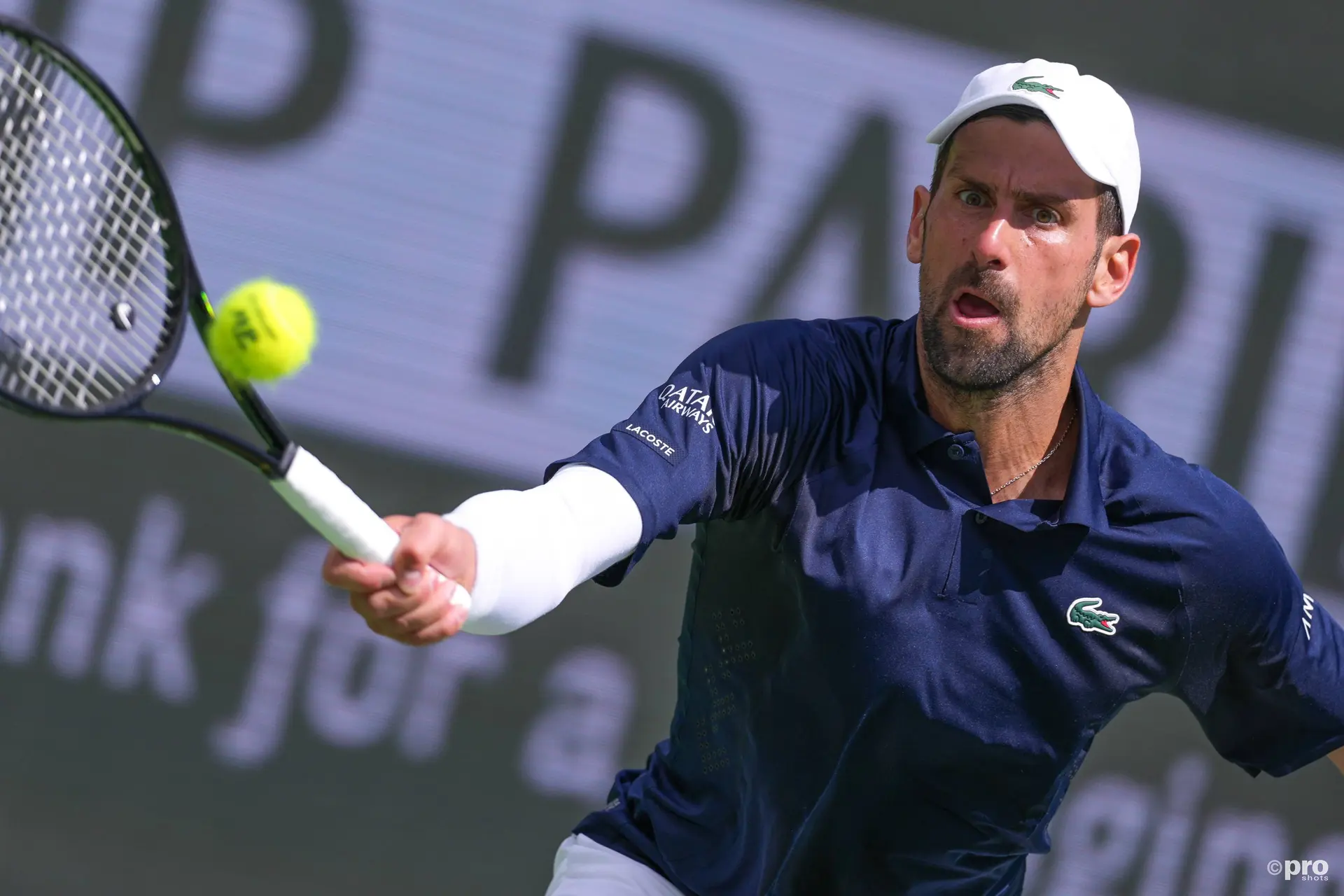
That statement underlines his continued commitment to the sport, particularly in a landscape increasingly defined by younger contenders. Djokovic continues to frame competition itself as the primary source of motivation, rather than external milestones.
He also highlights the ongoing appeal of testing himself against the next generation, positioning it as a central factor in his decision to continue competing.
“What keeps me going is first and foremost my love for the game," he added. "Tennis has been my life for so long, and I still enjoy every moment on the court. I love the competition, I love the challenge, and I still feel strong and capable of competing with the younger players – that’s a big part of the fun for me.”
Smarter preparation defines Djokovic’s next phase
Djokovic’s current approach to preparation reflects a clear shift toward efficiency. Withdrawals from Miami and Monte-Carlo underline a focus on long-term physical management rather than short-term results. “At this stage of my career, preparation isn’t just about training harder. It’s about training smarter, listening to my body, and making sure I’m at my best physically and mentally so I can compete at the highest level.”
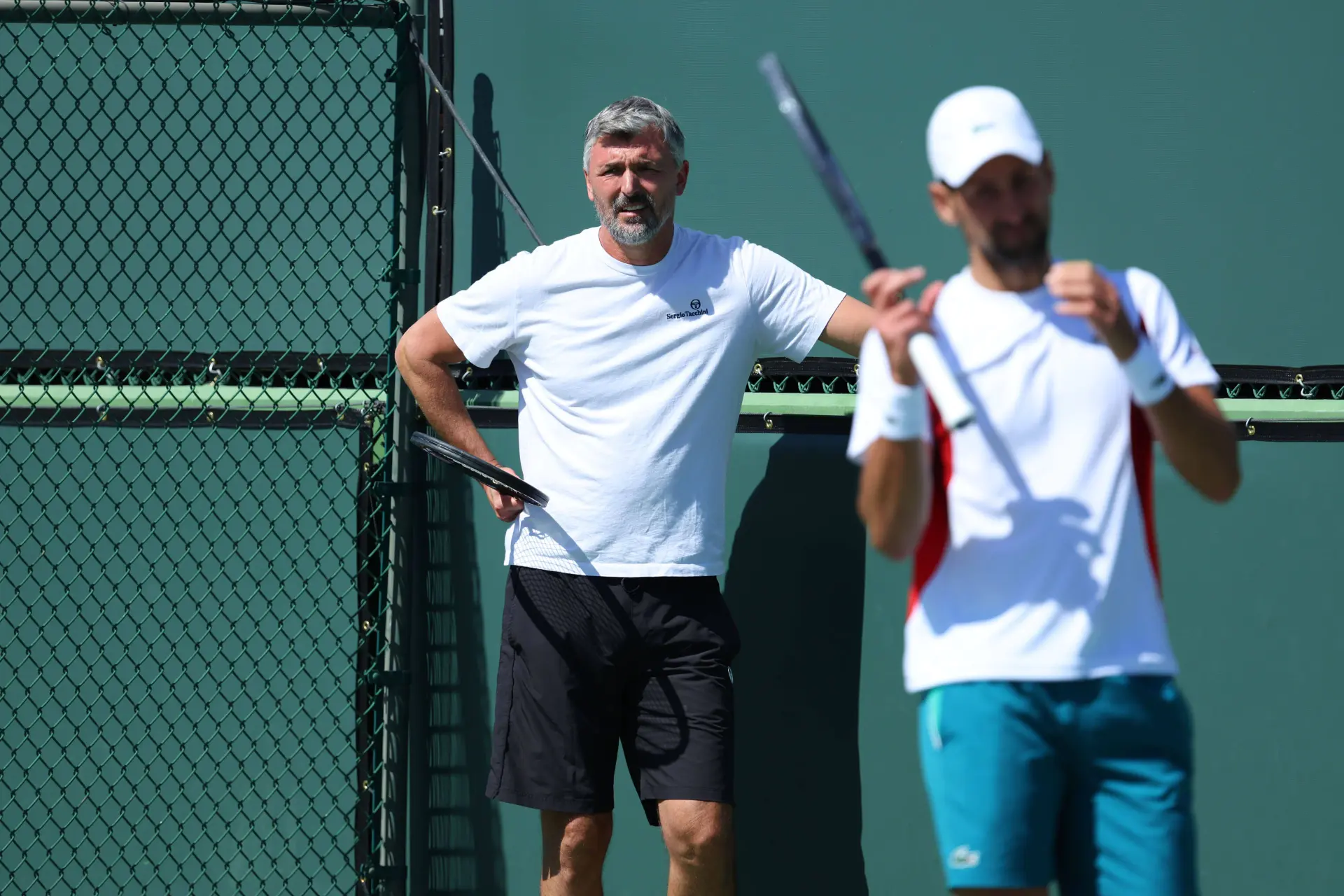
This recalibration extends beyond tennis itself. Djokovic acknowledges that his priorities have broadened, with family and personal balance playing a more significant role in shaping his schedule and decisions. “Tennis is still very important to me, but it’s no longer everything. And in a way, that gives me more strength.”
With Madrid emerging as a potential return point, Djokovic’s next appearance will depend on physical readiness rather than fixed planning. The objective remains consistent: sustain competitiveness at the highest level, even if the pathway now requires greater selectivity and control.

Cristhián AvilaTennis Journalist
Cristhián Ávila is a tennis journalist based in Santiago, Chile, and has been part of the TennisUpToDate team since early 2023. He covers the ATP and WTA Tours as well as all four Grand Slams, producing breaking news, match reports, analysis, and regular liveblogs from major tournaments.
His reporting combines statistical analysis with clear explanation, helping readers understand tactical developments, player form, and broader storylines across the tour. Working fluently in both Spanish and English, Cristhián collaborates with an international editorial team and contributes to comprehensive global coverage. As part of his work, he has conducted interviews and media interactions with leading figures in the sport, including Caroline Wozniacki and John McEnroe.
In his journalism, Cristhián places strong emphasis on careful sourcing, editorial accuracy, and updating articles promptly when new, verified information becomes available. His coverage is grounded in research, context, and direct engagement with professional tennis.
claps 0visitors 0
Just In

Popular News

Latest Comments
- Can someone please tell Stubbs to STFU? This is not a match commentating situation (where she also cannot shut her mouth; not even for a second). This is BIOLOGY. Look it up, before you next bless us with your lack of wisdom. Better yet... have that male Olympic boxer in Algeria throw a "female" punch at you and let us know how that goes.
 mandoist24-07-2026
 - This testing should have been done years ago as a prerequisite to competing in any male or female sport. Safety First -- Biology Rules!!mandoist21-07-2026
- Poor Aaron has been so bothered, for so long, by this possibility of proving one is NOT a male in a female sport that his list of unproven, unsupported claims is laughable. Claiming "privacy" and "Rights" is nothing short of lame. I challenge Mr. Solomon to take advantage of his "Right" to take a punch from that Algerian "female" boxer (whom failed testing -- and subsequently continues to play the system). This is the one who has injured several female opponents. WTA should absolutely not receive any credit for this common sense ruling!!! They have finally been forced to do so by the IOC. Imagine, after far too many years and injuries by males hurting females, "gender equality" comes to the sport of tennis (females competing with genuine biological females).mandoist21-07-2026
- Hurry on back Carlos! We miss you!!Rapunzel17-07-2026
- Well done to the author of this article!! A meltdown is what Coco experienced at the US Open the year she was chirping at her box, very near to tears, double faults were in great supply and she simply could not get a handle on that match. THAT AP is a meltdown!!Rapunzel12-07-2026
- This sensible approach helped Muchova... and look where she will find herself tomorrow (Wimbledon Final). Iga's wise to escape... especially to Nature and so. The wilderness (forests, lakes, mountains) has been my "Church" and escape from The Noise since I was a kid. She'll do well in the end.mandoist10-07-2026
- "Like if it was hotter, I probably would have won, I'm not gonna lie." Geezus...mandoist08-07-2026
- This one has totally lost the plot. She is about to cross the racism line in her hatred for Russian people. NEWSFLASH DARLING -- Russian majority of citizens (and your ex-Colleagues whom you shamed) are not who you should be aiming at. Grow up.mandoist08-07-2026
- Why do all these "experts" feel the need to publicly "tell players" what they need to do, or what they're doing wrong?? How about this -- if you're so concerned with a player's situation actually take the time to contact the team in question and talk directly to them. Yapping in public media is rarely, if ever, helpful.mandoist07-07-2026
- Gee... preferential treatment all the way to the end? STOP IT WTA & WIMPLEDON !!! This entire WILLIAMS CHARADE is 100% unfair to young upcoming players who legitimately earned a shot at a Wildcard. The whole scenario with these freebies to The Williams' is pathetic and barely within the rules (which have been bent like a pretzel to accomodate them). The lamest excuse this time is "...she is a top draw". How does that apply to Wimbledon which is sold-out in advance? Stop enabling this abhorrent "Look at me" behavior. If they want to make believe they can compete -- LET THEM PLAY QUAILIFIERS LIKE EVERYONE ELSE.mandoist06-07-2026

Loading