“I don’t see anyone beating them in Grand Slams”: Ferrer backs Sinner and Alcaraz to dominate the next decade
ATP
David Ferrer believes the balance of power in men’s tennis is shifting, both at individual and national level. Speaking to Corriere dello Sport, the Spanish Davis Cup captain reflected on Italy’s rise, Spain’s next generation, and the consolidation of Carlos Alcaraz and Jannik Sinner at the top. His message was clear: depth and structure now define the landscape.
Italy’s Davis Cup triumph last November, secured without Jannik Sinner or Lorenzo Musetti in the decisive stages, did not surprise him. “Honestly, no,” Ferrer said when asked if he had been caught off guard. For him, the title was not circumstantial but the product of sustained federation work and competitive depth across the squad.
Spain, he noted, has moved in a similar direction by expanding its Challenger circuit and reinforcing development pathways. Two decades ago, Ferrer often had to travel abroad to find tournaments at that level. Today, Spanish players benefit from a broader domestic calendar that allows for gradual progression without leaving the country.
At individual level, Ferrer identifies Alcaraz and Sinner as the sport’s reference points. Alcaraz, already a seven-time Grand Slam champion, and Sinner, a four-time major winner, have separated themselves from the field in recent seasons.
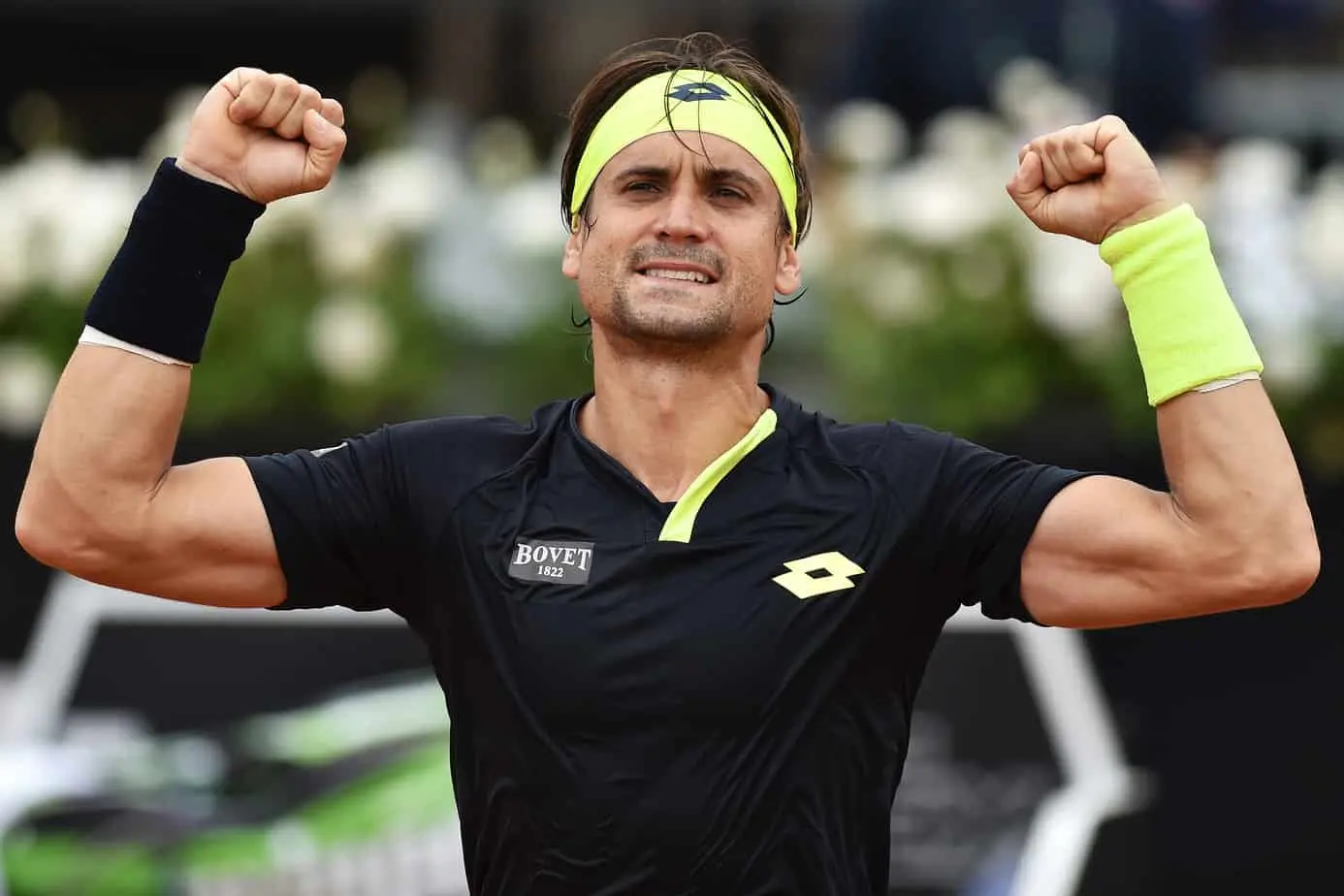
Italy’s rise and Spain’s structural response
Ferrer traces Italy’s surge to deliberate investment in second-tier tournaments and youth development. When he began on the Challenger circuit, Spain had limited events of that category, forcing young players to compete abroad. He believes that imbalance has since been corrected, partly inspired by Italy’s long-term planning.
“Twenty years ago, when I was starting on the Challenger circuit, I had to go to Italy or France to play: in Spain we perhaps only had two tournaments at that level,” stated the former Roland Garros runner-up. “Today, the Federation is doing a great job, we also have many of them, and they are crucial for the development of our players. In this, we have been inspired by Italy: in my time, they had good players, but not as much talent as now.”
Read also
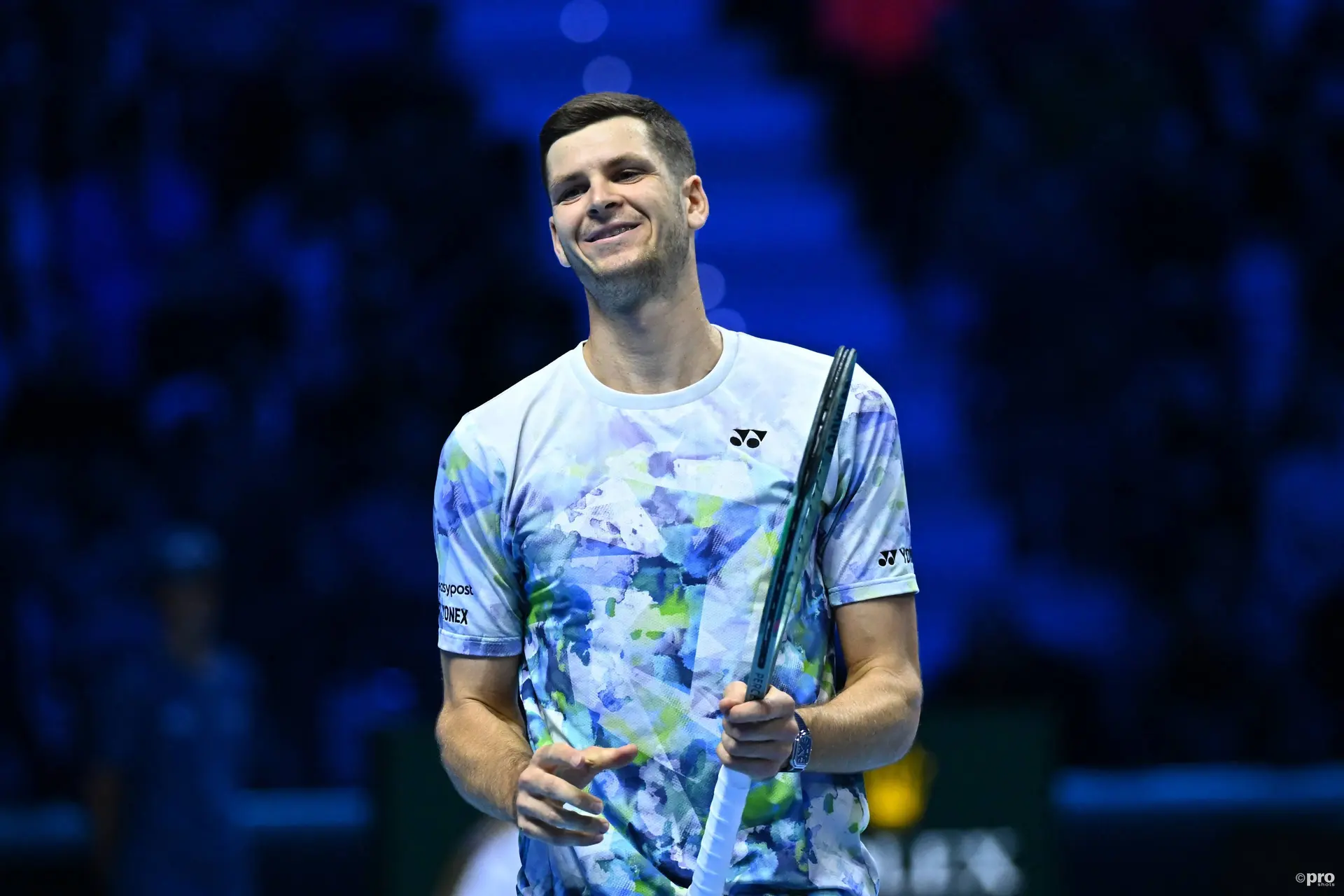
Italy’s recent Davis Cup run underlined that collective strength. Ferrer highlighted Matteo Berrettini, a former Wimbledon finalist and ex-Top 10 player, and Flavio Cobolli as examples of that depth. Both players led the Italians to their third consecutive Davis Cup title — stepping up to fill the void left by the absence of the two top Italian players: Sinner and Musetti.
“Honestly, no. I already knew that Italy was not only Sinner and Musetti. We played against Berrettini, a Grand Slam finalist and former Top 10 player, and Cobolli, a boy with a great future ahead of him. He impressed me because, under a lot of pressure, he stayed calm and was important for his team. Italy will be a key player in the Davis Cup for many years.”
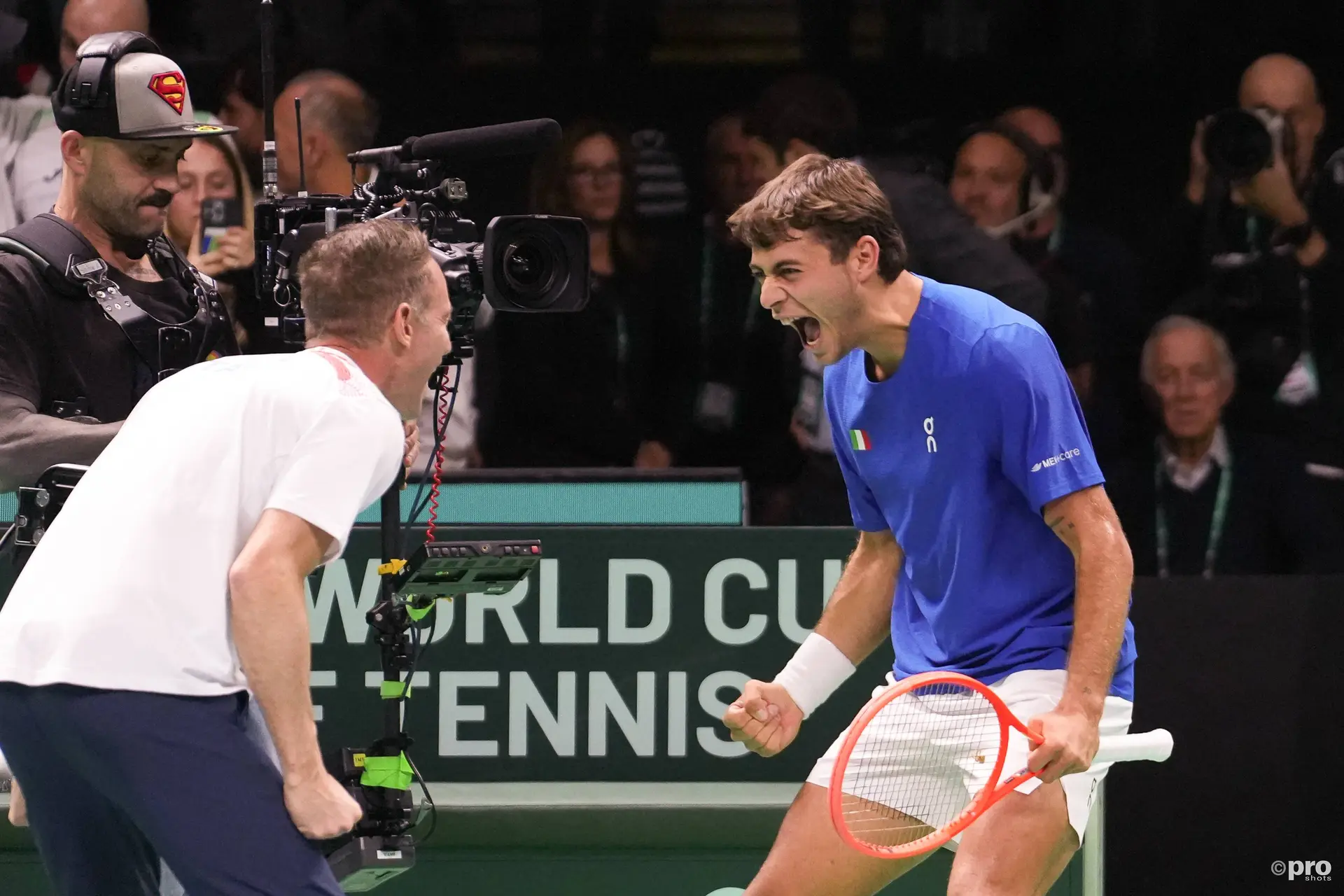
Managing Spain’s new generation
As captain, Ferrer insists his responsibility extends beyond Alcaraz. He monitors established professionals and emerging prospects alike, including 2006-born Rafa Jodar and Martín Landaluce, as well as Daniel Mérida, the 2004-born player who won the Tenerife Challenger.
“First of all, my job requires me to follow all the Spaniards, not just the best ones. In this position, there are many important decisions to make; even my captains did it when I was playing. And that’s why I know they are purely sporting decisions, not personal.”
Ferrer views depth as an asset. During his own era, Spain regularly had four or five players inside the Top 20, creating internal competition. However, he warns against measuring every young talent against Alcaraz, whom he considers an exceptional case, comparable in rarity to Rafael Nadal.
“In my time, Spain had four or five players in the Top 20: abundance is never a problem. Rafa and Martín are following their path and they are two boys who surprise me with their maturity: they can enter the Top 20 and become the future of the team. But it is important not to compare themselves with Alcaraz, because Carlos is like Nadal; few are born like him. Then there are others, like Daniel Mérida in 2004, who won the Challenger in Tenerife: I take all of them very much into account.”
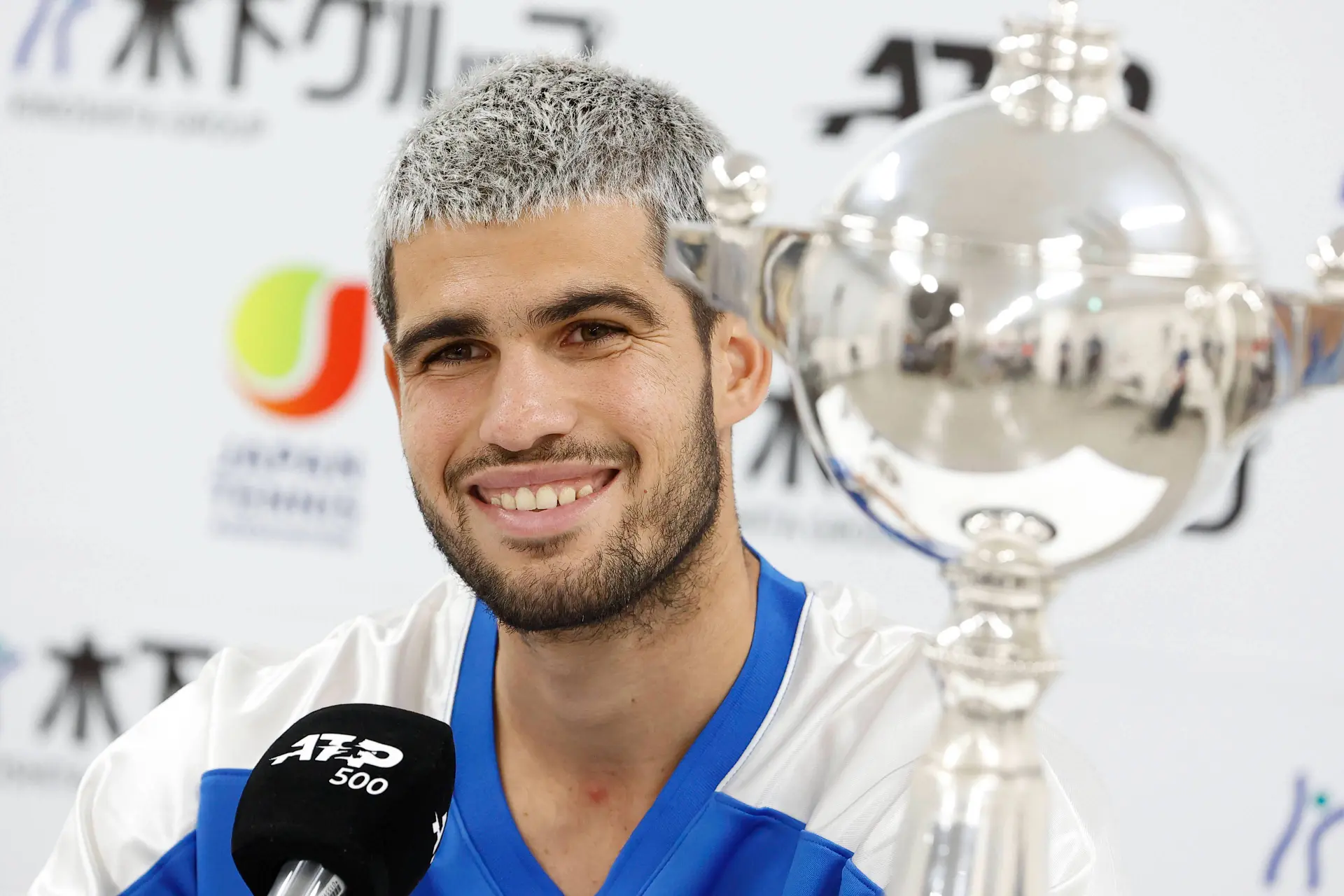
Alcaraz, Sinner and the Grand Slam question
Ferrer dismissed early-season skepticism surrounding Alcaraz, particularly after coaching adjustments and defeats in Melbourne and Doha. He credited the Spaniard’s winter preparation with Juan Carlos Ferrero and described him as “more mature than people think.” He also endorsed Samuel López, citing his previous success with Nicolás Almagro and Pablo Carreño Busta.
On the rivalry with Sinner, Ferrer acknowledged Novak Djokovic’s continued relevance — 24 Grand Slam titles and the ability to peak in decisive matches — but ultimately sees the younger pair as the benchmark in majors. “Carlos and Jannik are always very close to me. As we have seen in the last seasons, they support each other, and that’s how they keep improving. In Australia, Djokovic played very well, even in the final against Alcaraz.”
“We must not forget that he had energy and has won 24 Grand Slam titles: in individual matches, it doesn’t surprise me that he can still compete. That said, I don’t see any player capable of beating Sinner and Alcaraz in Grand Slams; they are the strongest, especially in key moments."
"After the Australian Open, Carlos will have more confidence, but already in Indian Wells and Miami, we know that Sinner can play very well. It is very difficult to predict who will be stronger between the two, as it was with Roger, Novak and Rafa.”
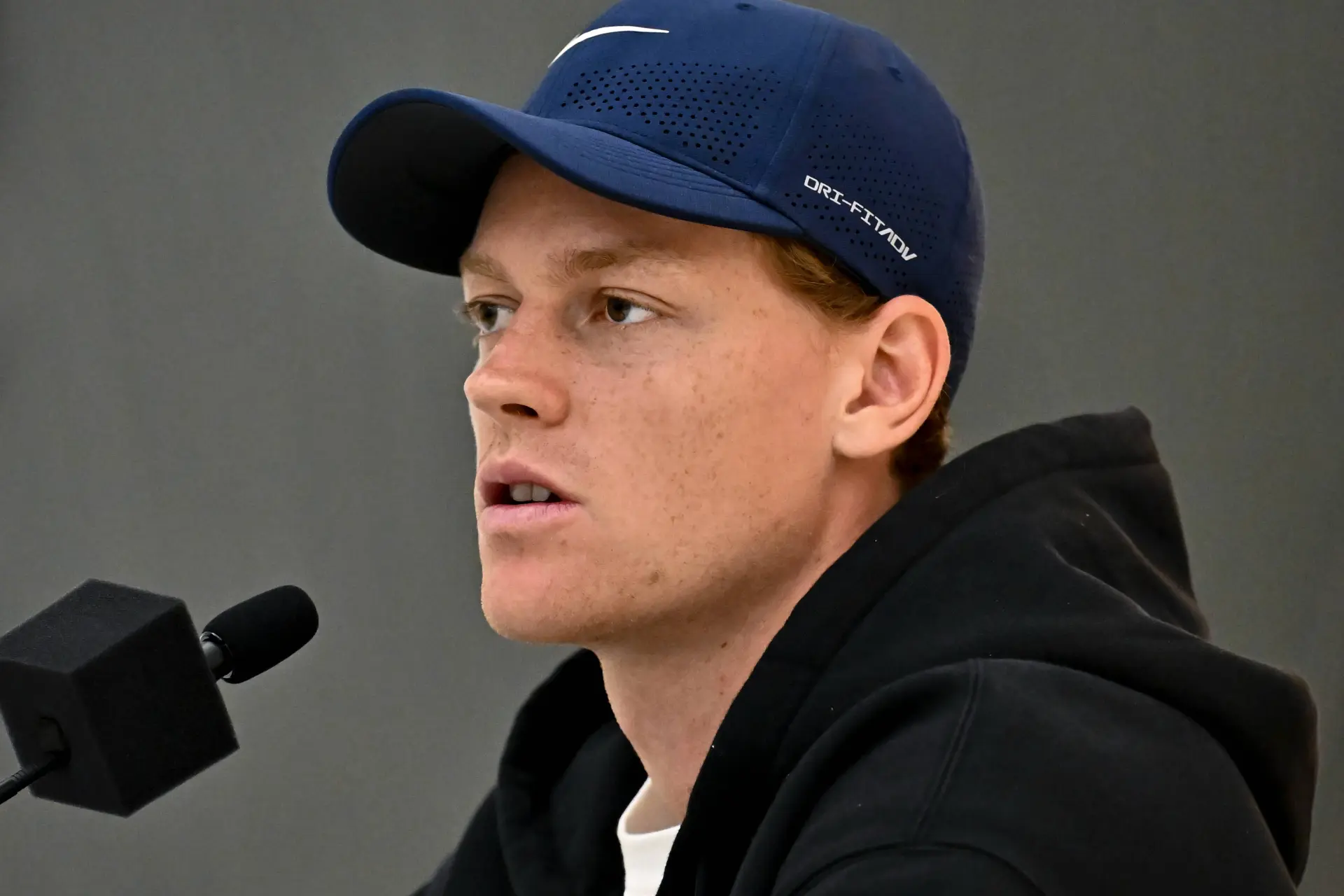
With Alcaraz holding seven majors and Sinner four, comparisons with the Big Three have inevitably surfaced. Ferrer, however, avoids definitive forecasts, pointing instead to the uncertainty inherent in long careers.
“I don’t see the future (laughs). Right now, it’s clear that if there are two players who can reach the numbers of the Big Three, they are Alcaraz and Sinner, especially with 10 or 15 years of career ahead. But more and more players will arrive, and we don’t know how many will be able to seriously challenge them.”

Cristhián AvilaTennis Journalist
Cristhián Ávila is a tennis journalist based in Santiago, Chile, and has been part of the TennisUpToDate team since early 2023. He covers the ATP and WTA Tours as well as all four Grand Slams, producing breaking news, match reports, analysis, and regular liveblogs from major tournaments.
His reporting combines statistical analysis with clear explanation, helping readers understand tactical developments, player form, and broader storylines across the tour. Working fluently in both Spanish and English, Cristhián collaborates with an international editorial team and contributes to comprehensive global coverage. As part of his work, he has conducted interviews and media interactions with leading figures in the sport, including Caroline Wozniacki and John McEnroe.
In his journalism, Cristhián places strong emphasis on careful sourcing, editorial accuracy, and updating articles promptly when new, verified information becomes available. His coverage is grounded in research, context, and direct engagement with professional tennis.
claps 0visitors 0
Just In

Popular News
Latest Comments
- A healthy Qinwen may be hard to stop next season. She was already scaring her opponents before her medical leave(s). Unfortunately, Zheng insisted on singing again. On the positive side -- Mirra did not sing!! ;~}
 mandoist11-10-2026
 - Where is it written that athletes, entertainers... People in general... are mandated to keep looking at -- or even using [anti]Social Media? Public & private figures consistently complain and reveal their concerns about negativity and violence thrown at them -- yet they insist on participating. Avoid it, don't use it, don't read it. It's okay to occasionally look up at the World instead beating your eyes & thumbs to death on The Inventions out there.mandoist11-10-2026
- great articlestennisseserver07-10-2026
- Medvedev was leading Djokovic 7-5, 3-5 when an attempted return..' NO you ignorants, Djokovic was leading .weiss05-10-2026
- No more bullshit "Wildcards" to these two. Qualify like everyone else -- there will be cameras there, too. Time to scream... WTF ????!!!!mandoist29-09-2026
- Let's not BS the general public -- Sabalenka started showing cracks in her game last season. Her losses and near-losses started at about the same time she began being distracted by Fame (constant Selfies, making TV commercials, magazine shoots, endless Social Media nonsense, etc., etc.) One would think even Saba could recognize the parallels with others who failed before her -- Raducanu, Giorgi, Bouchard to name a few.mandoist25-09-2026
- Gross!! Hey Raducanu, Giorgi, and Bouchard -- reserve a seat at your Social Media Selfie table for Saba + Naomi. They're heading in your direction soon enough.mandoist24-09-2026
- And then these same players will complain about how lengthy their season’s were and need more time-off. I’m all for more tennis but the amount of tennis we get now is actually kind of crazy! We all need a break, especially the players.DaveyWavey23-09-2026
- You should do a comparison article for "different kinds of justice" the courts decide for tennis players. I can think of at least three players who received very small bans of a few months, however Tara Moore has been fighting for her literal survival the past few years. It seems odd considering she is not a "name" player, unlike the other cases.DaveyWavey22-09-2026
- PRIZE MONEY & POINTS Winner - $185,500 Finalist - $114,500 Semi-Finalist - $66,003 Quarter-Finalist - $35,000 Round of 16 - $18,045 Round of 32 - $13,005 Winner - 500 Finalist - 325 Semi-Finalist - 195 Quarter-Finalist - 108 Round of 16 - 60 Round of 32 - 1DaveyWavey20-09-2026

Loading