"First to get inside the top 30”: Nicolas Massu details realistic ranking targets for Hubert Hurkacz
ATP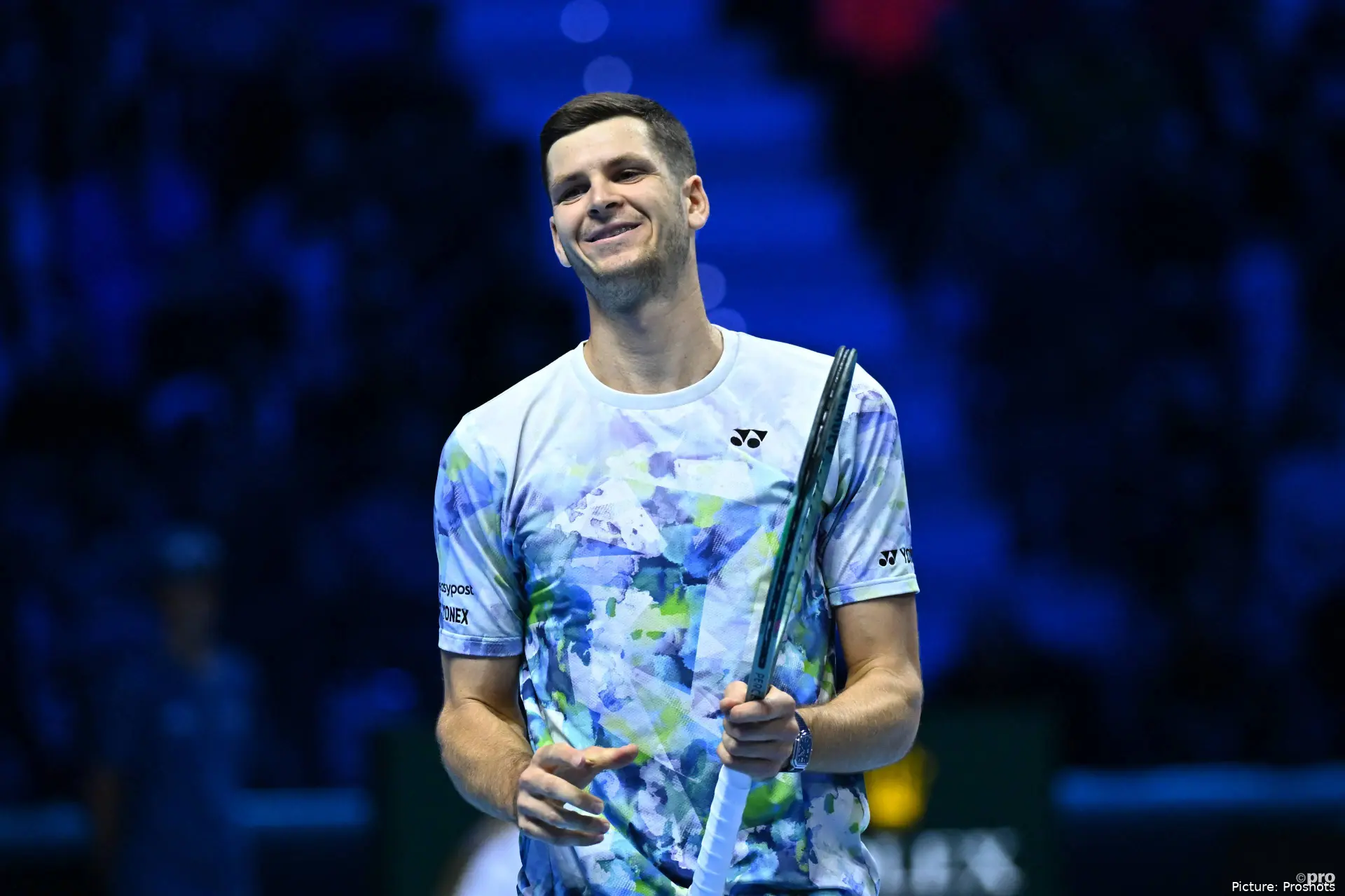
Nicolás Massu remains one of the most recognisable figures in modern tennis. An Olympic gold medallist in both singles and doubles at Athens 2004, he now combines his role as a Davis Cup captain with coaching duties on the ATP Tour. Speaking in Dubai, where he is working alongside Hubert Hurkacz, Massú outlined his current priorities: guiding the Pole’s comeback after injury, restoring consistency at the highest level, and preparing for a high-profile Davis Cup playoff against Spain in September.
Massú joined Hurkacz following a disrupted 2024 season in which the Pole spent seven months sidelined by a knee injury. The immediate focus, he said, was simple: regain physical stability. “The first objective was for him to be healthy,” Massú explained in an interview with Marca, stressing that long-term ambitions depend on consistent match play and a stable calendar.
Hurkacz, a former world No. 6 and Masters 1000 champion, began the year strongly by lifting the United Cup title and recording wins over Alexander Zverev, Taylor Fritz and Stan Wawrinka. However, early exits in Rotterdam and Dubai have followed, part of what Massú described as a natural process of rebuilding rhythm after a long layoff.
Beyond Hurkacz’s progress, Massú also addressed the broader landscape of the men’s tour, including the dominance of Carlos Alcaraz and Jannik Sinner, and Chile’s upcoming Davis Cup tie. For the 46-year-old, the themes remain consistent: ambition, preparation and embracing high-level competition.
Read also
Rebuilding Hurkacz and chasing the top tier
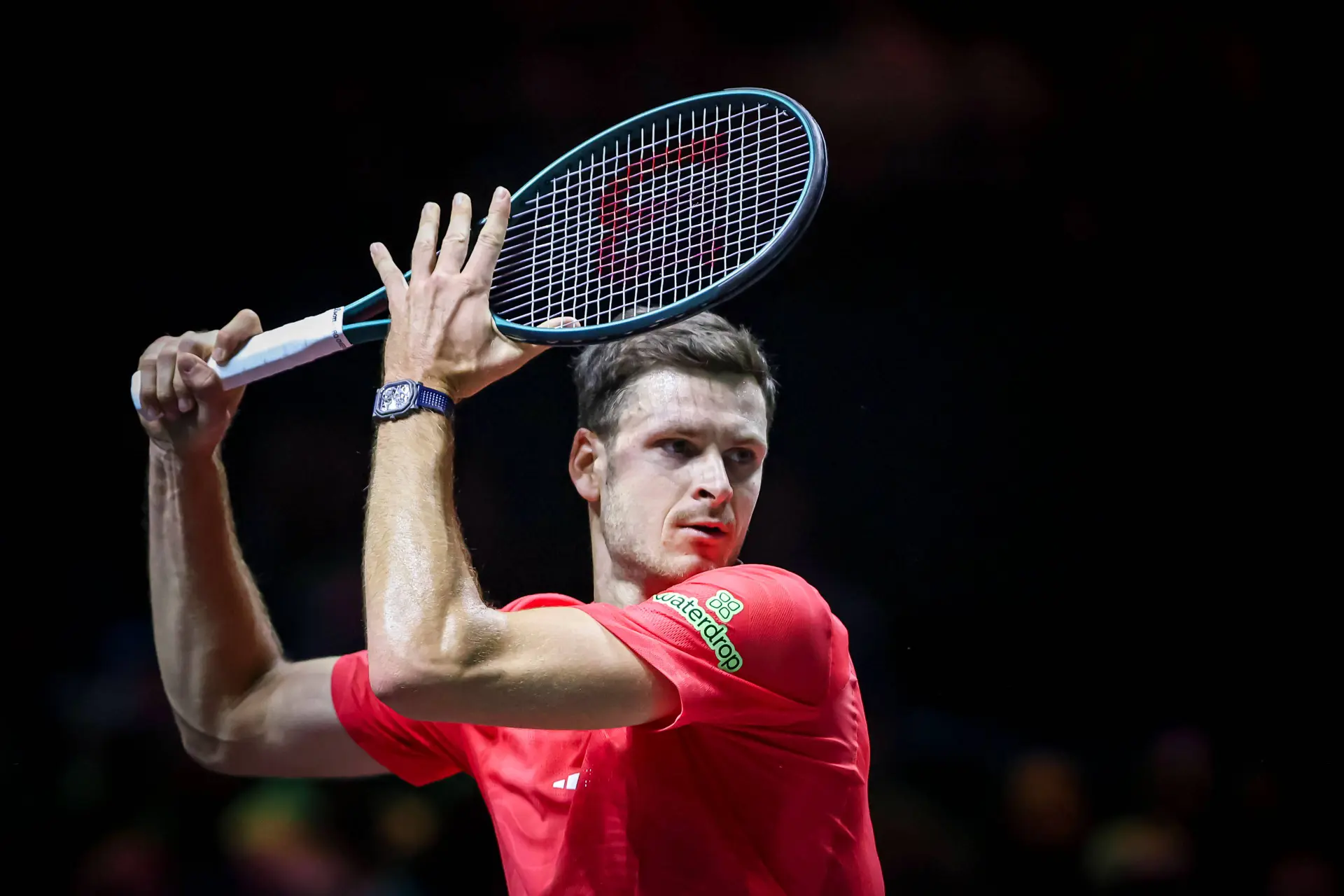
Massú believes Hurkacz possesses the tools required to return to the elite bracket of the rankings. The Polish player has already won a Masters 1000 title, reached a Grand Slam semi-final and qualified for the ATP Finals. In Massú’s assessment, the foundation remains intact, particularly the serve, which he described as a decisive weapon in modern tennis.
“The level is there and we have to keep pushing every day,” Massú said, pointing to narrow margins in recent defeats. In Rotterdam, Hurkacz served for the match against Alexander Bublik, while in Dubai he lost a second-set tie-break 9-7 to Jakub Mensik after holding chances. For Massú, such matches are indicators of competitiveness rather than regression.
He also emphasised a structured, incremental approach to rankings. “The first objective was for him to be healthy. I think the talent is there, he is very hardworking and has a weapon in his serve that makes the difference in modern tennis."
"The priority is to have a normal calendar and be happy. Step by step. He has already been No. 6 in the world, has won a Masters 1000, has a Grand Slam semi-final and has been at the ATP Finals. First to get inside the top 30, then the top 20, and one day think about returning to the top 10.”"
For Massú, short-term goals create stability. The emphasis is less on immediate ranking leaps and more on accumulating matches, reinforcing confidence and re-establishing consistency across surfaces.
Alcaraz, Sinner and the Davis Cup challenge
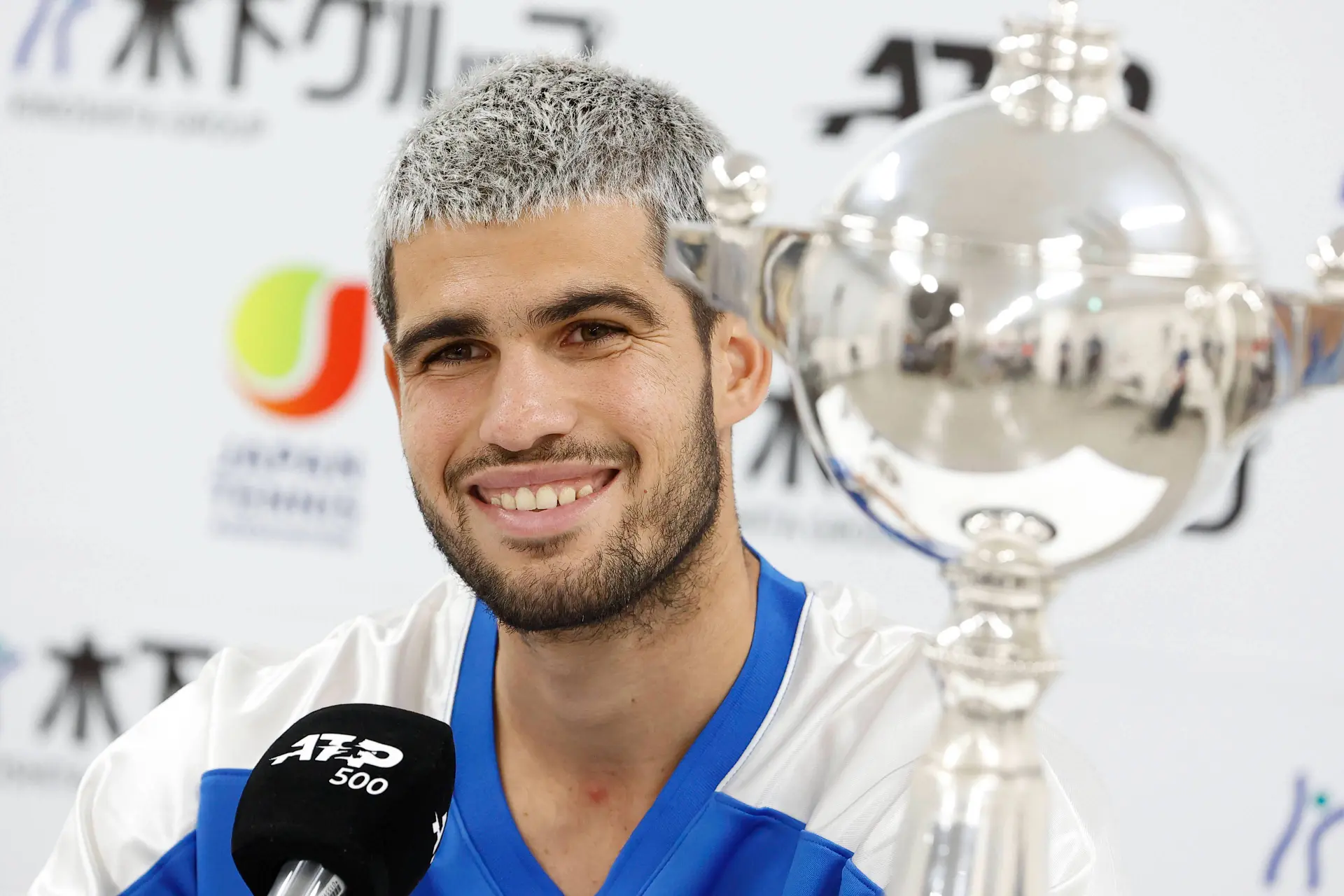
Asked whether Carlos Alcaraz and Jannik Sinner are a step ahead of the field, Massú was unequivocal about their current dominance. He described their results as “magnificent” and highlighted their youth, speed and distinct playing styles as factors shaping the next era.
“Carlos and Jannik are winning almost all the tournaments and the players behind them must use that as motivation to want to face them and, why not, beat them. If they continue like this they will be among the greatest in the history of tennis because they are still very young.”
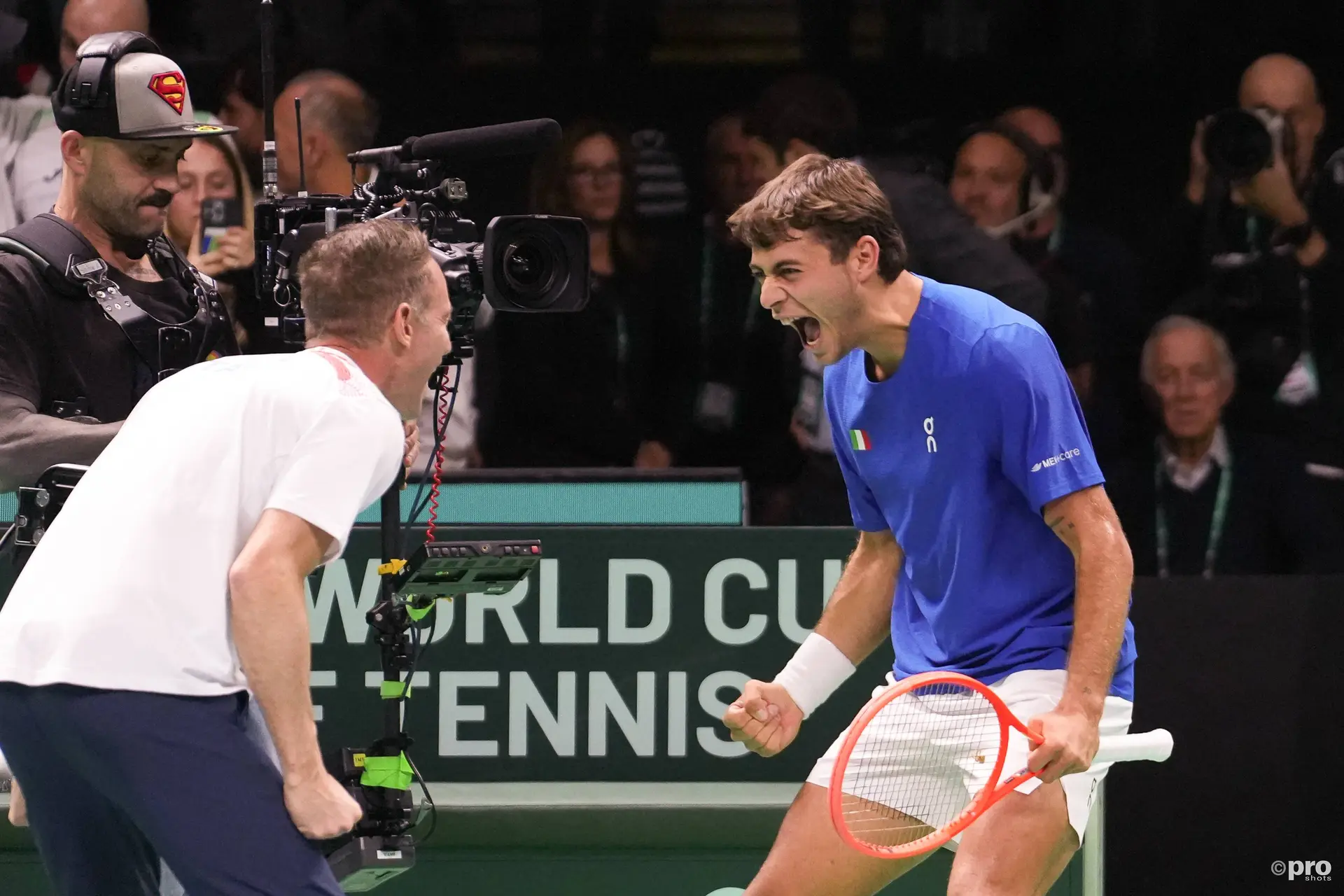
Attention now turns to Chile’s September Davis Cup playoff against Spain. Massú, who has captained the national team for 12 years, confirmed that venue and surface decisions remain under discussion. Strategic considerations include sporting factors, logistics and player availability.
He acknowledged that Alcaraz’s presence would significantly alter the competitive balance, yet maintained that Chile’s focus is internal preparation rather than opponent speculation. Spain reached the most recent Davis Cup final and possesses depth regardless of individual participation.
“If Alcaraz comes, we have to be ready to play against him. If he doesn’t come, then against whoever comes. At a sporting level, Alcaraz makes an important difference. If he is not there, Spain still has great players. What interests me most is that my team is complete and healthy. Playing in Chile, with a team that has known each other for many years, we can compete and achieve great things.”
Massú also addressed the emotional dimension of Davis Cup ties, noting that pressure can arise from multiple directions: home advantage, rankings, or national expectations. “In the Davis Cup you can take pressure from everywhere. For being the host, because you have a better ranking."
"It is a very special tournament because you have to manage many emotions. It’s not one match, it’s five, and there is a doubles. I have been involved in the Davis Cup since I was 15 and now I am 46. I have seen so many situations that I think I have learned a lot. I have the same motivation as the first day.”
For Massú, that motivation is rooted in history. As the only player to win Olympic gold in singles and doubles at the same Games, he views his achievements as proof of possibility. Now, his ambition extends to the sidelines: adding a Davis Cup title as captain to an already distinctive legacy.

Cristhián AvilaTennis Journalist
Cristhián Ávila is a tennis journalist based in Santiago, Chile, and has been part of the TennisUpToDate team since early 2023. He covers the ATP and WTA Tours as well as all four Grand Slams, producing breaking news, match reports, analysis, and regular liveblogs from major tournaments.
His reporting combines statistical analysis with clear explanation, helping readers understand tactical developments, player form, and broader storylines across the tour. Working fluently in both Spanish and English, Cristhián collaborates with an international editorial team and contributes to comprehensive global coverage. As part of his work, he has conducted interviews and media interactions with leading figures in the sport, including Caroline Wozniacki and John McEnroe.
In his journalism, Cristhián places strong emphasis on careful sourcing, editorial accuracy, and updating articles promptly when new, verified information becomes available. His coverage is grounded in research, context, and direct engagement with professional tennis.
claps 0visitors 0
Just In

Popular News
Latest Comments
- A healthy Qinwen may be hard to stop next season. She was already scaring her opponents before her medical leave(s). Unfortunately, Zheng insisted on singing again. On the positive side -- Mirra did not sing!! ;~}
 mandoist11-10-2026
 - Where is it written that athletes, entertainers... People in general... are mandated to keep looking at -- or even using [anti]Social Media? Public & private figures consistently complain and reveal their concerns about negativity and violence thrown at them -- yet they insist on participating. Avoid it, don't use it, don't read it. It's okay to occasionally look up at the World instead beating your eyes & thumbs to death on The Inventions out there.mandoist11-10-2026
- great articlestennisseserver07-10-2026
- Medvedev was leading Djokovic 7-5, 3-5 when an attempted return..' NO you ignorants, Djokovic was leading .weiss05-10-2026
- No more bullshit "Wildcards" to these two. Qualify like everyone else -- there will be cameras there, too. Time to scream... WTF ????!!!!mandoist29-09-2026
- Let's not BS the general public -- Sabalenka started showing cracks in her game last season. Her losses and near-losses started at about the same time she began being distracted by Fame (constant Selfies, making TV commercials, magazine shoots, endless Social Media nonsense, etc., etc.) One would think even Saba could recognize the parallels with others who failed before her -- Raducanu, Giorgi, Bouchard to name a few.mandoist25-09-2026
- Gross!! Hey Raducanu, Giorgi, and Bouchard -- reserve a seat at your Social Media Selfie table for Saba + Naomi. They're heading in your direction soon enough.mandoist24-09-2026
- And then these same players will complain about how lengthy their season’s were and need more time-off. I’m all for more tennis but the amount of tennis we get now is actually kind of crazy! We all need a break, especially the players.DaveyWavey23-09-2026
- You should do a comparison article for "different kinds of justice" the courts decide for tennis players. I can think of at least three players who received very small bans of a few months, however Tara Moore has been fighting for her literal survival the past few years. It seems odd considering she is not a "name" player, unlike the other cases.DaveyWavey22-09-2026
- PRIZE MONEY & POINTS Winner - $185,500 Finalist - $114,500 Semi-Finalist - $66,003 Quarter-Finalist - $35,000 Round of 16 - $18,045 Round of 32 - $13,005 Winner - 500 Finalist - 325 Semi-Finalist - 195 Quarter-Finalist - 108 Round of 16 - 60 Round of 32 - 1DaveyWavey20-09-2026

Loading