"I set aside Instagram and TikTok for two weeks”: Flavio Cobolli explains strategy for mental health
ATPSaturday, 21 February 2026 at 20:00
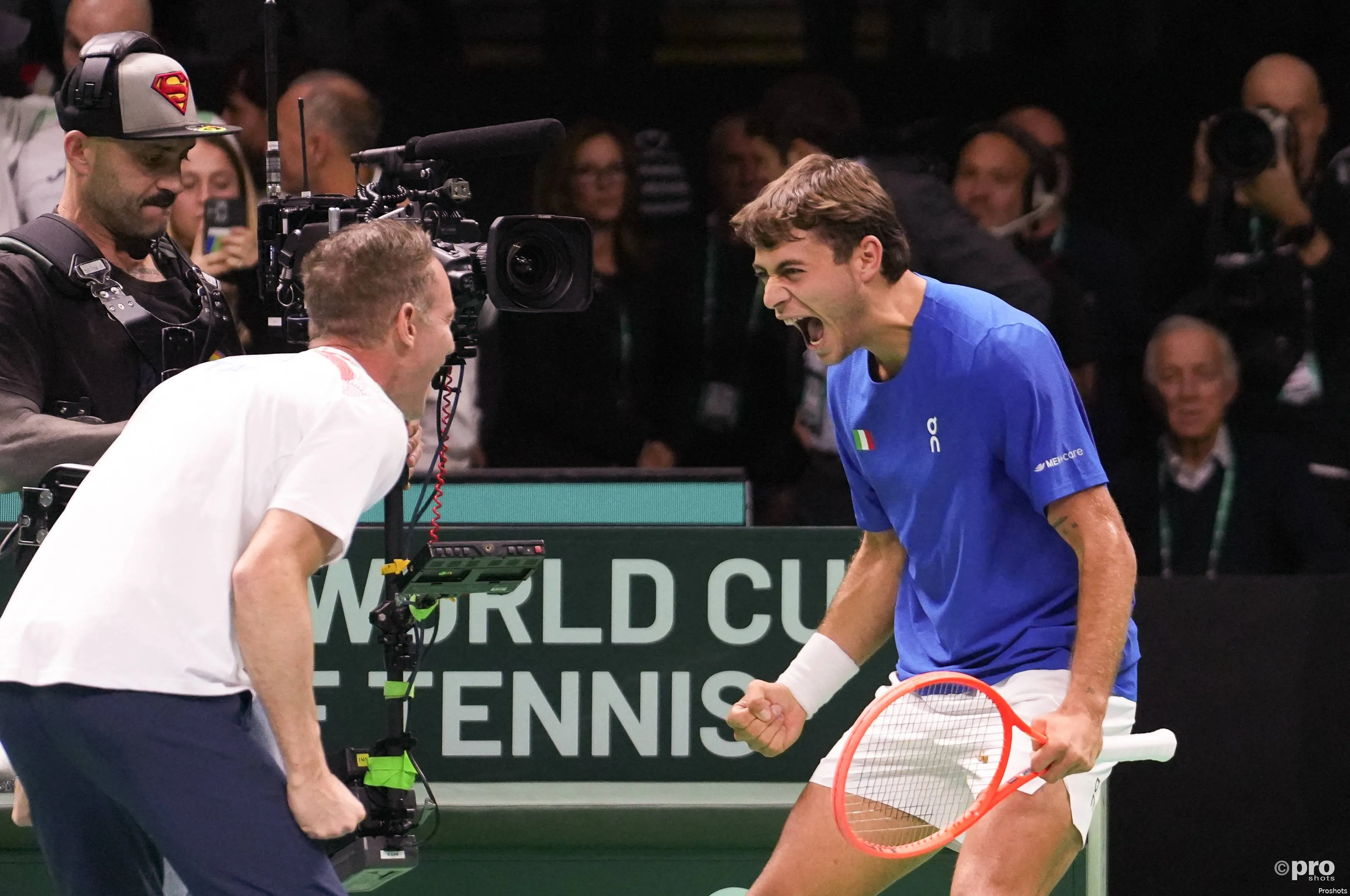
Flavio Cobolli has taken an unusual step to regain focus this season: he temporarily deleted Instagram and TikTok. The 23-year-old Italian said constant exposure to social media was affecting his mental health, and the two-week break allowed him to breathe and restore balance. Cobolli emphasized that support from his girlfriend during this time was critical, providing stability and helping him manage stress while away from digital distractions.
The world No. 20 had been a key figure in Italy’s Davis Cup Finals triumph in Bologna at the end of 2025, and expectations for the new season were high. Illness hampered his performance at the Australian Open, and he exited prematurely, a disappointment compounded by three consecutive defeats to lower-ranked players: Arthur Fery (No. 157), Luca Nardi (No. 94), and Jack Pinnington Jones (No. 138).
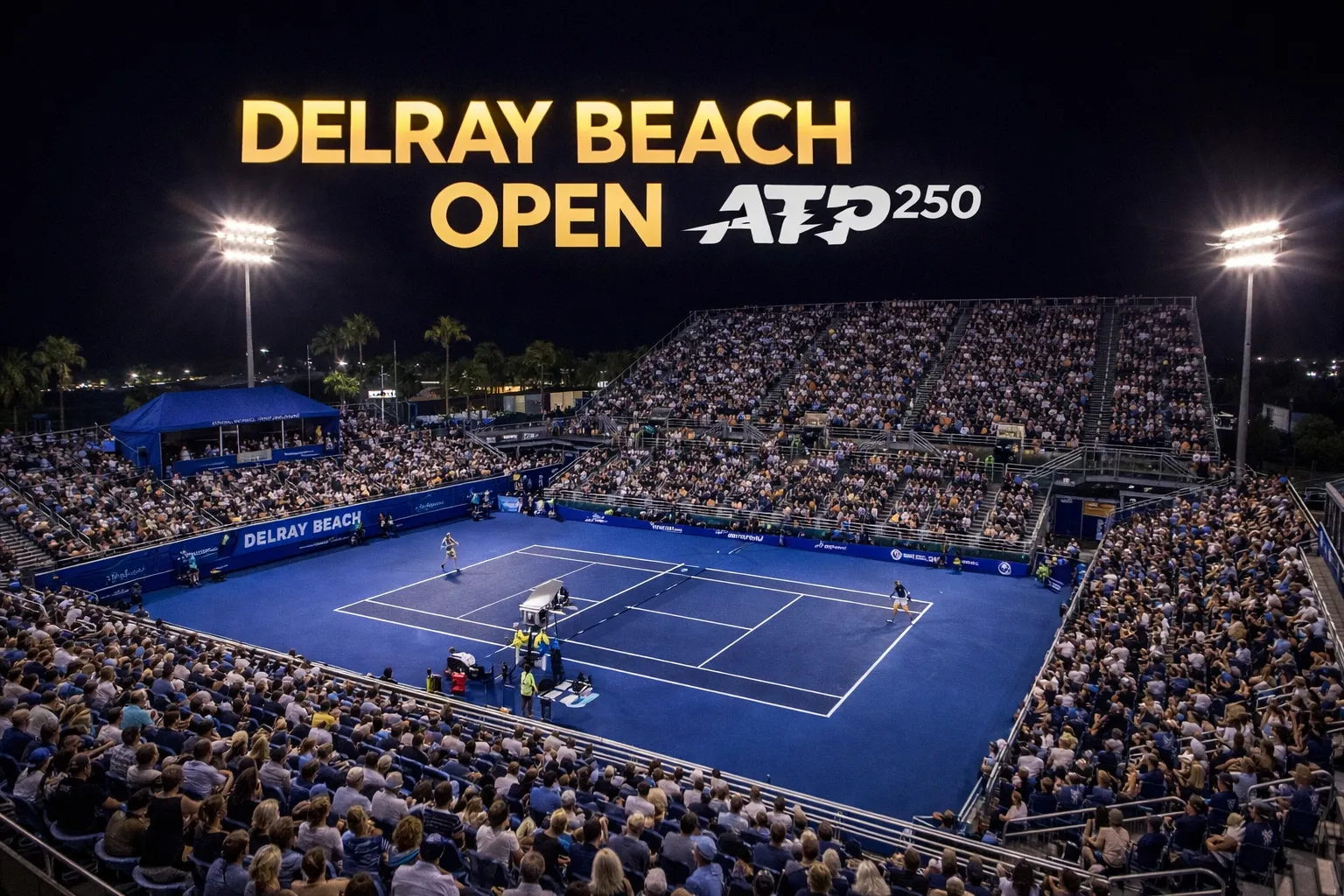
The 23-year-old acknowledged that the start to 2026 “wasn’t ideal,” but he has begun to regain form at the ATP 250 in Delray Beach, reaching the semi-finals where he will face Sebastian Korda.
Beyond physical recovery and match results, Cobolli highlighted the mental toll of both the early losses and constant social media exposure. He revealed that he had temporarily stepped away from Instagram and TikTok to regain perspective and focus. "I distanced myself from social media for two weeks," he said in press conference.
Read also
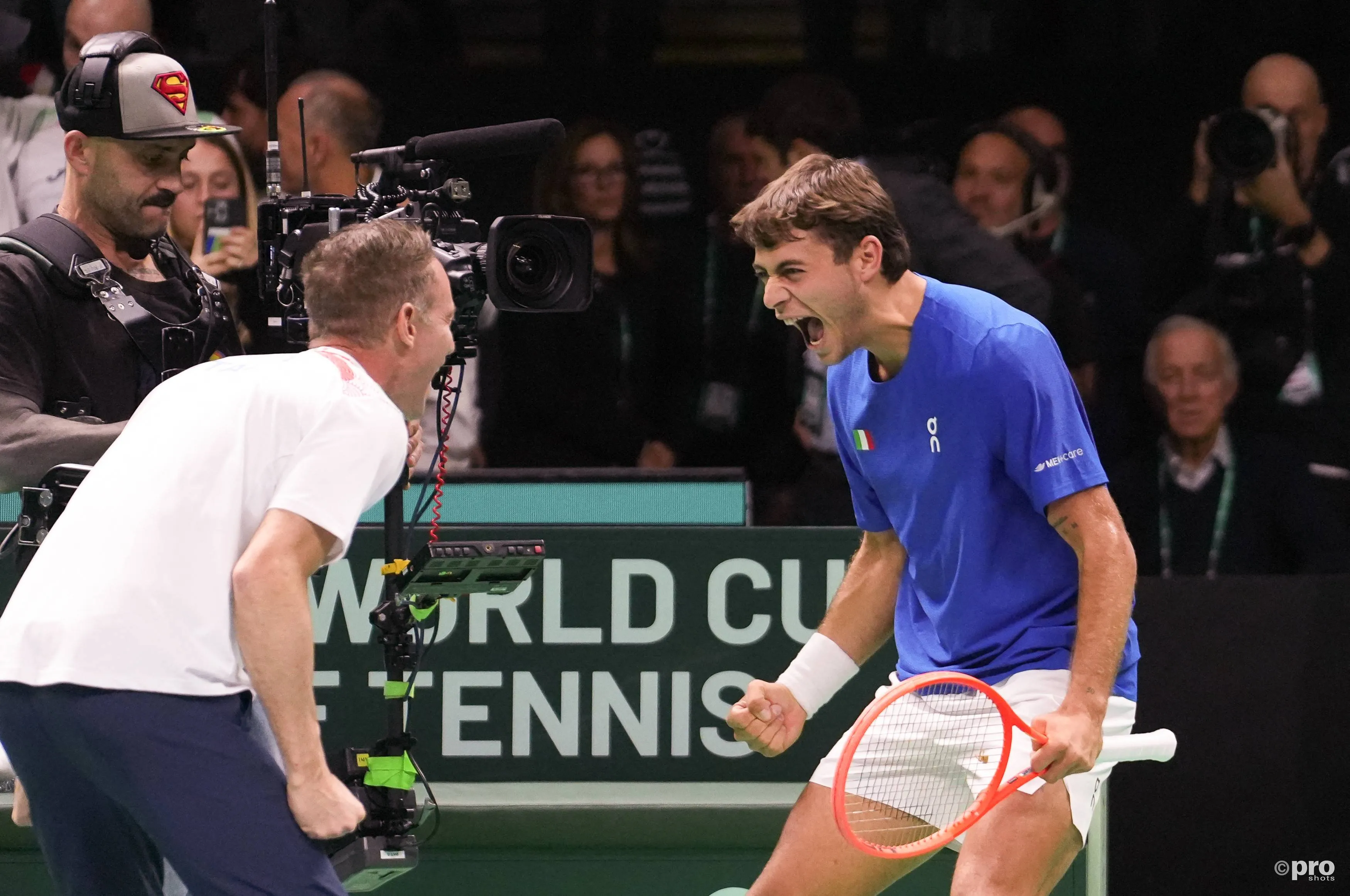
"Sometimes you have to do it, because being on your phone all the time isn't good for your health. So I set aside Instagram and TikTok for two weeks. No doubt I'll return to them," the 23-year-old player commented. “Sometimes you have to do it because always being on your phone is not good for your health."
The Italian emphasized that the digital break allowed him to breathe and regain mental clarity. His girlfriend has been a source of support during this period, helping him manage stress and providing a stabilizing presence. “Having my girlfriend here has helped me a lot mentally. Because she’s with me all day. She knows me very well. She knows when she needs to talk to me. She knows when I need time,” he said. “But I’ll definitely be back.”
Performance and recovery
On court, Cobolli demonstrated a renewed attitude in Delray Beach. He overcame Coleman Wong in the quarter-finals, recovering from a second-set drop to dominate the third. He described the match as a moment of self-reassurance and a sign that his mental reset was paying off.
“I had a great attitude during the match against Wong, I’m proud of myself,” Cobolli said. “It wasn’t easy to react well after losing the second set like that, but I dominated the third set and the feelings were really positive.”
The semi-final against Korda is an important test for the Italian. Cobolli believes he can compete with confidence when mentally and physically in form, noting that he “does not have to fear anyone” when at his best. The American comes into the match after giving a surprise defeat to second seed Casper Ruud, also coming back from a set down.
Context and season outlook
Cobolli’s early-season struggles were influenced not only by illness but also by the pressure of following a breakthrough 2025. The Davis Cup victory and his rapid rise last year had set high expectations, leaving him under scrutiny after early defeats.
The Delray Beach run, combined with a social media break and close personal support, signals a recalibration. While it remains to be seen whether Cobolli can sustain this momentum, his approach highlights the growing importance of mental health and digital detox for young players navigating the top 20.
He will face Sebastian Korda on Saturday afternoon in Delray Beach, in a head-to-head that currently favors the American 2-0. If Cobolli secures the win, he will reach the fourth final of his career.
claps 0visitors 0
Just In

Popular News

Latest Comments
- Illness? Sure, sick over the fact she's run out of legit coaches. Also, perhaps another bout of allergies to 'work' and instruction.
- Two major problems with sports (and Life) in today's world... 1. Self-imposed "experts" like Gilbert, Clijsters, and Stubbs can't keep their nasty opinions and rumors to themselves. They feel a need to talk about things they have no relation to, nor a clue. 2. People & anti-Social Media.
- Anyone else notice how general mental & physical fatigue is a major issue now, given WTA's ignorant refusal to consider the stress of their idiotic scheduling and additional demands??
- What a load of bullshit. Artur Szostaczko failed to mention that he didn't get hired!!
- Almost condescending. BTW: That was another anti-climactic Final compared to several of the excellent pre-Final matches.
- Sounds like maybe a mental health break? Miss her on the tour. My favorite American female player. Hurry back Emma!
- Why are microphones even allowed in front of the coaching boxes??? In this age of hi-tech, whatever is heard (strategy or otherwise) can instantly be relayed to any given opponent. How and why did WTA decide to slip this past everyone? Also, these strategic placements of mic's is obvious stupidity initiating a commentator's personal decision to expound upon -- and apologize for -- foul language, etc., when a player or team member curses, etc. Then media pounces upon every off-color phrase or word in their sensationalistic "news coverage". This practice of literally -- and openly -- eavesdropping needs to stop!!
- So she actually CAN think clearly! If she wants to play tennis, make it a priority. Learn from Life choices (like having a kid with her rapper ex). Today's game is a grueling exercise in Humility if one is not fully dedicated; or does not have the time to do The Work. Raducanu is a shining example of someone with the talent but lacks the drive, attitude, and/or devotion it takes to maintain 100% capacity of everything the Tour demands.
- It's as if troubled 'Condescending Collins' is competing with The Williams' for the daily spotlight. Some just do not know when to quit. Go fix yourselves and stop informing the public of your personal problems. The general public has their own issues in Life.
- Coach Macci and Martina Navratilova are seemingly the only reasonable voices coming out of the tennis circuit in regards to Iga at the moment. People like Stubbs, Gilbert, and anti-Social Media dwellers have very little or nothing to offer. What they are indeed is... predictable. Why certain media think their input is of value is a mystery. Perhaps easy filler for their publications? Media, in general, could/should consider their poor choices and lazy habits of running to the Loudest Mouths for "expert advice". Certain Internet 'news sources' might do their own research and STOP COPYING & PASTING the first articles to hit the web with little-to-no editing or true journalism. As for Iga (and any athlete) they are not robots. They are Human Beings and Humans, as we all know, are not infallable. Leave the expert criticisms and "solutions" to these athletes and their teams. Disgruntled bettors and so-called "experts" are not a solution!


Loading