“If I beat Carlos Alcaraz i'll consider turning pro": The university player who upset Korda and hesitates to go pro
ATP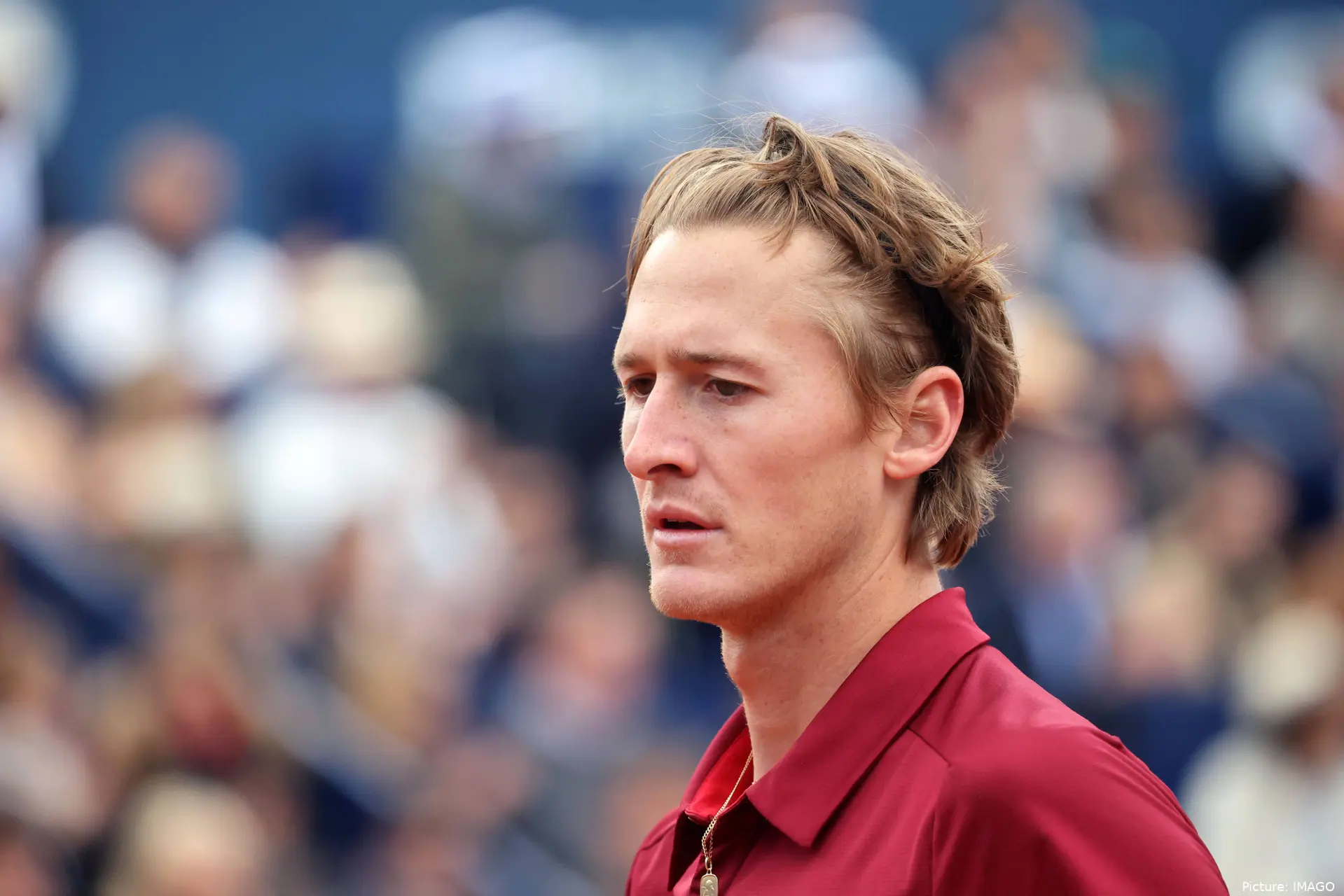
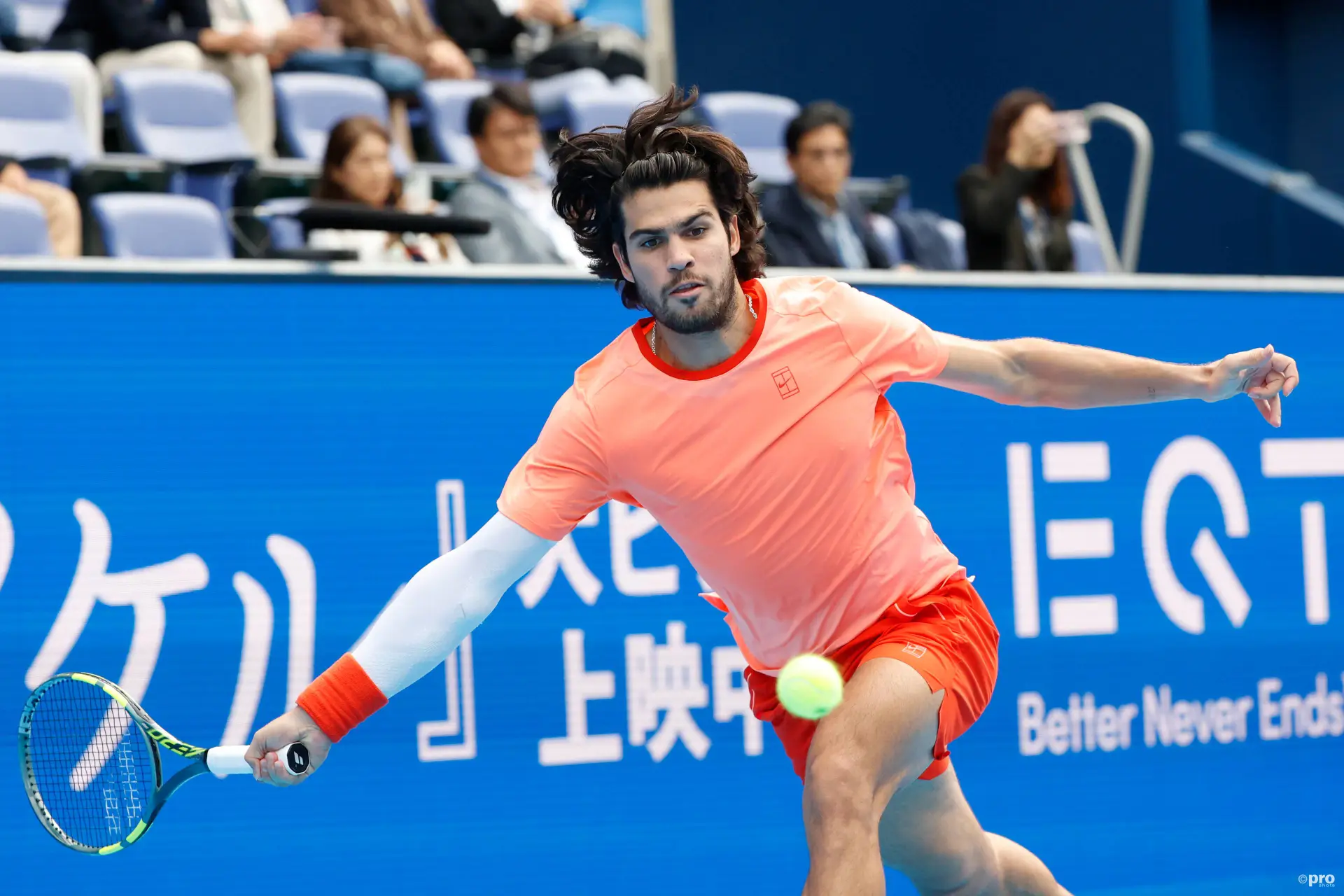
One of the biggest surprises of the opening day at the Australian Open was undoubtedly the first-round defeat of Sebastian Korda. While the American has struggled with form over the past couple of years — largely due to recurring injuries — the identity of the player who beat him was perhaps even more unexpected: an unknown Michael Zheng.
What makes the qualifier’s story particularly striking is that he does not currently plan to become a full-time professional tennis player. The 21-year-old is a student at Columbia University, and his strong results have taken him all the way to the first Grand Slam of the season while he completes the final semester of his psychology degree.
Zheng is focused on earning his psychology diploma and, in the meantime, competes on the North American collegiate circuit, which has produced several notable players in recent years, such as Ben Shelton, Learner Tien, Francisco Cerúndolo and Brandon Nakashima.
The American has mainly competed on the Challenger Tour, and this marks his first appearance in the main draw of a major. On his way to the Australian Open main draw, he defeated Cruz Hewitt, fourth seed Tomas Barrios, and 28th seed Lukas Klein. A tough first-round draw against former Top-15 player Korda (world No. 53) did not intimidate the young collegiate player, who sealed a memorable victory 6-4, 6-4, 3-6, 6-7(0), 6-3.
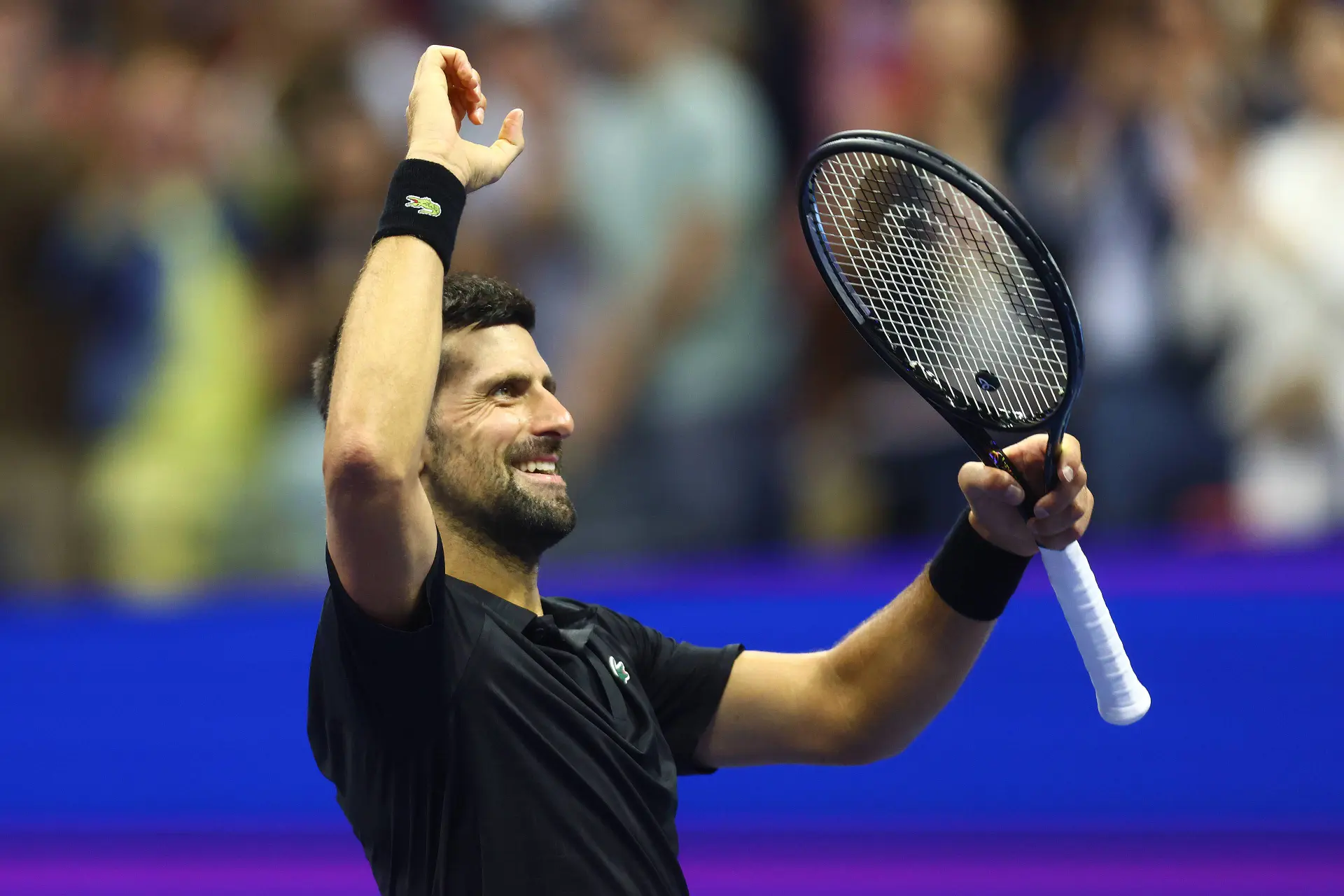
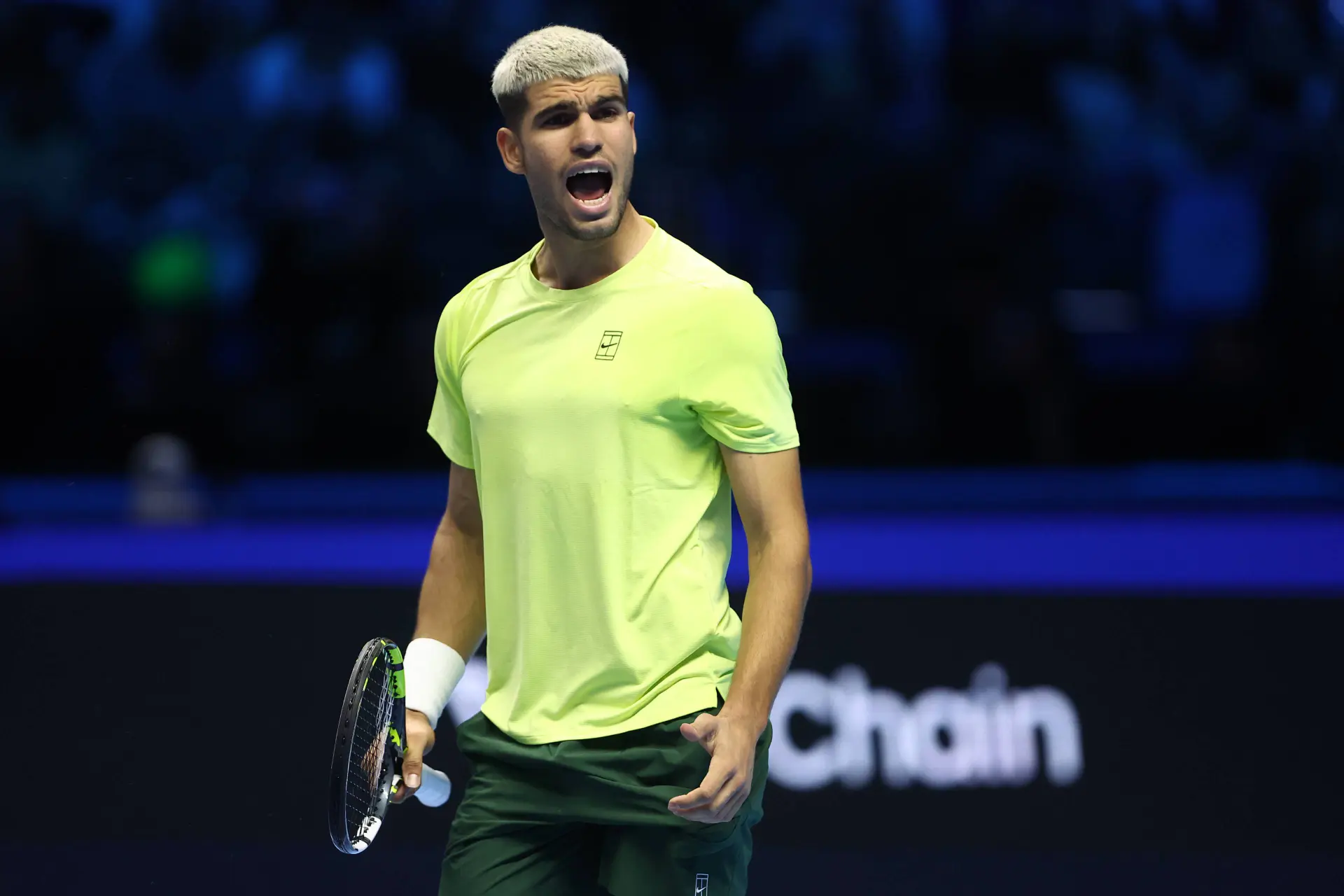
“If I manage to beat Carlos Alcaraz in the third round, maybe I’ll consider turning professional,” Zheng said during his press conference. “I still have one more semester at Columbia, which I do intend to finish. So whenever my run here is done, I’m going back to school.”
Prize-money dilemma after Zheng’s Korda shock
One of the topics discussed by the world No. 174 was the prize money he has secured at the Australian Open. Zheng has already guaranteed $83,500 for coming through qualifying, while his first-round win ensures a total of $225,000 for reaching the second round — a figure that could continue to rise if he extends his run in Melbourne.
However, players who compete in the NCAA are only allowed to accept up to $10,000 per year in prize money from professional tournaments if they wish to maintain their collegiate eligibility. A similar situation occurred with Maya Joint at the US Open 2024, where she was forced to forfeit around $140,000 in prize money, while Oliver Tarvet at Wimbledon 2025 accepted just $10,000 of the nearly £100,000 he earned.
“I don’t know. I’ve heard rumours that I’m allowed to take it because it’s my senior spring,” Zheng explained. “But I want to double-check and make sure there’s nothing wrong with my eligibility if I take it. I’ll talk to our head coach and try to figure out what the situation is with the prize money and whether I’m allowed to accept it or not. We’ll try to sort that out after the tournament is over.”
The American is beginning to make a name for himself on tour and has already shown that he can compete at professional level. Towards the end of 2025, he captured three Challenger titles, and he has opened the new season with seven wins from eight matches.
Against Korda, Zheng converted four of eight break points, while the American No. 2 managed just one break from seven opportunities. Zheng landed 66% of first serves, winning 69% of those points. He struck only four aces compared to Korda’s 22, and 37 winners against 71 from his opponent.
Despite winning fewer total points overall — just 48% across serve and return — it was enough for Zheng to claim the biggest victory of his young career, one that raises the question of whether he may soon seriously consider turning professional.
In the second round, Zheng faces a tough challenge against 32nd seed Corentin Moutet. The Frenchman defeated local favourite Tristan Schoolkate in straight sets and is aiming to reach the third round in Melbourne for the second consecutive year.

Cristhián AvilaTennis Journalist
Cristhián Ávila is a tennis journalist based in Santiago, Chile, and has been part of the TennisUpToDate team since early 2023. He covers the ATP and WTA Tours as well as all four Grand Slams, producing breaking news, match reports, analysis, and regular liveblogs from major tournaments.
His reporting combines statistical analysis with clear explanation, helping readers understand tactical developments, player form, and broader storylines across the tour. Working fluently in both Spanish and English, Cristhián collaborates with an international editorial team and contributes to comprehensive global coverage. As part of his work, he has conducted interviews and media interactions with leading figures in the sport, including Caroline Wozniacki and John McEnroe.
In his journalism, Cristhián places strong emphasis on careful sourcing, editorial accuracy, and updating articles promptly when new, verified information becomes available. His coverage is grounded in research, context, and direct engagement with professional tennis.
claps 0visitors 0
Just In

Popular News
Latest Comments
- A healthy Qinwen may be hard to stop next season. She was already scaring her opponents before her medical leave(s). Unfortunately, Zheng insisted on singing again. On the positive side -- Mirra did not sing!! ;~}
 mandoist11-10-2026
 - Where is it written that athletes, entertainers... People in general... are mandated to keep looking at -- or even using [anti]Social Media? Public & private figures consistently complain and reveal their concerns about negativity and violence thrown at them -- yet they insist on participating. Avoid it, don't use it, don't read it. It's okay to occasionally look up at the World instead beating your eyes & thumbs to death on The Inventions out there.mandoist11-10-2026
- great articlestennisseserver07-10-2026
- Medvedev was leading Djokovic 7-5, 3-5 when an attempted return..' NO you ignorants, Djokovic was leading .weiss05-10-2026
- No more bullshit "Wildcards" to these two. Qualify like everyone else -- there will be cameras there, too. Time to scream... WTF ????!!!!mandoist29-09-2026
- Let's not BS the general public -- Sabalenka started showing cracks in her game last season. Her losses and near-losses started at about the same time she began being distracted by Fame (constant Selfies, making TV commercials, magazine shoots, endless Social Media nonsense, etc., etc.) One would think even Saba could recognize the parallels with others who failed before her -- Raducanu, Giorgi, Bouchard to name a few.mandoist25-09-2026
- Gross!! Hey Raducanu, Giorgi, and Bouchard -- reserve a seat at your Social Media Selfie table for Saba + Naomi. They're heading in your direction soon enough.mandoist24-09-2026
- And then these same players will complain about how lengthy their season’s were and need more time-off. I’m all for more tennis but the amount of tennis we get now is actually kind of crazy! We all need a break, especially the players.DaveyWavey23-09-2026
- You should do a comparison article for "different kinds of justice" the courts decide for tennis players. I can think of at least three players who received very small bans of a few months, however Tara Moore has been fighting for her literal survival the past few years. It seems odd considering she is not a "name" player, unlike the other cases.DaveyWavey22-09-2026
- PRIZE MONEY & POINTS Winner - $185,500 Finalist - $114,500 Semi-Finalist - $66,003 Quarter-Finalist - $35,000 Round of 16 - $18,045 Round of 32 - $13,005 Winner - 500 Finalist - 325 Semi-Finalist - 195 Quarter-Finalist - 108 Round of 16 - 60 Round of 32 - 1DaveyWavey20-09-2026

Loading