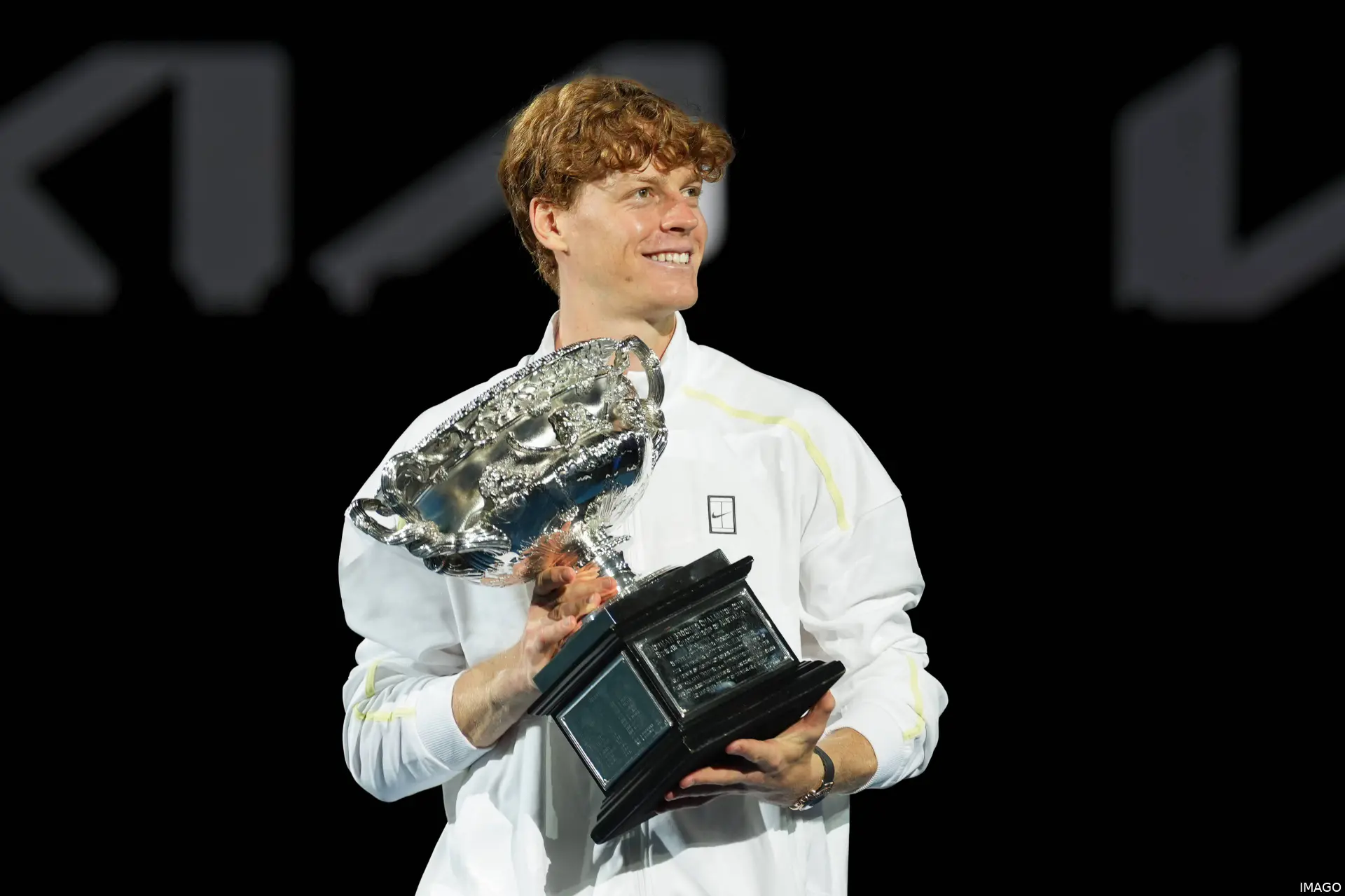
I know how this sounds to tennis traditionalists, so I’ll start with some honesty. I respect the Australian Open. I understand its place in the sport’s history. I recognize the level of play, the champions it produces, and the physical demands it places on athletes.
I’ve been to Australia more than once. I get why people love it. And still, year after year, I find it hard to feel even remotely excited about the tournament and the entire Australian swing.
For me, the Australian Open has never quite felt like a true Grand Slam. It doesn’t even register the way Indian Wells does, which has embraced its role as, by far, the most important non-major event in the sport. Indian Wells knows exactly what it is. Indian Wells is, literally, Tennis Paradise.
The Australian Open, by contrast, as a Grand Slam, stands shoulder to shoulder with the French Open, Wimbledon, and the U.S. Open, and that comparison has always felt strained. Those three tournaments feel like the big leagues. The Australian Open feels like the only minor-league Grand Slam.
Geography and sports isolation a leading factor
This is not about the quality of tennis. The matches are often excellent, the fields are super deep with no woman in the WTA field getting a round of 128 bye, and the winners earn every ounce of their success. But prestige in sports is about more than difficulty or talent. It is about timing, shared experience, cultural weight, and consequence. This is where the Australian Open consistently struggles.
Geography plays a real role. Australia is not just far from North America. It is emotionally distant in the sports calendar. Matches unfold while most of us are asleep. Finals are decided before the day even starts. Even devoted fans, including rabid WTA fans like me who sometimes check match scores in the middle of the night, eventually give in to reality. Watching highlights the next morning is not the same as living the moment as it happens.
Sports thrive on collective experience. The feeling that everyone is watching together matters. The Australian Open happens largely in isolation for much of the tennis world. We wake up to results instead of anticipation. Moments become summaries, and drama turns into a scoreline.
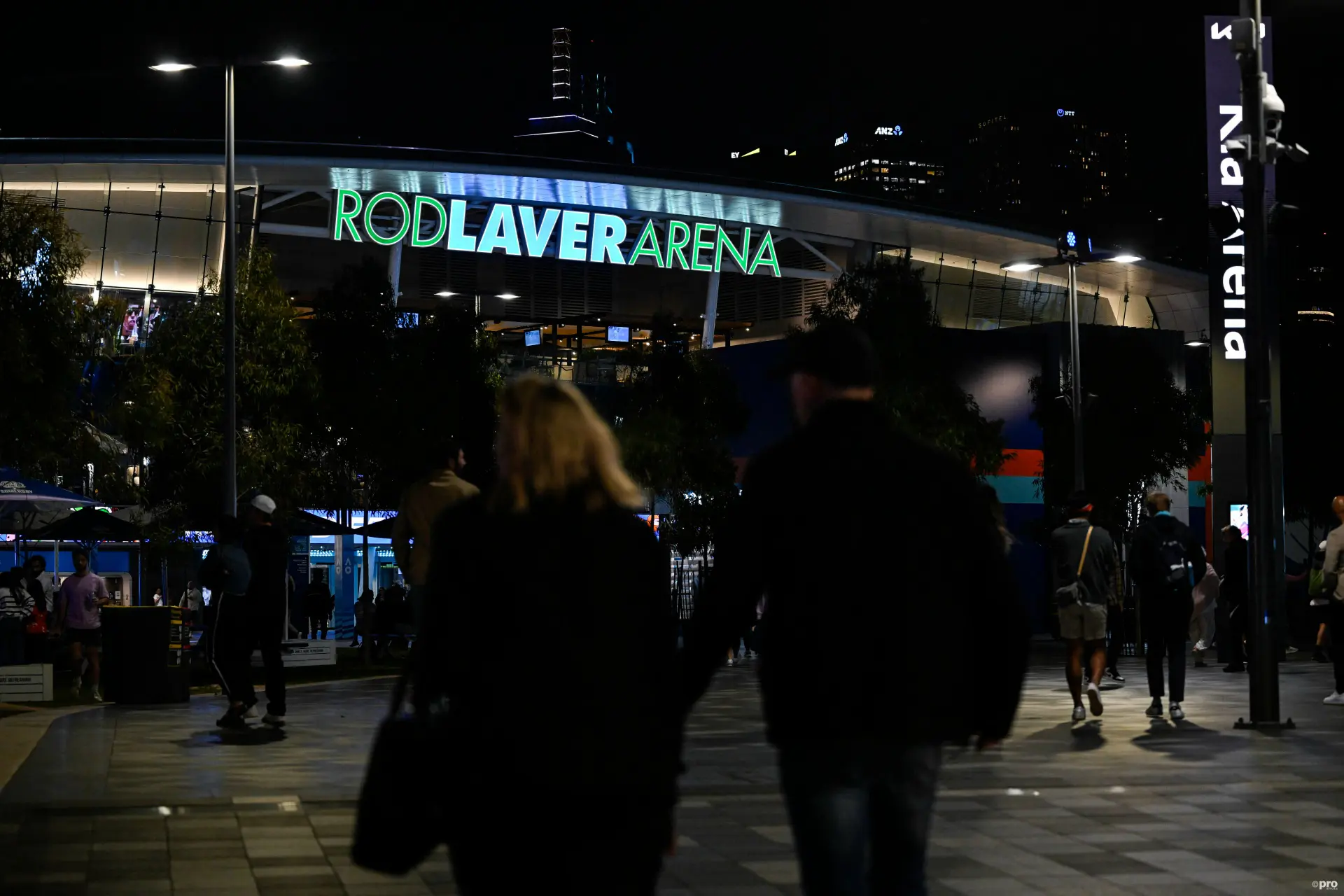
Timing adds another layer. January is an awkward moment for emotional investment. The season has barely begun. Storylines are incomplete. Players are still finding form, working through injuries, or adjusting expectations. Compare that to Wimbledon or the U.S. Open, where narratives feel earned, or the French Open, which follows a long and punishing clay season that gives it a sense of inevitability. The Australian Open often feels like an extraordinarily important event that arrives before the sport has fully warmed up.
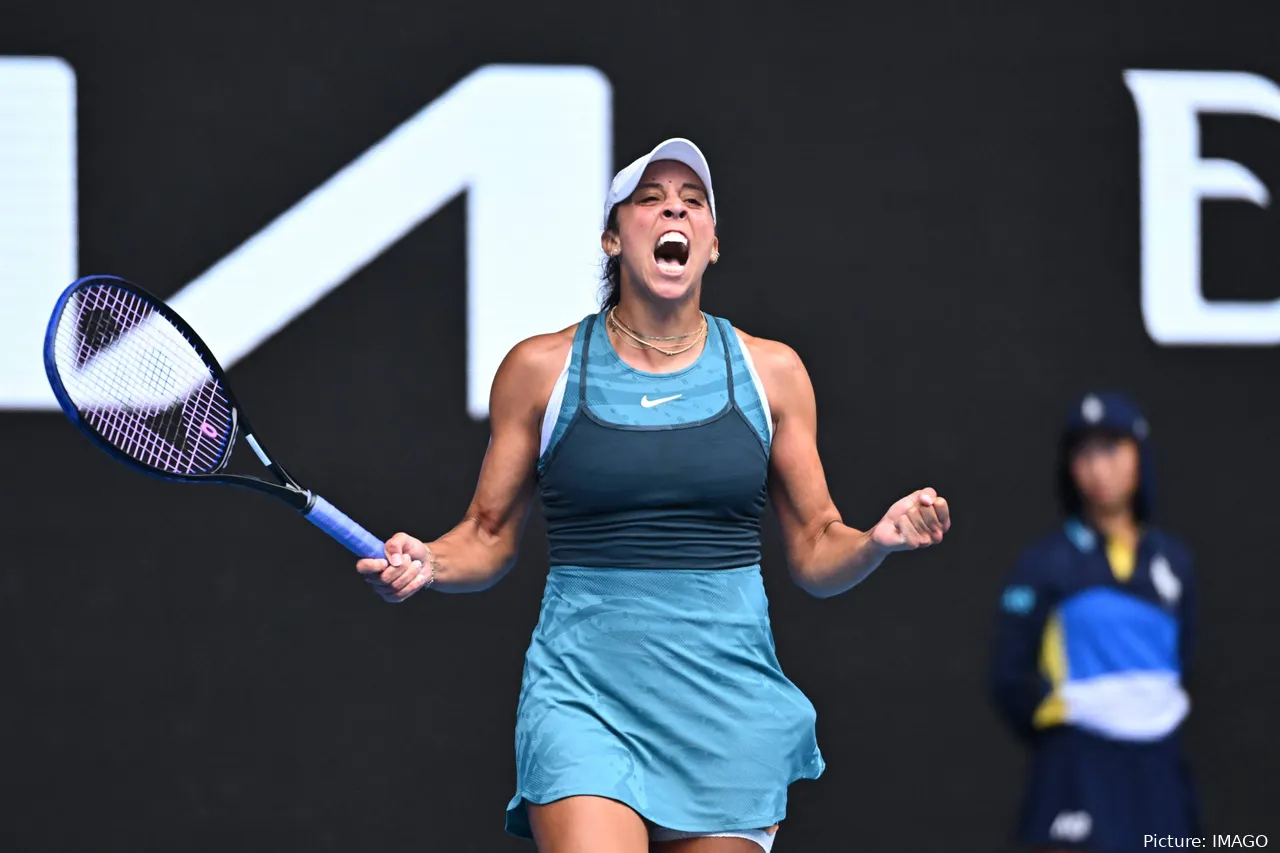
Madison Keys was champion in 2025 in the women's tournament.
The setting itself contributes to this feeling. Australia’s major cities are impressive, livable, and welcoming. Culturally, though, they often feel like a blend of England and Canada. Polished, orderly, and pleasant. There is nothing wrong with that, but it does not carry the same sense of mythology. Paris, London, and New York bring built-in identity to their tournaments. Melbourne brings efficiency, and efficiency rarely creates legend.
Even the tournament’s branding reflects this difference. “The Happy Slam” sounds more like reassurance than inevitability. It’s great that our beloved Dasha Saville does IG posts showing that the food is excellent in the player lounge. Grand Slams do not usually need to explain themselves. Their significance is assumed.
What ultimately separates the Australian Open from the other three is consequence. Winning Wimbledon changes how a player is remembered. The U.S. Open can redefine a career. The French Open tests identity and endurance in a way no other event does. Winning the Australian Open is unquestionably impressive, but it often feels contained. The victory does not linger in the broader cultural conversation in quite the same way.
This is not a criticism of Australian fans or Australian tennis. The crowds are knowledgeable, passionate, and deeply engaged. Nor is it a dismissal of the champions who have won there. Some of the greatest players in history have built meaningful parts of their legacy in Melbourne.
But greatness of competition does not automatically create greatness of context.
No pretension that all four exist in same Echo Chamber
In baseball terms, the Australian Open feels like AA. The talent is real. The games matter. The stats count. But everyone understands it is not quite the show. The French Open, Wimbledon, and the U.S. Open feel like the majors because they sit at the center of tennis’s imagination. The Australian Open exists just off to the side.
That does not make it bad. It just makes it different.
Pretending all four land equally does not reflect how fans actually experience the sport. Most of us know the difference, even if we rarely say it out loud.
So I’ll say it plainly. I respect the Australian Open. I watch it when I can. I admire what it demands of players. But excitement and anticipation are harder to summon. That sense that tennis’s soul has arrived does not quite follow.
For me, it never has.
And that is not criticism for its own sake. It is simply an honest reaction to how the tournament feels, year after year.

Aron SolomonGuest Author
A Pulitzer Prize-nominated journalist for his groundbreaking op-ed in The Independent exposing the NFL’s “race-norming” policies, Aron Solomon, JD, is a globally recognized thought leader in law, media, and strategy.
As Chief Strategy Officer for AMPLIFY, he leverages his deep expertise to shape the future of legal marketing. Aron has taught entrepreneurship at McGill University and the University of Pennsylvania and was honored as a Fastcase 50 recipient, recognizing him among the world’s top legal innovators. A prolific commentator on law, business, and culture, his insights regularly appear in Newsweek, The Hill, Crunchbase News, and Literary Hub.
He has also been featured in The New York Times, Fast Company, Fortune, Forbes, CBS News, CNBC, USA Today, ESPN, TechCrunch, BuzzFeed, Venture Beat and countless other leading global media outlets. We are proud to have Aron on board at TennisUpToDate, where his deep tennis expertise enriches the site with sharp, original columns that connect the sport to wider cultural debates.
claps 3visitors 2
Just In

Popular News
Latest Comments
- A healthy Qinwen may be hard to stop next season. She was already scaring her opponents before her medical leave(s). Unfortunately, Zheng insisted on singing again. On the positive side -- Mirra did not sing!! ;~}
 mandoist11-10-2026
 - Where is it written that athletes, entertainers... People in general... are mandated to keep looking at -- or even using [anti]Social Media? Public & private figures consistently complain and reveal their concerns about negativity and violence thrown at them -- yet they insist on participating. Avoid it, don't use it, don't read it. It's okay to occasionally look up at the World instead beating your eyes & thumbs to death on The Inventions out there.mandoist11-10-2026
- great articlestennisseserver07-10-2026
- Medvedev was leading Djokovic 7-5, 3-5 when an attempted return..' NO you ignorants, Djokovic was leading .weiss05-10-2026
- No more bullshit "Wildcards" to these two. Qualify like everyone else -- there will be cameras there, too. Time to scream... WTF ????!!!!mandoist29-09-2026
- Let's not BS the general public -- Sabalenka started showing cracks in her game last season. Her losses and near-losses started at about the same time she began being distracted by Fame (constant Selfies, making TV commercials, magazine shoots, endless Social Media nonsense, etc., etc.) One would think even Saba could recognize the parallels with others who failed before her -- Raducanu, Giorgi, Bouchard to name a few.mandoist25-09-2026
- Gross!! Hey Raducanu, Giorgi, and Bouchard -- reserve a seat at your Social Media Selfie table for Saba + Naomi. They're heading in your direction soon enough.mandoist24-09-2026
- And then these same players will complain about how lengthy their season’s were and need more time-off. I’m all for more tennis but the amount of tennis we get now is actually kind of crazy! We all need a break, especially the players.DaveyWavey23-09-2026
- You should do a comparison article for "different kinds of justice" the courts decide for tennis players. I can think of at least three players who received very small bans of a few months, however Tara Moore has been fighting for her literal survival the past few years. It seems odd considering she is not a "name" player, unlike the other cases.DaveyWavey22-09-2026
- PRIZE MONEY & POINTS Winner - $185,500 Finalist - $114,500 Semi-Finalist - $66,003 Quarter-Finalist - $35,000 Round of 16 - $18,045 Round of 32 - $13,005 Winner - 500 Finalist - 325 Semi-Finalist - 195 Quarter-Finalist - 108 Round of 16 - 60 Round of 32 - 1DaveyWavey20-09-2026

Loading