When does the Australian Open 2026 start? How to get to Melbourne Park and key dates for opening Grand Slam
FAQ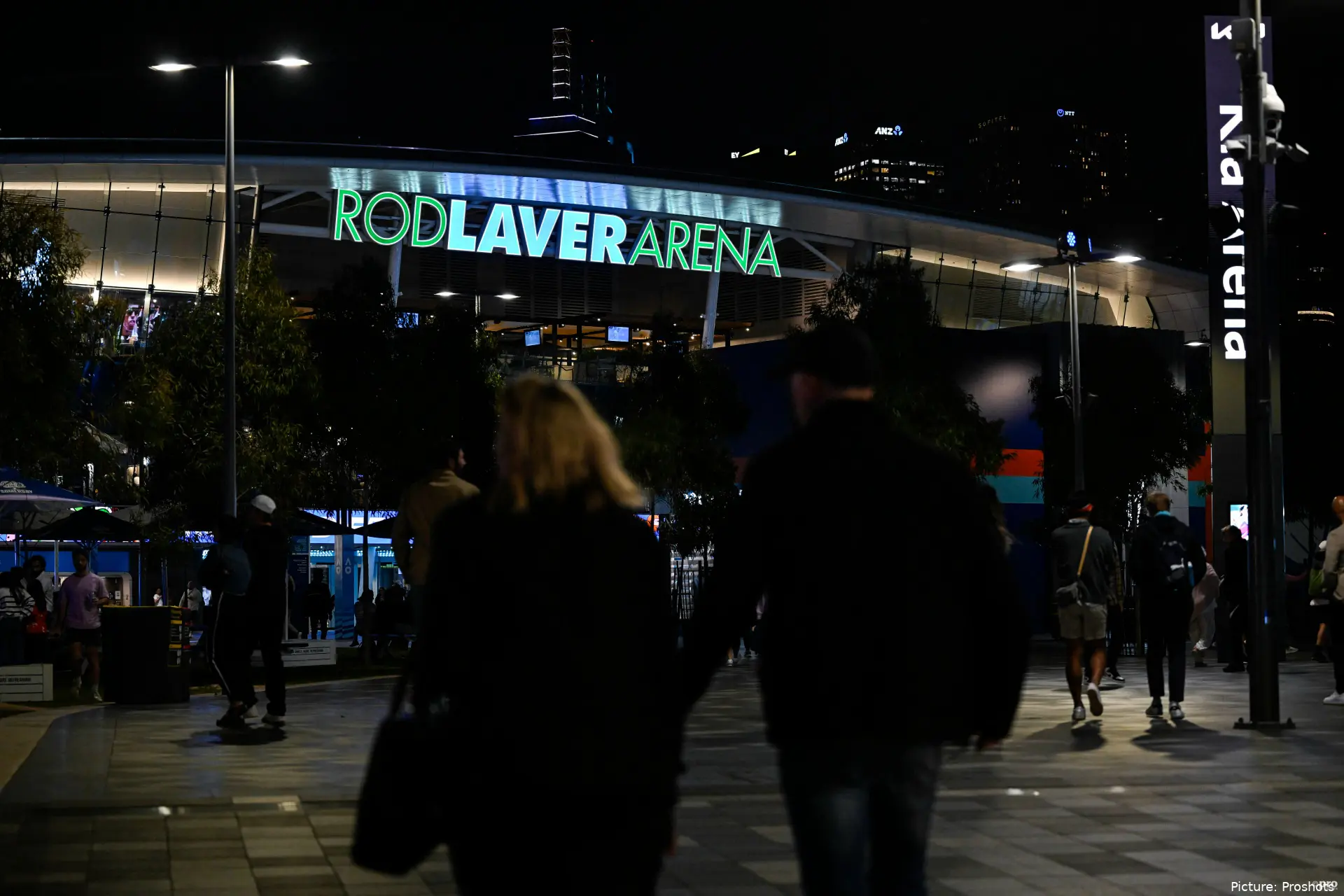
In 2026, the Australian Open
celebrates its 115th edition, bringing fresh drama to Melbourne Park’s hard
courts. The main draw opens on Sunday, January 18, and the tournament
culminates with the women’s final on Saturday, January 31, followed by the men’s
final on Sunday, February 1.
While the champions have yet
to be determined, betting markets suggest Aryna Sabalenka is among the early
favourites in the women’s field, closely followed by Coco Gauff and Iga Swiatek.
On the men’s side, Jannik Sinner leads the odds, with strong competition
expected from a deep lineup.
Beyond the on-court action,
Australian Open 2026 promises a full festival experience. Qualifying week runs from January 12 to 17, featuring open practices, charity exhibitions, and the popular Opening
Week festivities. Fans will enjoy Melbourne Park’s renowned amenities, featuring
three retractable roof stadiums, vibrant fan zones, live entertainment, and the
iconic “Happy Slam” atmosphere.
Here is all the info you need to know about the Australian Open:
1. When does the Australian Open 2026 start?
2. Where is the Australian Open played?
3. What is the Australian Open?
4. How to get to the Australian Open?
5. Key Dates for Australian Open
6. Who are the defending Australian Open champions?
7. How to get Australian Open tickets?
8. How to watch the Australian Open live on TV?
9. What makes the Australian Open unique?
10. Why could the Australian Open 2026 be special?
2. Where is the Australian Open played?
3. What is the Australian Open?
4. How to get to the Australian Open?
5. Key Dates for Australian Open
6. Who are the defending Australian Open champions?
7. How to get Australian Open tickets?
8. How to watch the Australian Open live on TV?
9. What makes the Australian Open unique?
10. Why could the Australian Open 2026 be special?
1. When does the Australian Open 2026 start?
The 2026 Australian Open
begins on Sunday, January 18, 2026 and will conclude with the men’s singles
final on Sunday, February 1, 2026. The choice to start on a
Sunday rather than the traditional Monday was first adopted in 2024. Organisers
found that an extra weekend session at the start allowed more fans to attend early
round matches, gave TV partners an extra prime-time slot, and spread out
the scheduling load for players. This also means that the tournament will now
run across 15 days rather than the traditional 14.
The women’s singles final is
scheduled for Saturday, January 31, while the men’s final is the following
evening. Both finals are played in Rod Laver Arena, under the lights, and are
among the most-watched tennis events globally.
2. Where is the Australian Open played?
The Australian Open’s home
is Melbourne Park, an internationally recognised tennis complex on the banks of
the Yarra River in Melbourne, Victoria.
Melbourne Park has:
1. Rod Laver Arena, 14,820-seat centre court with a retractable roof.
2. Margaret Court Arena – 7,500 seats, also with a roof, offering a more intimate but still grand experience.
3. John Cain Arena – 10,500 seats, known for raucous fan energy and general admission seating for early rounds.
4. Kia Arena – a 5,000-seat partially covered stadium opened in 2022, bridging the gap between main arenas and outside courts.
2. Margaret Court Arena – 7,500 seats, also with a roof, offering a more intimate but still grand experience.
3. John Cain Arena – 10,500 seats, known for raucous fan energy and general admission seating for early rounds.
4. Kia Arena – a 5,000-seat partially covered stadium opened in 2022, bridging the gap between main arenas and outside courts.
A network of outdoor courts
for singles, doubles, juniors, wheelchair events, and practice sessions. The entire precinct is
pedestrian-friendly, with food markets, entertainment stages, sponsor
activations, and plenty of shaded areas, essential in the Australian summer.
3. What is the Australian Open?
The Australian Open is one
of tennis’s four Grand Slam tournaments, alongside the French Open, Wimbledon,
and the US Open. It is the year’s first major, making it a tone-setter for the
ATP and WTA tours. The tournament was founded
in 1905 and has been held in several cities before settling permanently in
Melbourne in 1972. It was traditionally played on grass courts until 1988, when
it moved to Melbourne Park and switched to hard courts. Initially using Rebound
Ace, the tournament switched to Plexicushion in 2008 and then to GreenSet in
2020, a surface praised for its
consistency and moderate pace.
In addition to the main
men’s and women’s singles and doubles, the AO also hosts:
1. Mixed doubles
2. Juniors (Boys’ and Girls’ singles and doubles)
3. Wheelchair events
4. Legends and exhibition matches
1. Mixed doubles
2. Juniors (Boys’ and Girls’ singles and doubles)
3. Wheelchair events
4. Legends and exhibition matches
The Australian Open is
nicknamed the “Happy Slam”, a phrase popularised by Roger Federer, because of
its lively, festival-like atmosphere.
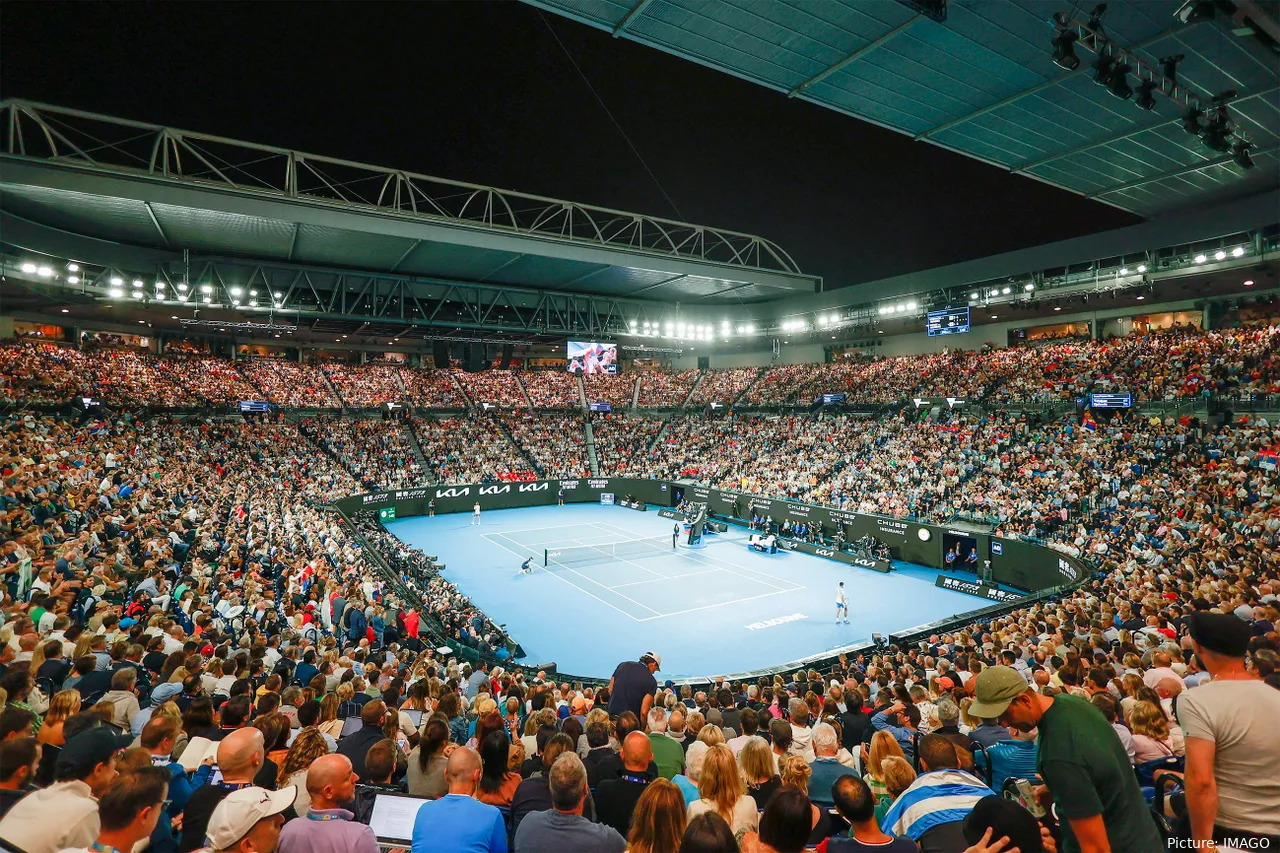
The Australian Open Stadium 2025
4. How to get to the Australian Open?
Travel to Melbourne and reach the venue
- The tournament is held at Melbourne Park in Melbourne, Australia.
- Once in Melbourne, the easiest way to reach Melbourne Park is by public transport — especially by tram.
- If you arrive at Central Flinders Street Station: take tram 70 or 70a directly to Melbourne Park (stop near Rod Laver Arena/MCG), and it’s typically free for AO ticket-holders.
- Alternatively, you can use the nearby train stop at Richmond Station and walk ~500 m to the Park — another convenient option.
On arrival at the Open
- All entrances are accessible, and there are clear signs for the different ticket types (grounds vs arena access).
- With a Ground Pass, you can still enjoy plenty of tennis — outside courts, plus sometimes access to mid-size arenas like Melbourne Arena.
5. Key Dates for Australian Open 2026
Qualifying Week running 12–17 January 2026, this is open to the public for a small fee or sometimes free entry. It’s a chance to see emerging talent and established players getting match ready.
Main Draw Dates
| Date | Month | Event |
| 18-19 | January | 1st round |
| 20-22 | January | Completion of 1st & 2nd Rounds |
| 23-24 | January | 3rd round matches |
| 25-26 | January | 4th round matches |
| 27-28 | January | Quarterfinals |
| 29 | January | Women's Semifinals |
| 30 | January | Men's semifinals |
| 31 | January | Women's Singles finals |
| 1 | February | Men's singles Finals |
Exact doubles schedules will
run parallel, often sharing show court slots. The main draw though will start on the 18th January with the schedules released 6pm AEDT the day before.
6. Who are the defending Australian Open champions and who has won the tournament?
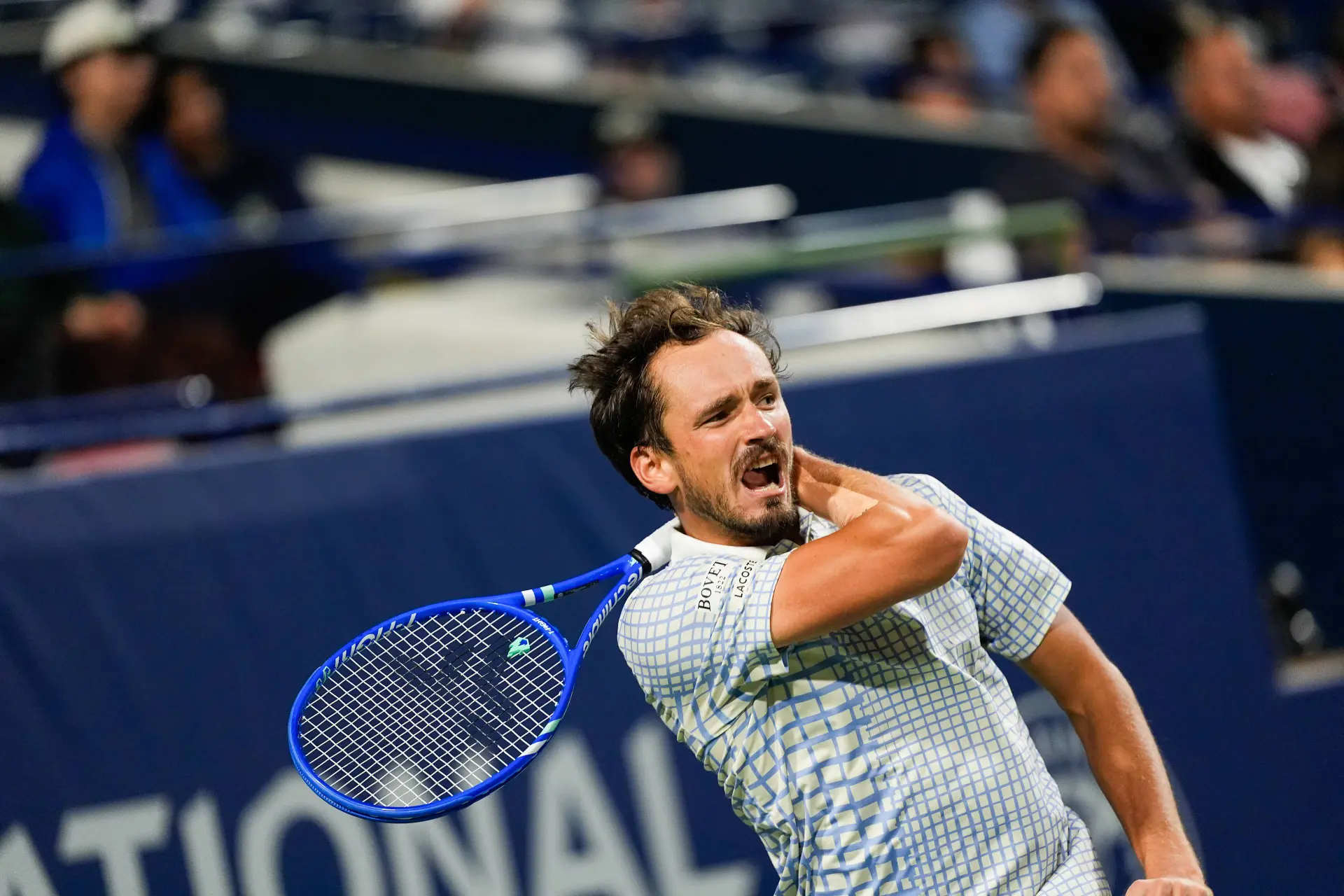
Men’s Singles – Jannik
Sinner
Sinner’s victory in 2025 cemented his status as one of the sport’s most exciting new stars. He defeated Daniil Medvedev in a four-set final, showing composure and relentless baseline play.
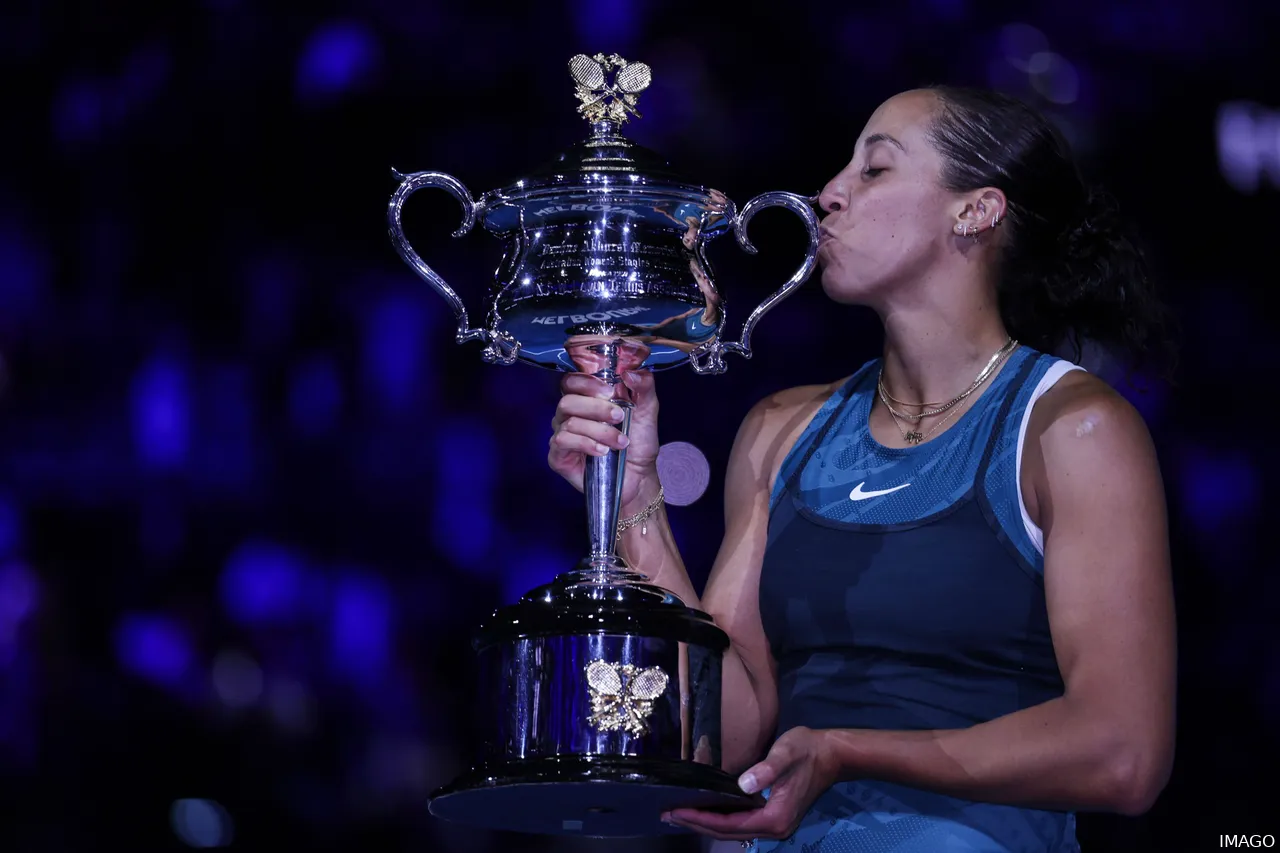
Women’s Singles – Madison Keys
Keys upset two-time defending champion Aryna Sabalenka, winning her first Grand Slam title after years of battling injuries and near-misses. Both enter 2026 with different kinds of pressure: Sinner aiming to defend in a stacked men’s field, and Keys looking to prove 2025 was the start of a sustained elite run.
Sinner’s victory in 2025 cemented his status as one of the sport’s most exciting new stars. He defeated Daniil Medvedev in a four-set final, showing composure and relentless baseline play.
Women’s Singles – Madison Keys
Keys upset two-time defending champion Aryna Sabalenka, winning her first Grand Slam title after years of battling injuries and near-misses. Both enter 2026 with different kinds of pressure: Sinner aiming to defend in a stacked men’s field, and Keys looking to prove 2025 was the start of a sustained elite run.
Novak Djokovic has won the tournament 10 times, all in the 2000's with his last coming in 2023. Roger Federer has won six in all while Andre Agassi won four back to 1995.
Australian Open – Men’s Singles Winners (2000–2025)
| Year | Winner | Runner-up | Result |
| 2000 | Andre Agassi (USA) | Yevgeny Kafelnikov (RUS) | 3–6, 6–3, 6–2, 6–4 |
| 2001 | Andre Agassi (USA) | Arnaud Clément (FRA) | 6–4, 6–2, 6–2 |
| 2002 | Thomas Johansson (SWE) | Marat Safin (RUS) | 3–6, 6–4, 6–4, 7–6(7–4) |
| 2003 | Andre Agassi (USA) | Rainer Schüttler (GER) | 6–2, 6–2, 6–1 |
| 2004 | Roger Federer (SUI) | Marat Safin (RUS) | 7–6(7–3), 6–4, 6–2 |
| 2005 | Marat Safin (RUS) | Lleyton Hewitt (AUS) | 1–6, 6–3, 6–4, 6–4 |
| 2006 | Roger Federer (SUI) | Marcos Baghdatis (CYP) | 5–7, 7–5, 6–0, 6–2 |
| 2007 | Roger Federer (SUI) | Fernando González (CHI) | 7–6(7–2), 6–4, 6–4 |
| 2008 | Novak Djokovic (SRB) | Jo-Wilfried Tsonga (FRA) | 4–6, 6–4, 6–3, 7–6(7–2) |
| 2009 | Rafael Nadal (ESP) | Roger Federer (SUI) | 7–5, 3–6, 7–6(7–3), 3–6, 6–2 |
| 2010 | Roger Federer (SUI) | Andy Murray (GBR) | 6–3, 6–4, 7–6(13–11) |
| 2011 | Novak Djokovic (SRB) | Andy Murray (GBR) | 6–4, 6–2, 6–3 |
| 2012 | Novak Djokovic (SRB) | Rafael Nadal (ESP) | 5–7, 6–4, 6–2, 6–7(5–7), 7–5 |
| 2013 | Novak Djokovic (SRB) | Andy Murray (GBR) | 6–7(2–7), 7–6(7–3), 6–3, 6–2 |
| 2014 | Stan Wawrinka (SUI) | Rafael Nadal (ESP) | 6–3, 6–2, 3–6, 6–3 |
| 2015 | Novak Djokovic (SRB) | Andy Murray (GBR) | 7–6(7–5), 6–7(4–7), 6–3, 6–0 |
| 2016 | Novak Djokovic (SRB) | Andy Murray (GBR) | 6–1, 7–5, 7–6(7–3) |
| 2017 | Roger Federer (SUI) | Rafael Nadal (ESP) | 6–4, 3–6, 6–1, 3–6, 6–3 |
| 2018 | Roger Federer (SUI) | Marin Čilić (CRO) | 6–2, 6–7(5–7), 6–3, 3–6, 6–1 |
| 2019 | Novak Djokovic (SRB) | Rafael Nadal (ESP) | 6–3, 6–2, 6–3 |
| 2020 | Novak Djokovic (SRB) | Dominic Thiem (AUT) | 6–4, 4–6, 2–6, 6–3, 6–4 |
| 2021 | Novak Djokovic (SRB) | Daniil Medvedev (RUS) | 7–5, 6–2, 6–2 |
| 2022 | Rafael Nadal (ESP) | Daniil Medvedev (RUS) | 2–6, 6–7(5–7), 6–4, 6–4, 7–5 |
| 2023 | Novak Djokovic (SRB) | Stefanos Tsitsipas (GRE) | 6–3, 7–6(7–4), 7–6(7–5) |
| 2024 | Jannik Sinner (ITA) | Daniil Medvedev (RUS) | 3–6, 3–6, 6–4, 6–4, 6–3 |
| 2025 | Jannik Sinner (ITA) | Alexander Zverev (GER) | 6–3, 7–6(7–4), 6–3 |
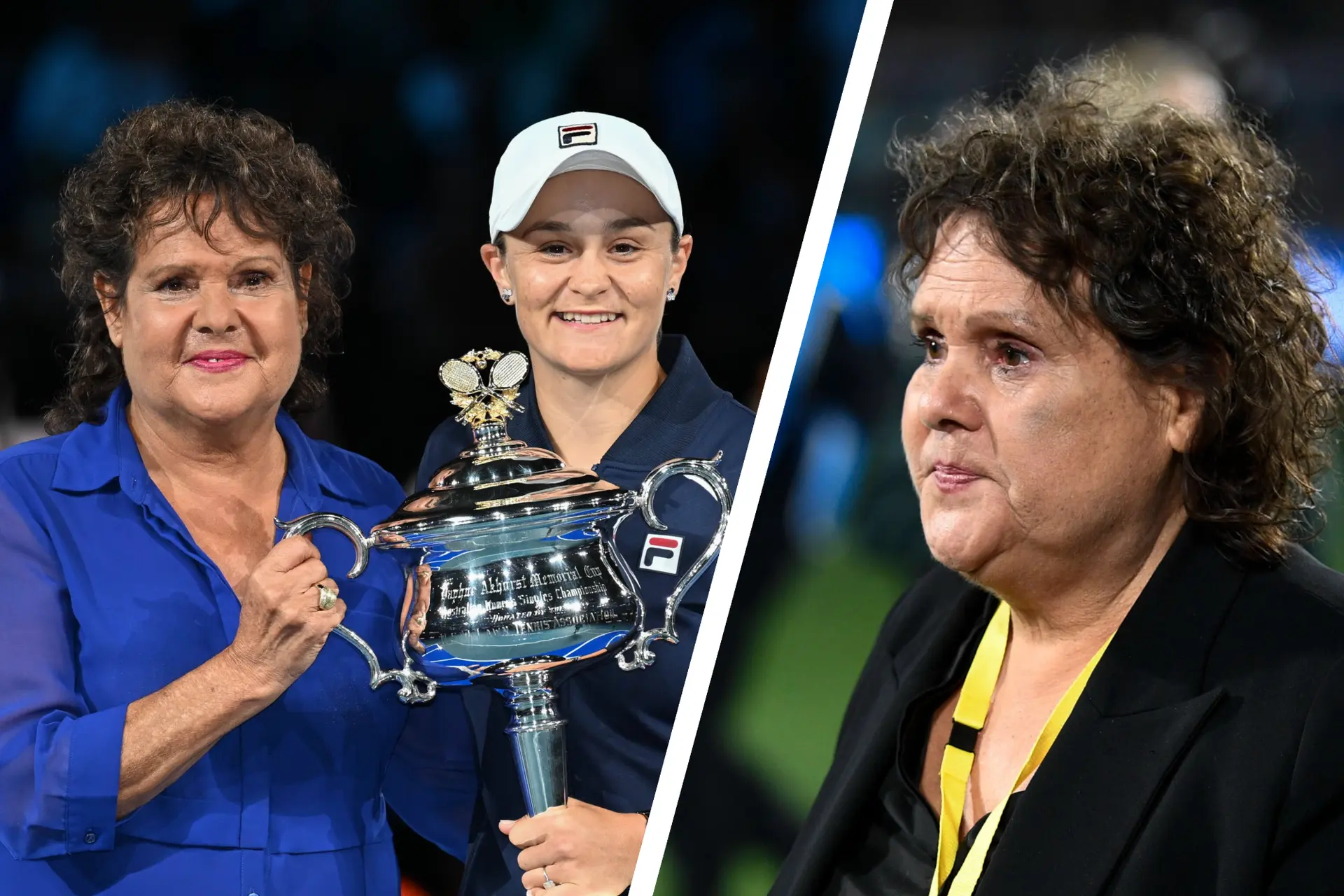
Margaret Court has won the tournament 11 times all time but in regards to the open era, Serena Williams is seven time champion and is the standout in this era.
Steffi Graf, Martina Hingis, Evonne Goolagong Cawley among others have also all won it multiple times.
Australian Open – Women’s Singles Winners (2000–2025)
| Year | Winner | Runner-up | Result |
| 2000 | Lindsay Davenport (USA) | Martina Hingis (SUI) | 6–1, 7–5 |
| 2001 | Jennifer Capriati (USA) | Martina Hingis (SUI) | 6–4, 6–3 |
| 2002 | Jennifer Capriati (USA) | Martina Hingis (SUI) | 4–6, 7–6(9–7), 6–2 |
| 2003 | Serena Williams (USA) | Venus Williams (USA) | 7–6(7–4), 3–6, 6–4 |
| 2004 | Justine Henin (BEL) | Kim Clijsters (BEL) | 6–3, 4–6, 6–3 |
| 2005 | Serena Williams (USA) | Lindsay Davenport (USA) | 2–6, 6–3, 6–0 |
| 2006 | Amélie Mauresmo (FRA) | Justine Henin (BEL) | 6–1, 2–0 retired |
| 2007 | Serena Williams (USA) | Maria Sharapova (RUS) | 6–1, 6–2 |
| 2008 | Maria Sharapova (RUS) | Ana Ivanovic (SRB) | 7–5, 6–3 |
| 2009 | Serena Williams (USA) | Dinara Safina (RUS) | 6–0, 6–3 |
| 2010 | Serena Williams (USA) | Justine Henin (BEL) | 6–4, 3–6, 6–2 |
| 2011 | Kim Clijsters (BEL) | Li Na (CHN) | 3–6, 6–3, 6–3 |
| 2012 | Victoria Azarenka (BLR) | Maria Sharapova (RUS) | 6–3, 6–0 |
| 2013 | Victoria Azarenka (BLR) | Li Na (CHN) | 4–6, 6–4, 6–3 |
| 2014 | Li Na (CHN) | Dominika Cibulková (SVK) | 7–6(7–3), 6–0 |
| 2015 | Serena Williams (USA) | Maria Sharapova (RUS) | 6–3, 7–6(7–5) |
| 2016 | Angelique Kerber (GER) | Serena Williams (USA) | 6–4, 3–6, 6–4 |
| 2017 | Serena Williams (USA) | Venus Williams (USA) | 6–4, 6–4 |
| 2018 | Caroline Wozniacki (DEN) | Simona Halep (ROU) | 7–6(7–2), 3–6, 6–4 |
| 2019 | Naomi Osaka (JPN) | Petra Kvitová (CZE) | 7–6(7–2), 5–7, 6–4 |
| 2020 | Sofia Kenin (USA) | Garbiñe Muguruza (ESP) | 4–6, 6–2, 6–2 |
| 2021 | Naomi Osaka (JPN) | Jennifer Brady (USA) | 6–4, 6–3 |
| 2022 | Ashleigh Barty (AUS) | Danielle Collins (USA) | 6–3, 7–6(7–2) |
| 2023 | Aryna Sabalenka (BLR) | Elena Rybakina (KAZ) | 4–6, 6–3, 6–4 |
| 2024 | Aryna Sabalenka (BLR) | Zheng Qinwen (CHN) | 6–3, 6–2 |
| 2025 | Madison Keys (USA) | Aryna Sabalenka (BLR) | 6–3, 2–6, 7–5 |
7. How to get Australian Open tickets
Types of Tickets
1. Ground Pass – Access to all outside courts, John Cain Arena (first come, first served), practice sessions, and entertainment precincts. Affordable and great for early rounds.
2. Rod Laver Arena Reserved Seats – For premium viewing of the biggest matches.
3. Margaret Court Arena Reserved Seats – Slightly cheaper, with high-level matches and doubles action.
4. Hospitality & Premium Packages – Combine tickets with dining, lounge access, and sometimes player meet-and-greets.
2. Rod Laver Arena Reserved Seats – For premium viewing of the biggest matches.
3. Margaret Court Arena Reserved Seats – Slightly cheaper, with high-level matches and doubles action.
4. Hospitality & Premium Packages – Combine tickets with dining, lounge access, and sometimes player meet-and-greets.
Where to Buy
The official Australian Open
site and authorised resellers release tickets in stages. General sale usually
starts in October.
Travel packages from companies like Sportsnet Holidays and Grand Slam Tennis
Tours can secure seats months earlier.
Tickets are available from October 7 2025 for the 2026 edition and are set to be available from Ticketmaster Australia for those wanting to book for the event on either a single day pass or for the whole tournament.
Tips for Success
Early round night sessions
in Rod Laver Arena often feature top seeds at lower prices than finals. If on a budget, combine a
Ground Pass with a seat in Kia Arena or John Cain Arena for value. Finals weekend tickets sell
out within minutes of release.
Madison Keys - the 2025 Australian Open champion
8. How to watch Australian Open live on TV
- Australia – Broadcast on the Nine Network (Nine, 9Gem) and streamed on 9Now.
- United States – ESPN, ESPN2, ESPN3, ABC, and ESPN+ streaming.
- UK & Ireland – TNT Sports.
- Europe – Eurosport and Discovery+ have rights in most countries.
- Asia Pacific – Coverage varies; many territories use local sports networks.
9. What makes the Australian Open unique
Festival Feel – With live bands, street food markets, art installations, and interactive sponsor zones, the AO feels like part sporting event, part summer festival.
Night Sessions – The AO pioneered regular night matches under lights, creating electric atmospheres and drawing big TV audiences in Europe and the Americas.
Extreme Heat Management – The AO’s Extreme Heat Policy and three retractable-roof arenas ensure play can continue even in 40°C+ conditions.
Proximity to City Life – Unlike Roland Garros or Wimbledon, Melbourne Park is a short walk from the CBD, making it easy for fans to explore the city before or after matches.
Equality in Prize Money – The AO was among the early Slams to commit to equal prize money for men and women.
Record Attendance – In 2025, AO set a Grand Slam attendance record with over 1.2 million fans across qualifying and main draw sessions.
Fan Access – Players often sign autographs after practice or even during match warm-ups — much more accessible than at some other majors.
Night Sessions – The AO pioneered regular night matches under lights, creating electric atmospheres and drawing big TV audiences in Europe and the Americas.
Extreme Heat Management – The AO’s Extreme Heat Policy and three retractable-roof arenas ensure play can continue even in 40°C+ conditions.
Proximity to City Life – Unlike Roland Garros or Wimbledon, Melbourne Park is a short walk from the CBD, making it easy for fans to explore the city before or after matches.
Equality in Prize Money – The AO was among the early Slams to commit to equal prize money for men and women.
Record Attendance – In 2025, AO set a Grand Slam attendance record with over 1.2 million fans across qualifying and main draw sessions.
Fan Access – Players often sign autographs after practice or even during match warm-ups — much more accessible than at some other majors.

Jannik Sinner is the 2025 champion from the Australian Open.
10. Why could the Australian Open 2026 be special?
Several factors point to the
2026 edition being particularly memorable:
It’s the 115th edition of the tournament, a milestone that could see commemorative events and special exhibitions.
Sinner and Keys are both attempting to defend their titles against deep, hungry fields.
Novak Djokovic may be chasing another AO title to further cement his dominance in Melbourne.
The new Sunday start format, now in its third year, continues to evolve and could draw record crowds again.
Melbourne Park’s continued upgrades — including more shaded seating and expanded fan zones — will improve the spectator experience.
It’s the 115th edition of the tournament, a milestone that could see commemorative events and special exhibitions.
Sinner and Keys are both attempting to defend their titles against deep, hungry fields.
Novak Djokovic may be chasing another AO title to further cement his dominance in Melbourne.
The new Sunday start format, now in its third year, continues to evolve and could draw record crowds again.
Melbourne Park’s continued upgrades — including more shaded seating and expanded fan zones — will improve the spectator experience.

Samuel GillEditor-in-Chief
Samuel Gill is the Chief Content Officer (CCO) of TennisUpToDate.com, a role he has held since 2020. He is responsible for editorial governance across the platform, including setting content standards, overseeing accuracy and consistency, and guiding long-term editorial strategy. Since joining, he has contributed more than 10,000 articles and editorial pieces across the TennisUpToDate network, playing a central role in the daily operation and development of the site.
Based in Leicester, Samuel has a broad background in tennis media. In his current role, he works closely with editors and writers to ensure coverage meets clear journalistic standards, with particular attention to verification, consistency, and timely updates when new information becomes available.
claps 1visitors 1
Just In

Popular News
Latest Comments
- A healthy Qinwen may be hard to stop next season. She was already scaring her opponents before her medical leave(s). Unfortunately, Zheng insisted on singing again. On the positive side -- Mirra did not sing!! ;~}
 mandoist11-10-2026
 - Where is it written that athletes, entertainers... People in general... are mandated to keep looking at -- or even using [anti]Social Media? Public & private figures consistently complain and reveal their concerns about negativity and violence thrown at them -- yet they insist on participating. Avoid it, don't use it, don't read it. It's okay to occasionally look up at the World instead beating your eyes & thumbs to death on The Inventions out there.mandoist11-10-2026
- great articlestennisseserver07-10-2026
- Medvedev was leading Djokovic 7-5, 3-5 when an attempted return..' NO you ignorants, Djokovic was leading .weiss05-10-2026
- No more bullshit "Wildcards" to these two. Qualify like everyone else -- there will be cameras there, too. Time to scream... WTF ????!!!!mandoist29-09-2026
- Let's not BS the general public -- Sabalenka started showing cracks in her game last season. Her losses and near-losses started at about the same time she began being distracted by Fame (constant Selfies, making TV commercials, magazine shoots, endless Social Media nonsense, etc., etc.) One would think even Saba could recognize the parallels with others who failed before her -- Raducanu, Giorgi, Bouchard to name a few.mandoist25-09-2026
- Gross!! Hey Raducanu, Giorgi, and Bouchard -- reserve a seat at your Social Media Selfie table for Saba + Naomi. They're heading in your direction soon enough.mandoist24-09-2026
- And then these same players will complain about how lengthy their season’s were and need more time-off. I’m all for more tennis but the amount of tennis we get now is actually kind of crazy! We all need a break, especially the players.DaveyWavey23-09-2026
- You should do a comparison article for "different kinds of justice" the courts decide for tennis players. I can think of at least three players who received very small bans of a few months, however Tara Moore has been fighting for her literal survival the past few years. It seems odd considering she is not a "name" player, unlike the other cases.DaveyWavey22-09-2026
- PRIZE MONEY & POINTS Winner - $185,500 Finalist - $114,500 Semi-Finalist - $66,003 Quarter-Finalist - $35,000 Round of 16 - $18,045 Round of 32 - $13,005 Winner - 500 Finalist - 325 Semi-Finalist - 195 Quarter-Finalist - 108 Round of 16 - 60 Round of 32 - 1DaveyWavey20-09-2026

Loading