Inside the No. 1 Club: John McEnroe, Roger Federer & Carlos Alcaraz headline ATP’s new deep dive into World No. 1 legacy
ATP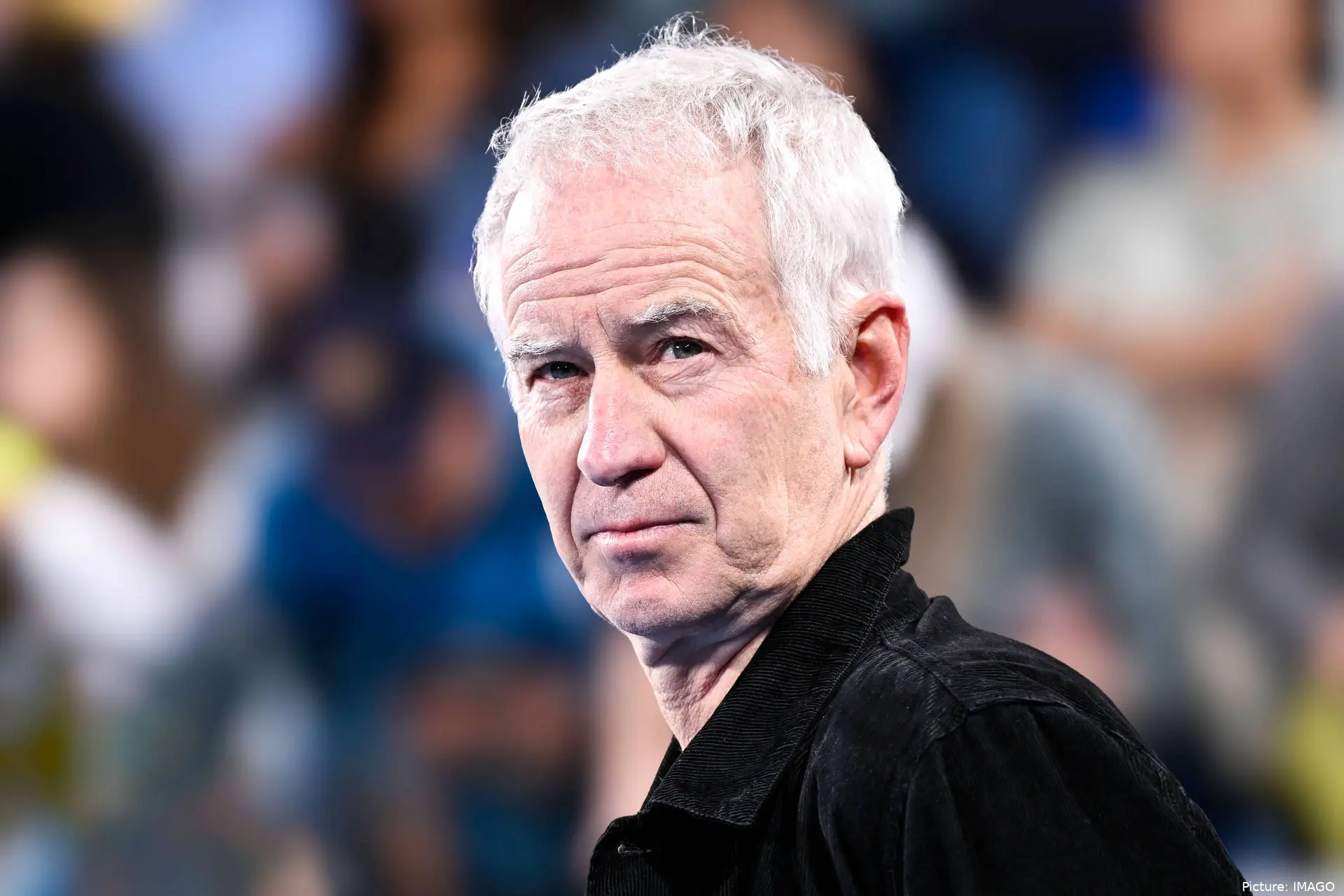
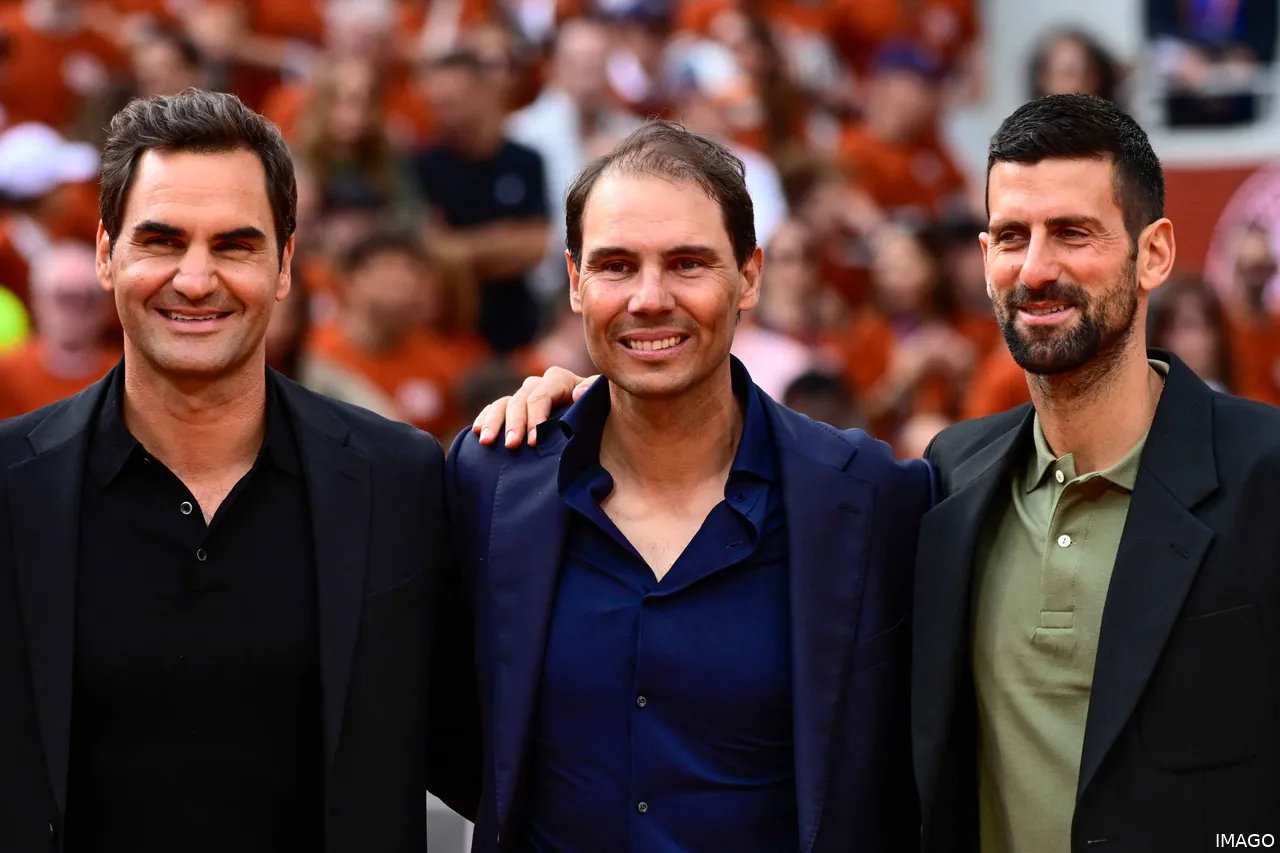
The ATP has launched ACES: The ATP No. 1 Club, a four-part docuseries centered on the 29 men who have reached World No. 1 in the ATP Rankings. The production positions the top ranking not as a seasonal achievement, but as a historical threshold defined by sustained dominance across eras.
The series brings together a wide competitive timeline, from Björn Borg’s late-1970s French Open dominance and John McEnroe’s rival-era ascension, through Jimmy Connors’ extended consistency at the top, and into the 1990s period shaped by Pete Sampras’ Wimbledon-era control and Andre Agassi’s hard-court resurgence.
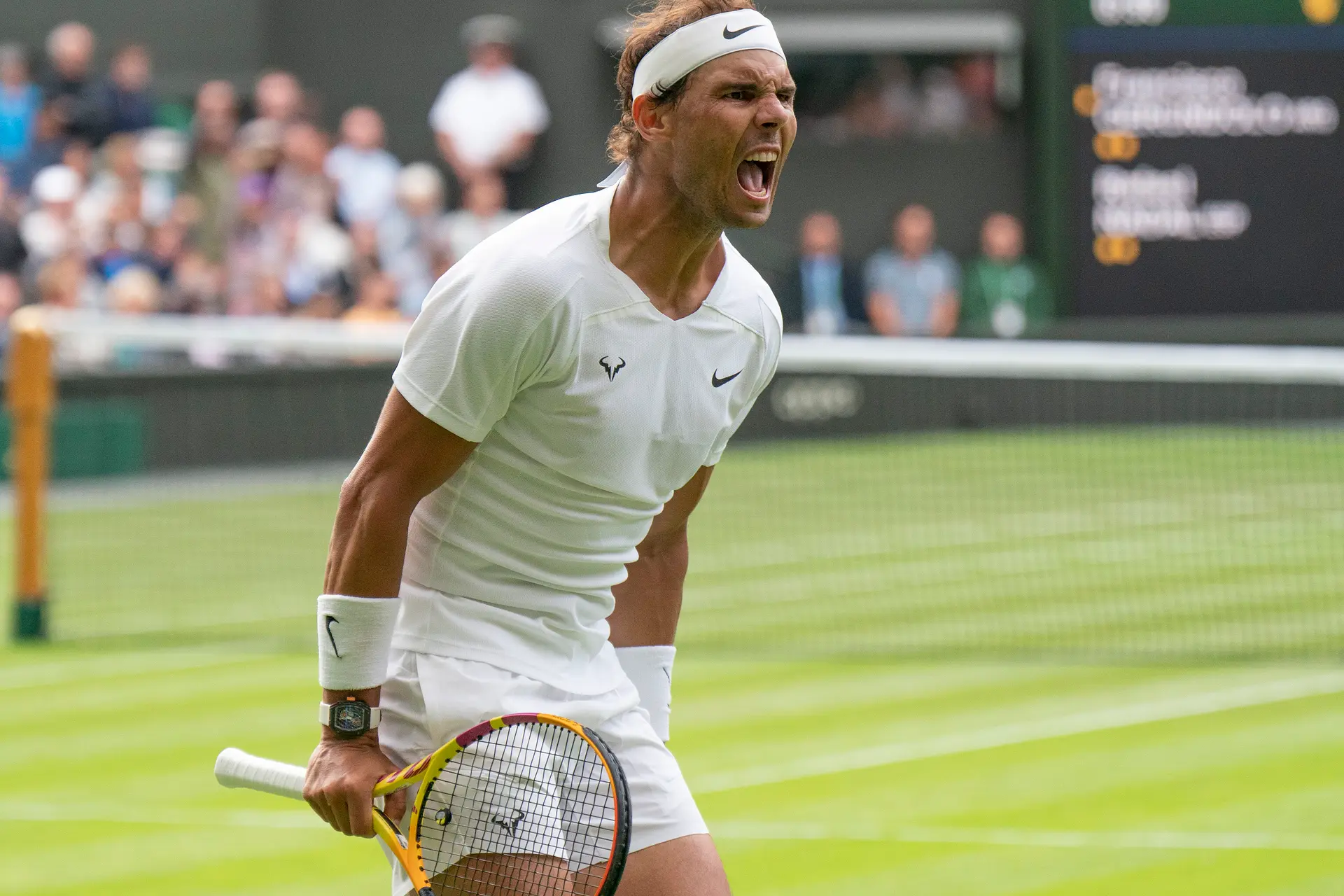
It then transitions into the modern era defined by Roger Federer’s all-surface peak dominance, Rafael Nadal’s clay-court superiority anchored by 14 Roland Garros titles, and Novak Djokovic’s record-setting accumulation of weeks at World No. 1 and all-surface Grand Slam balance.
The docuseries is distributed globally via Prime Video in the United States, with additional rollouts across platforms including Channel 5 in the United Kingdom, SkyShowtime in Europe, and regional broadcasters in Canada and Asia, forming part of a wider ATP media expansion strategy.
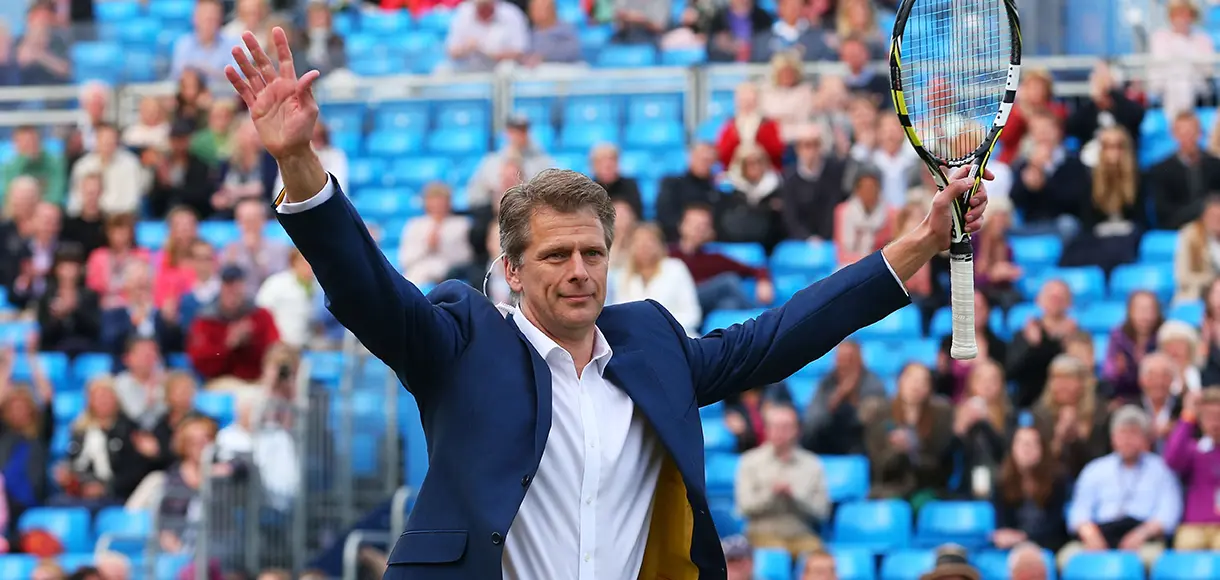
The evolution of No. 1: Borg, Sampras, Federer, Djokovic and the modern transition
The core narrative of ACES traces how the requirements for reaching World No. 1 have shifted across generations. Borg’s baseline endurance on clay and grass contrasts with McEnroe’s serve-and-volley precision, a tactical divide that defined early ranking battles in the 1980s.
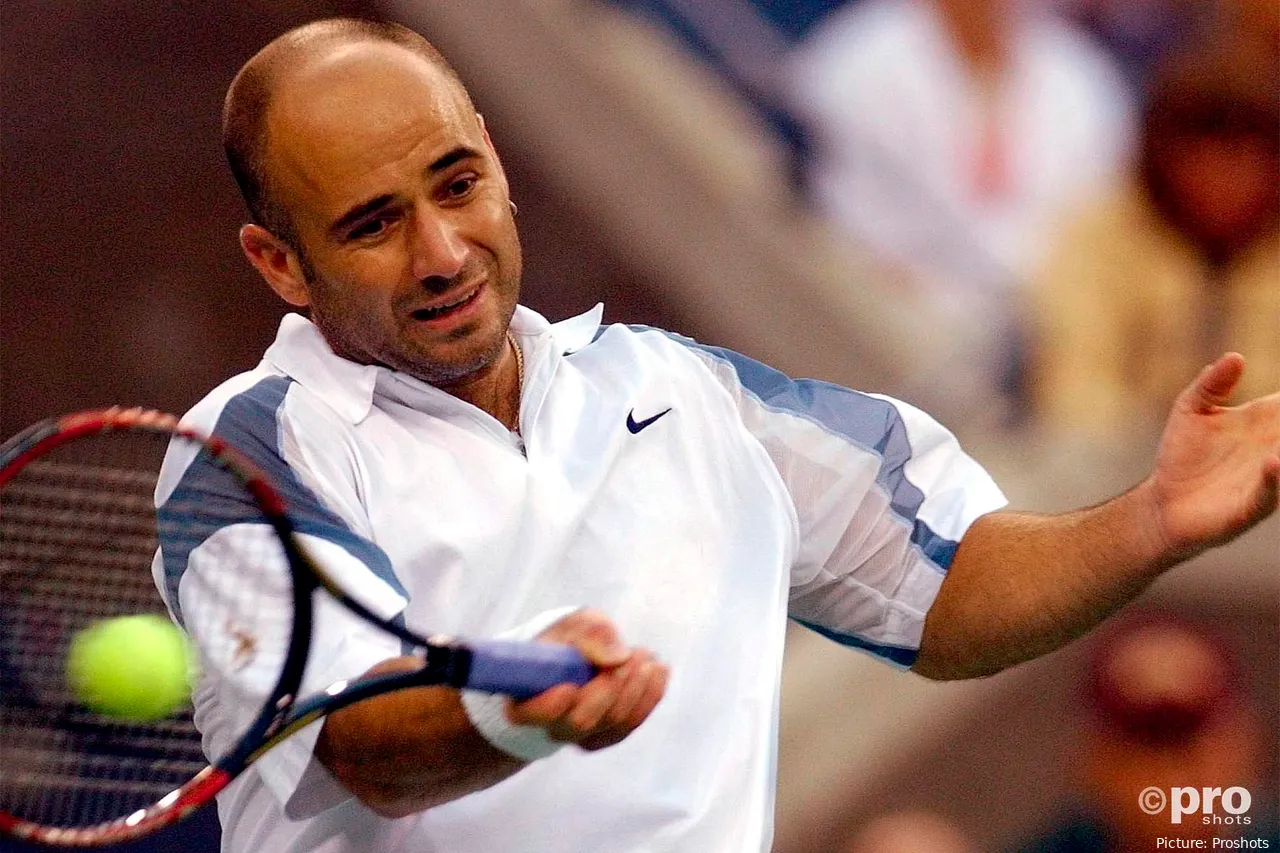
The 1990s section highlights Pete Sampras, whose 286 weeks at World No. 1 were built on grass-court dominance and serve efficiency, while Andre Agassi’s career is used as a counterpoint, emphasising baseline aggression and hard-court adaptability, culminating in his Career Grand Slam completion.
The series then moves into the Federer–Nadal–Djokovic era, where Federer’s 20 Grand Slam titles and multi-surface dominance are contrasted with Nadal’s unmatched Roland Garros record and Djokovic’s sustained No. 1 longevity and head-to-head control over both rivals. This triad is positioned as the defining competitive axis of the modern game.
ATP Chairman Andrea Gaudenzi describes reaching World No. 1 as “the ultimate achievement in our sport”, framing it as a convergence of physical endurance, tactical evolution, and sustained competitive output rather than isolated peak performance.
“ By bringing these stories to a global audience, this series gives fans a deeper understanding of what it takes to reach the top,” the Italian said. “It also helps us showcase the sport at its best, celebrate its greatest champions and connect new fans with the players and moments that have defined the game.”
Rivalries, margins and the Alcaraz–Sinner transition
A key structural layer of the docuseries is its focus on rivalries that shaped ranking transitions. Borg–McEnroe is used to illustrate stylistic contrast under pressure, while Sampras–Agassi reflects the surface-driven split between serve dominance and baseline control in the 1990s.
The Federer–Nadal–Djokovic rivalry receives extended treatment as the longest-running No. 1 cycle in tennis history, where ranking fluctuations were often determined by Grand Slam swing seasons and head-to-head outcomes in finals such as Wimbledon, Roland Garros and the Australian Open.
Read also
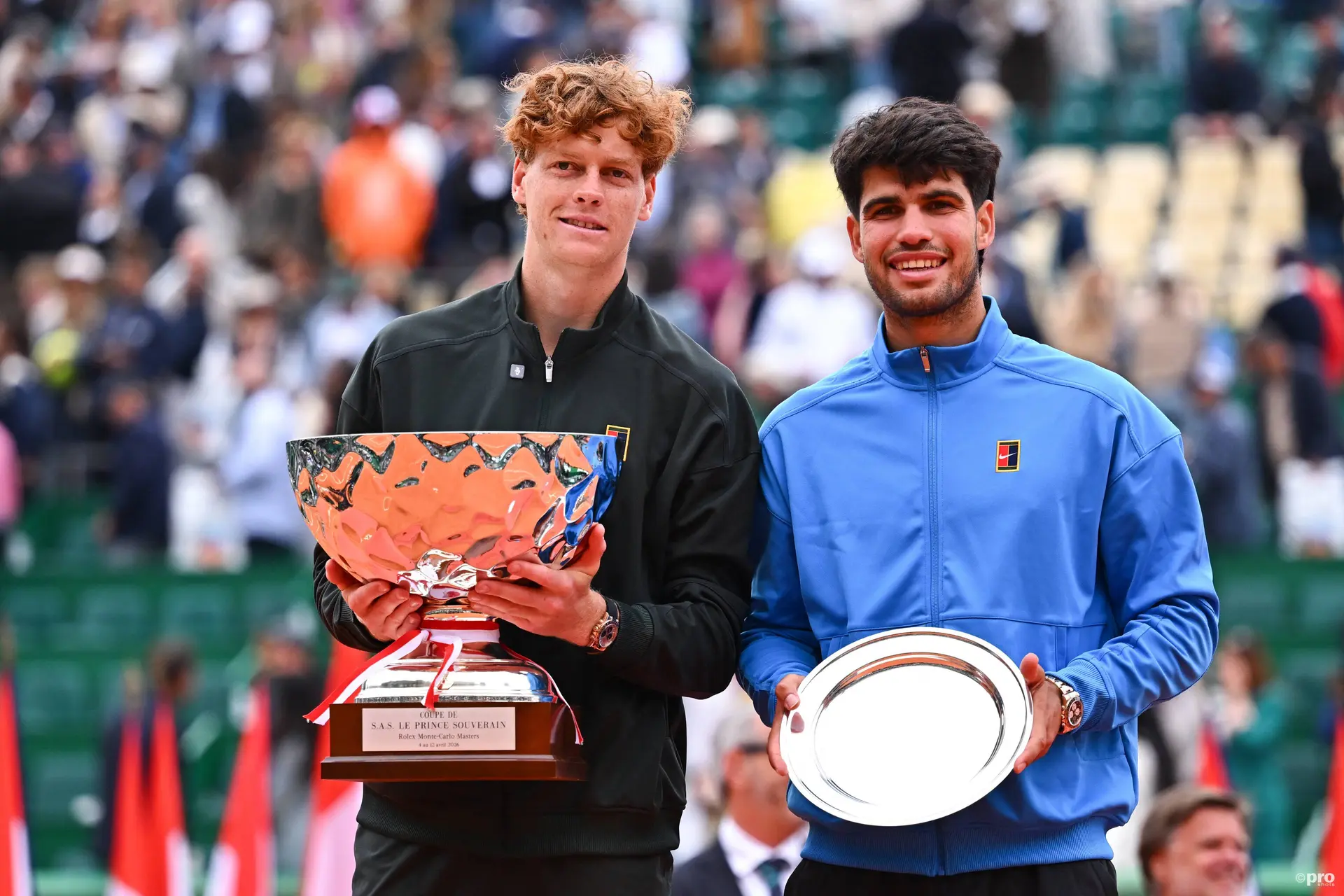
The final segment introduces Carlos Alcaraz and Jannik Sinner as the current transition pair, with Alcaraz’s early US Open and Wimbledon titles contrasted against Sinner’s rapid ascent into the top tier of the ATP rankings, signalling a potential post-Big Three consolidation phase.
Director Pat Dimon frames the project as access-driven storytelling, highlighting interviews with multiple generations of champions. “It was a privilege and lifelong dream to meet and chat with so many of the greatest tennis players in the history of the sport to tell the story of how they achieved that honour,” the Director said. “Hearing from these compelling athletes about their fiercest rivalries and historic matches, viewers will get a first-person account of their mental and physical journey to the top and the battle to stay there.”

ATP World No. 1 Players – Historical List
| Player | Total weeks at No. 1 | First reached No. 1 | |
| 1 | Novak Djokovic | 428 | 2011 |
| 2 | Roger Federer | 310 | 2004 |
| 3 | Pete Sampras | 286 | 1993 |
| 4 | Ivan Lendl | 270 | 1983 |
| 5 | Jimmy Connors | 268 | 1974 |
| 6 | Rafael Nadal | 209 | 2008 |
| 7 | John McEnroe | 170 | 1980 |
| 8 | Björn Borg | 109 | 1977 |
| 9 | Andre Agassi | 101 | 1995 |
| 10 | Lleyton Hewitt | 80 | 2001 |
| 11 | Jannik Sinner* | 75 | 2024 |
| 12 | Stefan Edberg | 72 | 1990 |
| 13 | Carlos Alcaraz* | 66 | 2022 |
| 14 | Jim Courier | 58 | 1992 |
| 15 | Gustavo Kuerten | 43 | 2000 |
| 16 | Andy Murray | 41 | 2016 |
| 17 | Ilie Năstase | 40 | 1973 |
| 18 | Mats Wilander | 20 | 1988 |
| 19 | Daniil Medvedev* | 16 | 2022 |
| 20 | Andy Roddick | 13 | 2003 |
| 21 | Boris Becker | 12 | 1991 |
| 22 | Marat Safin | 9 | 2000 |
| 23 | John Newcombe | 8 | 1974 |
| 24 | Juan Carlos Ferrero | 8 | 2003 |
| 25 | Thomas Muster | 6 | 1996 |
| 26 | Marcelo Ríos | 6 | 1998 |
| 27 | Yevgeny Kafelnikov | 6 | 1999 |
| 28 | Carlos Moyá | 2 | 1999 |
| 29 | Patrick Rafter | 1 | 1999 |
*Active players

Cristhián AvilaTennis Journalist
Cristhián Ávila is a tennis journalist based in Santiago, Chile, and has been part of the TennisUpToDate team since early 2023. He covers the ATP and WTA Tours as well as all four Grand Slams, producing breaking news, match reports, analysis, and regular liveblogs from major tournaments.
His reporting combines statistical analysis with clear explanation, helping readers understand tactical developments, player form, and broader storylines across the tour. Working fluently in both Spanish and English, Cristhián collaborates with an international editorial team and contributes to comprehensive global coverage. As part of his work, he has conducted interviews and media interactions with leading figures in the sport, including Caroline Wozniacki and John McEnroe.
In his journalism, Cristhián places strong emphasis on careful sourcing, editorial accuracy, and updating articles promptly when new, verified information becomes available. His coverage is grounded in research, context, and direct engagement with professional tennis.
claps 0visitors 0
Just In


Popular News
Latest Comments
- Does Sinner need that 4.5 mil? I doubt it. He can make that with three modelling gigs!😅🤣Rapunzel21-10-2026
- Did "People Magazine" purchase this website? This nonstop storyline is bullshit.
 mandoist21-10-2026
 - Listen... this is of no concern to anyone but these two. Deal with your own issues -- most of us have our own. Thanks, media, for these insignificant follow-ups which are meaningless.mandoist21-10-2026
- This is so very very sad, for all three of them. I truly thought they had an unbreakable bond, but life throws up so many differing challenges. Having your homeland suffering in such a terrible way, makes happiness lose out to guilt as well. Our thoughts are with them. X💔bjsexton20-10-2026
- I have lost all respect for Svitolina! Could she not have waited until he had played at the Paris Masters!!! She is selfish and don't give a damn about Gael. That is NOT how love is demonstrated Elina!!Rapunzel19-10-2026
- Perhaps convenient tennis tour sex is not a strong enough experience in which to base a marriage?mandoist19-10-2026
- Fight the Good Fight... Tennis (sports in general) need more Humans such as yourself.mandoist18-10-2026
- When is WTA going to mandate Genetic Testing (DNA) ???mandoist18-10-2026
- Hey, Dan... you just wake up from a coma? Regardless -- Thanks for the comedy this morning!mandoist18-10-2026
- Two Things: 1. Stop allowing these Spoiled Trust-Fund Elitists to behave badly. Your little hand-slaps do not deter them. 2. STOP the incessantly annoying "towel wiping" nonsense!!!!mandoist15-10-2026

Loading