Is Sinner a Nadal-level Roland Garros favourite? Andy Roddick raises key doubts: “He’s never won it before”
ATP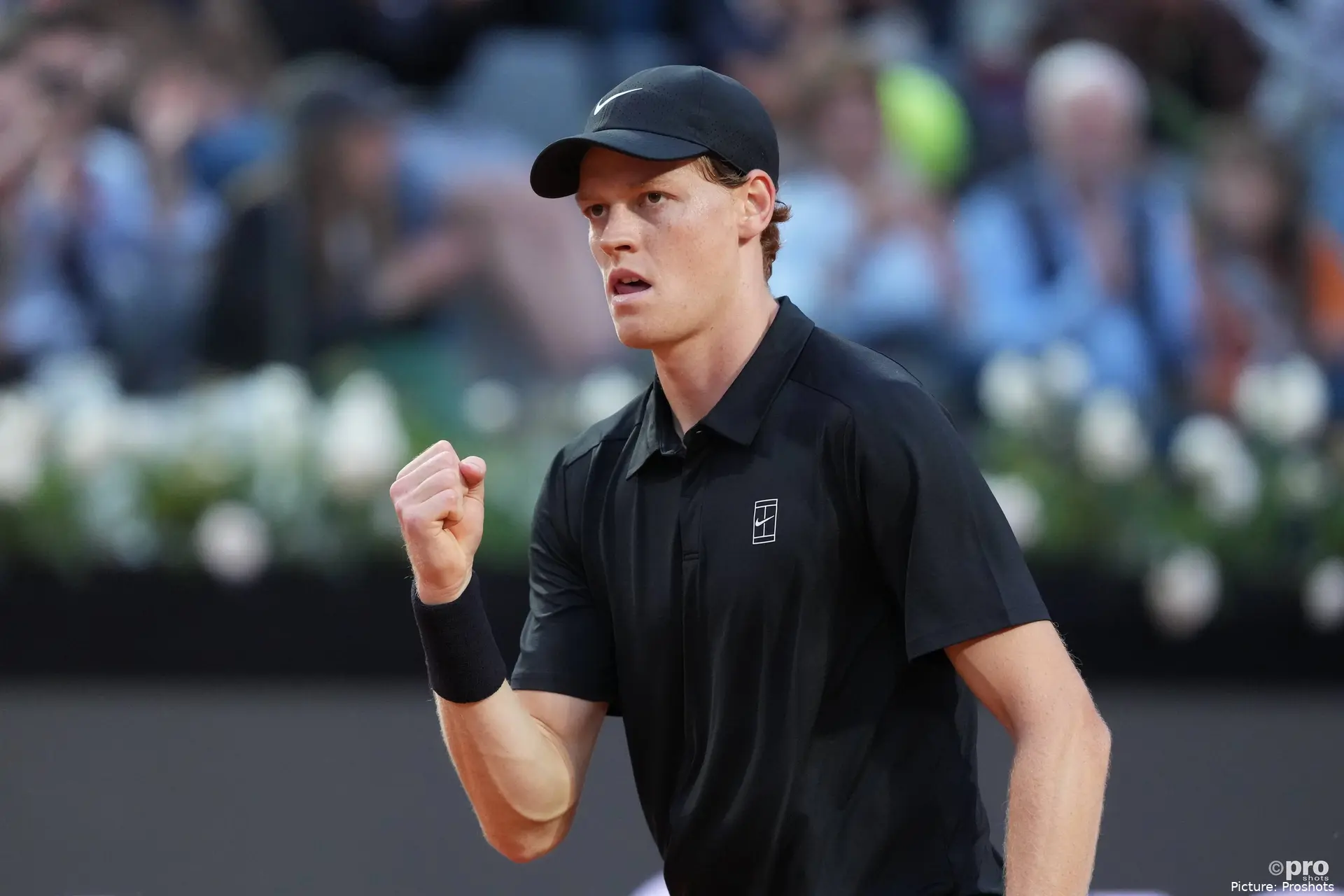
Andy Roddick has directly compared Jannik Sinner’s current dominance with Rafael Nadal’s traditional status at Roland Garros, questioning whether the world No. 1 already belongs in the same category of pre-tournament inevitability in Paris. Speaking on Served, Roddick acknowledged Sinner’s statistical level but drew a clear distinction between present form and Nadal’s historical certainty on clay.
Sinner arrives in Paris on a 32-match winning streak in Masters 1000 events, the longest in the Open Era. The run surpasses Novak Djokovic’s previous record of 31 consecutive wins set in 2011 and spans elite tournaments across the 2026 season. He is chasing a potential 33rd straight win in Rome, with the streak set to reach 34 if he wins the title.
The world No. 1 has also won five straight Masters 1000 titles, including Indian Wells, Miami, Monte Carlo and Madrid, following his Paris Masters victory in late 2025. He is now chasing a sixth in Rome, which would complete the career Golden Masters, a feat previously achieved only by Djokovic.
Roddick said the numbers place Sinner clearly as the man to beat in Paris, but stressed that Nadal’s Roland Garros status was built on years of sustained certainty rather than a single dominant season. That, he argued, is the key separation when comparing both players in the same context.

“I don’t know that we can say… let’s make the format longer”
Roddick’s first line of argument focused on the widening gap between Sinner and the chasing group, which he linked both to form and to physical instability among several top-10 players. He pointed specifically to emerging names and established contenders who, in his view, have been unable to consistently sustain pressure against Sinner in recent months.
He also dismissed the idea that structural changes, such as longer formats, would meaningfully alter competitive balance against the world No. 1, given Sinner’s control in baseline exchanges and return games.

“Massive win—Carlitos says, ‘I’m not playing Roland Garros,’ right? So that shifts even more to center… Fils has been playing amazingly well. Sinner took care of him very handily in Madrid… Draper—it’s been a minute, he hasn’t found his footing again. But guys like Draper, Zverev… I don’t know that we can sit here and say let’s make the format longer and that’ll help their chances against Jannik.”
Roddick’s view was that the separation at the top is not situational but structural, with Sinner consistently reducing variance in matches against players outside the very top tier. That, he suggested, makes external adjustments largely irrelevant in terms of altering outcome probability.

“Is Sinner as heavy a favourite as Rafa used to be?”
The central analytical question from Roddick was the comparison between Sinner’s current Roland Garros status and Rafael Nadal’s historical dominance in Paris. He framed the debate not as a generational comparison, but as a snapshot assessment of probability and competitive certainty in the current field.
He acknowledged Sinner’s exceptional form but repeatedly returned to two limiting variables: the absence of a Roland Garros title and the inherent unpredictability of clay in best-of-five conditions against elite opponents.
“Is Sinner as heavy a favourite going into Roland Garros as Rafa used to be going into Roland Garros—specifically this year?”
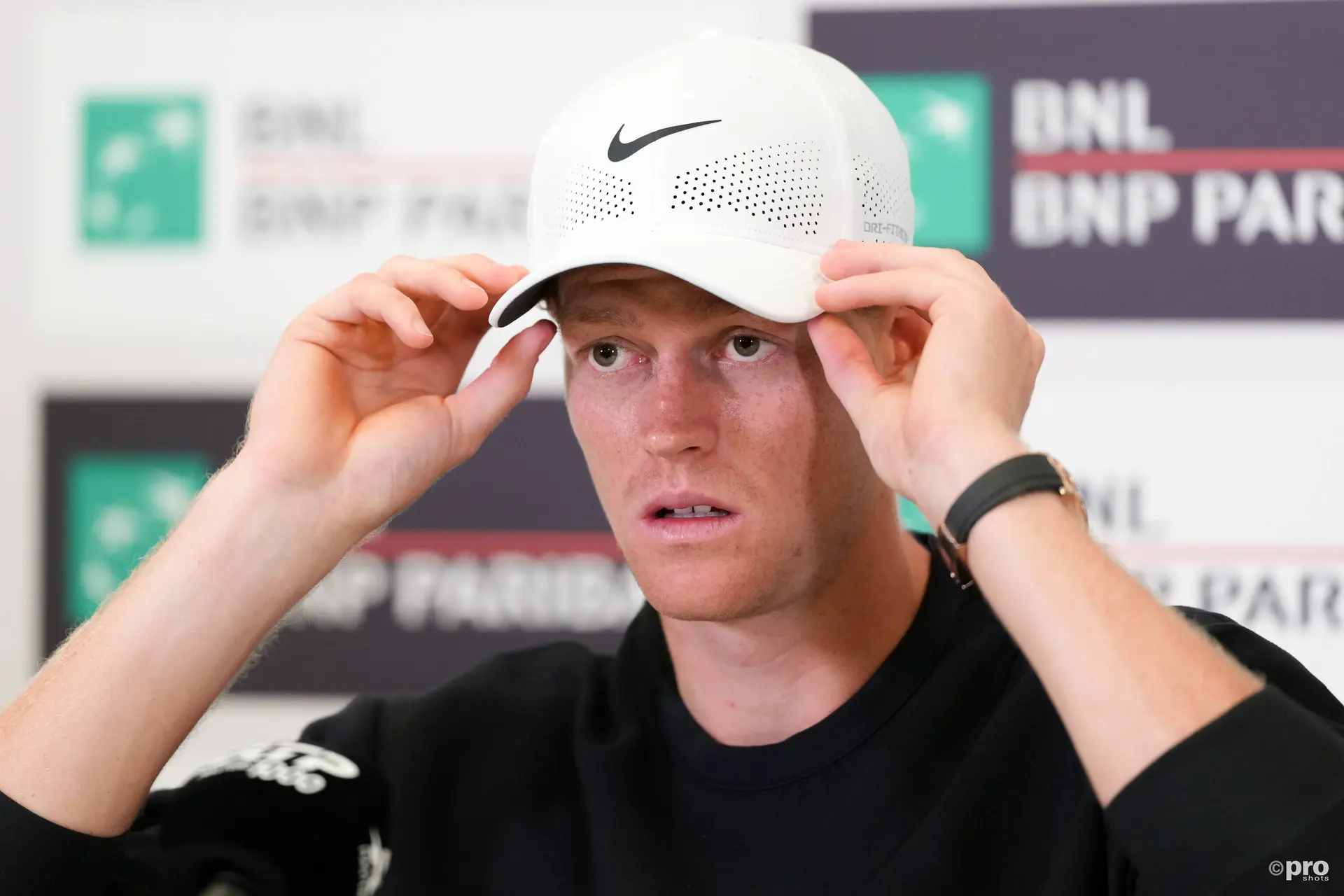
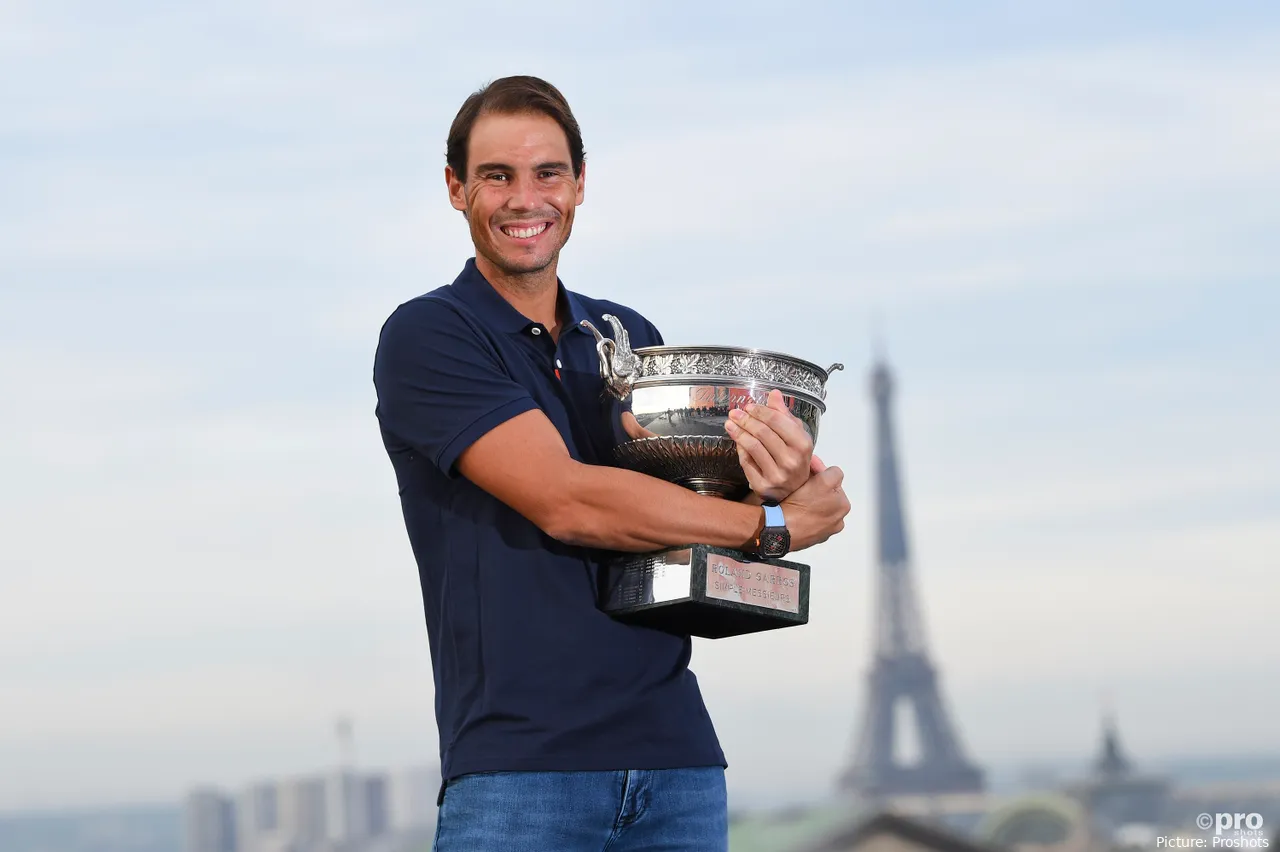
“To me, this isn’t a Sinner versus Rafa conversation. This is: if Rafa is 80–90% to go through, are you telling me Sinner’s not that right now? It’s a big number. And I think he’s against the field. Rafa was basically like, ‘who’s playing for second place, boys?’”
Roddick’s framing isolates the current season rather than the historical arc of Nadal’s career. In that narrow window, he argues Sinner is closer to overwhelming favourite status than any competitor, but still stops short of equating that with Nadal’s Roland Garros baseline expectation over a decade.
Djokovic factor and clay-court margins
Roddick also introduced Novak Djokovic as a decisive contextual variable in any late-stage Roland Garros scenario, particularly given the Serbian’s experience in high-pressure matches and Grand Slam finals. He highlighted how age, motivation and legacy stakes can alter match dynamics independently of ranking or recent form.
“I would not want to be in a showdown match against 39… It’s also Novak’s 39th birthday. If it’s Sinner versus Novak Djokovic… a showdown for a 25th major, oldest major champion in history… I think Jannik wants Novak to lose almost as much as Novak wants Sinner to lose.”
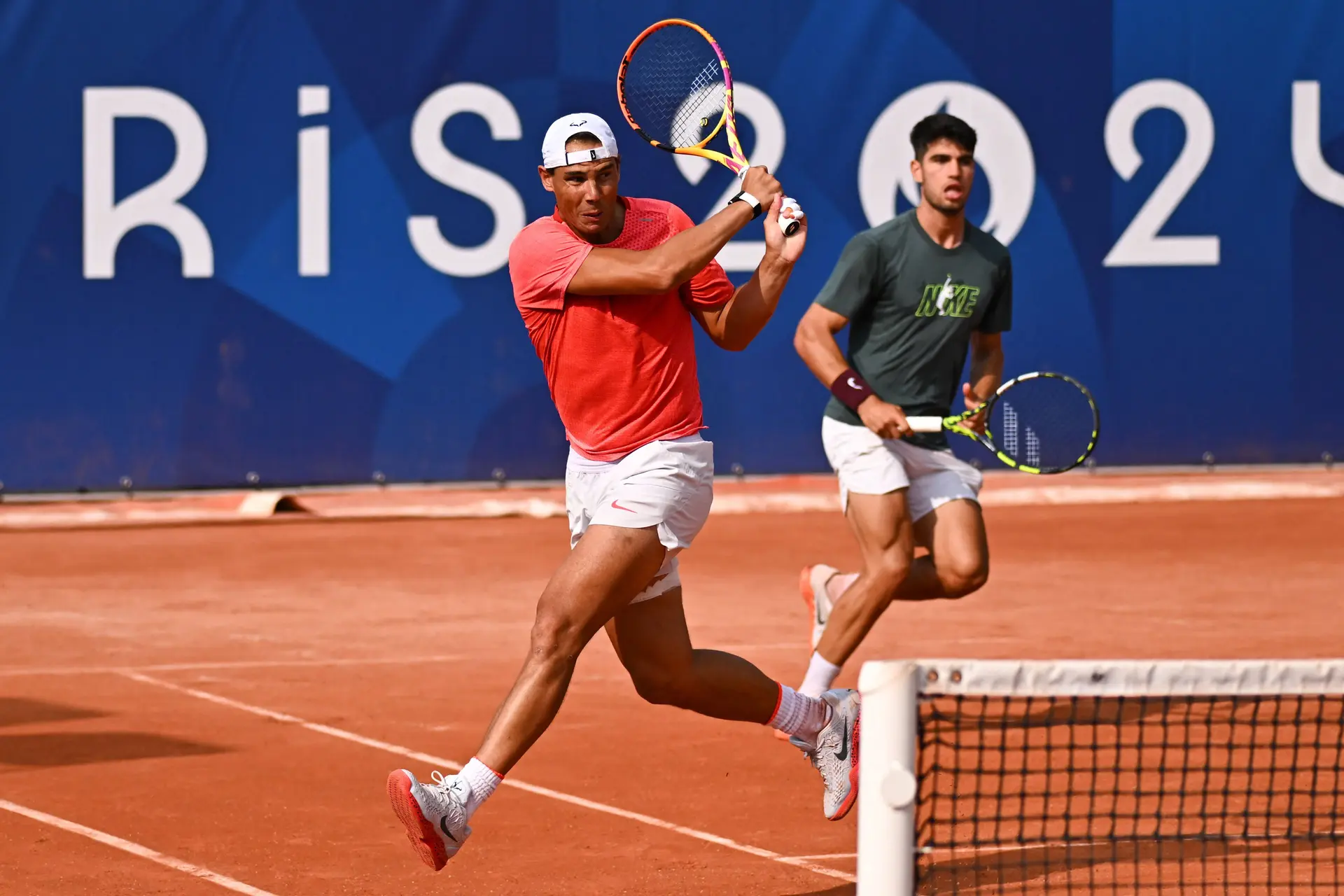
He argued that clay amplifies tactical and physical variance compared to hard courts, reducing the margin for error even for dominant players. In that context, Sinner’s statistical superiority remains clear, but not absolute in outcome certainty.
“I just think like, weight of the occasion in Europe… let’s not shortchange just how dominant Rafa was. But I do think Sinner is the overwhelming favourite. I think he’s against the field.”

Cristhián AvilaTennis Journalist
Cristhián Ávila is a tennis journalist based in Santiago, Chile, and has been part of the TennisUpToDate team since early 2023. He covers the ATP and WTA Tours as well as all four Grand Slams, producing breaking news, match reports, analysis, and regular liveblogs from major tournaments.
His reporting combines statistical analysis with clear explanation, helping readers understand tactical developments, player form, and broader storylines across the tour. Working fluently in both Spanish and English, Cristhián collaborates with an international editorial team and contributes to comprehensive global coverage. As part of his work, he has conducted interviews and media interactions with leading figures in the sport, including Caroline Wozniacki and John McEnroe.
In his journalism, Cristhián places strong emphasis on careful sourcing, editorial accuracy, and updating articles promptly when new, verified information becomes available. His coverage is grounded in research, context, and direct engagement with professional tennis.
claps 0visitors 0
Just In



Popular News
Latest Comments
- Boss move, Sinner !Rapunzel27-10-2026
- Apparently still refusing to seek 'help' ...and still playing Dress-Up like a 10 year-old.
 mandoist27-10-2026
 - Lena... Takin' care of businessmandoist25-10-2026
- Can you please stop publishing this nonsense? Stick to Tennis.mandoist25-10-2026
- Does Sinner need that 4.5 mil? I doubt it. He can make that with three modelling gigs!😅🤣Rapunzel21-10-2026
- Did "People Magazine" purchase this website? This nonstop storyline is bullshit.mandoist21-10-2026
- Listen... this is of no concern to anyone but these two. Deal with your own issues -- most of us have our own. Thanks, media, for these insignificant follow-ups which are meaningless.mandoist21-10-2026
- This is so very very sad, for all three of them. I truly thought they had an unbreakable bond, but life throws up so many differing challenges. Having your homeland suffering in such a terrible way, makes happiness lose out to guilt as well. Our thoughts are with them. X💔bjsexton20-10-2026
- I have lost all respect for Svitolina! Could she not have waited until he had played at the Paris Masters!!! She is selfish and don't give a damn about Gael. That is NOT how love is demonstrated Elina!!Rapunzel19-10-2026
- Perhaps convenient tennis tour sex is not a strong enough experience in which to base a marriage?mandoist19-10-2026

Loading