“It seemed effortless — but it wasn’t”: Gael Monfils reveals truth behind his athletic brilliance
ATP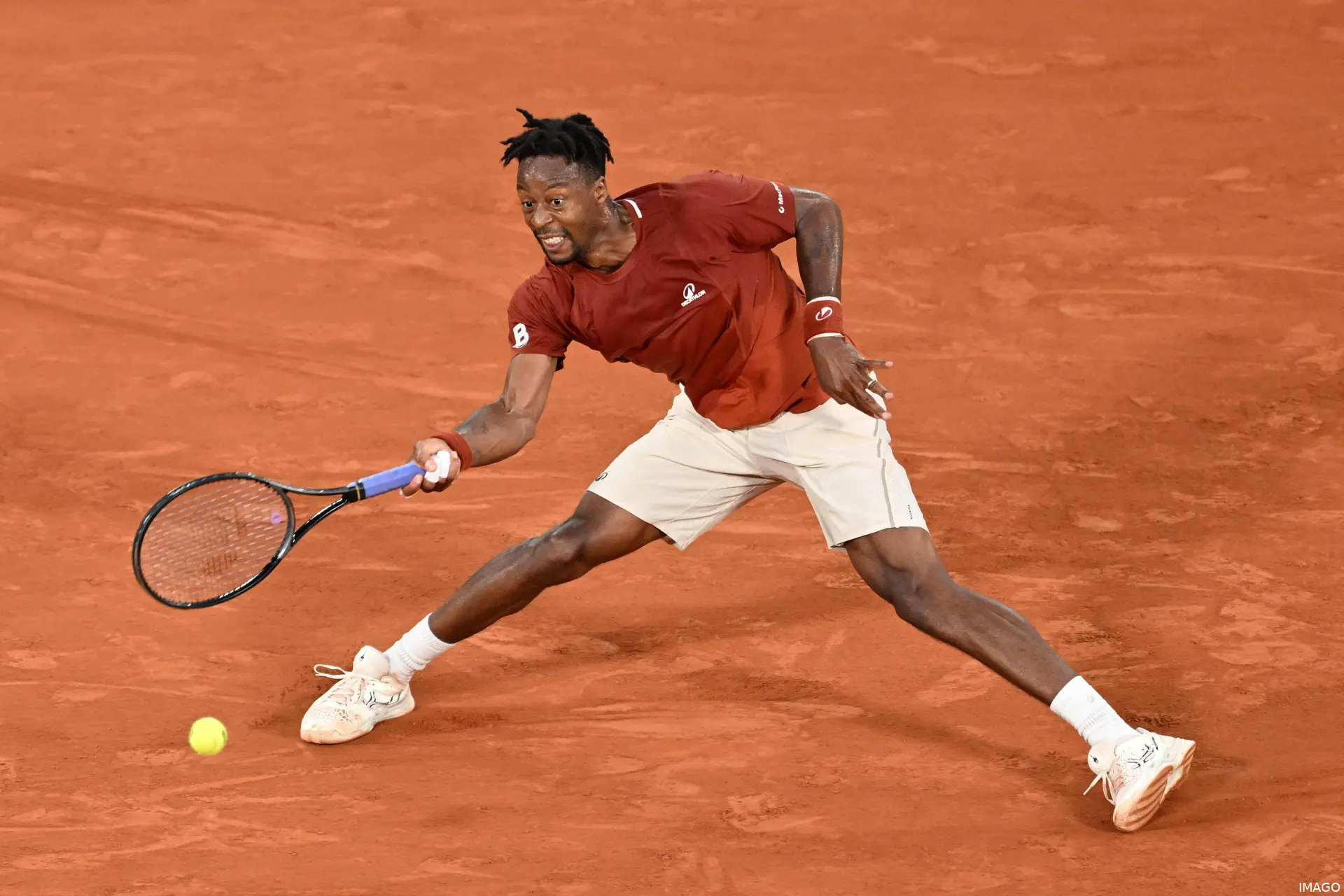
Gael Monfils’ appearance at the 2026 Mexican Open in Acapulco marked another chapter in his final ATP season. The 38-year-old Frenchman, competing in his farewell campaign, secured a first-round victory before exiting in the Round of 16, a result that reflected both resilience and realism. While rankings are no longer the defining metric, his presence at ATP 500 level events continues to underline a career built on durability.
Acapulco represented his first return to the Mexican Open since 2009, adding symbolic weight to his participation. For Monfils, however, the focus is not nostalgia. Instead, his reflections centre on how his career has been interpreted — particularly the perception that his style relied more on flair than foundation.
“I think I was very lucky to be gifted,” Monfils said in an interview with Silver State Sports & Entertainment Network. The acknowledgement is immediate, but so is the clarification. Natural coordination, he insists, was only part of the equation.
Throughout his career, Monfils’ sliding defence and improvisational shot-making defined his image. Yet as he closes his final ATP season, he is keen to stress that artistry was supported by discipline rather than instinct alone.
Artistry built on repetition, not illusion
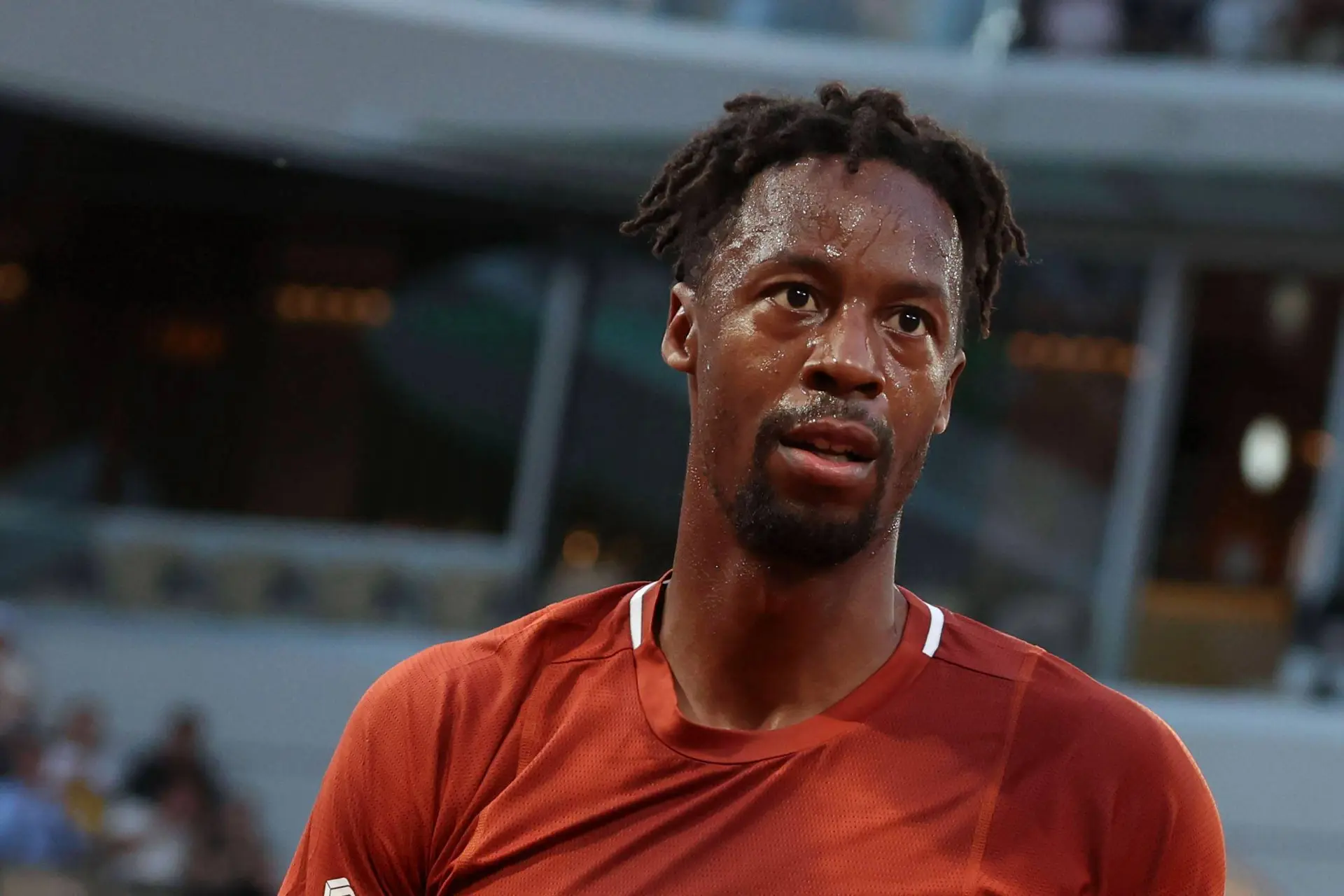
Monfils expanded on the gap between perception and preparation, drawing a comparison that has followed him throughout his career. “I think I was very lucky to be gifted. I was very lucky to be gifted that I could use my physical ability and with coordination do some maybe different movements. But I always say, like sleight of hand, it looks easy but it’s a lot of hard work behind.”
The analogy to sleight of hand reflects his broader philosophy. What appears spontaneous — sliding into defensive positions or improvising mid-rally — is the product of conditioning and rehearsal. That foundation allowed him to remain competitive well into his late thirties.
“The easier it looks means you’ve been working extremely hard,” the former world No. 6 added. “And I was really happy because a lot of people told me it seemed like it was effortless for me. But I can tell you it was a lot of hard work.”
Competing in the Big Three era
Monfils’ career timeline inevitably intersects with the dominance of Novak Djokovic, Rafael Nadal and Roger Federer. The Frenchman was asked to compare his matchups against each member of the Big Three, against whom he holds particularly negative records: 0-20 against Djokovic, 2-14 against Nadal and 4-10 against Federer.
“Of course for me number one is Novak Djokovic. I never beat him. And so far maybe this year, maybe this year last chance if I have to face him,” Monfils said. “But for me Novak has this capability to actually answer all my questions. Because tennis is a lot of questions you ask, you answer, you ask, you answer. And he was just too good. And of course he’s a legend of our sport. So no shame of that.”
The framing of tennis as a sequence of questions and answers reveals how Monfils interpreted elite competition. Against Djokovic, he felt the tactical dialogue consistently resolved in the Serbian’s favour.
His perspective on Nadal highlights the Spaniard as the best physically. “Definitely Rafa, same in a way that I could beat him. But the thing is he beat me way more than I beat him. I think I only beat him twice,” mentioned the Frenchman. “But he was extremely hard to play against with his physical… he was imposing on you a really rough and physical match. His capability of moving the ball extremely different because he was lefty. So he was just different as well. So another big legend.”
Federer, by contrast, represented anticipation and economy. “He was just quicker than quicker. Quicker thinker, quicker player. He was everything that you maybe think that you want to do against him, he knew it sometime before you. And then he could let you in a very bad situation.”
“He was unreal how he could escape as well from awkward situations for himself. How his finesse, his flair of tennis was completely different. And somehow those three guys, three of our biggest legends of our sport, were just beautiful to play against, beautiful to learn from, and also extremely fun for me to play against.”
Read also
Love of competition as career foundation
Beyond the technical discussion of rivals and style, Monfils consistently returns to mindset as the central explanation for his longevity. A former junior world No. 1 and ITF World Champion, he transitioned successfully to the professional circuit without the early burnout that affected many top juniors.
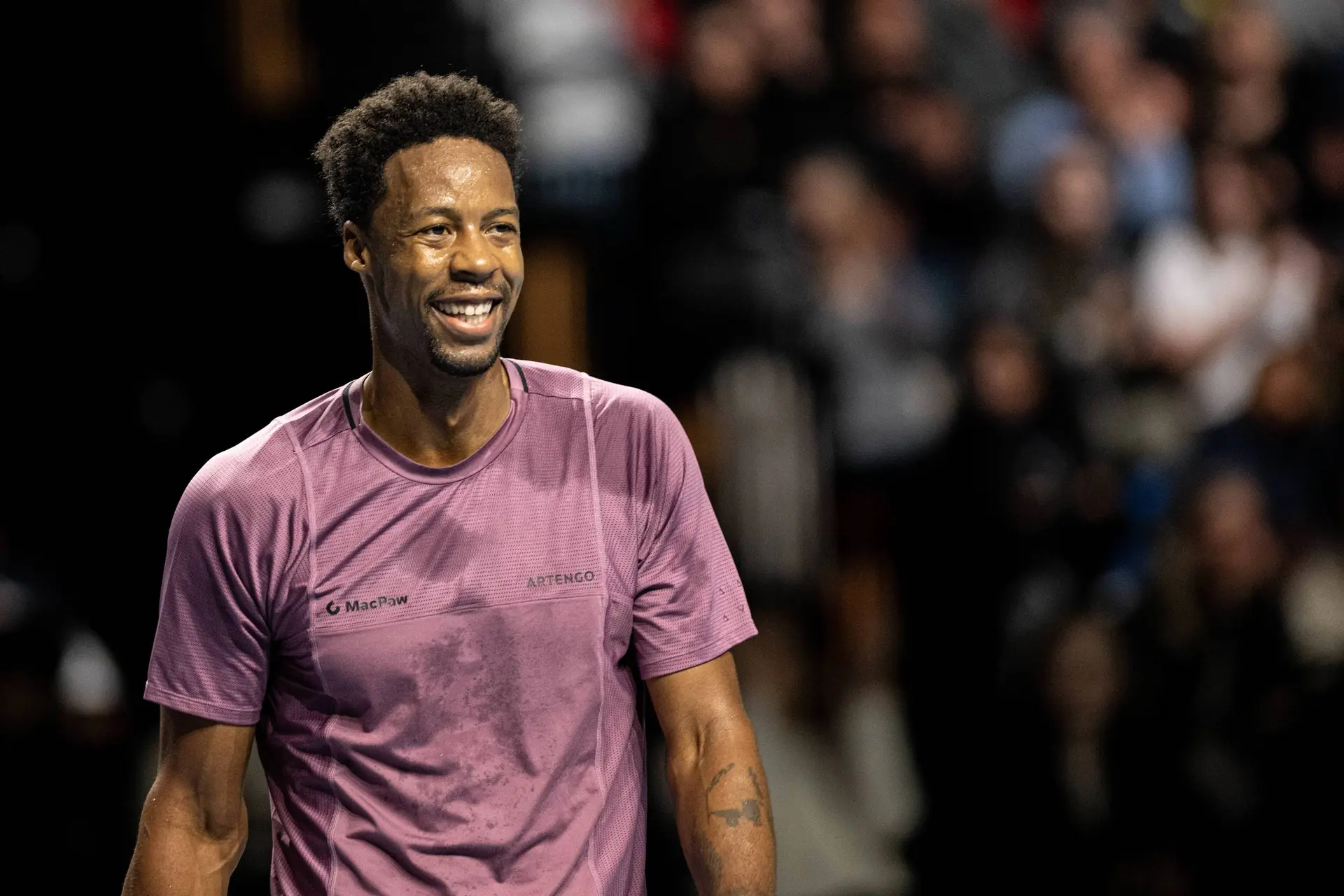
His semifinal appearances at Roland Garros in 2008 and the US Open in 2016 reflected sustained competitiveness rather than brief momentum. “For myself I can just talk about myself and my feeling,” Monfils said. “But as I told you, number one priority for me I think is I love the game. I’m a big competitor. I love the competition. I love to push myself.”
That emphasis on competition over outcome helps explain his two-decade durability. Monfils did not define his career solely by titles. Instead, he framed progress as participation at the highest level, regardless of era. “I really like all type of competition. So being on the top was always something that I will look ahead to try to achieve. And that helped me.”

His perspective toward scale also shaped his resilience. Monfils entered the tour during a period of expanding global audiences and stadium tennis. Rather than feeling burdened by that environment, he viewed it as a privilege. “I felt like also because I was seeing tennis a little bit different. I had a lot of fun. Being able to play on big stadium at the beginning for me was already big.”
He expanded on that shift in perspective, linking early experiences to long-term durability. “I always say that I was already blessed playing in front of 100 people, 200, 1,000, 5,000, 10,000. I saw straight away that wow, this is not normal. And then I needed to enjoy myself.”
That framing reduced emotional volatility across wins and losses. On a tour where only one player wins each week, defeat is structural rather than exceptional. “Of course you want to win, but sometimes it can go wrong. And it’s not sometimes, it’s all the time. Every week pretty much you’re losing. And losing doesn’t mean that you’re not good, but that’s our sport.”
“I felt like sometimes you have tough losses, but it was okay because next day you had the chance to go back on the tennis court, practise again, and here we go next week you have again a chance to be the best.”
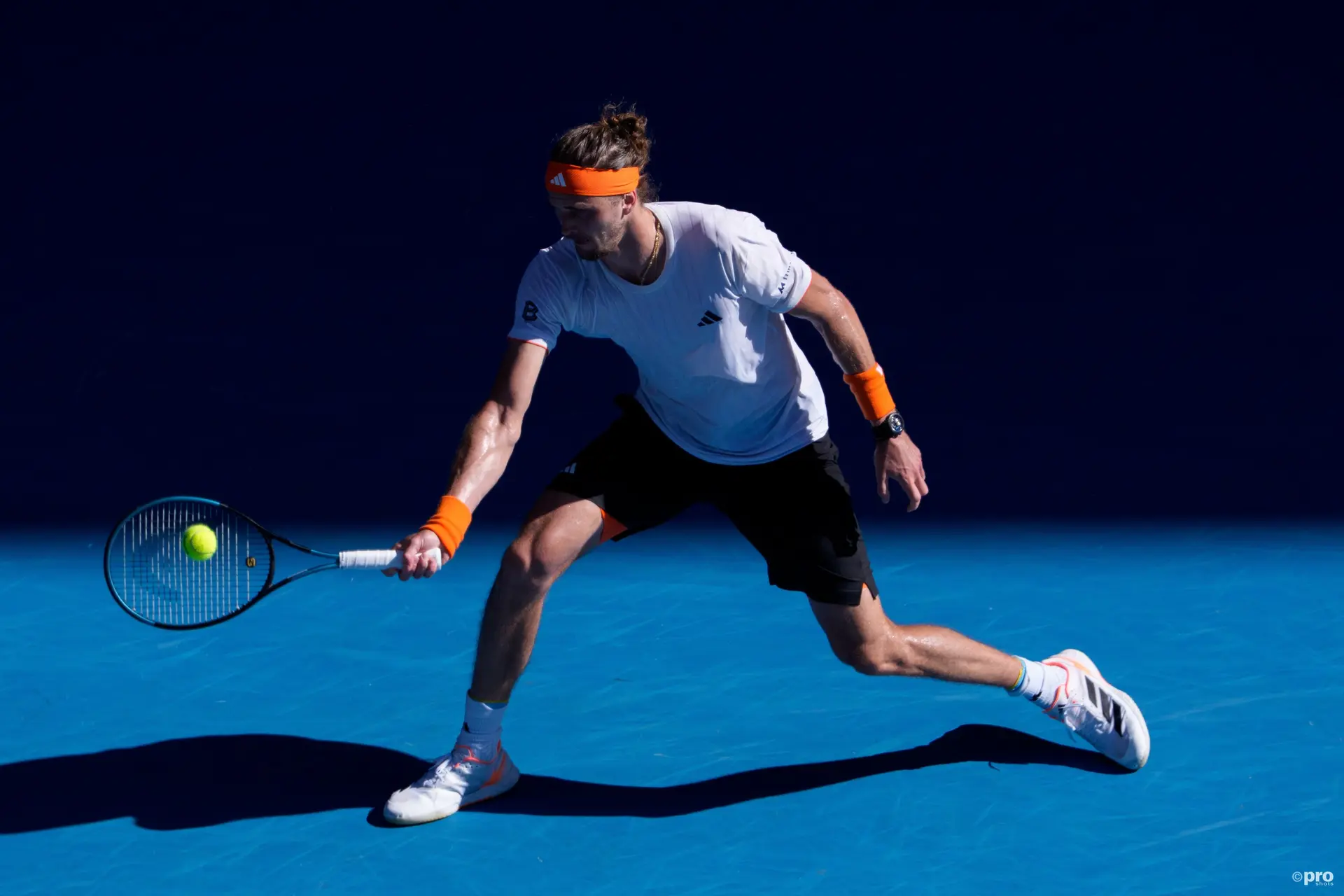

Cristhián AvilaTennis Journalist
Cristhián Ávila is a tennis journalist based in Santiago, Chile, and has been part of the TennisUpToDate team since early 2023. He covers the ATP and WTA Tours as well as all four Grand Slams, producing breaking news, match reports, analysis, and regular liveblogs from major tournaments.
His reporting combines statistical analysis with clear explanation, helping readers understand tactical developments, player form, and broader storylines across the tour. Working fluently in both Spanish and English, Cristhián collaborates with an international editorial team and contributes to comprehensive global coverage. As part of his work, he has conducted interviews and media interactions with leading figures in the sport, including Caroline Wozniacki and John McEnroe.
In his journalism, Cristhián places strong emphasis on careful sourcing, editorial accuracy, and updating articles promptly when new, verified information becomes available. His coverage is grounded in research, context, and direct engagement with professional tennis.
claps 0visitors 0
Just In

Popular News
Latest Comments
- Two Things: 1. Stop allowing these Spoiled Trust-Fund Elitists to behave badly. Your little hand-slaps do not deter them. 2. STOP the incessantly annoying "towel wiping" nonsense!!!!
 mandoist15-10-2026
 - A healthy Qinwen may be hard to stop next season. She was already scaring her opponents before her medical leave(s). Unfortunately, Zheng insisted on singing again. On the positive side -- Mirra did not sing!! ;~}mandoist11-10-2026
- Where is it written that athletes, entertainers... People in general... are mandated to keep looking at -- or even using [anti]Social Media? Public & private figures consistently complain and reveal their concerns about negativity and violence thrown at them -- yet they insist on participating. Avoid it, don't use it, don't read it. It's okay to occasionally look up at the World instead beating your eyes & thumbs to death on The Inventions out there.mandoist11-10-2026
- great articlestennisseserver07-10-2026
- Medvedev was leading Djokovic 7-5, 3-5 when an attempted return..' NO you ignorants, Djokovic was leading .weiss05-10-2026
- No more bullshit "Wildcards" to these two. Qualify like everyone else -- there will be cameras there, too. Time to scream... WTF ????!!!!mandoist29-09-2026
- Let's not BS the general public -- Sabalenka started showing cracks in her game last season. Her losses and near-losses started at about the same time she began being distracted by Fame (constant Selfies, making TV commercials, magazine shoots, endless Social Media nonsense, etc., etc.) One would think even Saba could recognize the parallels with others who failed before her -- Raducanu, Giorgi, Bouchard to name a few.mandoist25-09-2026
- Gross!! Hey Raducanu, Giorgi, and Bouchard -- reserve a seat at your Social Media Selfie table for Saba + Naomi. They're heading in your direction soon enough.mandoist24-09-2026
- And then these same players will complain about how lengthy their season’s were and need more time-off. I’m all for more tennis but the amount of tennis we get now is actually kind of crazy! We all need a break, especially the players.DaveyWavey23-09-2026
- You should do a comparison article for "different kinds of justice" the courts decide for tennis players. I can think of at least three players who received very small bans of a few months, however Tara Moore has been fighting for her literal survival the past few years. It seems odd considering she is not a "name" player, unlike the other cases.DaveyWavey22-09-2026

Loading