“It’s much easier when you’re like No.2, No.3 in the world”: Daniil Medvedev contrasts Top 10 security with ranking battles
ATP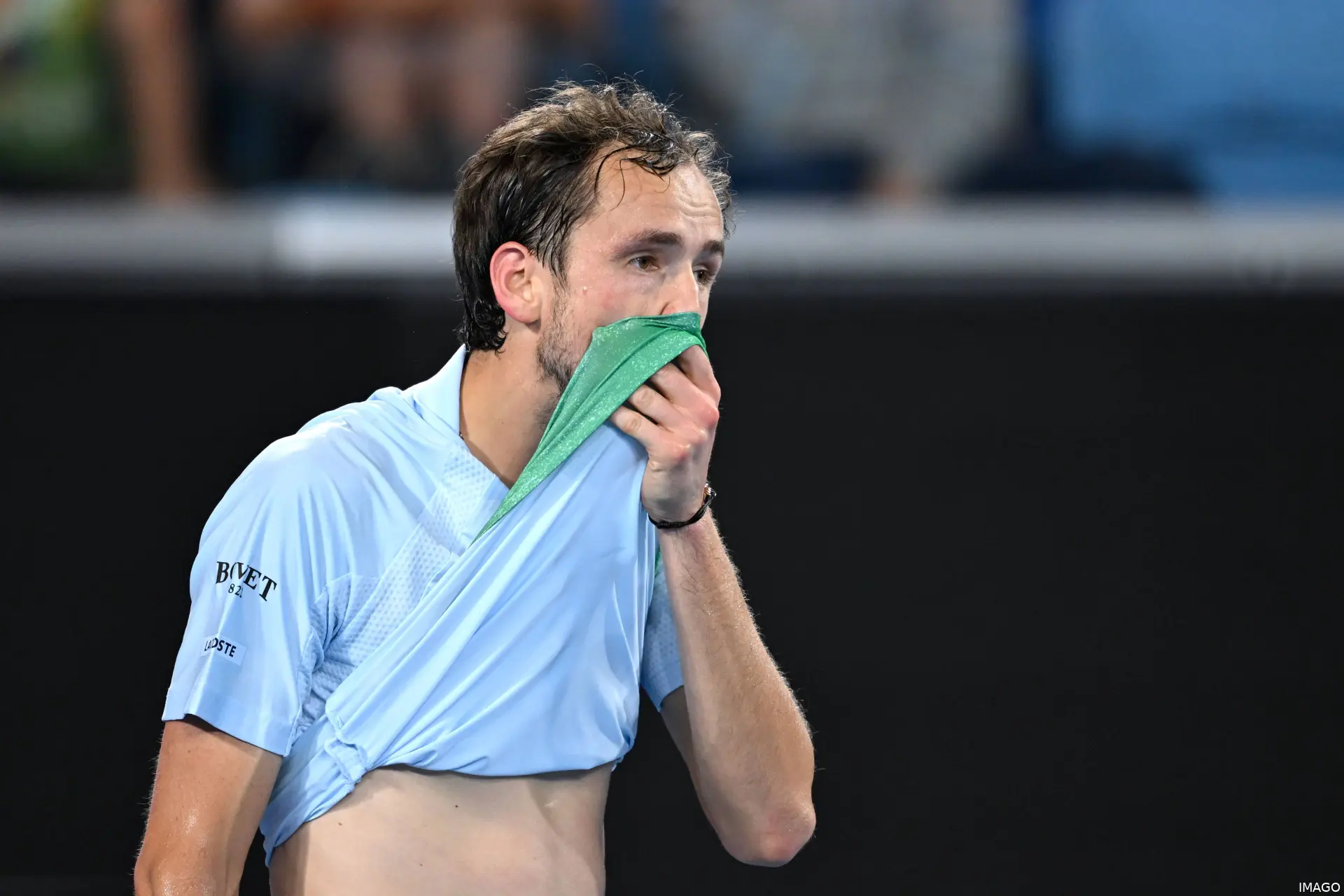
Daniil Medvedev said “players don’t even know” when weighing up whether to compete or rest, as he addressed the structure of the ATP calendar during his press conference at the Dubai Duty Free Tennis Championships. The former world No. 1 is competing this week in Dubai while attempting to stabilise his ranking after an uneven start to the season.
Currently hovering just outside the Top 10, Medvedev acknowledged that position matters. “It’s much easier when you’re like No.2, No.3 in the world,” he said, underlining how security at the top alters scheduling choices. For players fighting to regain ground, the calculation is different.
The 2021 US Open champion has experienced both ends of that spectrum. After spending 16 weeks as world No. 1 in 2022, he now finds himself chasing seeding advantages and consistency. That context shaped his comments about ranking points and the indirect pressure they create across the 11-month season.
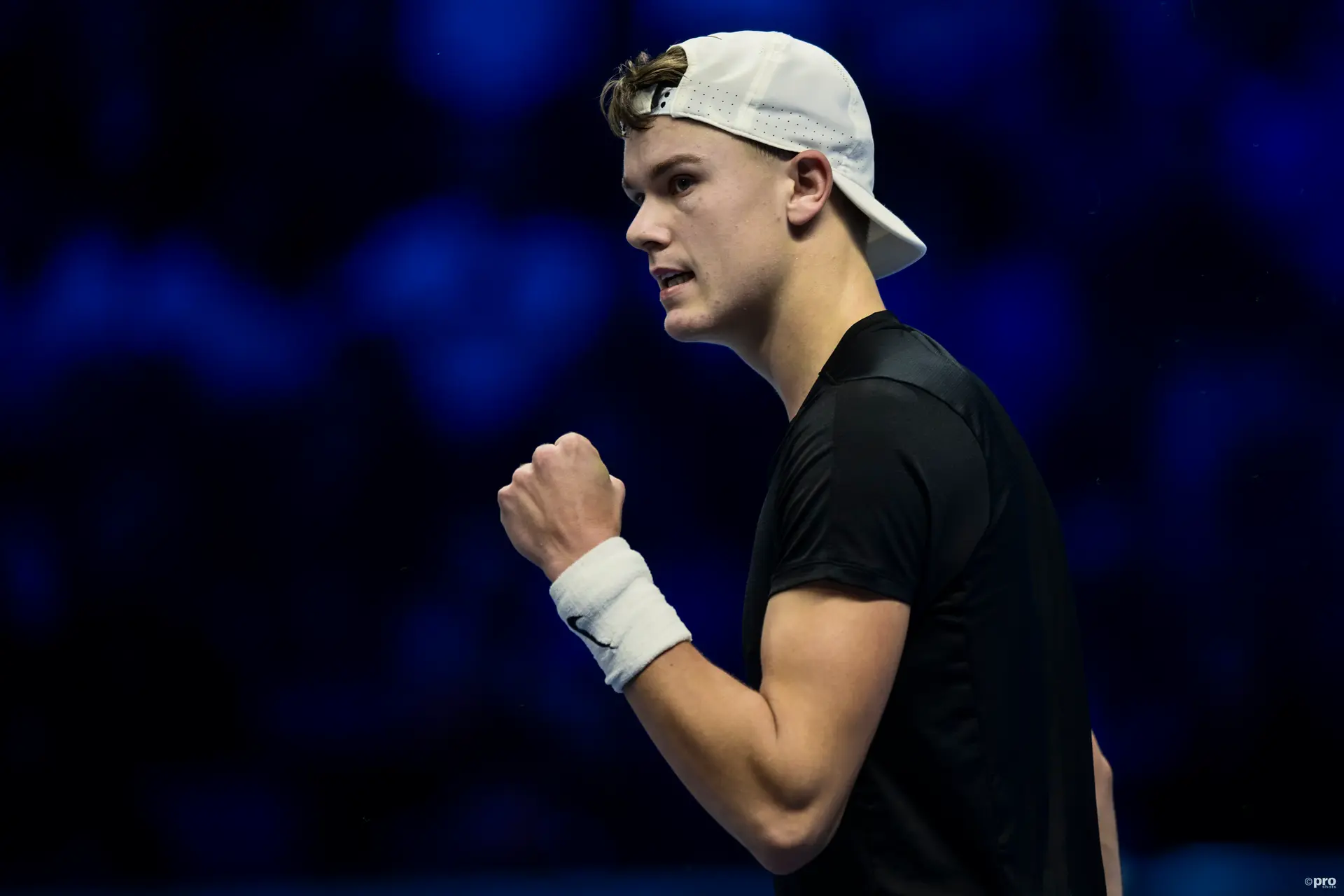
His remarks were prompted by a discussion about player workload and injuries, and he quickly referenced a specific case from last year: Holger Rune’s Achilles tendon problem in Stockholm. For Medvedev, the episode illustrated a wider structural issue.
Ranking pressure and the Rune example
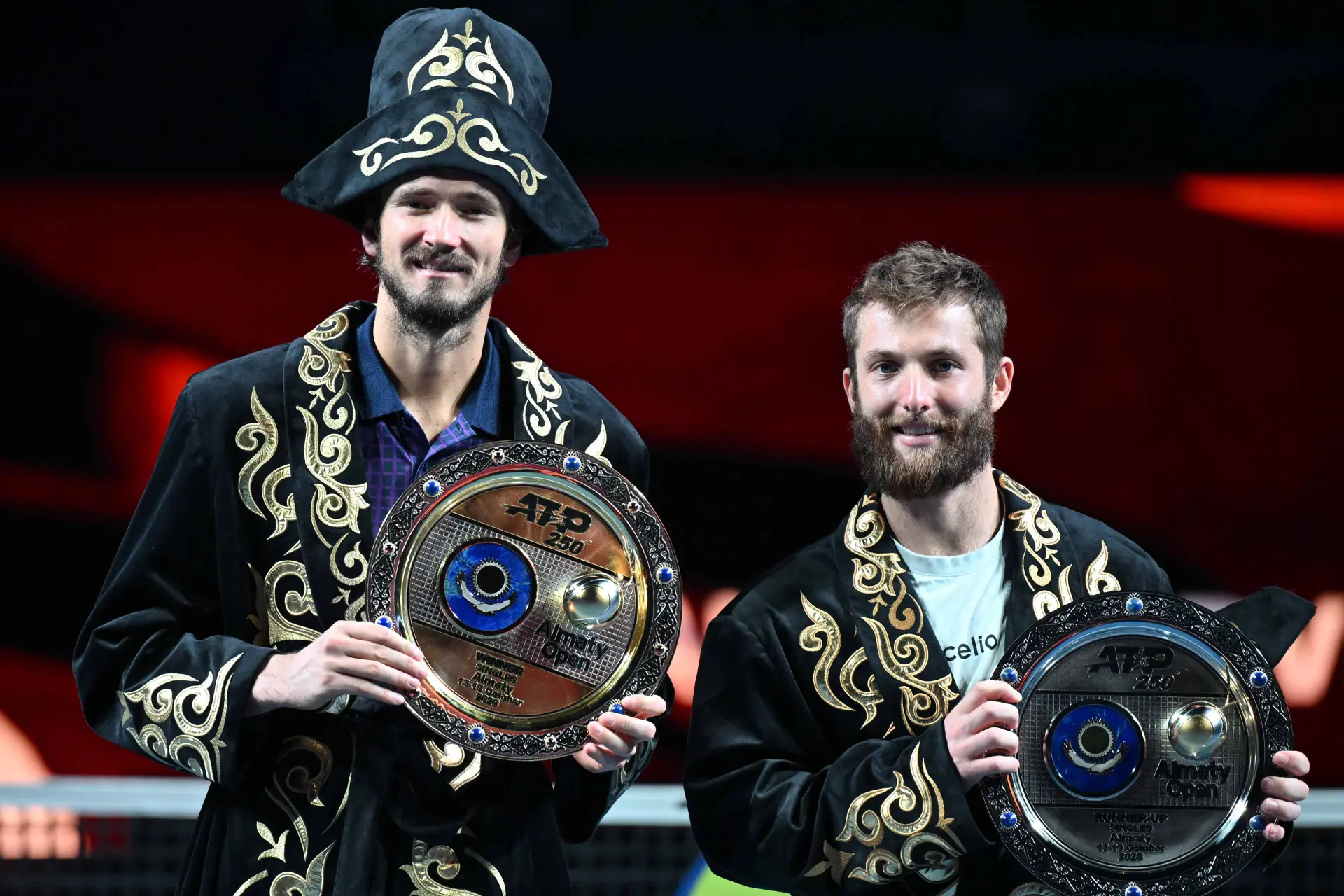
Medvedev pointed to Holger Rune, who sustained an Achilles tendon injury during the Stockholm event late last season. The Achilles tendon, which connects the calf muscles to the heel bone, is particularly vulnerable to overload in a dense schedule, and Rune’s issue required careful management during a crucial phase of the year.
“Because what happens is last year, like, Holger got injured in Stockholm, everybody was like, Yeah, but you don’t have to play it. If he wants to be in Turin, he has to, even if it’s not a mandatory tournament. That is where it is borderline. Players don’t even know.”
Rune was chasing qualification for the ATP Finals in Turin at the time. While Stockholm was not classified as mandatory, the ranking points on offer were significant in the Race standings. Medvedev’s argument was that the distinction between mandatory and optional becomes blurred when qualification is on the line.
He extended the point to his own experience, recalling a stretch in which he entered seven consecutive tournaments after a slow start to the year. The decision, he explained, was influenced less by obligation and more by the incremental value of points.
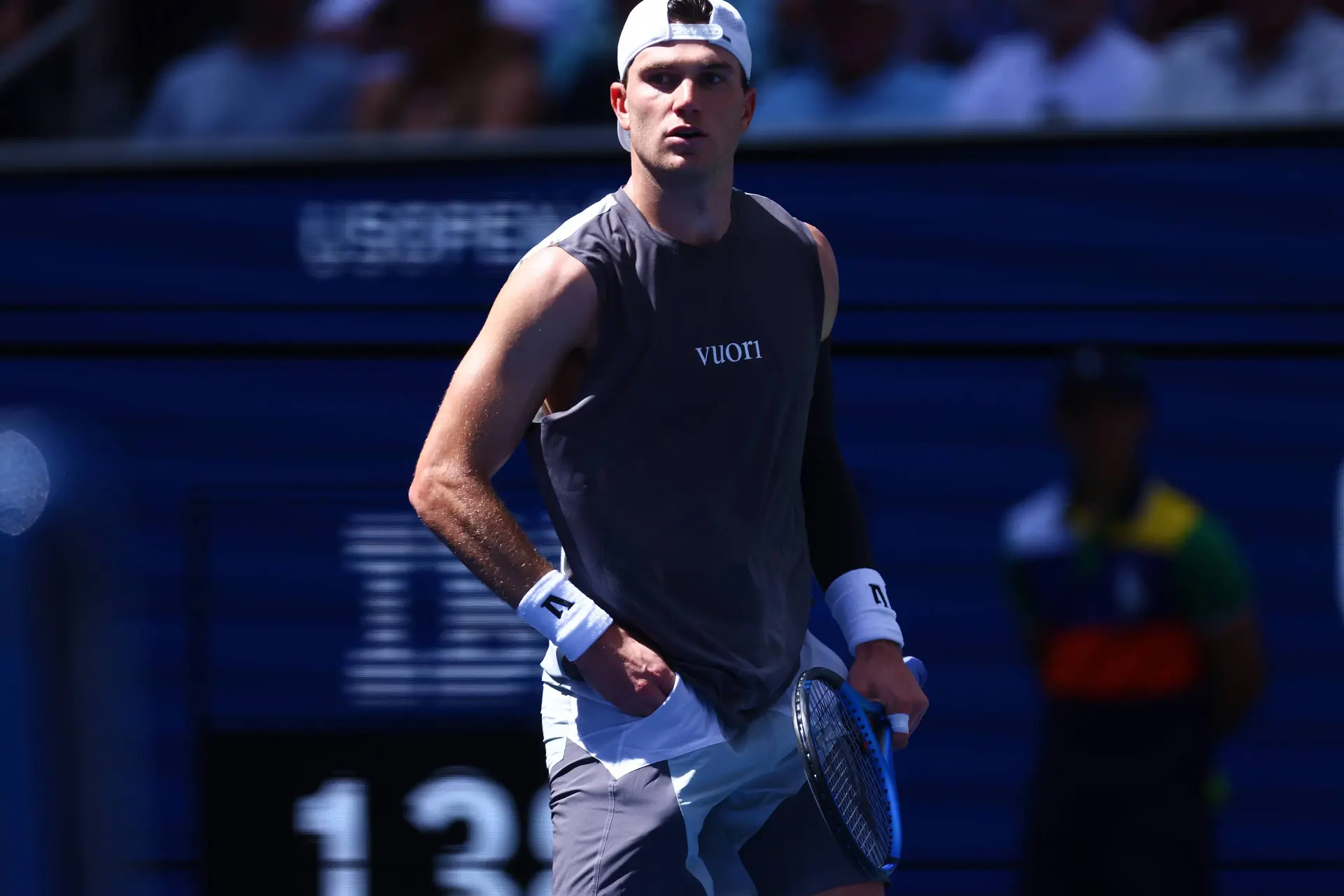
“Last year I played in seven tournaments in a row. Did I have to? No. I played bad in the beginning of the year, maybe I can get 100 points here, 200 points here, be higher seeded next year, et cetera, et cetera. If there would be no points there, at least it is an easier decision. But it’s not going to happen.”
For Medvedev, removing ranking points from certain lower-tier events — while keeping them on the calendar — would simplify those choices. The incentive structure, rather than the volume of tournaments alone, is what he believes drives risk-taking.
Read also

Reform ideas and the reality of the system
Asked whether meaningful reform is possible, Medvedev was direct. He suggested a streamlined structure built around the four Grand Slams and an expanded Masters series, reducing the competitive weight of smaller events. But he also acknowledged the commercial barriers.
“I would think the players would agree, from what I’m hearing, to making more let’s say even more mandatory tournaments,” said Medvedev. “Because now it’s what? Nine, probably four Grand Slams.”
He then framed the issue in economic terms, noting that tournament licenses and broadcast agreements make contraction unlikely. In his words, “It’s business,” and organisers would not willingly forfeit revenue streams. “I think right now with how the ATP Tour, it’s never going to change, at least while I’m playing, many other guys. But in general, yeah, I would say make four Grand Slams, I don’t know, 11 Masters, and that’s it. The other tournaments, maybe make them without points or something. Not like exhibitions, but without points or something.”
The disparity between the very top and the chasing pack was another theme. Medvedev cited players such as Carlos Alcaraz, Jannik Sinner and Alexander Zverev as examples of competitors who can manage their schedules differently due to consistent deep runs.
“Well, I think it’s always there a bit, especially like let’s say you get closer to Turin, you’re No. 9 in the race, of course you are,” said Medvedev. “I know by experience, it’s much easier when you’re like No.2, No.3 in the world. You are like, I’m good there. Whenever you play only semis of the tournaments, that is where you can go like Carlos, Jannik, Sascha [Alexander Zverev], you can say okay.”
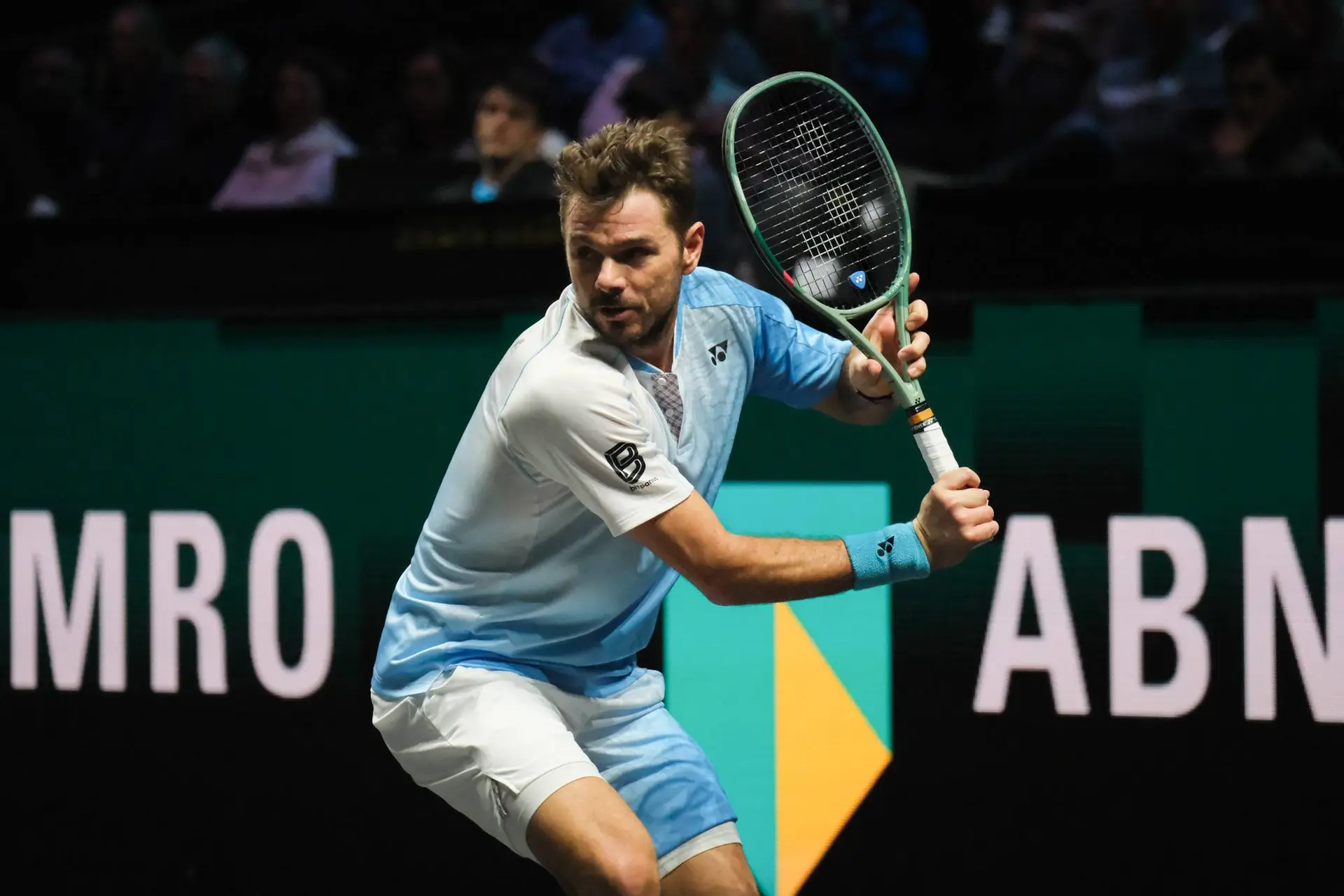
As he continues his campaign at the Dubai Duty Free Tennis Championships, Medvedev now prepares for his next challenge this Thursday against American Jenson Brooksby. Beyond Dubai, the focus shifts quickly to the Sunshine Double, with Indian Wells Open and the Miami Open looming as key events on the calendar.

Cristhián AvilaTennis Journalist
Cristhián Ávila is a tennis journalist based in Santiago, Chile, and has been part of the TennisUpToDate team since early 2023. He covers the ATP and WTA Tours as well as all four Grand Slams, producing breaking news, match reports, analysis, and regular liveblogs from major tournaments.
His reporting combines statistical analysis with clear explanation, helping readers understand tactical developments, player form, and broader storylines across the tour. Working fluently in both Spanish and English, Cristhián collaborates with an international editorial team and contributes to comprehensive global coverage. As part of his work, he has conducted interviews and media interactions with leading figures in the sport, including Caroline Wozniacki and John McEnroe.
In his journalism, Cristhián places strong emphasis on careful sourcing, editorial accuracy, and updating articles promptly when new, verified information becomes available. His coverage is grounded in research, context, and direct engagement with professional tennis.
claps 1visitors 1
Just In

Popular News
Latest Comments
- A healthy Qinwen may be hard to stop next season. She was already scaring her opponents before her medical leave(s). Unfortunately, Zheng insisted on singing again. On the positive side -- Mirra did not sing!! ;~}
 mandoist11-10-2026
 - Where is it written that athletes, entertainers... People in general... are mandated to keep looking at -- or even using [anti]Social Media? Public & private figures consistently complain and reveal their concerns about negativity and violence thrown at them -- yet they insist on participating. Avoid it, don't use it, don't read it. It's okay to occasionally look up at the World instead beating your eyes & thumbs to death on The Inventions out there.mandoist11-10-2026
- great articlestennisseserver07-10-2026
- Medvedev was leading Djokovic 7-5, 3-5 when an attempted return..' NO you ignorants, Djokovic was leading .weiss05-10-2026
- No more bullshit "Wildcards" to these two. Qualify like everyone else -- there will be cameras there, too. Time to scream... WTF ????!!!!mandoist29-09-2026
- Let's not BS the general public -- Sabalenka started showing cracks in her game last season. Her losses and near-losses started at about the same time she began being distracted by Fame (constant Selfies, making TV commercials, magazine shoots, endless Social Media nonsense, etc., etc.) One would think even Saba could recognize the parallels with others who failed before her -- Raducanu, Giorgi, Bouchard to name a few.mandoist25-09-2026
- Gross!! Hey Raducanu, Giorgi, and Bouchard -- reserve a seat at your Social Media Selfie table for Saba + Naomi. They're heading in your direction soon enough.mandoist24-09-2026
- And then these same players will complain about how lengthy their season’s were and need more time-off. I’m all for more tennis but the amount of tennis we get now is actually kind of crazy! We all need a break, especially the players.DaveyWavey23-09-2026
- You should do a comparison article for "different kinds of justice" the courts decide for tennis players. I can think of at least three players who received very small bans of a few months, however Tara Moore has been fighting for her literal survival the past few years. It seems odd considering she is not a "name" player, unlike the other cases.DaveyWavey22-09-2026
- PRIZE MONEY & POINTS Winner - $185,500 Finalist - $114,500 Semi-Finalist - $66,003 Quarter-Finalist - $35,000 Round of 16 - $18,045 Round of 32 - $13,005 Winner - 500 Finalist - 325 Semi-Finalist - 195 Quarter-Finalist - 108 Round of 16 - 60 Round of 32 - 1DaveyWavey20-09-2026

Loading