"Neatly wrapped up in one statement": Novak Djokovic LA Olympics 2028 statement perfect to stop questioning says Andy Roddick
ATP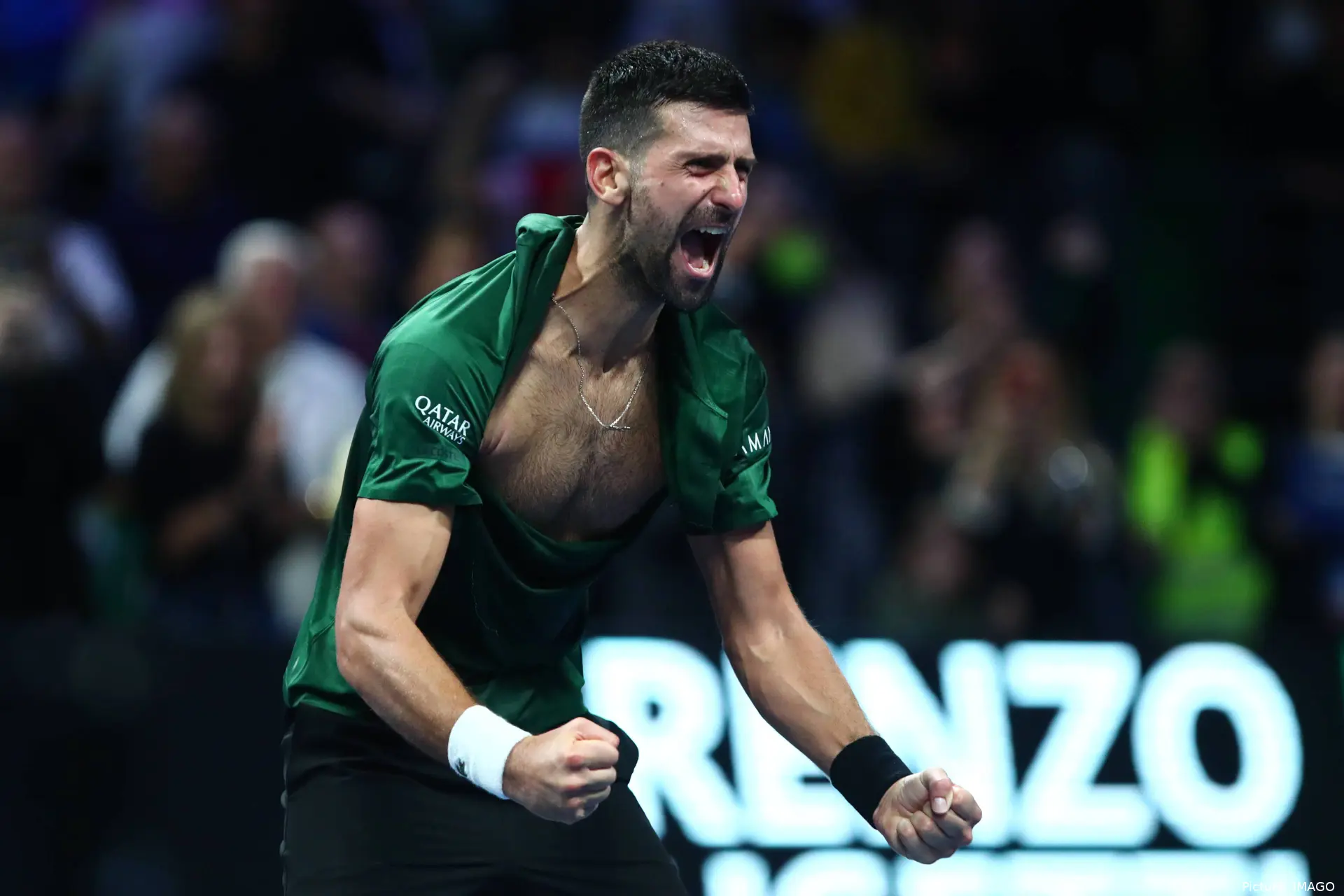
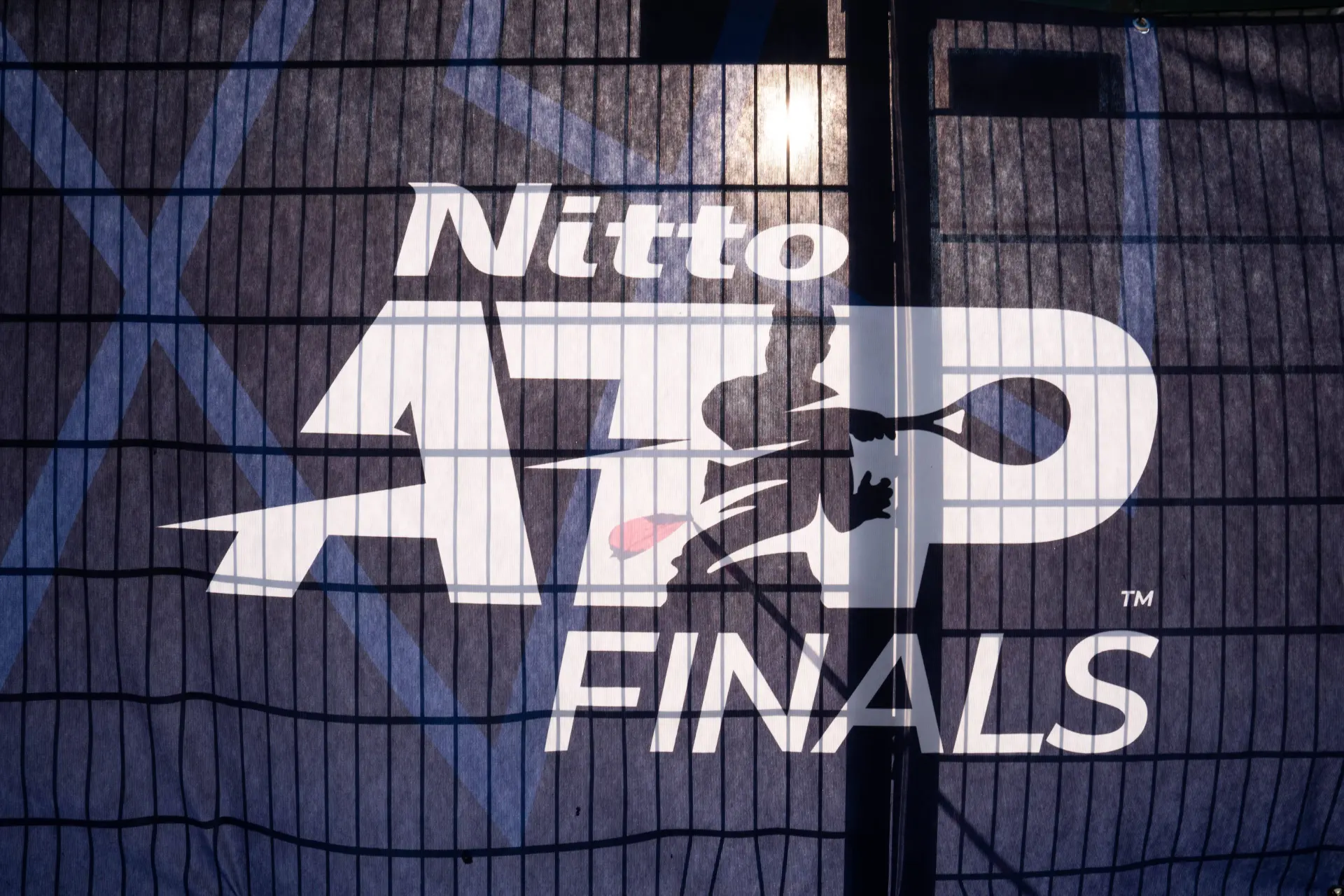
Novak Djokovic’s recent triumph in Athens, where he claimed his 101st career title, has sparked conversation not just about his tennis, but about his strategic choices, career longevity, and personal priorities. Former world No. 1 Andy Roddick and tennis journalist Jon Wertheim recently discussed the win and the implications for Djokovic’s future.
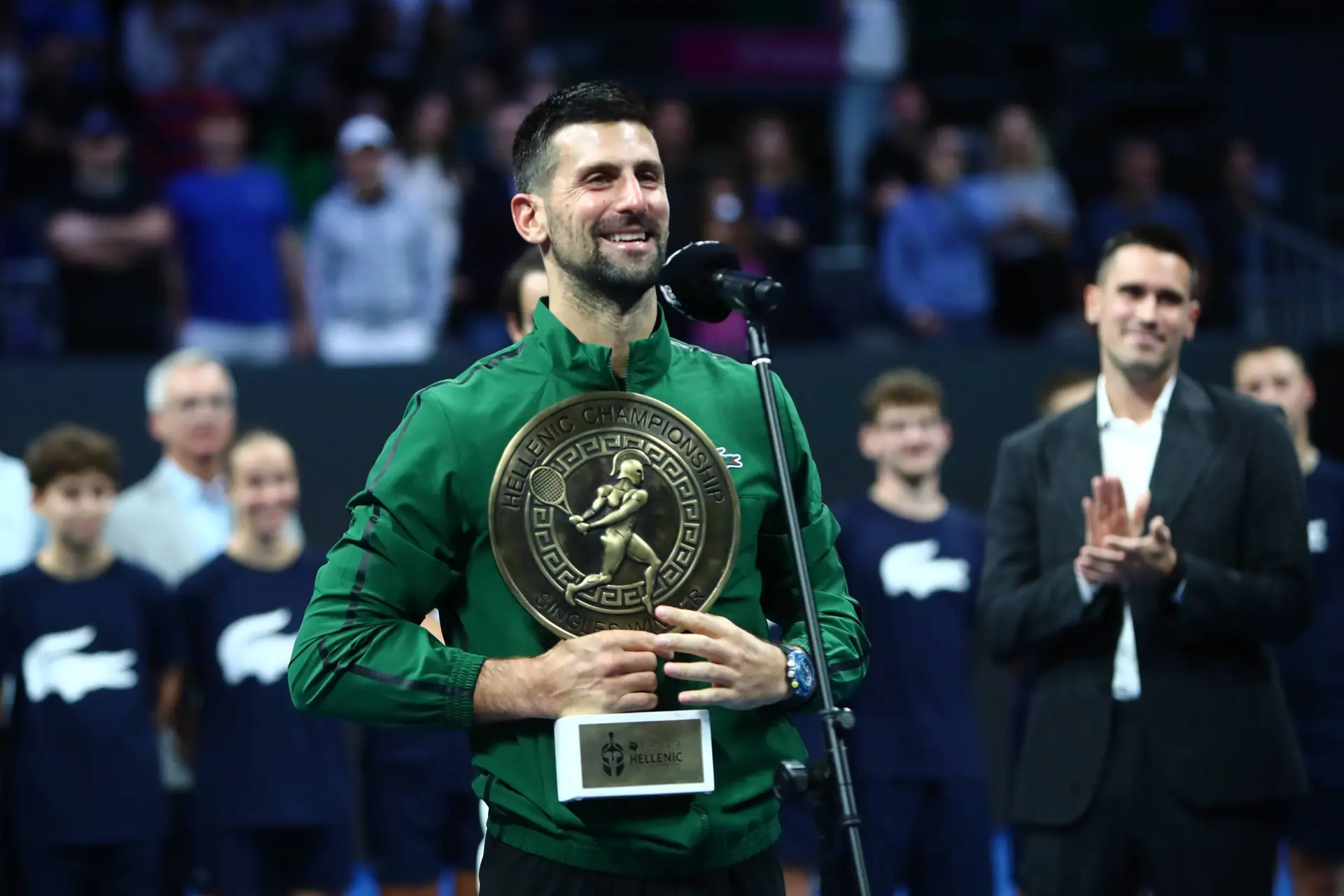
Winning his 101st title was, by any measure, an impressive achievement. “It was awesome that he did it,” Roddick said post match. Wertheim added context, explaining that the Athens tournament is a Djokovic family-owned event. Like Novak himself, the event decided things were no longer comfortable in Serbia and relocated to Greece. Djokovic’s victory there came with a certain mystique, prompting questions about what it might mean for the upcoming Turin tournament.
The speculation over whether Djokovic would play in Turin was not merely media hype. Wertheim pointed out that the head of the Italian Tennis Federation had confirmed Djokovic’s participation in an interview. Yet, the question lingered: when would Lorenzo Musetti, one of Djokovic’s potential opponents, learn the news? Roddick joked about Musetti’s options, whether he should have relaxed for a fun week or traveled to Monte Carlo, only for it to turn out he had nothing to worry about.
Roddick recounted a text exchange with Wertheim just before the Athens matches. “I said, ‘Novak is going to beat Musetti and then tell him he’s not playing when they shake hands.’ And he was right,” Roddick recalled. Djokovic reportedly only informed Musetti at the net, smiling during the handshake, that he wouldn’t continue in the next tournament.
Read also
Olympic statement
Roddick emphasized that this was entirely reasonable. Djokovic owns the Athens tournament license, making it complicated to withdraw from one tournament only to play another the following week. At 38, Djokovic is not looking to run through an exhausting schedule at year’s end. Winning Athens first, then evaluating the next steps, was a strategic decision. “If I’m Novak, I tell the guy at the net, ‘I know you’re disappointed. You’re still in. No big deal,’” Roddick said. It’s this combination of tactical foresight and personal diplomacy that continues to define Djokovic’s career.
Beyond tournament strategy, Djokovic’s decisions intersect with rankings and the ATP calendar. Wertheim noted that 14 Challenger events in December will count toward the 2026 ATP race. They don’t affect the current year’s standings but will play a role in next year’s tour qualification, highlighting how players must balance immediate performance with long-term planning.
The conversation inevitably turned to Djokovic’s broader career, including the 2028 Los Angeles Olympics. Roddick expressed doubt that Djokovic would participate, while Wertheim praised how Djokovic has framed his plans publicly. By stating that he wants to retire at the LA Olympics holding the Serbian flag, Djokovic addresses multiple issues at once: the perennial retirement questions, his enduring pride in Serbia, and the enjoyment he still finds in playing the game.
“That was a perfect way to address many, many issues,” Wertheim said. “The never-ending question of when he’s going to retire, his personal life choices, his competitive satisfaction—it all gets neatly wrapped in one statement.” Roddick added that this approach is politically savvy. It buys Djokovic time and avoids controversy, letting him focus on competition while signaling his intentions for the future.
Djokovic’s move to Greece, Wertheim noted, appears partly political. By living there, he creates distance from tensions in Serbia while maintaining his personal ties and legacy. The Athens tournament itself has become both a competitive venue and a symbolic farewell, allowing Djokovic to manage his schedule carefully while celebrating victories in familiar settings.
Ultimately, Djokovic’s decisions—whether about tournament participation, calendar management, or retirement signaling—demonstrate a careful balancing act. He continues to excel on court, navigate political and logistical challenges off it, and maintain his competitive edge while considering his long-term legacy.
As Roddick summarized, “He’s making choices that maximize his career enjoyment and legacy. Winning tournaments, managing his schedule, staying competitive—it all makes sense for him.” Wertheim agreed, noting that Djokovic’s ability to think multiple steps ahead allows him to remain dominant while shaping his story on his own terms.
Djokovic’s career may be approaching its twilight, but his strategic brilliance and meticulous planning ensure that he remains a figure who commands attention, respect, and admiration—both on and off the court. Athens was another chapter in a career that refuses to follow conventional scripts, and as he contemplates Turin, the Olympics, and beyond, Djokovic continues to define what longevity in tennis can truly look like.

Samuel GillEditor-in-Chief
Samuel Gill is the Chief Content Officer (CCO) of TennisUpToDate.com, a role he has held since 2020. He is responsible for editorial governance across the platform, including setting content standards, overseeing accuracy and consistency, and guiding long-term editorial strategy. Since joining, he has contributed more than 10,000 articles and editorial pieces across the TennisUpToDate network, playing a central role in the daily operation and development of the site.
Based in Leicester, Samuel has a broad background in tennis media. In his current role, he works closely with editors and writers to ensure coverage meets clear journalistic standards, with particular attention to verification, consistency, and timely updates when new information becomes available.
claps 0visitors 0
Just In

Popular News
Latest Comments
- A healthy Qinwen may be hard to stop next season. She was already scaring her opponents before her medical leave(s). Unfortunately, Zheng insisted on singing again. On the positive side -- Mirra did not sing!! ;~}
 mandoist11-10-2026
 - Where is it written that athletes, entertainers... People in general... are mandated to keep looking at -- or even using [anti]Social Media? Public & private figures consistently complain and reveal their concerns about negativity and violence thrown at them -- yet they insist on participating. Avoid it, don't use it, don't read it. It's okay to occasionally look up at the World instead beating your eyes & thumbs to death on The Inventions out there.mandoist11-10-2026
- great articlestennisseserver07-10-2026
- Medvedev was leading Djokovic 7-5, 3-5 when an attempted return..' NO you ignorants, Djokovic was leading .weiss05-10-2026
- No more bullshit "Wildcards" to these two. Qualify like everyone else -- there will be cameras there, too. Time to scream... WTF ????!!!!mandoist29-09-2026
- Let's not BS the general public -- Sabalenka started showing cracks in her game last season. Her losses and near-losses started at about the same time she began being distracted by Fame (constant Selfies, making TV commercials, magazine shoots, endless Social Media nonsense, etc., etc.) One would think even Saba could recognize the parallels with others who failed before her -- Raducanu, Giorgi, Bouchard to name a few.mandoist25-09-2026
- Gross!! Hey Raducanu, Giorgi, and Bouchard -- reserve a seat at your Social Media Selfie table for Saba + Naomi. They're heading in your direction soon enough.mandoist24-09-2026
- And then these same players will complain about how lengthy their season’s were and need more time-off. I’m all for more tennis but the amount of tennis we get now is actually kind of crazy! We all need a break, especially the players.DaveyWavey23-09-2026
- You should do a comparison article for "different kinds of justice" the courts decide for tennis players. I can think of at least three players who received very small bans of a few months, however Tara Moore has been fighting for her literal survival the past few years. It seems odd considering she is not a "name" player, unlike the other cases.DaveyWavey22-09-2026
- PRIZE MONEY & POINTS Winner - $185,500 Finalist - $114,500 Semi-Finalist - $66,003 Quarter-Finalist - $35,000 Round of 16 - $18,045 Round of 32 - $13,005 Winner - 500 Finalist - 325 Semi-Finalist - 195 Quarter-Finalist - 108 Round of 16 - 60 Round of 32 - 1DaveyWavey20-09-2026

Loading