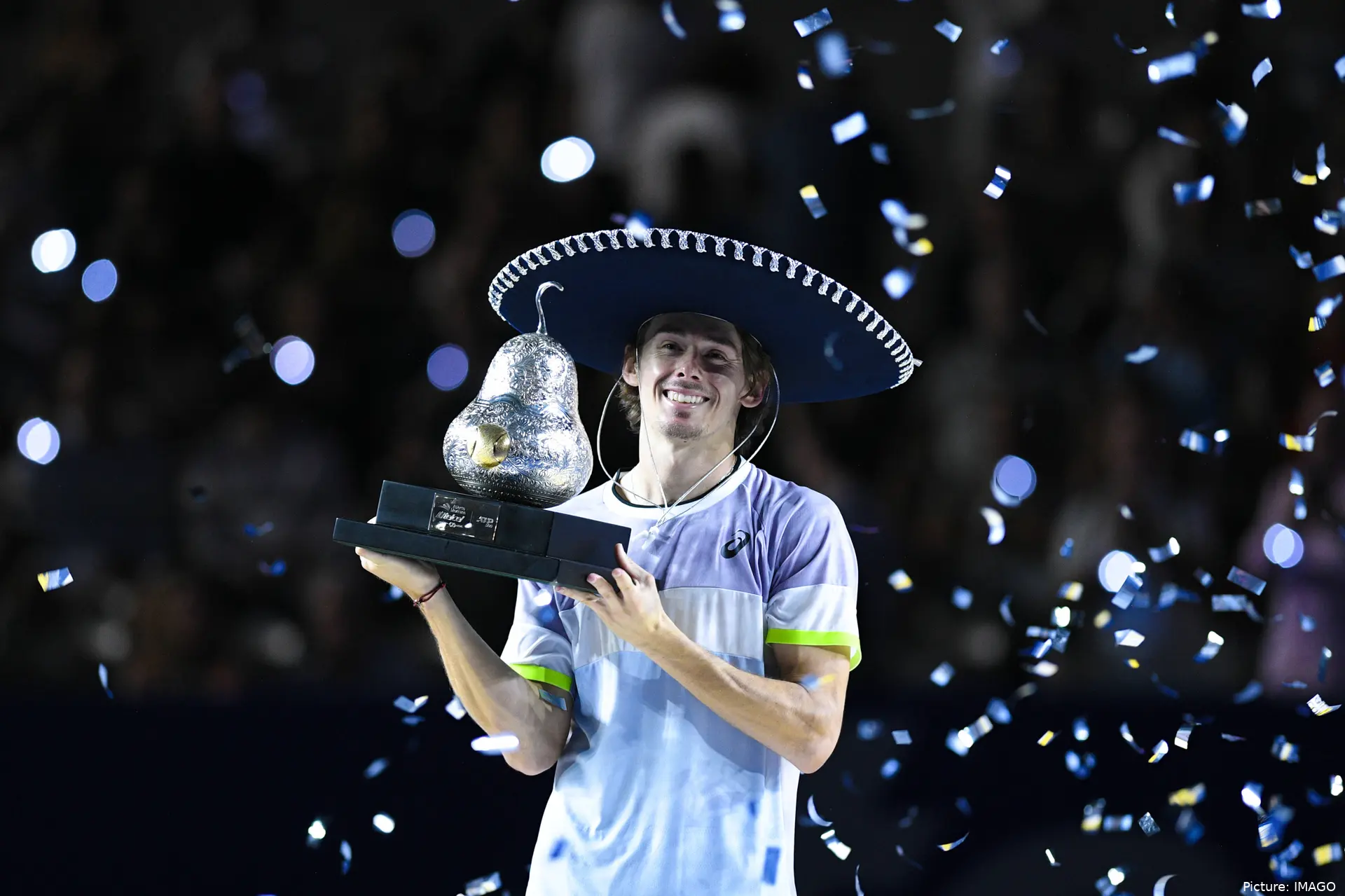
The Mexican Open in Acapulco will not serve meat in its player restaurant for the 2026 edition of the event. The ATP 500 tournament, which will begin in just a week, not only announced a reduction of the prize money—by 4.5%—but it was also decided not to serve red meats due to contamination risks.
The precautionary measure is designed to minimize the risk of inadvertent doping violations caused by contaminated meat, a concern that has arisen from previous incidents across the Tour. The decision reflects growing scrutiny over locally sourced meat in Latin America, where anabolic steroids and growth hormones are sometimes used in livestock.
A tour document circulated among players emphasized that “high-quality protein options that do not include meat” will be provided, with guidance on calculating protein intake from non-meat sources. ATP officials described the measure as “purely preventive” and said it aims to protect both player eligibility and tournament integrity.
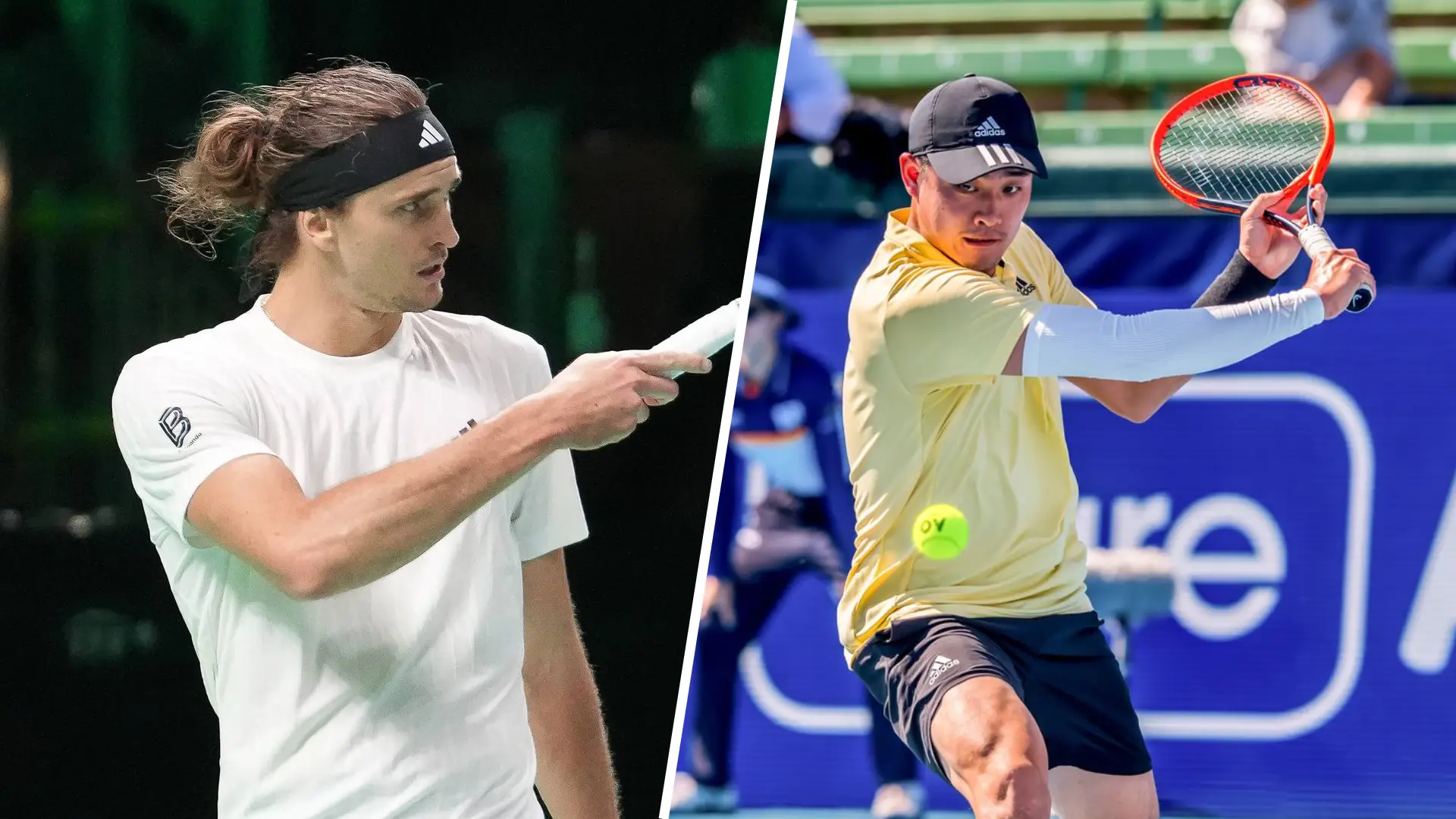
Top-ranked players confirmed for the event, including Alexander Zverev, Lorenzo Musetti, Alex de Minaur, and Ben Shelton, are expected to follow the meat-free plan. The tournament runs from February 23 to 28, with Tomas Machac of Czechia returning as the defending champion. Organizers note that this measure is temporary, but it may serve as a model for future events where food safety intersects with anti-doping responsibilities.
While no positive doping cases were reported at last year’s Mexican Open, three of the top seeds—Casper Ruud, Holger Rune, and Tommy Paul—suffered from illness and withdrew throughout the tournament in 2025. The ATP and the International Tennis Integrity Agency (ITIA) are coordinating closely to ensure meals meet both nutritional and anti-doping standards, under guidance from the World Anti-Doping Agency (WADA).
Lessons from contaminated meat cases in tennis
The ATP’s precautions are informed by documented cases where players tested positive for banned substances linked to contaminated meat. In April 2022, at a WTA tournament in Bogotá, both British player Tara Moore and Chilean Bárbara Gatica returned positive tests for boldenone, with Moore’s sample also containing nandrolone. Both were provisionally suspended under the Tennis Anti-Doping Programme.
An independent tribunal later determined that the substances likely came from contaminated meat consumed prior to testing and ruled that both players “bore No Fault or Negligence” for the adverse analytical findings because the source was foodborne rather than intentional doping.
“The independent tribunal concluded that contaminated meat consumed by each player in the days before sample collection was the source of the prohibited substance(s).”
The tribunal’s reasoning drew on patterns at the tournament, where multiple players tested positive for boldenone at rates far exceeding global averages, despite no other connections among them. It judged that the most plausible common factor was consumption of local meat that had been treated with anabolic agents prior to slaughter.
Brazilian player Nicolas Zanellato faced a similar scenario in 2024 at an ATP Challenger event in Colombia. Testing positive for boldenone, he demonstrated through evidence that the substance had entered his system via contaminated beef at a local fast-food restaurant. Zanellato was ultimately cleared of fault or negligence by the ITIA, highlighting the fine line between unintentional consumption and violation of anti-doping rules.
Back in September 2025, the ATP and WTA were reminded by the ITIA to exercise particular caution with their diets when competing in certain countries, specifically Mexico, China, and Guatemala, where livestock may be treated with substances prohibited under anti-doping rules. The advisory was issued ahead of a series of tournaments in Asia following the US Open, highlighting that even routine meals could pose a risk of inadvertent anti-doping violations, which could lead to suspensions, reputational damage, and career setbacks.
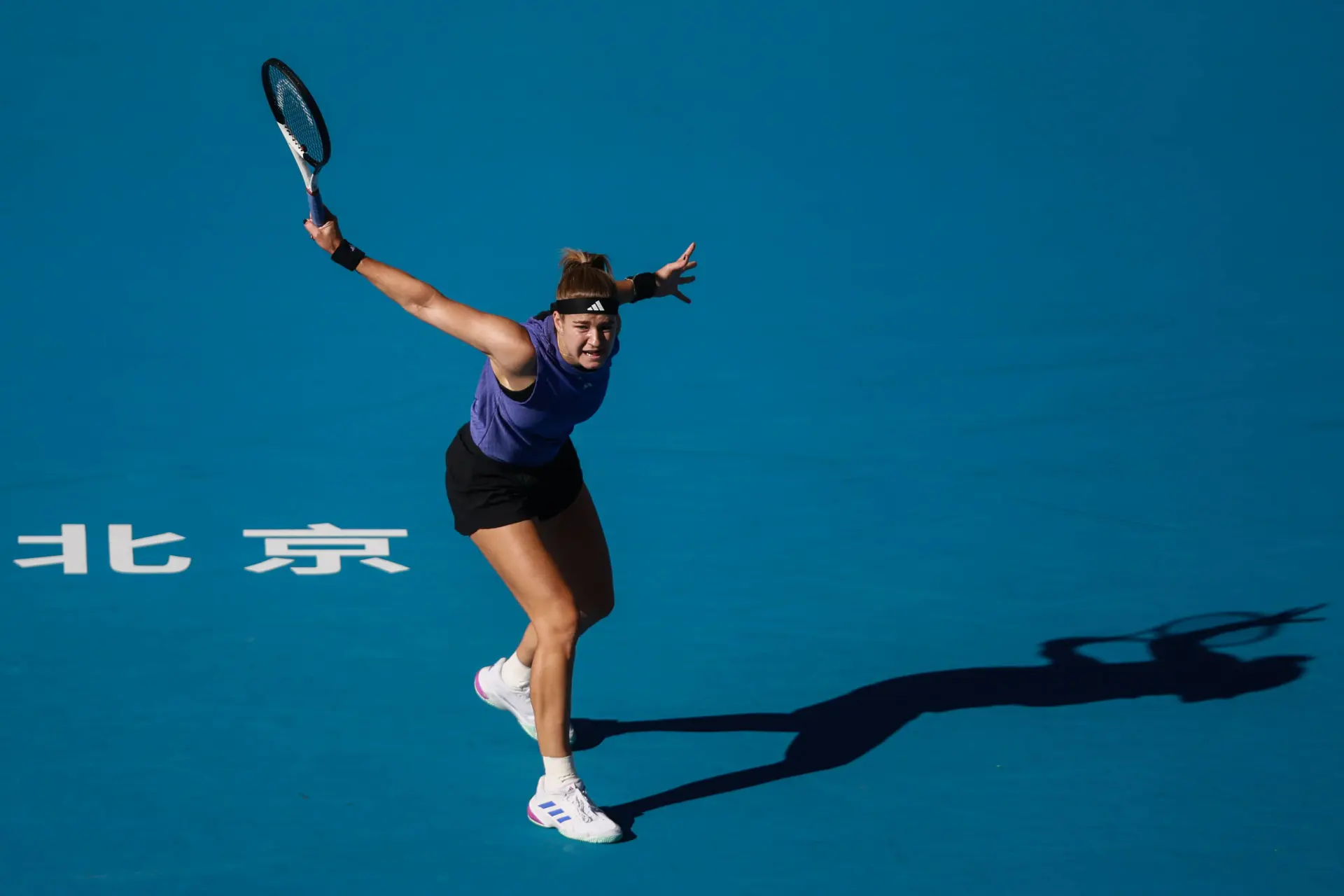
As part of the guidance, athletes were encouraged to prioritize alternative protein sources such as fish or plant-based options, and to rely on meals provided directly by tournament venues or approved hotels whenever possible.

Cristhián AvilaTennis Journalist
Cristhián Ávila is a tennis journalist based in Santiago, Chile, and has been part of the TennisUpToDate team since early 2023. He covers the ATP and WTA Tours as well as all four Grand Slams, producing breaking news, match reports, analysis, and regular liveblogs from major tournaments.
His reporting combines statistical analysis with clear explanation, helping readers understand tactical developments, player form, and broader storylines across the tour. Working fluently in both Spanish and English, Cristhián collaborates with an international editorial team and contributes to comprehensive global coverage. As part of his work, he has conducted interviews and media interactions with leading figures in the sport, including Caroline Wozniacki and John McEnroe.
In his journalism, Cristhián places strong emphasis on careful sourcing, editorial accuracy, and updating articles promptly when new, verified information becomes available. His coverage is grounded in research, context, and direct engagement with professional tennis.
claps 0visitors 0
Just In


Popular News
Latest Comments
- great articlestennisseserver07-10-2026
- Medvedev was leading Djokovic 7-5, 3-5 when an attempted return..' NO you ignorants, Djokovic was leading .weiss05-10-2026
- No more bullshit "Wildcards" to these two. Qualify like everyone else -- there will be cameras there, too. Time to scream... WTF ????!!!!
 mandoist29-09-2026
 - Let's not BS the general public -- Sabalenka started showing cracks in her game last season. Her losses and near-losses started at about the same time she began being distracted by Fame (constant Selfies, making TV commercials, magazine shoots, endless Social Media nonsense, etc., etc.) One would think even Saba could recognize the parallels with others who failed before her -- Raducanu, Giorgi, Bouchard to name a few.mandoist25-09-2026
- Gross!! Hey Raducanu, Giorgi, and Bouchard -- reserve a seat at your Social Media Selfie table for Saba + Naomi. They're heading in your direction soon enough.mandoist24-09-2026
- And then these same players will complain about how lengthy their season’s were and need more time-off. I’m all for more tennis but the amount of tennis we get now is actually kind of crazy! We all need a break, especially the players.DaveyWavey23-09-2026
- You should do a comparison article for "different kinds of justice" the courts decide for tennis players. I can think of at least three players who received very small bans of a few months, however Tara Moore has been fighting for her literal survival the past few years. It seems odd considering she is not a "name" player, unlike the other cases.DaveyWavey22-09-2026
- PRIZE MONEY & POINTS Winner - $185,500 Finalist - $114,500 Semi-Finalist - $66,003 Quarter-Finalist - $35,000 Round of 16 - $18,045 Round of 32 - $13,005 Winner - 500 Finalist - 325 Semi-Finalist - 195 Quarter-Finalist - 108 Round of 16 - 60 Round of 32 - 1DaveyWavey20-09-2026
- Pegula withdrew from this Singapore event
 tennishappens19-09-2026
 - Serena Williams chose her tournaments. It's not such a bad idea.MuswellHillbilly17-09-2026

Loading

