“Novak and Jannik are the most physically prepared”: Marco Panichi on the ultimate benchmarks of men’s tennis fitness
ATP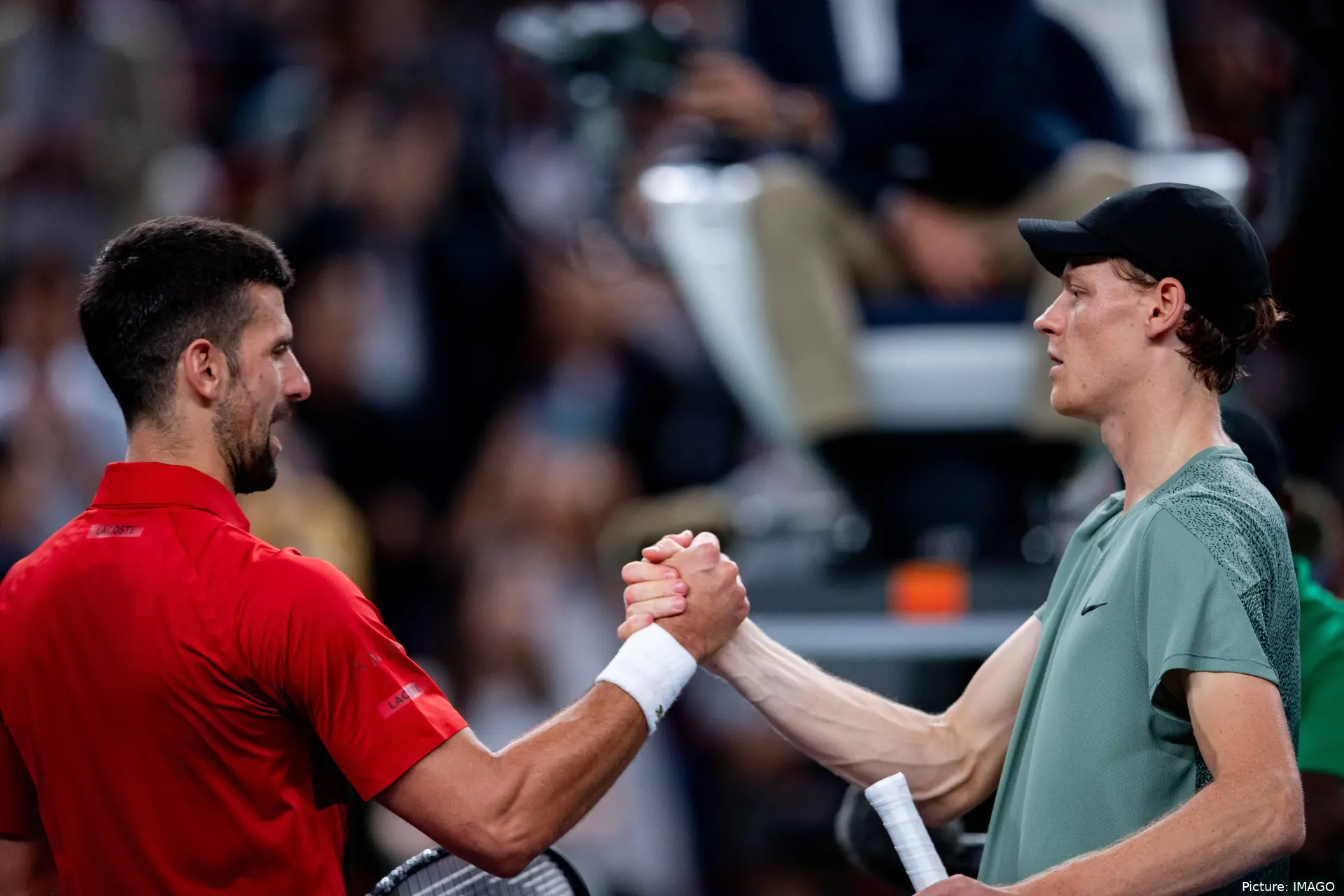
Marco Panichi is one of the most influential figures in modern tennis conditioning. For seven seasons, he was a key part of Novak Djokovic’s team, accompanying him through some of the most demanding and successful periods of his career. He later joined Jannik Sinner’s environment during a delicate phase, marked by the clostebol case and a complex management of the competitive calendar, remaining in that role up until the eve of the last Wimbledon.
Before working with two of the most prominent names in contemporary tennis, Panichi had already made his mark with players such as Fabio Fognini and Francesca Schiavone, in addition to collaborating with other professionals on the ATP and WTA circuits.
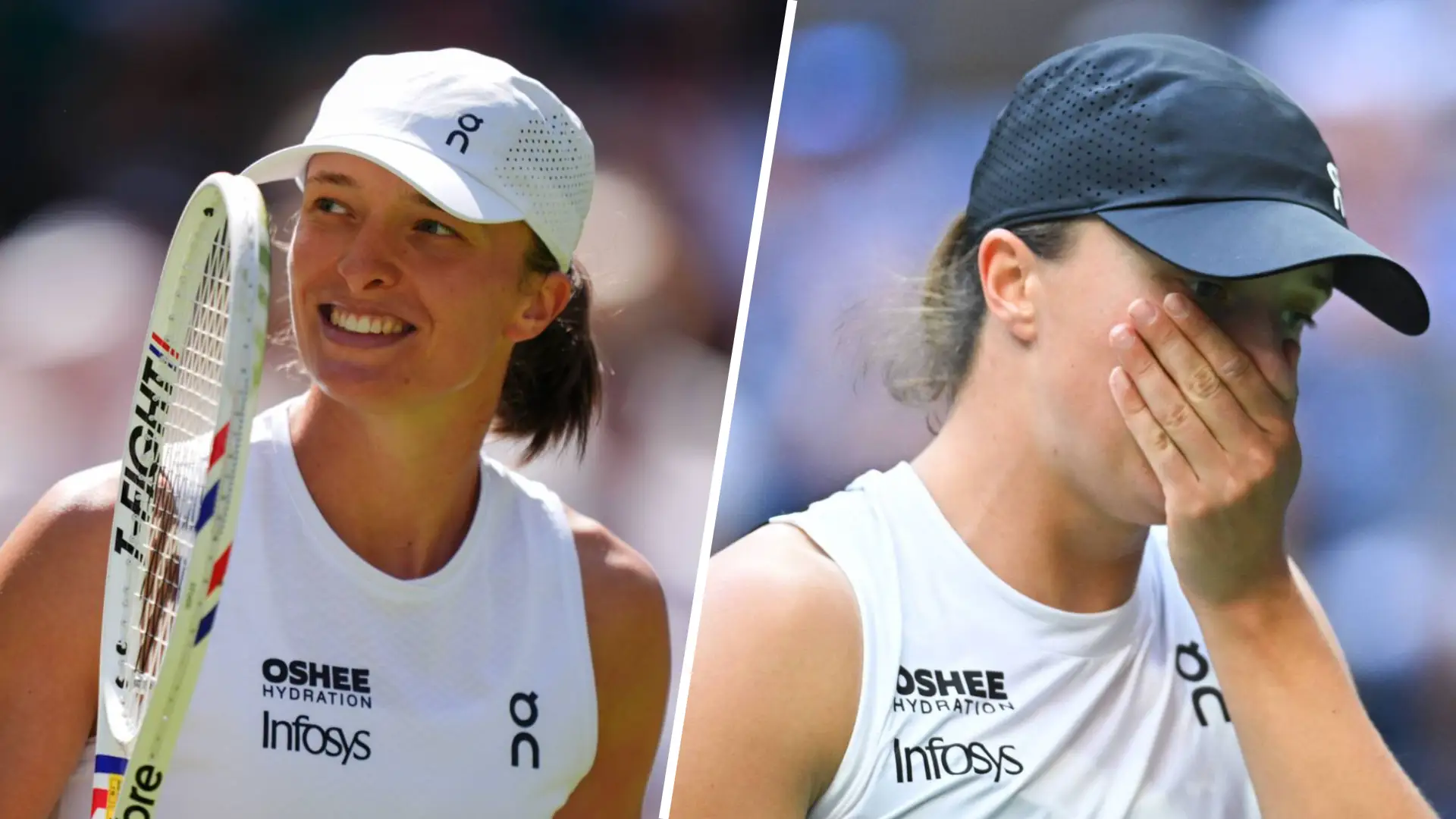
The physical coach shared some impressions during an interview with La Reppublica, on the current demands of tennis conditioning, stating that Sinner and Djokovic are the “most physically prepared” on the men’s tour, while also praising the women’s circuit, noting that “Swiatek’s legs are the best on tour.”
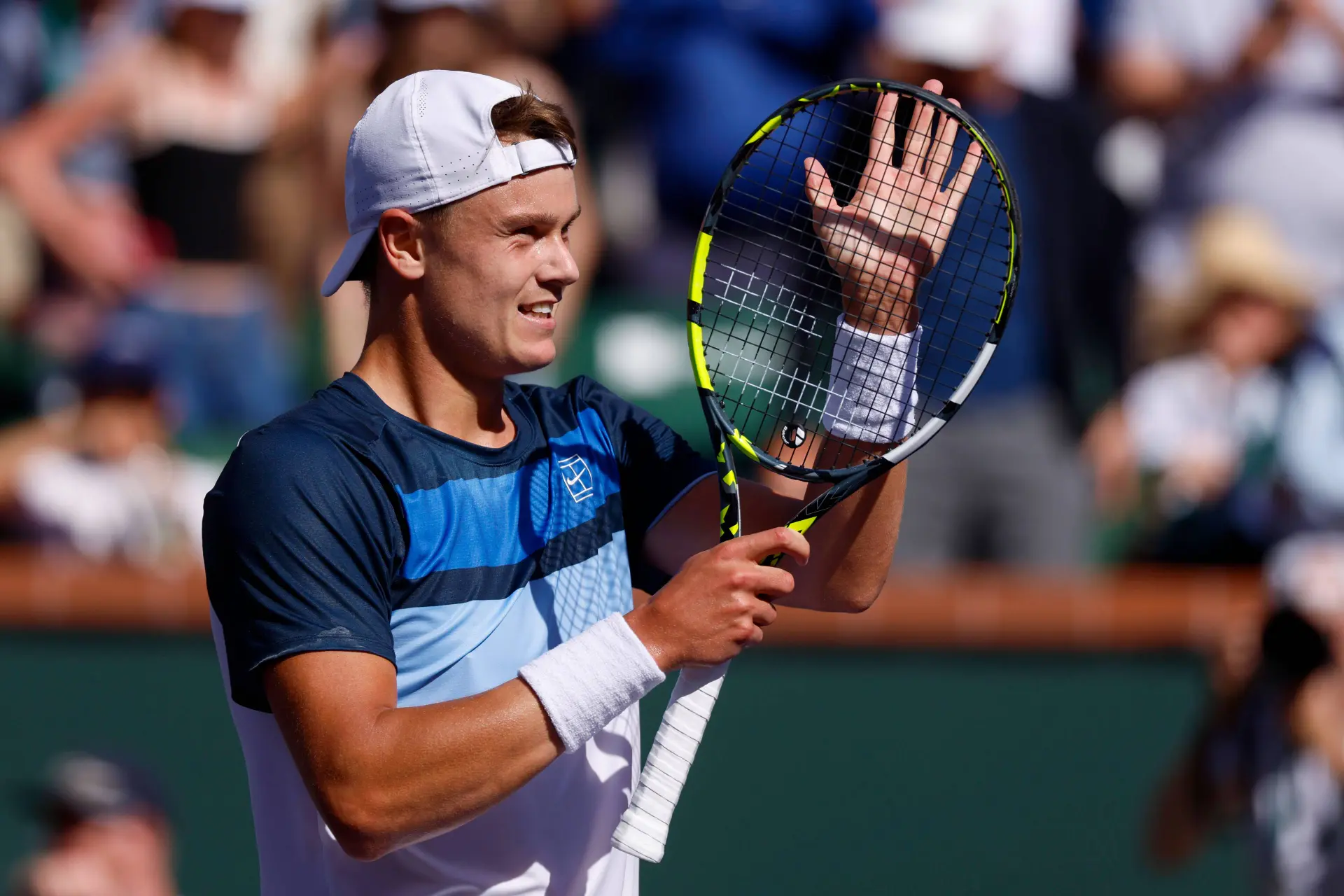
Currently, Panichi resides in Monte Carlo, where he supervises Holger Rune’s recovery following an Achilles tendon rupture, one of the most serious physical challenges for a professional tennis player. At the same time, he participates in the PL Management project, focused on developing young Italian and international talents from the Forum Sport Center in Rome, with a long-term vision based on comprehensive training.
Training without repetition
Panichi has been present during some of the most physically demanding stretches of modern tennis, from Djokovic’s well-documented obsession with preparation to Sinner’s rise as a Grand Slam contender. Asked how he accompanies players through these journeys, he dismisses monotony. For him, repetition alone leads to stagnation, not excellence.
He describes the daily process as hard work combined with creativity, gradually introducing variation to keep both body and mind engaged. The gym is only a starting point, not a destination. Panichi believes routines must evolve to reflect the growing physical and emotional demands placed on top players throughout a season.
“Working hard, every day. With imagination, because repetition doesn’t work. You have to change things, little by little. Get out of the gym, turn routine into a game. Do a bit of everything: canoeing, ice skating, horse riding. Even dancing on tables or singing karaoke, if necessary.”
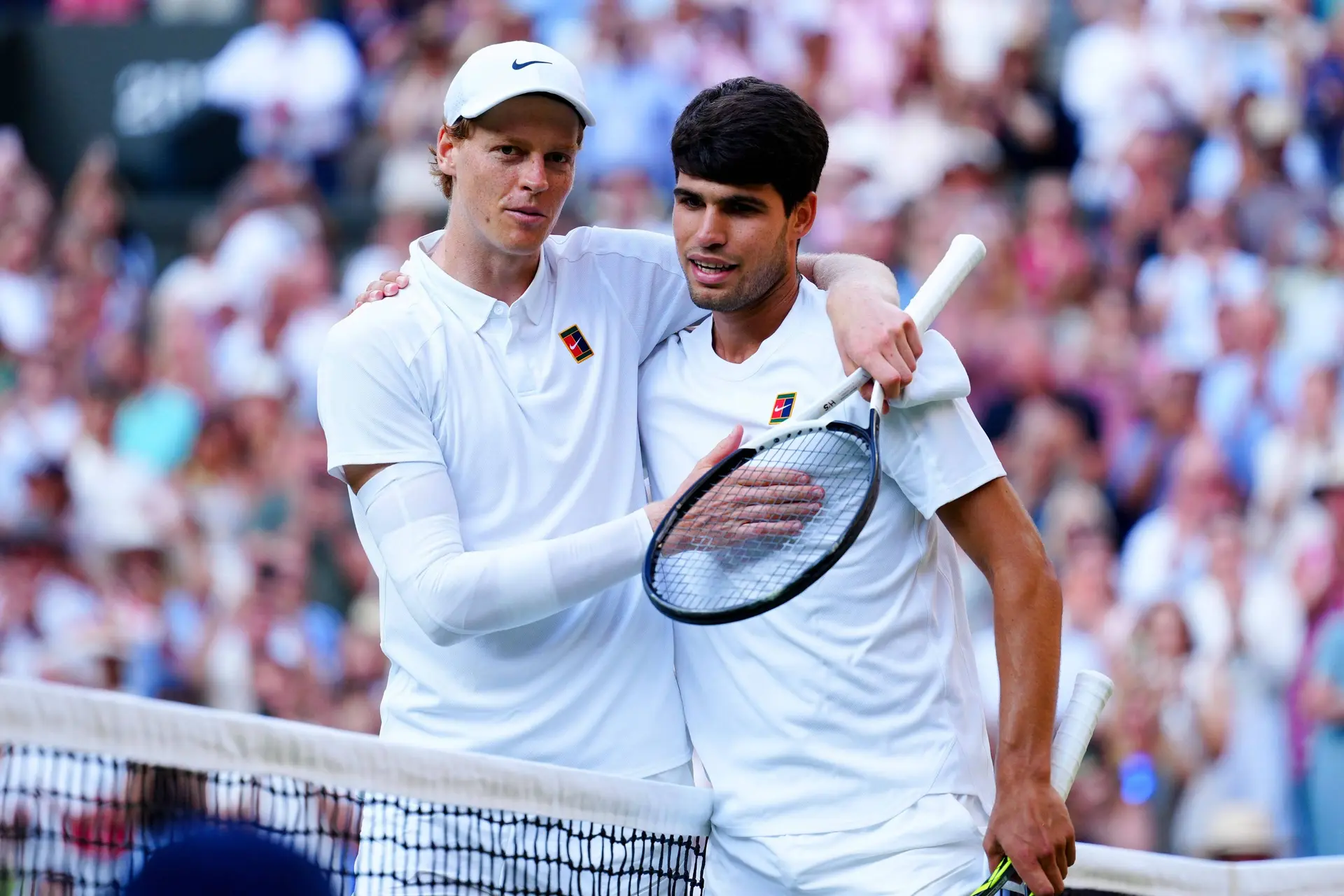
Panichi is careful when discussing individual cases. Contractual obligations prevent him from addressing specifics, particularly regarding Sinner. Still, he acknowledges that unconventional methods can play a role in helping athletes manage emotions during periods of pressure or uncertainty.
“I can’t talk about my relationship with Jannik for contractual reasons. I won’t give names. I will say that, in general, certain improvisations can help some athletes learn how to manage their emotions.”
Physical models and margins at the top
Reflecting on his recent career, Panichi points to a surprising highlight: a three-month suspension period that became professionally rewarding rather than limiting. He frames it as a rare window for focused, respectful collaboration, away from the relentless rhythm of competition. “I think I can say one thing: the three months of his suspension were one of the best moments of my professional life. We worked hard, always had fun, and exchanged many things with great respect.”
At the highest level, Panichi stresses that advantage is always temporary. Players at the top of the rankings understand that progress elsewhere never stops. Maintaining position requires daily commitment, physically and mentally, with no room for complacency. “They have an advantage, but they know that to stay at the top, they can’t drift for a single day. Because the others are progressing too. You always have to be at your maximum, physically and mentally. It’s not easy.”
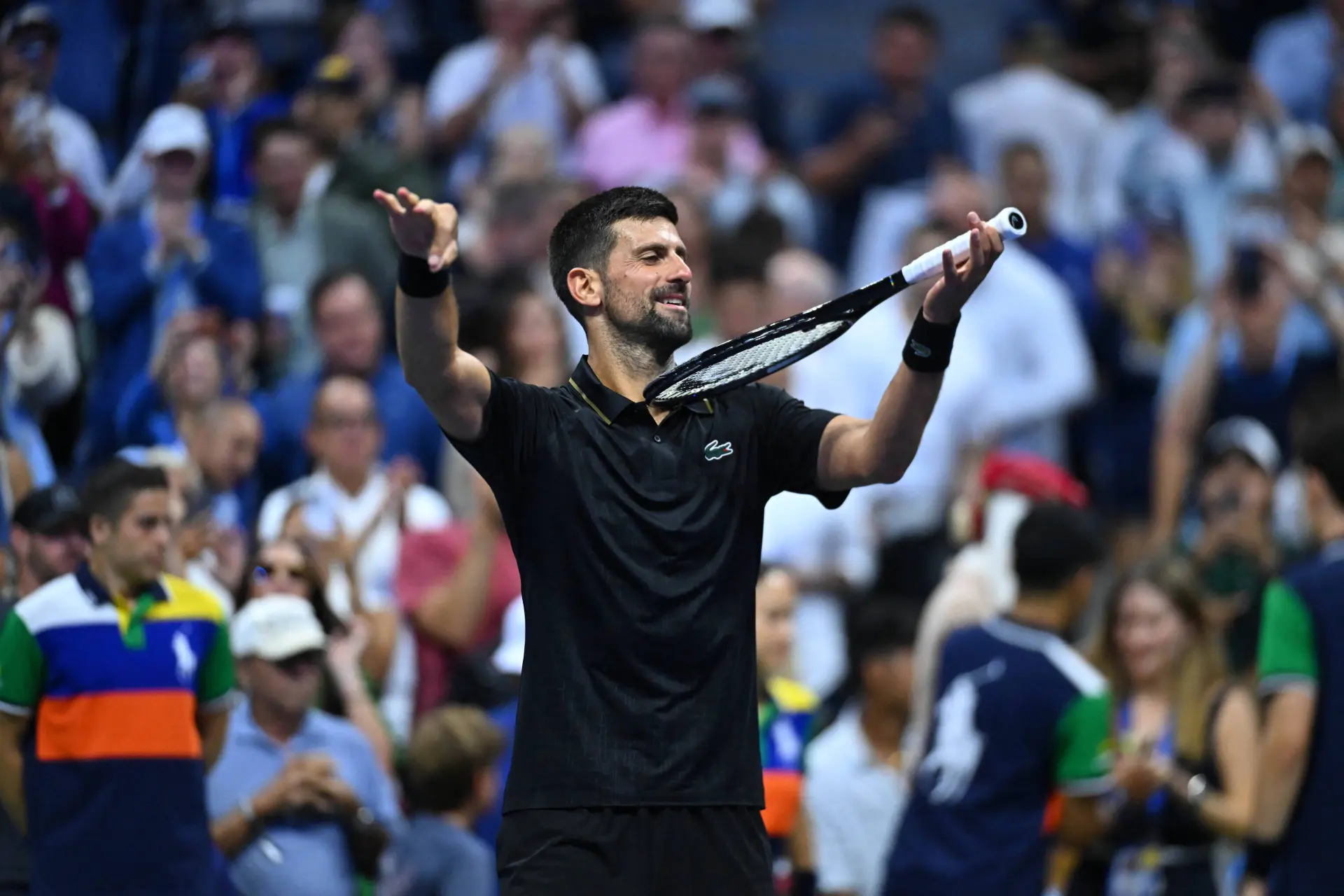
Asked to identify the best athletes he has worked with, Panichi draws on his background in athletics, where he won two Italian long jump titles with a personal best of 7.42 metres. His benchmark is balance rather than extremes. “A tennis player must be like a good decathlete, not too resistant and not too explosive. Something in between," he said. "Novak and Jannik are the most physically prepared. In terms of athletic ability, Fognini was impressive. Like Rune: it’s impossible to beat him with a drop shot. Jasmine Paolini is a pleasure to watch, she has incredible strength. Iga Swiatek’s legs are the best on tour. Emma Navarro also has great potential.”


Cristhián AvilaTennis Journalist
Cristhián Ávila is a tennis journalist based in Santiago, Chile, and has been part of the TennisUpToDate team since early 2023. He covers the ATP and WTA Tours as well as all four Grand Slams, producing breaking news, match reports, analysis, and regular liveblogs from major tournaments.
His reporting combines statistical analysis with clear explanation, helping readers understand tactical developments, player form, and broader storylines across the tour. Working fluently in both Spanish and English, Cristhián collaborates with an international editorial team and contributes to comprehensive global coverage. As part of his work, he has conducted interviews and media interactions with leading figures in the sport, including Caroline Wozniacki and John McEnroe.
In his journalism, Cristhián places strong emphasis on careful sourcing, editorial accuracy, and updating articles promptly when new, verified information becomes available. His coverage is grounded in research, context, and direct engagement with professional tennis.
claps 0visitors 0
Just In

Popular News
Latest Comments
- A healthy Qinwen may be hard to stop next season. She was already scaring her opponents before her medical leave(s). Unfortunately, Zheng insisted on singing again. On the positive side -- Mirra did not sing!! ;~}
 mandoist11-10-2026
 - Where is it written that athletes, entertainers... People in general... are mandated to keep looking at -- or even using [anti]Social Media? Public & private figures consistently complain and reveal their concerns about negativity and violence thrown at them -- yet they insist on participating. Avoid it, don't use it, don't read it. It's okay to occasionally look up at the World instead beating your eyes & thumbs to death on The Inventions out there.mandoist11-10-2026
- great articlestennisseserver07-10-2026
- Medvedev was leading Djokovic 7-5, 3-5 when an attempted return..' NO you ignorants, Djokovic was leading .weiss05-10-2026
- No more bullshit "Wildcards" to these two. Qualify like everyone else -- there will be cameras there, too. Time to scream... WTF ????!!!!mandoist29-09-2026
- Let's not BS the general public -- Sabalenka started showing cracks in her game last season. Her losses and near-losses started at about the same time she began being distracted by Fame (constant Selfies, making TV commercials, magazine shoots, endless Social Media nonsense, etc., etc.) One would think even Saba could recognize the parallels with others who failed before her -- Raducanu, Giorgi, Bouchard to name a few.mandoist25-09-2026
- Gross!! Hey Raducanu, Giorgi, and Bouchard -- reserve a seat at your Social Media Selfie table for Saba + Naomi. They're heading in your direction soon enough.mandoist24-09-2026
- And then these same players will complain about how lengthy their season’s were and need more time-off. I’m all for more tennis but the amount of tennis we get now is actually kind of crazy! We all need a break, especially the players.DaveyWavey23-09-2026
- You should do a comparison article for "different kinds of justice" the courts decide for tennis players. I can think of at least three players who received very small bans of a few months, however Tara Moore has been fighting for her literal survival the past few years. It seems odd considering she is not a "name" player, unlike the other cases.DaveyWavey22-09-2026
- PRIZE MONEY & POINTS Winner - $185,500 Finalist - $114,500 Semi-Finalist - $66,003 Quarter-Finalist - $35,000 Round of 16 - $18,045 Round of 32 - $13,005 Winner - 500 Finalist - 325 Semi-Finalist - 195 Quarter-Finalist - 108 Round of 16 - 60 Round of 32 - 1DaveyWavey20-09-2026

Loading