“One of the toughest challenges in all of our sport”: Andre Agassi’s full message after Maja Chwalinska’s French Open surge
ATP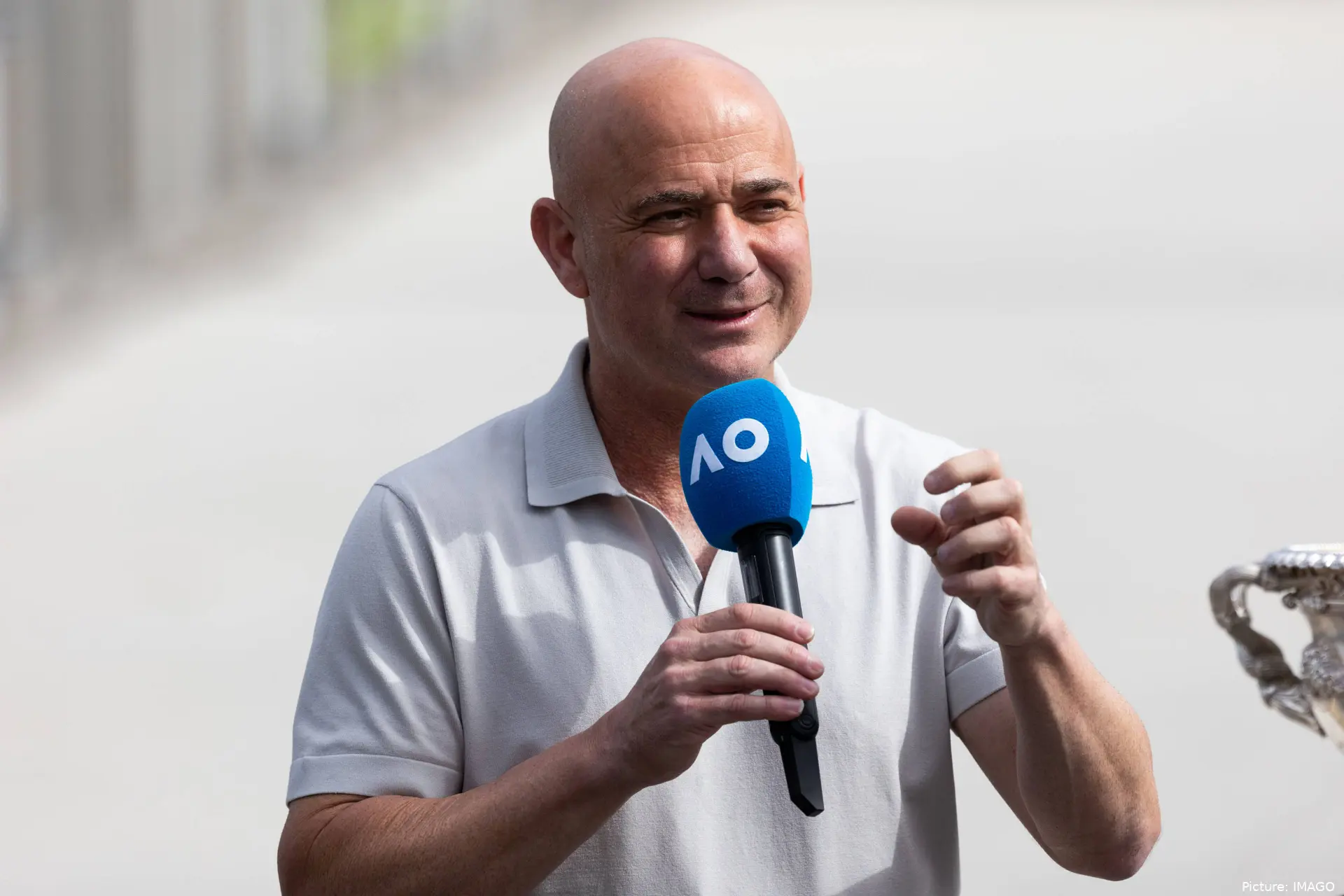
Andre Agassi delivered a sustained and emphatic endorsement of Maja Chwalinska after her run to the Roland Garros final, where the Polish player progressed from qualifying all the way to the championship match. The former world No. 1 repeatedly returned to the scale of the achievement, framing it as one of the most difficult competitive paths in tennis rather than a surprise outcome or isolated breakthrough.
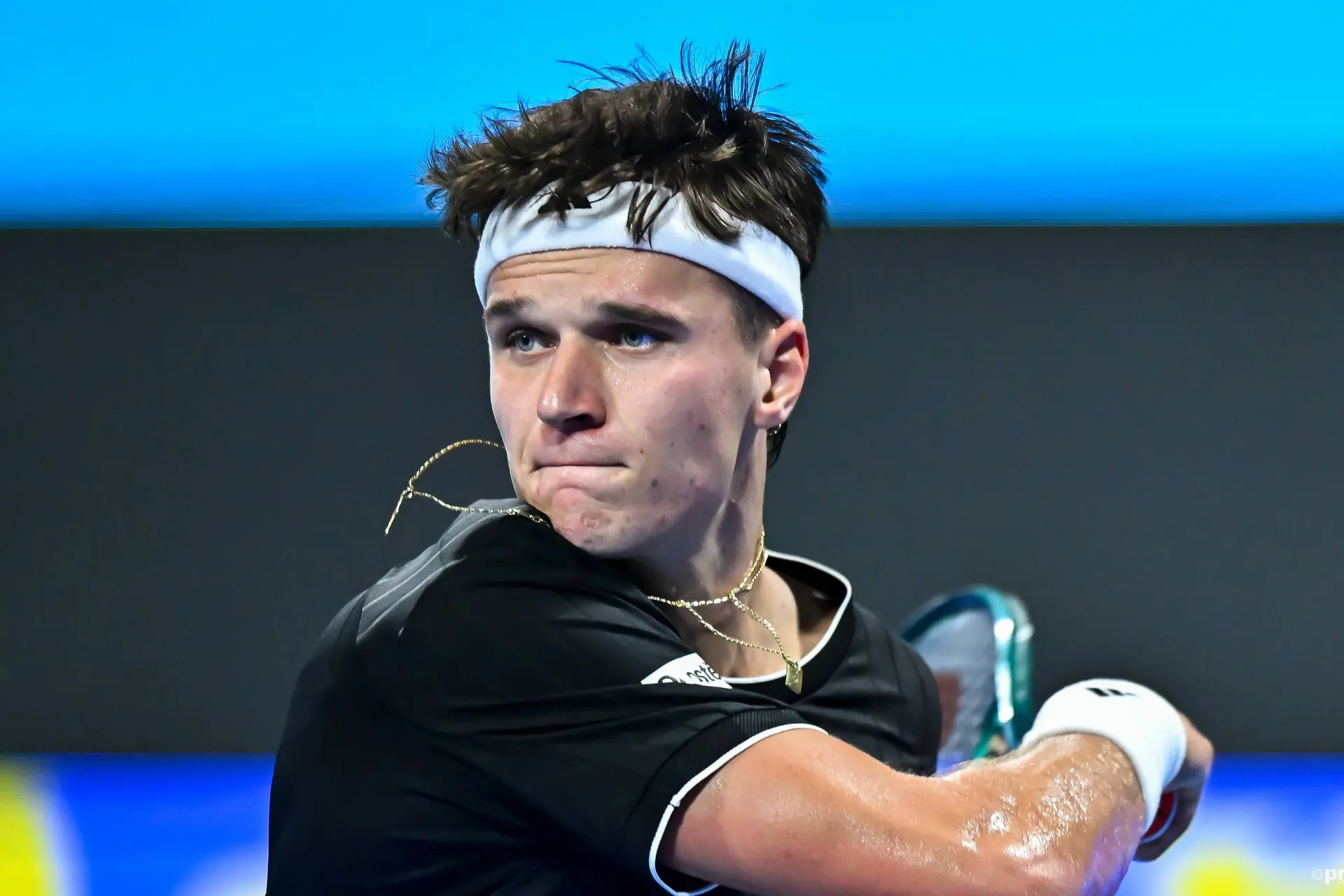
Chwalinska entered Roland Garros ranked No. 114 and is projected to rise to No. 21 after her performance in Paris, which included six main-draw victories following qualifying. Her run placed her among a very limited group in the Open Era to reach a Grand Slam final through qualifying, adding historical weight to an already unexpected campaign.
Agassi’s intervention focused heavily on stabilising perspective after such a rapid rise, particularly in relation to media narratives, ranking movement, and public attention. Rather than engaging with external framing, he consistently redirected the conversation toward process, resilience, and internal development.
The tone of his message remained consistent throughout: validation of the performance, rejection of external distraction, and emphasis on long-term improvement over short-term interpretation.
Agassi: “You qualified and got to the finals… one of the toughest challenges in sport”
Agassi’s most direct reflection centred on the structural difficulty of what Chwalinska had achieved, particularly the fact that her run began in qualifying before ending in a Grand Slam final. “You qualified and got to the finals, one of the toughest, toughest challenges in all of our sport,” the 8-time Grand Slam champion said.
“I don’t think people fully appreciate what that actually means when you start in qualifying and you have to win match after match just to get into the main draw, and then you keep winning against players who are established at this level. That is extremely difficult to do, physically and mentally.”

He also addressed the volatility of external interpretation following breakthrough tournaments, warning against allowing media narratives or ranking shifts to influence self-assessment. His emphasis was on consistency of work rather than reaction to results.
“Don’t be distracted by those articles, don’t be distracted by wins and losses. Because what happens is people will try to define you based on a couple of weeks or a couple of matches, and that is not how you build anything sustainable in this sport. Keep making yourself better because you’re a gift to the sport.”
Agassi further expanded on the emotional and collective reaction generated by Chwalinska’s run, linking it to broader dynamics in sport where unexpected performances resonate beyond technical analysis. His comments moved away from competition and toward impact and perception.
“What I think we’re all feeling right now is when great things happen to good people, it makes us feel good. And I don’t say that lightly. When you see someone go through qualifying, go through the draw, and keep finding ways to win, it reminds everyone why we watch this sport in the first place.”
He concluded this part of his message with a direct personal assessment of Chwalinska’s level and influence during the tournament, reinforcing the strength of his endorsement. “I think everyone can see how great you are, not just in terms of results here, but in how you’ve handled yourself, how you’ve competed, and what you’ve shown on court. So thank you for sharing that with us.”
Chwalinska on gratitude and the meaning of her Roland Garros run
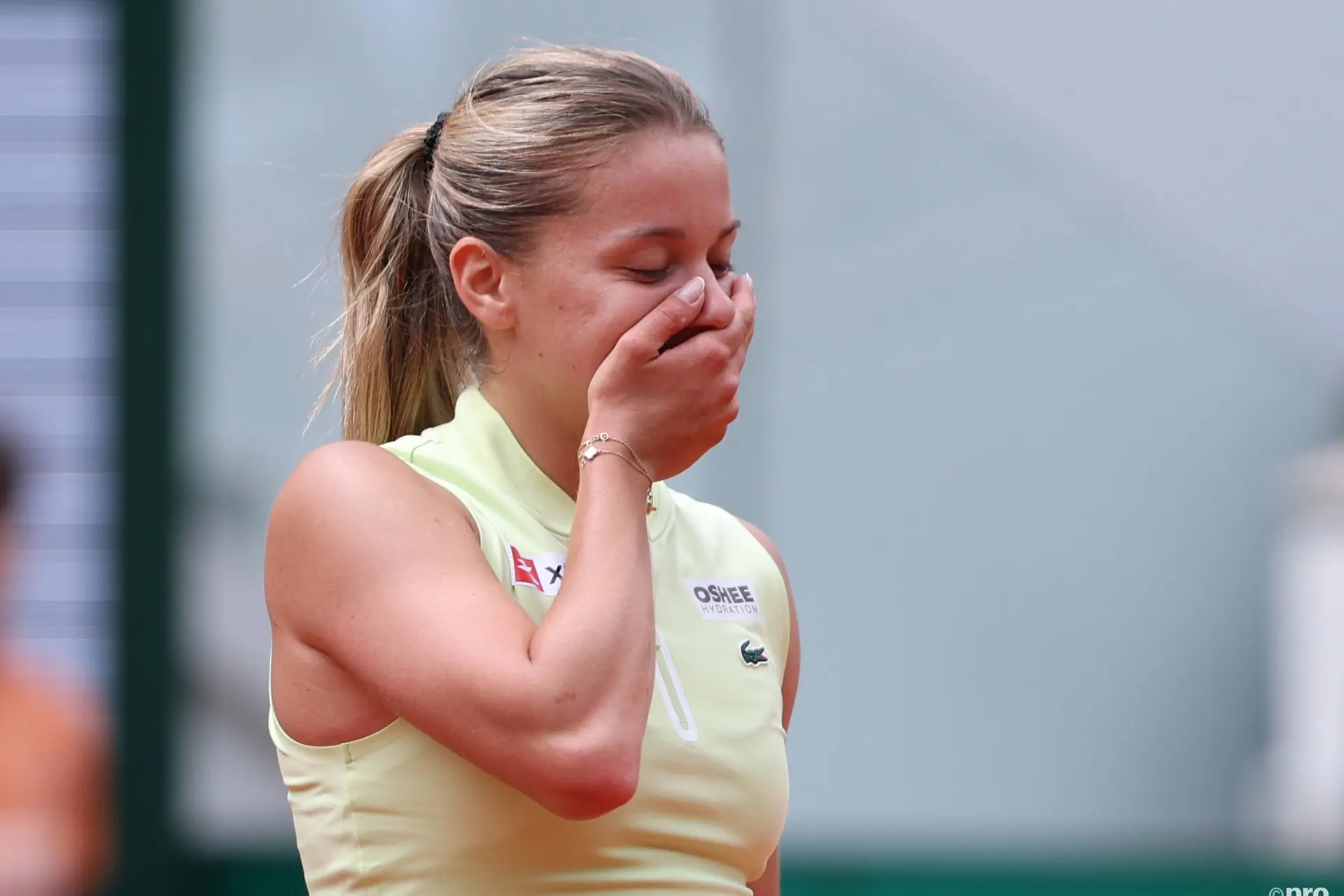
Chwalinska responded by focusing on gratitude and emotional processing rather than competitive framing or ranking implications. Her remarks reflected the scale of attention generated by her performances, particularly in her home country, and the broader significance of reaching a Grand Slam final from qualifying.
“I mean, it’s incredible. I honestly don’t know what I did to deserve it. I started the tournament just trying to get through qualifying, match by match, and suddenly I’m here in a Grand Slam final. It’s something I never really thought about in those terms, so I’m just very grateful for everything that has happened.”
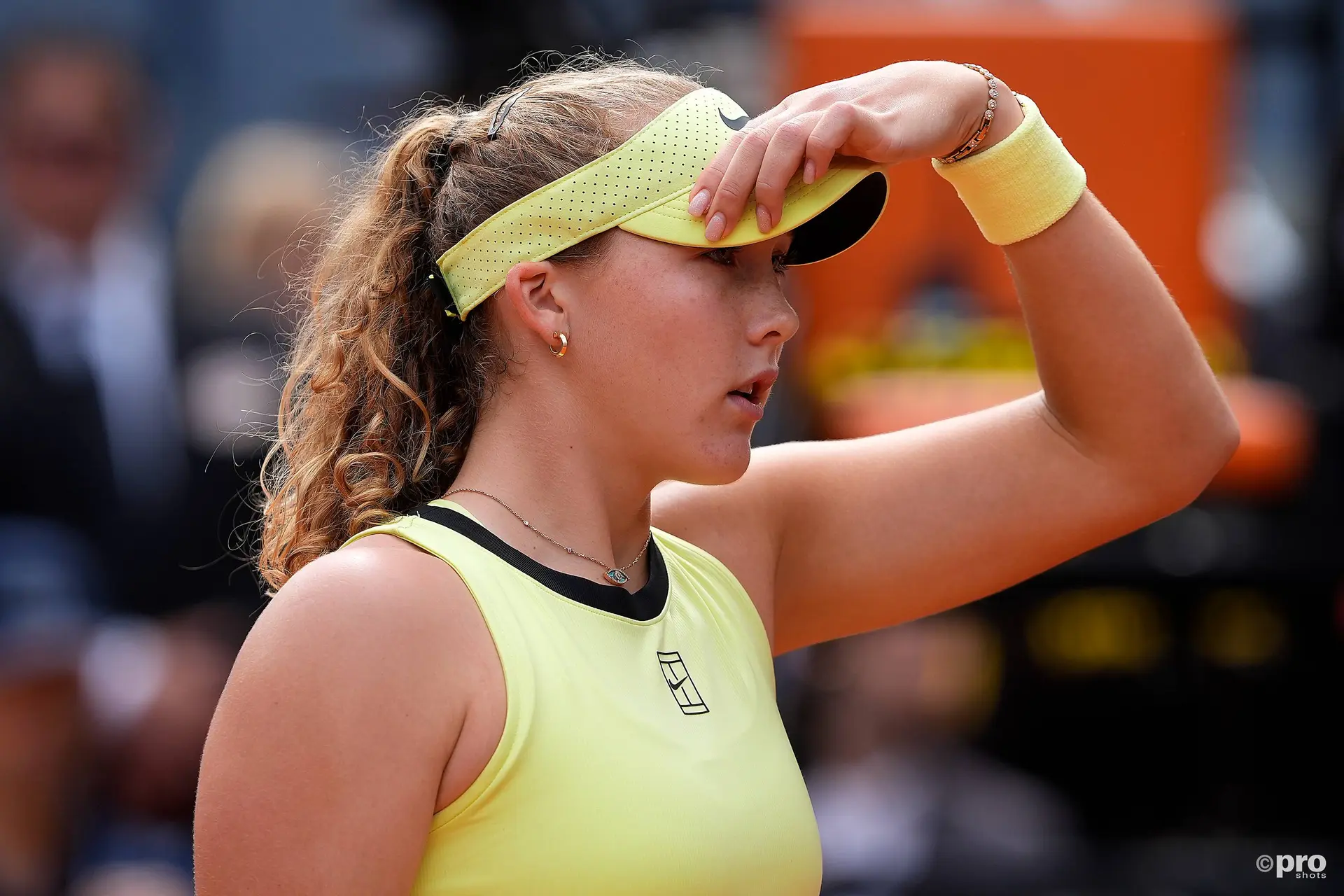
She also emphasised the broader meaning of sport beyond results, aligning with Agassi’s reference to narrative and emotional connection. Her focus remained on the relationship between performance and audience response rather than statistical milestones.
“I feel like tennis and sports in general are more than just wins and losses. It’s not just about the scorelines or the rankings. It’s about the people, the stories behind them, and the emotions that come with it, both for players and for the people watching.”

Chwalinska further acknowledged the intensity of public reaction during her run, particularly the emotional engagement generated by her matches across the tournament. Her comments highlighted the feedback loop between performance and audience perception during a breakout event.
“I can see the emotions that my game brings in people. When I’m on court, I feel it, and afterwards I realise how much it meant to others as well, not just to me. That’s something I’m very grateful for, because it makes the whole experience much bigger than just tennis.”
Maja Chwalinska got a special message from @AndreAgassi after her incredible #RolandGarros run 🥹👏 pic.twitter.com/XbMgVyUbzS
— TNT Sports U.S. (@TNTSportsUS) June 7, 2026
Cristhián AvilaTennis Journalist
Cristhián Ávila is a tennis journalist based in Santiago, Chile, and has been part of the TennisUpToDate team since early 2023. He covers the ATP and WTA Tours as well as all four Grand Slams, producing breaking news, match reports, analysis, and regular liveblogs from major tournaments.
His reporting combines statistical analysis with clear explanation, helping readers understand tactical developments, player form, and broader storylines across the tour. Working fluently in both Spanish and English, Cristhián collaborates with an international editorial team and contributes to comprehensive global coverage. As part of his work, he has conducted interviews and media interactions with leading figures in the sport, including Caroline Wozniacki and John McEnroe.
In his journalism, Cristhián places strong emphasis on careful sourcing, editorial accuracy, and updating articles promptly when new, verified information becomes available. His coverage is grounded in research, context, and direct engagement with professional tennis.
claps 0visitors 0
Just In

Popular News
Latest Comments
- A healthy Qinwen may be hard to stop next season. She was already scaring her opponents before her medical leave(s). Unfortunately, Zheng insisted on singing again. On the positive side -- Mirra did not sing!! ;~}
 mandoist11-10-2026
 - Where is it written that athletes, entertainers... People in general... are mandated to keep looking at -- or even using [anti]Social Media? Public & private figures consistently complain and reveal their concerns about negativity and violence thrown at them -- yet they insist on participating. Avoid it, don't use it, don't read it. It's okay to occasionally look up at the World instead beating your eyes & thumbs to death on The Inventions out there.mandoist11-10-2026
- great articlestennisseserver07-10-2026
- Medvedev was leading Djokovic 7-5, 3-5 when an attempted return..' NO you ignorants, Djokovic was leading .weiss05-10-2026
- No more bullshit "Wildcards" to these two. Qualify like everyone else -- there will be cameras there, too. Time to scream... WTF ????!!!!mandoist29-09-2026
- Let's not BS the general public -- Sabalenka started showing cracks in her game last season. Her losses and near-losses started at about the same time she began being distracted by Fame (constant Selfies, making TV commercials, magazine shoots, endless Social Media nonsense, etc., etc.) One would think even Saba could recognize the parallels with others who failed before her -- Raducanu, Giorgi, Bouchard to name a few.mandoist25-09-2026
- Gross!! Hey Raducanu, Giorgi, and Bouchard -- reserve a seat at your Social Media Selfie table for Saba + Naomi. They're heading in your direction soon enough.mandoist24-09-2026
- And then these same players will complain about how lengthy their season’s were and need more time-off. I’m all for more tennis but the amount of tennis we get now is actually kind of crazy! We all need a break, especially the players.DaveyWavey23-09-2026
- You should do a comparison article for "different kinds of justice" the courts decide for tennis players. I can think of at least three players who received very small bans of a few months, however Tara Moore has been fighting for her literal survival the past few years. It seems odd considering she is not a "name" player, unlike the other cases.DaveyWavey22-09-2026
- PRIZE MONEY & POINTS Winner - $185,500 Finalist - $114,500 Semi-Finalist - $66,003 Quarter-Finalist - $35,000 Round of 16 - $18,045 Round of 32 - $13,005 Winner - 500 Finalist - 325 Semi-Finalist - 195 Quarter-Finalist - 108 Round of 16 - 60 Round of 32 - 1DaveyWavey20-09-2026

Loading