“We desperately need him”: Mats Wilander says Carlos Alcaraz is the only player who can stop Jannik Sinner
ATP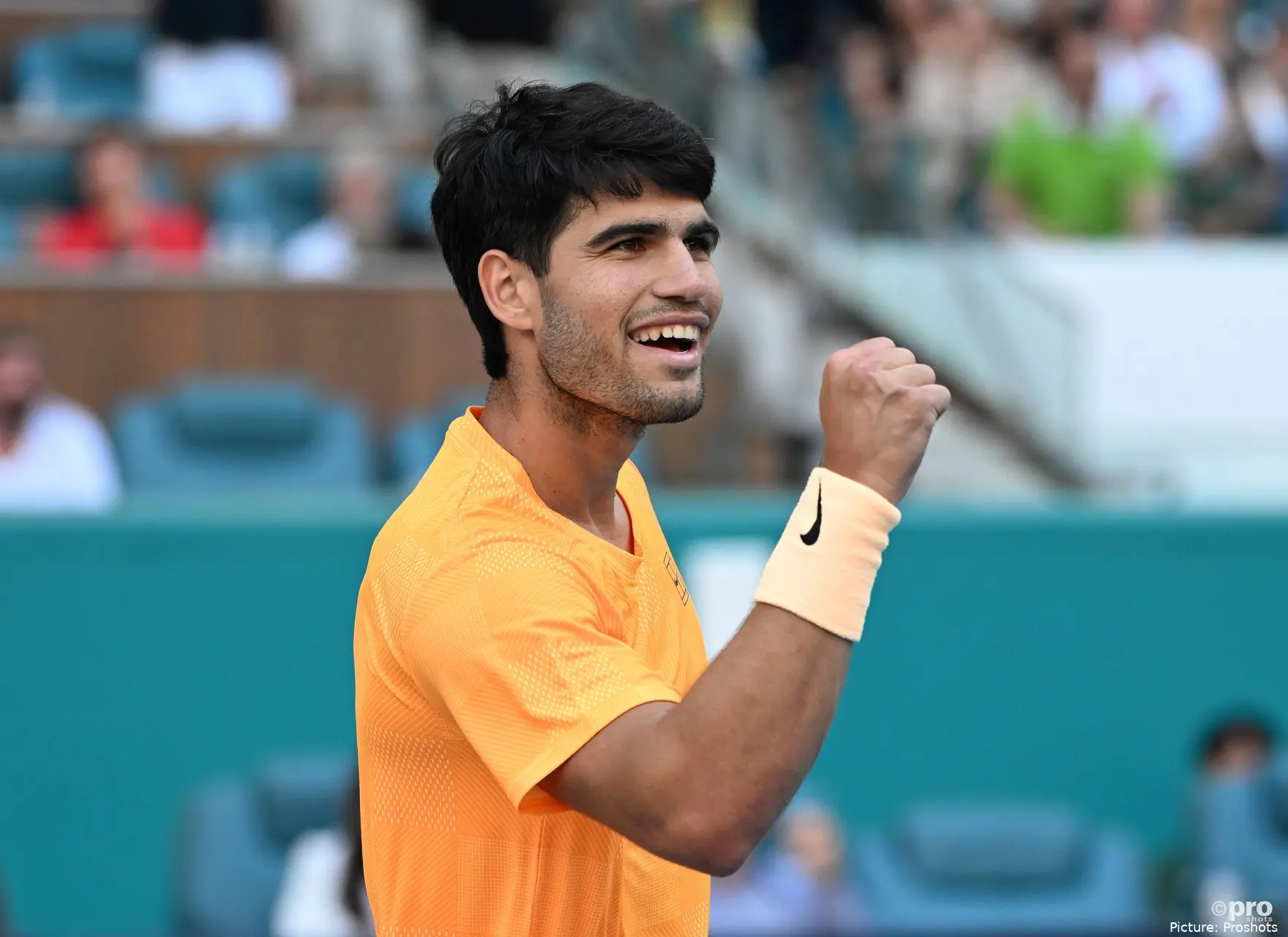
Mats Wilander believes Roland Garros is currently defined by the absence of Carlos Alcaraz and the dominance of Jannik Sinner, with the former world No. 1 arguing that the Spanish player is the only realistic counterweight to the Italian at Grand Slam level. Speaking ahead of the French Open, Wilander directly linked Alcaraz’s withdrawal to a loss of competitive balance in Paris.
The 7-time Grand Slam champion now working as a Eurosport analyst, framed the situation not only in sporting terms but also in structural terms for the men’s tour. In his view, Alcaraz represents a rare force capable of disrupting the current hierarchy, particularly in best-of-five matches where consistency under pressure becomes decisive.
He also stressed that Sinner’s current level is the strongest in the field, but repeatedly returned to the idea that the Italian’s dominance is amplified by the absence of his closest rival. The result, he suggested, is a draw that feels significantly more open in theory than in practice.
The Swede also had words for the new star of Spanish tennis – Rafael Jodar – whom he hopes will soon establish himself in the top 10 and even win a Grand Slam title in the future.
Alcaraz absence and Sinner dominance
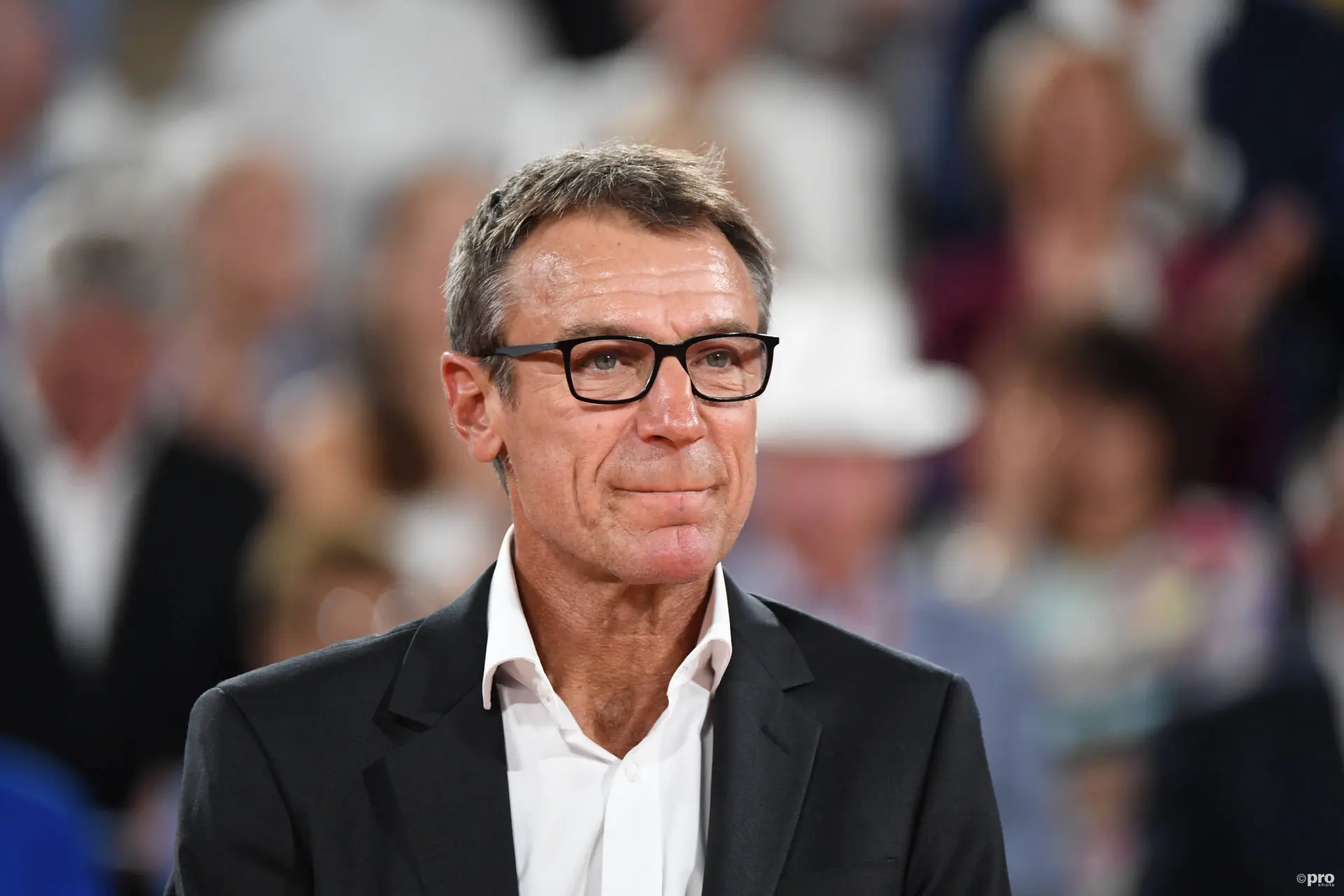
Mats Wilander, former world No. 1 and Eurosport analyst, said the Roland Garros picture is being directly shaped by Carlos Alcaraz’s withdrawal and Jannik Sinner’s status as clear favourite. In his assessment, the Spaniard is the only player capable of consistently challenging the Italian at Grand Slam level.
“The tennis world loses when Alcaraz doesn’t play because of his level and how fun he is to watch, just like Rafa Nadal before him," Mats Wilander said in an interview with AS. "We desperately need him. He’s the only one capable of stopping Sinner.”
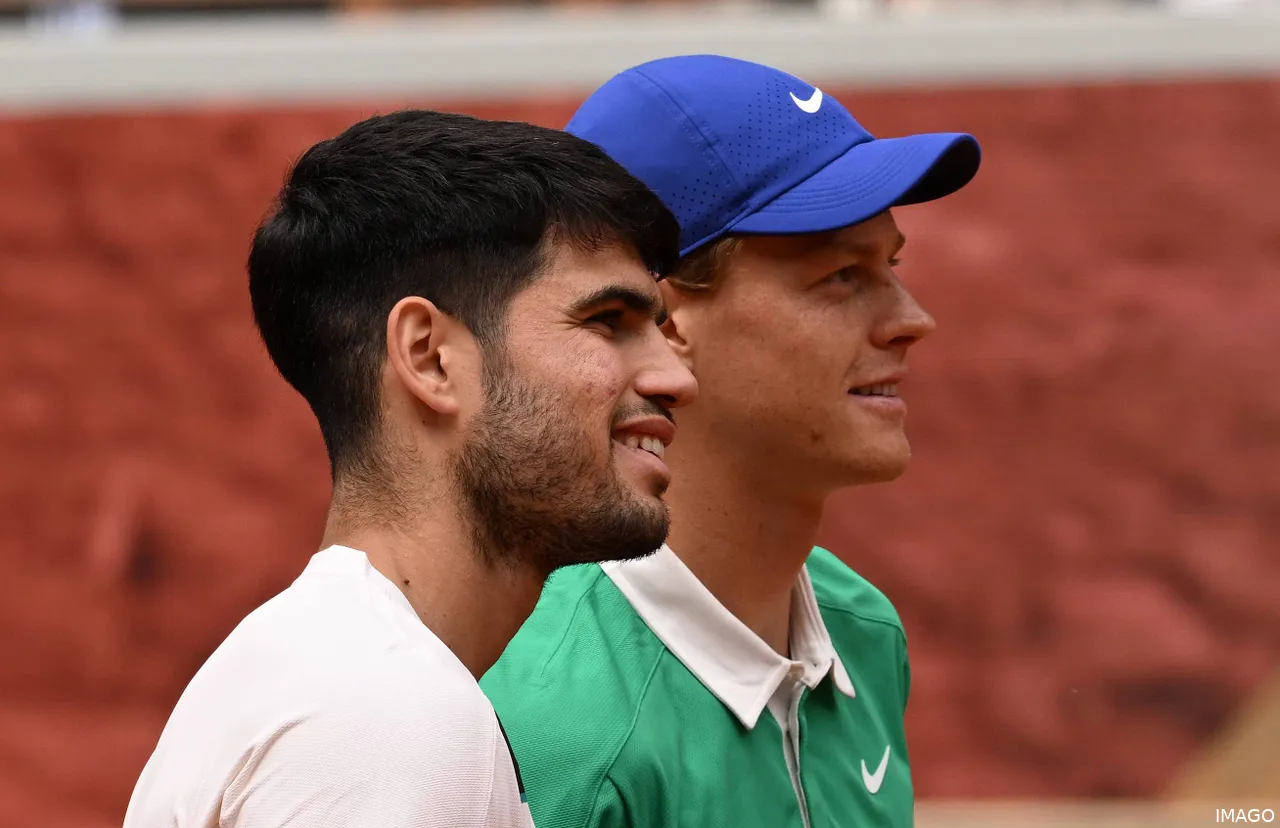
Jannik Sinner and Carlos Alcaraz together at Roland Garros
Wilander was even more direct when summarising the competitive gap created by Alcaraz’s absence ahead of Roland Garros 2026. “We desperately need him,” he added. “He’s the only one capable of stopping Sinner.”
He also referenced Sinner’s current level, with the Italian arriving in Paris as world No. 1 and main title contender after a season where he has established himself as the most consistent player on tour. “Right now Sinner is playing the best tennis of his life, and with Alcaraz injured, nobody is beating him. It looks impossible to win against him.”
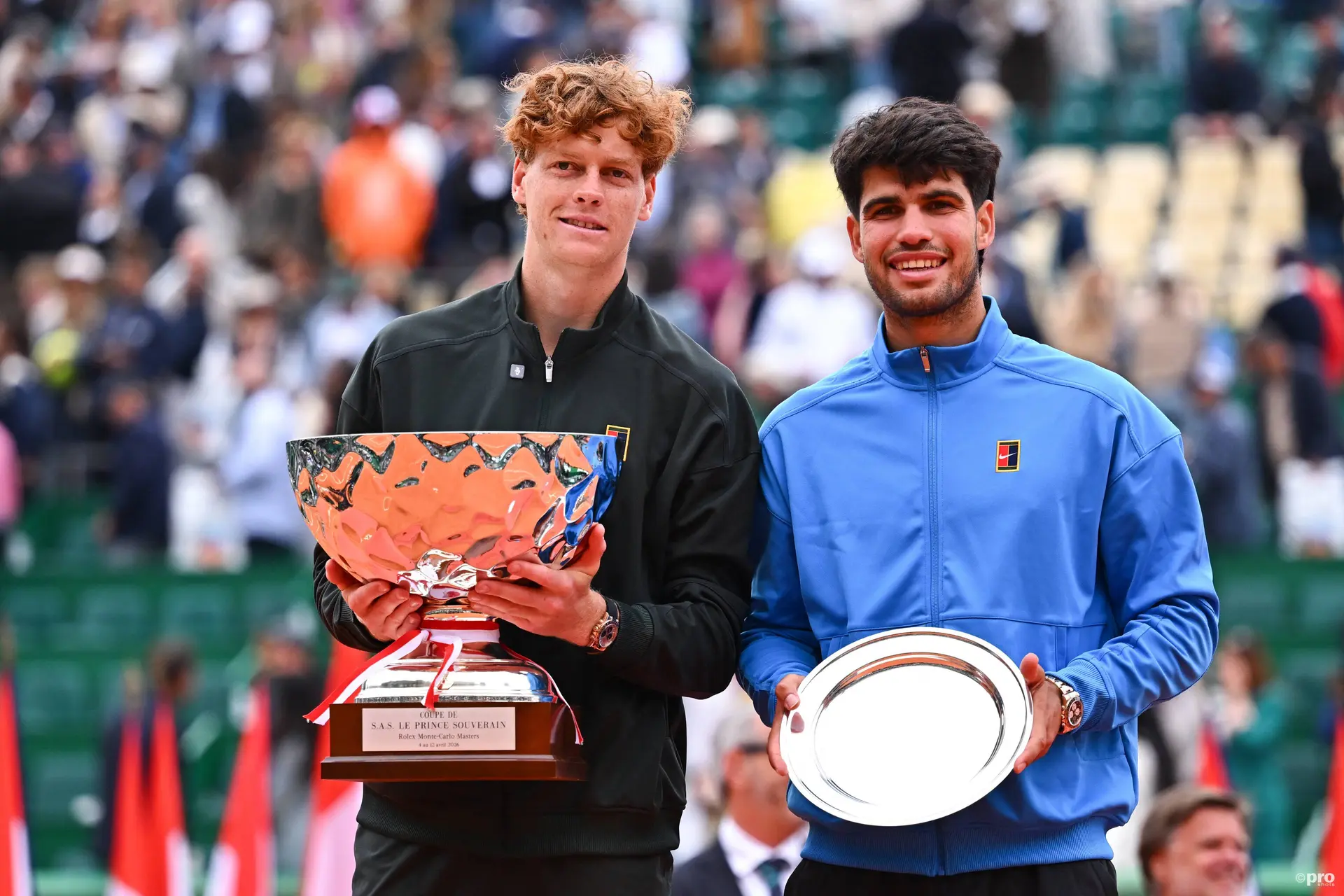
Rafa Jódar, tactical approach to Sinner and Roland Garros contenders
Wilander also highlighted Rafa Jódar as part of Spain’s next generation, placing strong emphasis on his mentality and long-term projection despite limited experience at Grand Slam level. “I think 100% that he will be a top-10 player within the next three or four years, and that he will win a Grand Slam one day.”
He then turned to the tactical problem of facing Jannik Sinner, stressing that the approach cannot be based on short-point aggression, but on sustained rally discipline designed to reduce the Italian’s ability to dictate. “It takes a community effort to pressure him. If opponents only go for winners all the time, physically it’s not a hard match for Sinner. You have to play the style Jannik hates most: keeping the ball through the middle of the court without giving him angles.”

On the wider Roland Garros title picture, Wilander directly named the main contenders behind Sinner and expanded on how he sees the draw hierarchy shaping up in Paris.
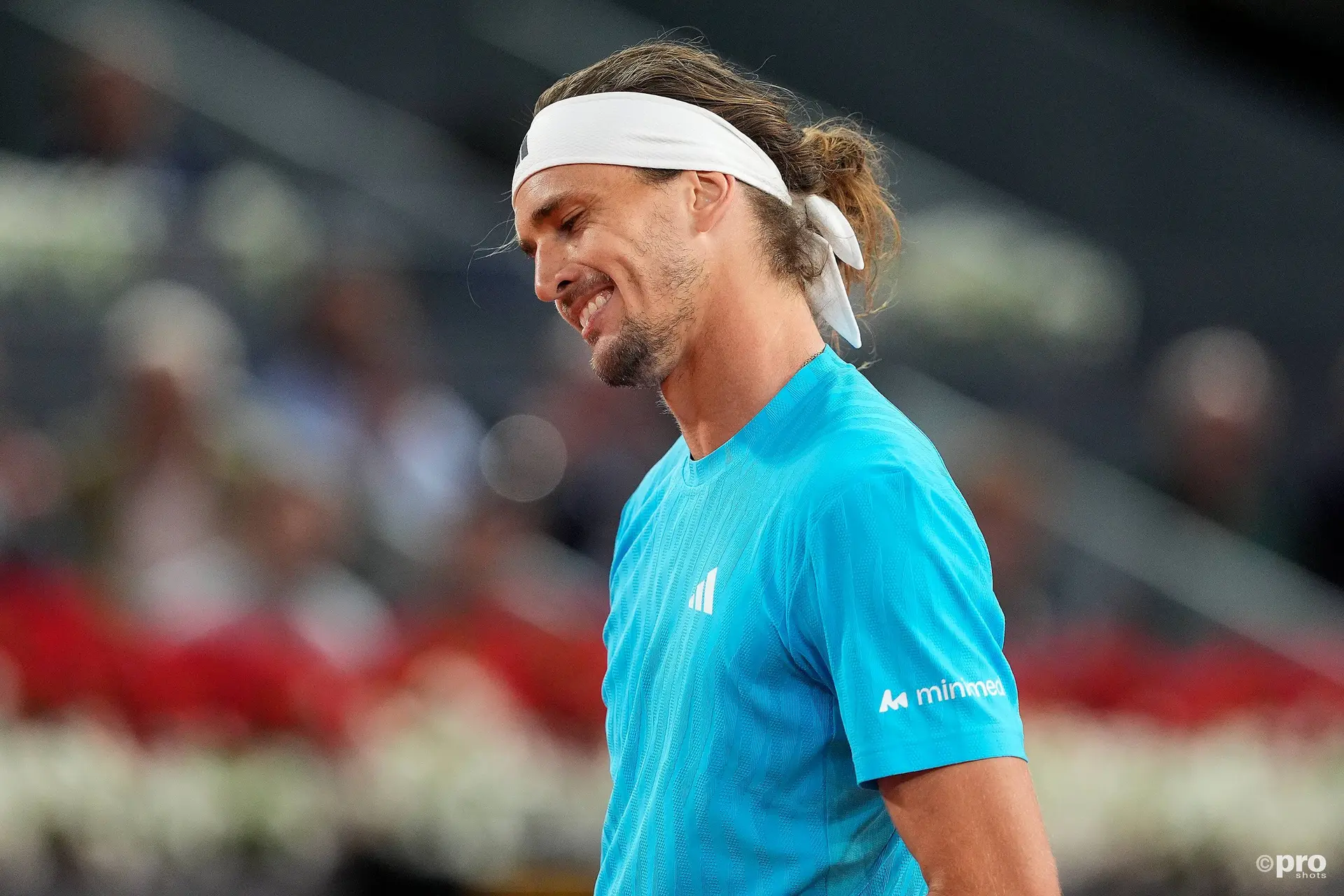
“You have to include Sascha Zverev and Casper Ruud among the favourites. I am one of those who thinks the German will win a Grand Slam before he retires; he plays better with age, has more weapons, takes more risks, and I don’t think he will lose to anyone except Sinner at the French Open."
"The surprise can be Arthur Fils because he has the game, the conviction and the crowd on his side. He is just behind them, but he is the dark horse.”
He also added a psychological angle regarding a potential final between Sinner and Zverev, focusing on perceived belief levels in high-stakes matches. “If Zverev faces Sinner in the final, he will go in with the mentality that, in a way, he cannot beat him.”
Read also
Injuries, cramp rules and financial structure
Wilander addressed the growing injury list on the ATP Tour, linking it directly to the physical demands of modern tennis rather than isolated incidents or scheduling anomalies. “It’s simply natural and bad luck that players like Musetti and Alcaraz are injured right when we arrive at their favourite surface.”
On medical treatment for cramping, he criticised the ambiguity surrounding on-court decisions and the difficulty officials face when distinguishing between different types of physical issues during matches. “Treatment shouldn’t be allowed. The problem is that we’re in a grey area where everything becomes a subjective decision for the chair umpire. At the beginning, it’s very difficult to know whether it’s a muscle strain or cramp.”
Finally, Wilander focused on prize-money distribution, arguing that the key issue is not elite earnings but structural sustainability for lower-ranked players across the tour. “What really matters is that prize money keeps increasing so the player ranked No. 100 can afford the same support team and conditions as Sinner. That would push our sport to different levels.”

Cristhián AvilaTennis Journalist
Cristhián Ávila is a tennis journalist based in Santiago, Chile, and has been part of the TennisUpToDate team since early 2023. He covers the ATP and WTA Tours as well as all four Grand Slams, producing breaking news, match reports, analysis, and regular liveblogs from major tournaments.
His reporting combines statistical analysis with clear explanation, helping readers understand tactical developments, player form, and broader storylines across the tour. Working fluently in both Spanish and English, Cristhián collaborates with an international editorial team and contributes to comprehensive global coverage. As part of his work, he has conducted interviews and media interactions with leading figures in the sport, including Caroline Wozniacki and John McEnroe.
In his journalism, Cristhián places strong emphasis on careful sourcing, editorial accuracy, and updating articles promptly when new, verified information becomes available. His coverage is grounded in research, context, and direct engagement with professional tennis.
claps 0visitors 0
Just In


Popular News
Latest Comments
- A healthy Qinwen may be hard to stop next season. She was already scaring her opponents before her medical leave(s). Unfortunately, Zheng insisted on singing again. On the positive side -- Mirra did not sing!! ;~}
 mandoist11-10-2026
 - Where is it written that athletes, entertainers... People in general... are mandated to keep looking at -- or even using [anti]Social Media? Public & private figures consistently complain and reveal their concerns about negativity and violence thrown at them -- yet they insist on participating. Avoid it, don't use it, don't read it. It's okay to occasionally look up at the World instead beating your eyes & thumbs to death on The Inventions out there.mandoist11-10-2026
- great articlestennisseserver07-10-2026
- Medvedev was leading Djokovic 7-5, 3-5 when an attempted return..' NO you ignorants, Djokovic was leading .weiss05-10-2026
- No more bullshit "Wildcards" to these two. Qualify like everyone else -- there will be cameras there, too. Time to scream... WTF ????!!!!mandoist29-09-2026
- Let's not BS the general public -- Sabalenka started showing cracks in her game last season. Her losses and near-losses started at about the same time she began being distracted by Fame (constant Selfies, making TV commercials, magazine shoots, endless Social Media nonsense, etc., etc.) One would think even Saba could recognize the parallels with others who failed before her -- Raducanu, Giorgi, Bouchard to name a few.mandoist25-09-2026
- Gross!! Hey Raducanu, Giorgi, and Bouchard -- reserve a seat at your Social Media Selfie table for Saba + Naomi. They're heading in your direction soon enough.mandoist24-09-2026
- And then these same players will complain about how lengthy their season’s were and need more time-off. I’m all for more tennis but the amount of tennis we get now is actually kind of crazy! We all need a break, especially the players.DaveyWavey23-09-2026
- You should do a comparison article for "different kinds of justice" the courts decide for tennis players. I can think of at least three players who received very small bans of a few months, however Tara Moore has been fighting for her literal survival the past few years. It seems odd considering she is not a "name" player, unlike the other cases.DaveyWavey22-09-2026
- PRIZE MONEY & POINTS Winner - $185,500 Finalist - $114,500 Semi-Finalist - $66,003 Quarter-Finalist - $35,000 Round of 16 - $18,045 Round of 32 - $13,005 Winner - 500 Finalist - 325 Semi-Finalist - 195 Quarter-Finalist - 108 Round of 16 - 60 Round of 32 - 1DaveyWavey20-09-2026

Loading