“Anybody can get hot — staying there is harder”: Jessica Pegula’s consistency holds as she advances to another Charleston final
WTA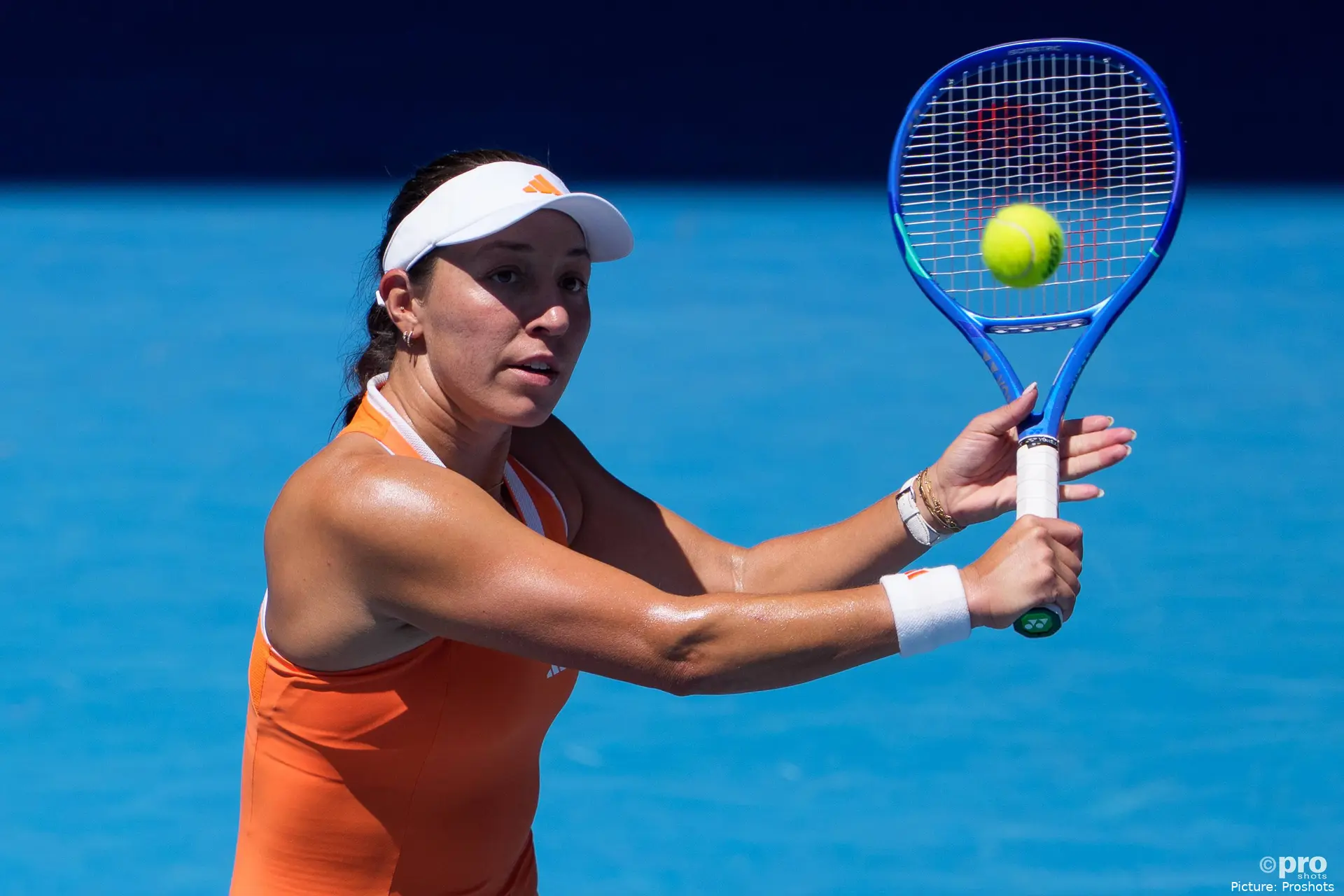
Jessica Pegula’s title defence at the Charleston Open has followed a consistent pattern: extended matches, shifting momentum and controlled responses at key moments. On Saturday, the top seed advanced to her second consecutive final at the WTA 500 event after defeating Iva Jovic 6-4, 5-7, 6-3, maintaining a run built less on control and more on problem-solving.
The result reinforces one of the clearest statistical trends of her 2026 season. Pegula now holds a 10–1 record in three-set matches, a figure that reflects both resilience and the structure of her matches. In Charleston, that pattern has been particularly pronounced, with every key round requiring adjustments rather than straightforward execution.
Arriving as defending champion and a player with over 200 consecutive weeks inside the Top 10, Pegula has carried a different type of pressure. Opponents have approached her with aggressive, low-risk expectations, forcing her into matches where momentum swings are frequent and control is limited.
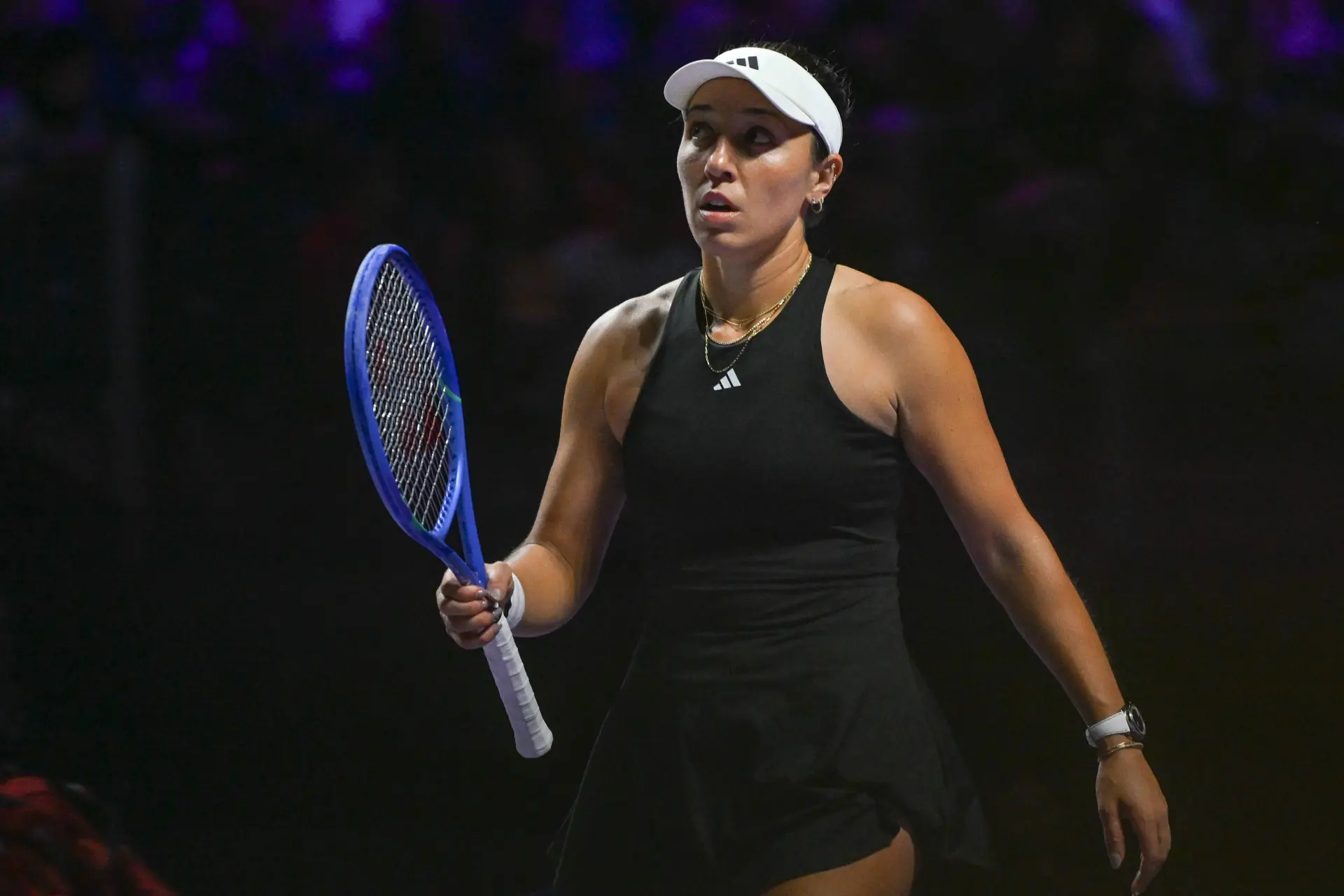
Against Jovic, those dynamics were evident again. The American fell behind early in multiple sets and was required to adjust repeatedly, relying on her return game and decision-making rather than sustained dominance. “I would love some straight-set wins," she said. "That would be nice. But a win is a win. If I’m going to win every match for the rest of my life and it’s three sets, I’ll take it.”
A tournament defined by three-set matches
Pegula’s path to the final can be understood almost entirely through one lens: three-set management. Below is a full breakdown of her matches that have gone the distance this season, illustrating both the volume and consistency of her results in extended contests.
Jessica Pegula – Three-set matches (2026)
| Tournament | Round | Opponent | Opponent Rank | Score | W/L |
| Charleston | SF | Iva Jovic | No. 16 | 6-4 5-7 6-3 | W |
| Charleston | QF | Diana Shnaider | No. 19 | 3-6 6-3 6-2 | W |
| Charleston | R16 | Elisabetta Cocciaretto | No. 43 | 1-6 6-1 7-6(1) | W |
| Charleston | R32 | Yulia Putintseva | No. 72 | 4-6 6-4 7-5 | W |
| Miami | QF | Elena Rybakina | No. 2 | 2-6 6-3 6-4 | L |
| Indian Wells | R32 | Jelena Ostapenko | No. 26 | 4-6 6-3 6-2 | W |
| Indian Wells | R64 | Donna Vekic | No. 103 | 4-6 6-2 6-3 | W |
| Dubai | SF | Amanda Anisimova | No. 6 | 1-6 6-4 6-3 | W |
| Dubai | QF | Clara Tauson | No. 15 | 6-3 2-6 6-4 | W |
| Brisbane | R16 | Dayana Yastremska | No. 27 | 5-7 6-2 6-3 | W |
| Brisbane | R32 | Anna Kalinskaya | No. 33 | 6-2 2-6 6-4 | W |
The pattern is consistent across surfaces. Pegula has gone the distance against a range of opponents — from Top 10 players to qualifiers — and has maintained a high conversion rate in those scenarios. Her only defeat in three sets this year came against Elena Rybakina in Miami, underlining the level required to disrupt that trend.
Adjustments and Top 10 consistency
Pegula’s explanation for these matches points to a recurring tactical shift rather than a fixed strategy. She acknowledged that she has been “a bit tentative” on clay, particularly in return positions, where footwork and timing have required adjustment after the transition from hard courts.
“I think sometimes when you get down a break you kind of free up. I felt like I started hitting my returns a little bit more. I felt like I wasn’t quite stepping into the court enough, especially on the returns, and she’s such a good returner, so I felt like I had to start putting more pressure on her serve.”
The ability to recalibrate mid-match has been central to her run. Rather than maintaining a high level throughout, Pegula has relied on phases: absorbing pressure, stabilising her serve, and then gradually increasing intensity on return to recover deficits.
That approach aligns with her broader perspective on consistency at the top level. Asked whether reaching the Top 10 or staying there was the greater achievement, Pegula pointed to the latter, emphasising the weekly demands of sustaining performance against opponents with little to lose.
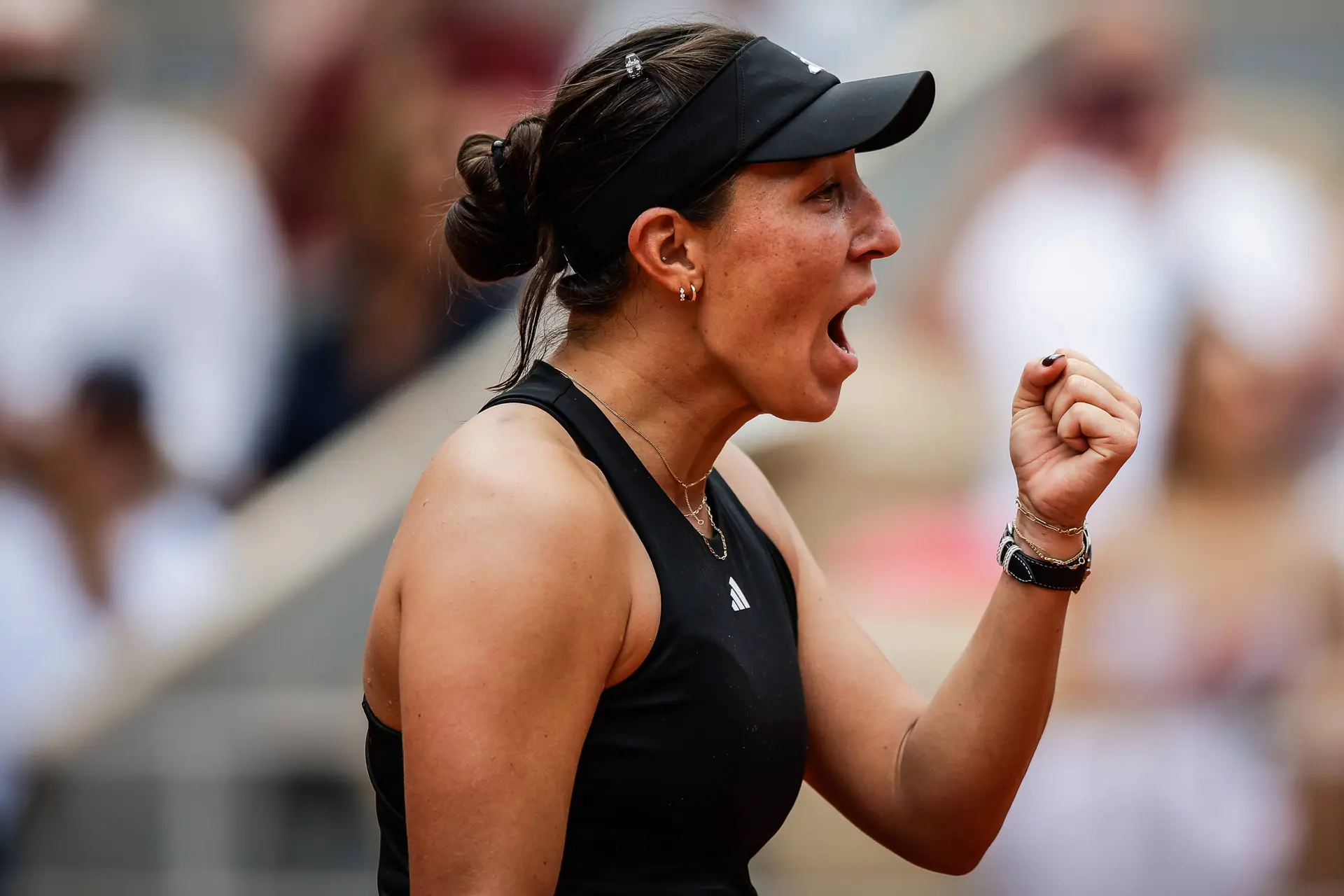
“I think staying there is probably something I’m more proud of just because anybody can get hot and have an amazing couple months or even a year, but to back that up is really hard. Girls come out every single week and they want to beat you and they play with nothing to lose and there’s a target on your back and you have to keep figuring out ways to get better.”
Pegula now enters the Charleston final with the same structural pattern intact. Her campaign has not been defined by dominance, but by control in key moments. Across multiple matches, she has been pushed into extended contests and has consistently found solutions — a profile that explains both her record and her position one win away from retaining the title.

Cristhián AvilaTennis Journalist
Cristhián Ávila is a tennis journalist based in Santiago, Chile, and has been part of the TennisUpToDate team since early 2023. He covers the ATP and WTA Tours as well as all four Grand Slams, producing breaking news, match reports, analysis, and regular liveblogs from major tournaments.
His reporting combines statistical analysis with clear explanation, helping readers understand tactical developments, player form, and broader storylines across the tour. Working fluently in both Spanish and English, Cristhián collaborates with an international editorial team and contributes to comprehensive global coverage. As part of his work, he has conducted interviews and media interactions with leading figures in the sport, including Caroline Wozniacki and John McEnroe.
In his journalism, Cristhián places strong emphasis on careful sourcing, editorial accuracy, and updating articles promptly when new, verified information becomes available. His coverage is grounded in research, context, and direct engagement with professional tennis.
claps 0visitors 0
Just In



Popular News


Latest Comments
- Does Sinner need that 4.5 mil? I doubt it. He can make that with three modelling gigs!😅🤣Rapunzel21-10-2026
- Did "People Magazine" purchase this website? This nonstop storyline is bullshit.
 mandoist21-10-2026
 - Listen... this is of no concern to anyone but these two. Deal with your own issues -- most of us have our own. Thanks, media, for these insignificant follow-ups which are meaningless.mandoist21-10-2026
- This is so very very sad, for all three of them. I truly thought they had an unbreakable bond, but life throws up so many differing challenges. Having your homeland suffering in such a terrible way, makes happiness lose out to guilt as well. Our thoughts are with them. X💔bjsexton20-10-2026
- I have lost all respect for Svitolina! Could she not have waited until he had played at the Paris Masters!!! She is selfish and don't give a damn about Gael. That is NOT how love is demonstrated Elina!!Rapunzel19-10-2026
- Perhaps convenient tennis tour sex is not a strong enough experience in which to base a marriage?mandoist19-10-2026
- Fight the Good Fight... Tennis (sports in general) need more Humans such as yourself.mandoist18-10-2026
- When is WTA going to mandate Genetic Testing (DNA) ???mandoist18-10-2026
- Hey, Dan... you just wake up from a coma? Regardless -- Thanks for the comedy this morning!mandoist18-10-2026
- Two Things: 1. Stop allowing these Spoiled Trust-Fund Elitists to behave badly. Your little hand-slaps do not deter them. 2. STOP the incessantly annoying "towel wiping" nonsense!!!!mandoist15-10-2026

Loading