Extended break for Veronika Kudermetova fuels criticism of WTA calendar: “Damaging for women’s health”
WTA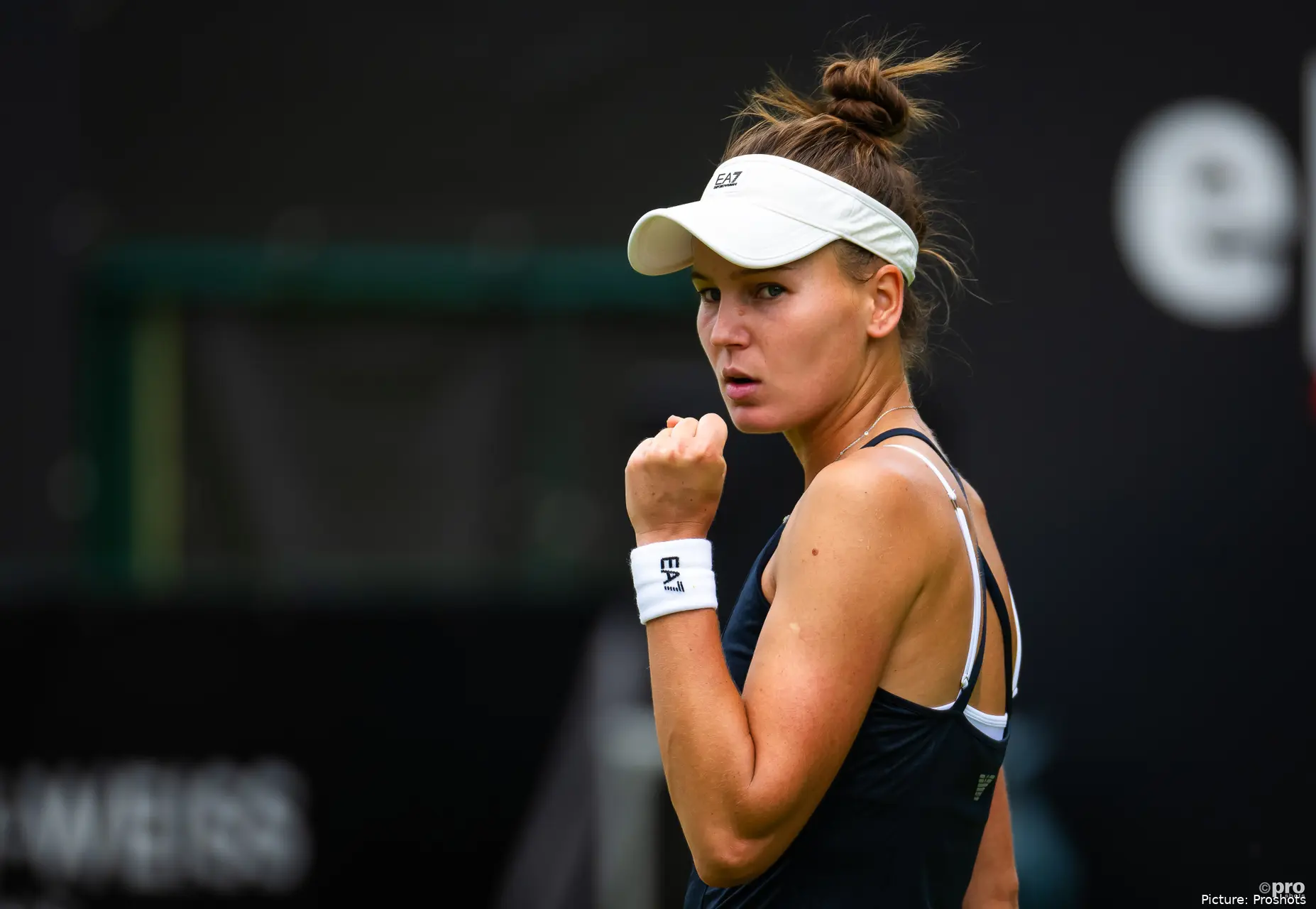
Former top-10 Veronika Kudermetova has used her current injury break to publicly criticise the WTA calendar, questioning its physical demands while stepping away from competition after surgery at the end of 2025.
The Russian, who has been sidelined for the 2026 season so far, has turned her extended absence into a broader reflection on professional tennis, including prize money distribution and structural governance issues within the sport.
Kudermetova’s last competitive appearance came at the WTA Finals, where she won the doubles title alongside Elise Mertens, while her most recent singles match was earlier in the Asian swing in 2025. Since then, she has remained outside competition, with no confirmed return date and a ranking that has dropped to No. 87 due to inactivity.
Speaking to Ubitennis, Kudermetova stressed that her recovery remains on track but deliberately without urgency. “For now, my recovery is going as planned according to medical indicators, but I prefer not to rush things,” she said.
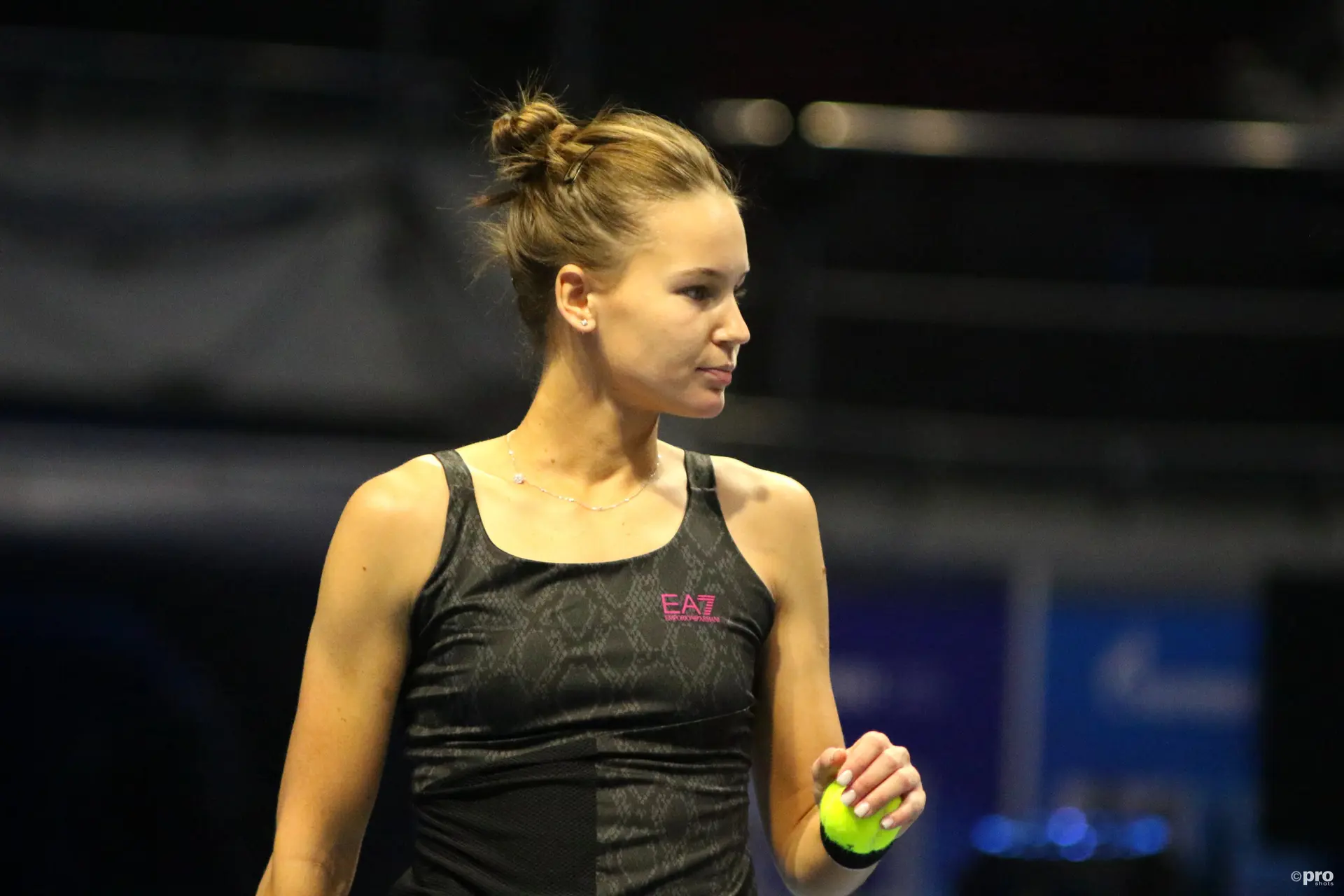
The former world No. 9 has not competed in 2025 and is set to miss the French Open. There is also no clarity over whether she will return for Wimbledon in late June, although she acknowledges the importance of taking time away from competition. “Tennis is only a small part of life,” she said.
WTA calendar pressure and health concerns
A significant part of Kudermetova’s reflection focuses on the structure of the WTA calendar, which continues to be a subject of internal debate across women’s tennis. The season spans close to ten months, with mandatory tournaments and limited recovery windows between major events, particularly at the highest level.
Her criticism is direct and centred on player welfare rather than results or scheduling preference. “This calendar is damaging for women’s health,” she said.

She expanded further on the long-term implications of that structure, pointing to the broader physical burden placed on athletes. “A tight calendar with mandatory tournaments, even if limited, is harmful for women’s health, not to mention preparation for pregnancy and childbirth,” she said.
Kudermetova also suggested the debate is not theoretical but increasingly active among players themselves. “Many of us are already talking about it,” she said.

Prize money, governance and structural imbalance
Alongside scheduling concerns, Kudermetova addressed the ongoing debate around prize money distribution in professional tennis. The issue has resurfaced repeatedly in recent seasons, particularly regarding the gap between tournament revenue and the percentage allocated to players.
Her position reflects a broader sentiment within the tour regarding value distribution. “It is difficult not to agree with the players on this issue,” she said. “When you look at the distribution between players and organisers, it is clear it is unfair for the players who generate those revenues.”
The Russian also referenced how similar disputes have been resolved in other professional sports, suggesting negotiation rather than confrontation as the likely path forward. The issue remains unresolved, particularly at Grand Slam level, where revenue structures differ significantly from regular tour events.
Rune incident, media exposure and personal environment
Kudermetova also revisited the Holger Rune-related controversy, which stemmed from a media interview that later circulated publicly under disputed conditions. She clarified that the issue was not intentional but linked to how the interview was handled.
“The conversation was private and I was promised the cameras would be off, but that turned out not to be the case,” the former top-10 said. “My mistake was trusting the interview without checking it before publication.”
Read also
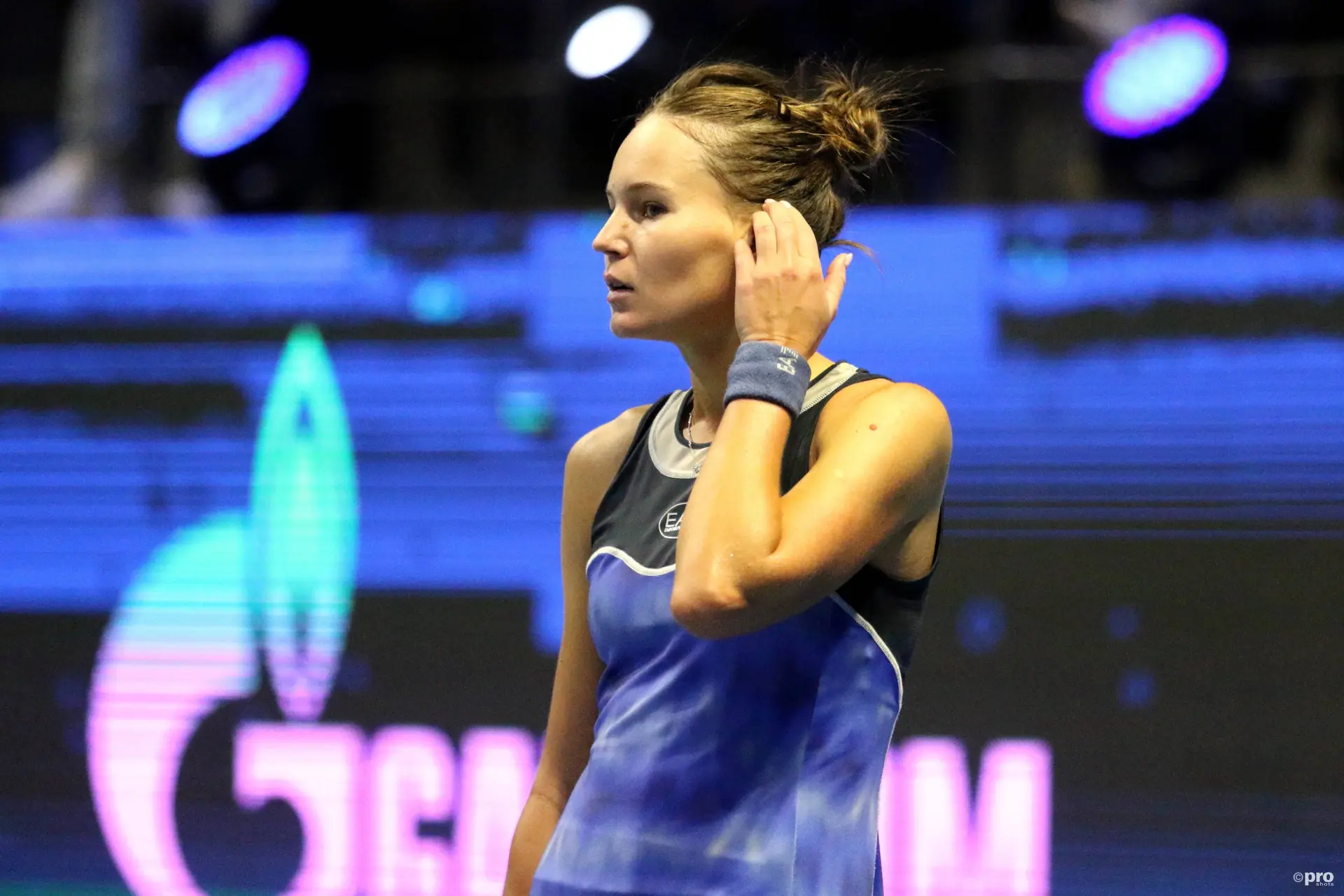
Beyond controversy, she also spoke about personal dynamics within the WTA Tour, describing relationships as largely professional rather than personal due to the competitive nature of the circuit. She acknowledged that close friendships are rare but not absent, depending on individual circumstances and partnerships.
Kudermetova also addressed her sister Polina’s decision to change sporting nationality to Uzbekistan, describing it as unexpected but definitive. “It was a real surprise. I simply couldn’t believe it,” she said. “But it is a done deal. I have no right to judge her. She is still my sister, and I wish her the best.”

Cristhián AvilaTennis Journalist
Cristhián Ávila is a tennis journalist based in Santiago, Chile, and has been part of the TennisUpToDate team since early 2023. He covers the ATP and WTA Tours as well as all four Grand Slams, producing breaking news, match reports, analysis, and regular liveblogs from major tournaments.
His reporting combines statistical analysis with clear explanation, helping readers understand tactical developments, player form, and broader storylines across the tour. Working fluently in both Spanish and English, Cristhián collaborates with an international editorial team and contributes to comprehensive global coverage. As part of his work, he has conducted interviews and media interactions with leading figures in the sport, including Caroline Wozniacki and John McEnroe.
In his journalism, Cristhián places strong emphasis on careful sourcing, editorial accuracy, and updating articles promptly when new, verified information becomes available. His coverage is grounded in research, context, and direct engagement with professional tennis.
claps 0visitors 0
Just In

Popular News
Latest Comments
- A healthy Qinwen may be hard to stop next season. She was already scaring her opponents before her medical leave(s). Unfortunately, Zheng insisted on singing again. On the positive side -- Mirra did not sing!! ;~}
 mandoist11-10-2026
 - Where is it written that athletes, entertainers... People in general... are mandated to keep looking at -- or even using [anti]Social Media? Public & private figures consistently complain and reveal their concerns about negativity and violence thrown at them -- yet they insist on participating. Avoid it, don't use it, don't read it. It's okay to occasionally look up at the World instead beating your eyes & thumbs to death on The Inventions out there.mandoist11-10-2026
- great articlestennisseserver07-10-2026
- Medvedev was leading Djokovic 7-5, 3-5 when an attempted return..' NO you ignorants, Djokovic was leading .weiss05-10-2026
- No more bullshit "Wildcards" to these two. Qualify like everyone else -- there will be cameras there, too. Time to scream... WTF ????!!!!mandoist29-09-2026
- Let's not BS the general public -- Sabalenka started showing cracks in her game last season. Her losses and near-losses started at about the same time she began being distracted by Fame (constant Selfies, making TV commercials, magazine shoots, endless Social Media nonsense, etc., etc.) One would think even Saba could recognize the parallels with others who failed before her -- Raducanu, Giorgi, Bouchard to name a few.mandoist25-09-2026
- Gross!! Hey Raducanu, Giorgi, and Bouchard -- reserve a seat at your Social Media Selfie table for Saba + Naomi. They're heading in your direction soon enough.mandoist24-09-2026
- And then these same players will complain about how lengthy their season’s were and need more time-off. I’m all for more tennis but the amount of tennis we get now is actually kind of crazy! We all need a break, especially the players.DaveyWavey23-09-2026
- You should do a comparison article for "different kinds of justice" the courts decide for tennis players. I can think of at least three players who received very small bans of a few months, however Tara Moore has been fighting for her literal survival the past few years. It seems odd considering she is not a "name" player, unlike the other cases.DaveyWavey22-09-2026
- PRIZE MONEY & POINTS Winner - $185,500 Finalist - $114,500 Semi-Finalist - $66,003 Quarter-Finalist - $35,000 Round of 16 - $18,045 Round of 32 - $13,005 Winner - 500 Finalist - 325 Semi-Finalist - 195 Quarter-Finalist - 108 Round of 16 - 60 Round of 32 - 1DaveyWavey20-09-2026

Loading