“I called my psychologist”: Aryna Sabalenka addresses late-match breakdowns after Roland Garros defeat
WTA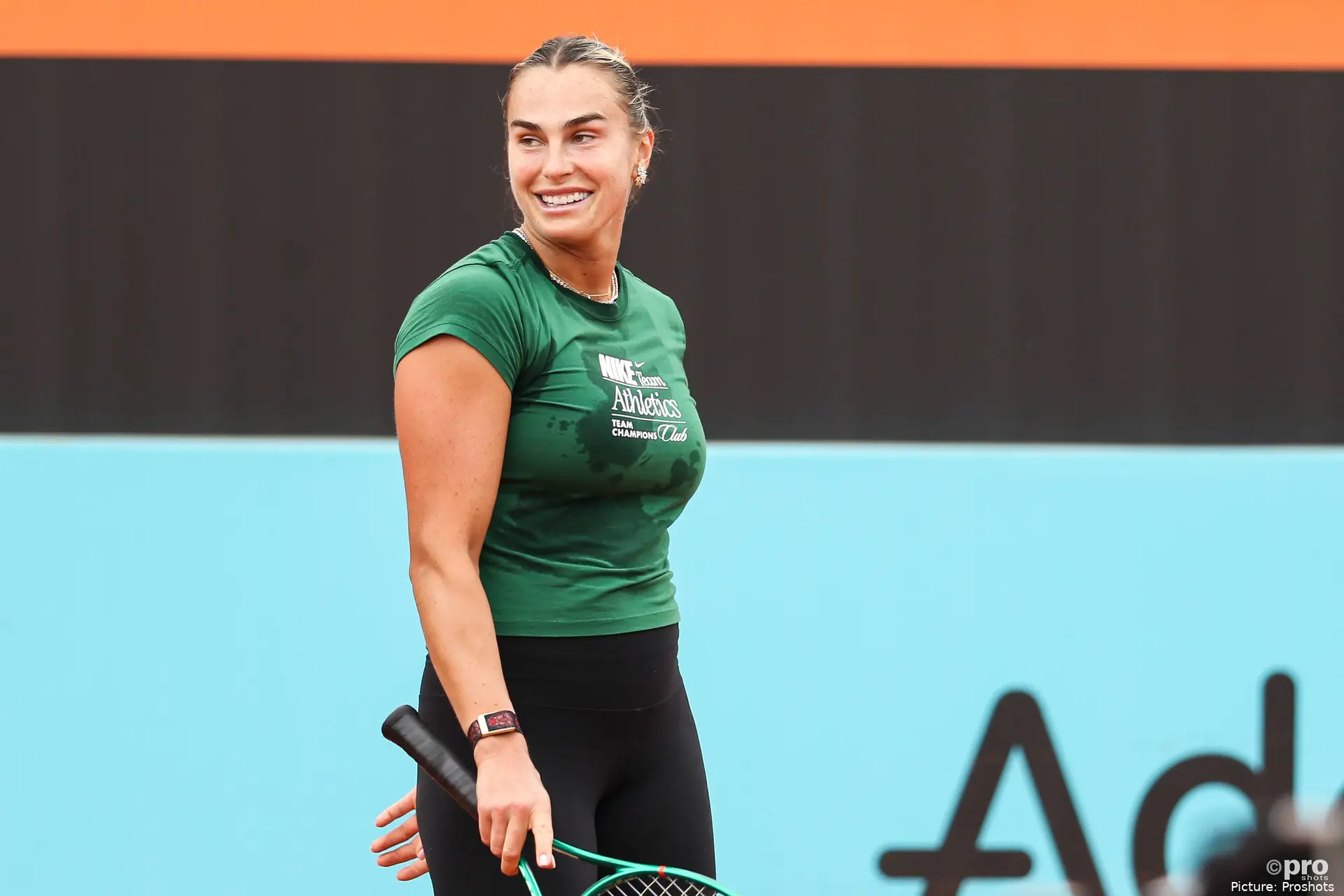
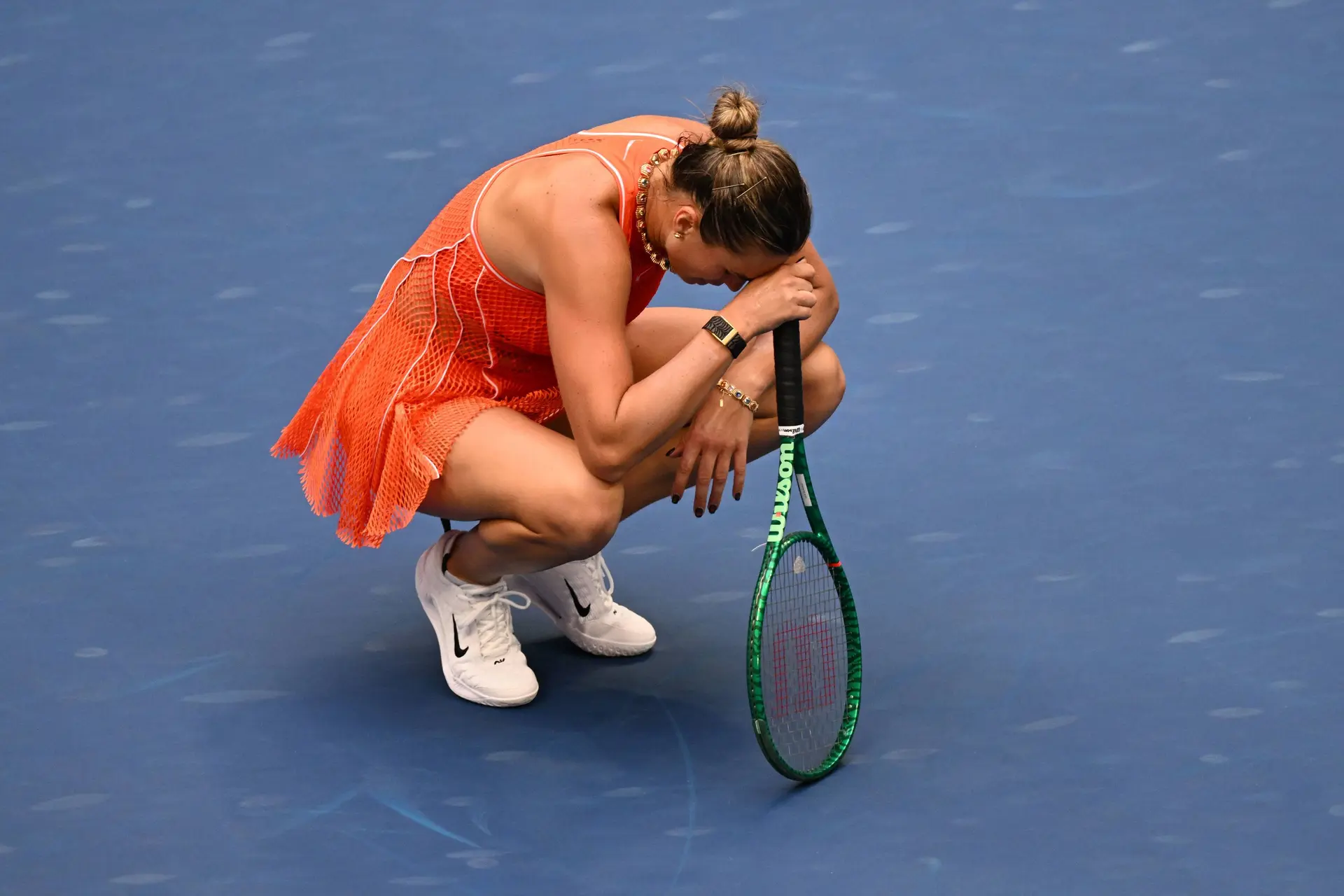
Aryna Sabalenka has detailed the immediate response to her Roland Garros quarter-final defeat, focusing on a return to psychological support after losing a match she had fully controlled for long stretches. The world No. 1 exited in Paris after a 3–6, 7–5, 6–0 defeat to Diana Shnaider.
Sabalenka led 6–3, 4–1 with a double break and later served for the match at 5–3 in the second set. From that point, she did not win another game in the match, as Shnaider produced a 10-game run to complete the turnaround.
The defeat was particularly significant because it did not stem from sustained tactical inferiority, but from a collapse during closing phases where Sabalenka had multiple control points. This type of loss has been a recurring feature in her Grand Slam profile outside hard courts.
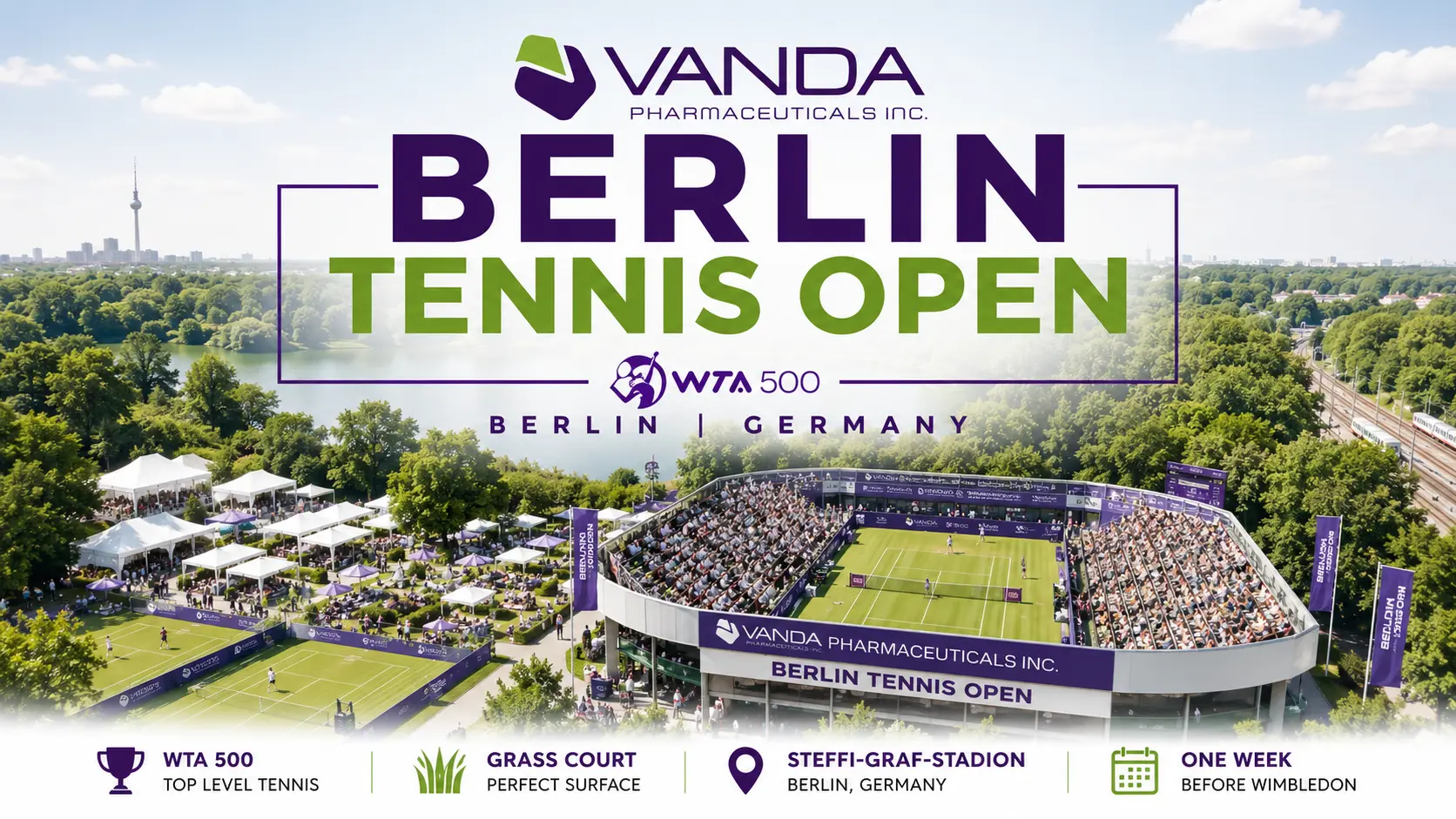
Speaking in Berlin during a conversation with Bounces, Sabalenka described the immediate post-match process, including team discussions and a return to psychological work.
“I called my psychologist” — immediate response to losing control
Sabalenka confirmed she re-engaged with a psychologist she had previously worked with after the defeat, using structured support to process the specific sequence of events in the match rather than general performance concerns.
“I called my psychologist with whom I used to work,” she said, placing emphasis on the need to revisit established coping frameworks after a match where control disappeared from a winning position.

The key issue in this match was not shot production, but execution at two critical thresholds: serving at 5–3 for the match, and stabilising after losing the second set. Both phases are traditionally where top players reduce risk and increase margin, but Sabalenka’s level dropped sharply instead.
“We had a lot of chats with the team. I called my psychologist with whom I used to work. It just felt like I needed to talk through everything I’ve been going through in the last I-don’t-know-how-many years.”
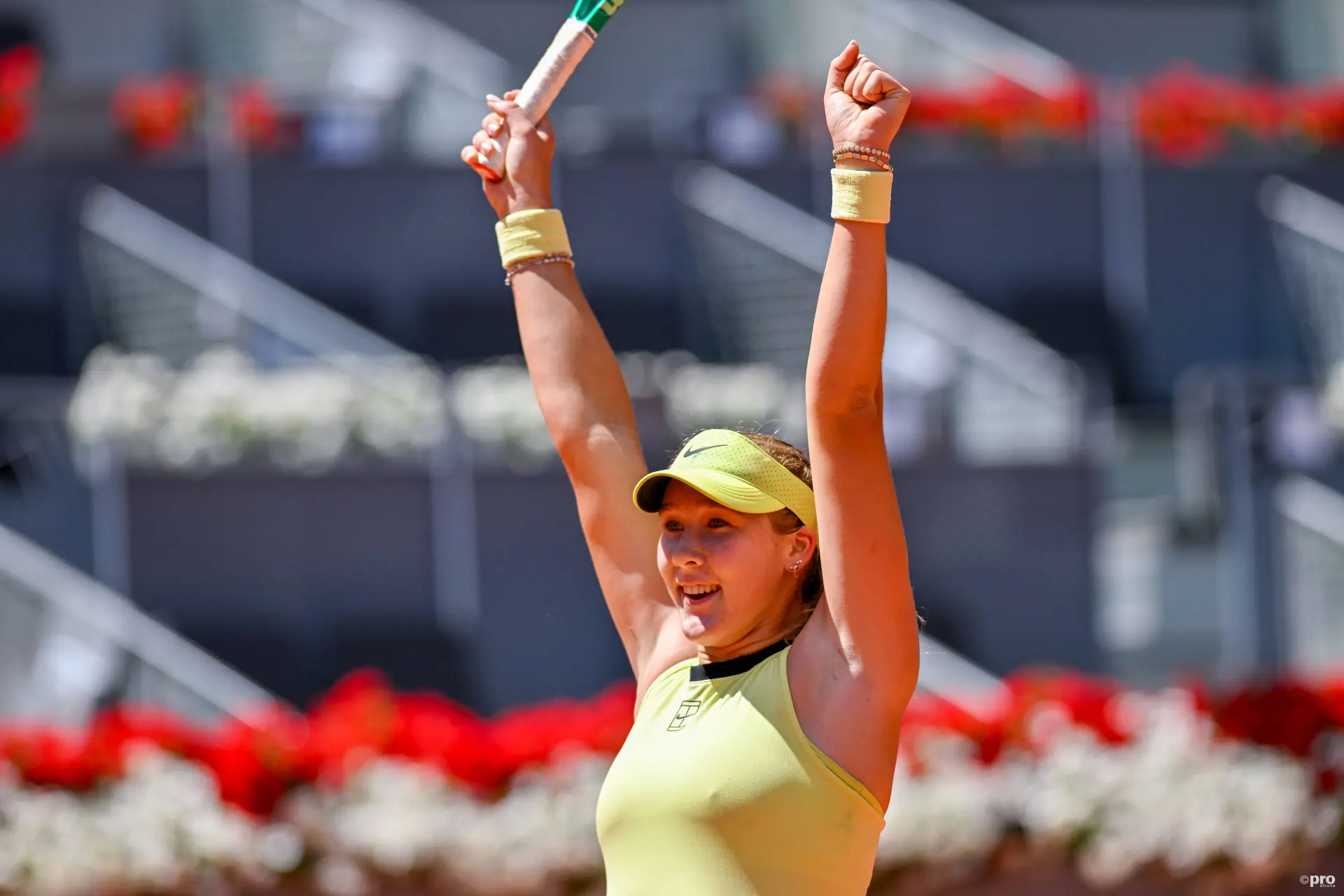
The reference to “years” is tied directly to repeated match-state failures rather than general career reflection. “I feel like I need to figure out what’s happening in those matches,” she added, focusing specifically on in-match transitions after establishing leads.
“It was really helpful. I kind of changed a lot of things, and I’m trying a lot of new things right now. I feel like I need to figure out what’s happening, sometimes, in those matches to [be able to] move on and to avoid these situations happening.”
The “situations” she refers to are structurally consistent: double-break leads and service games to close sets where first-serve efficiency and rally tolerance drop simultaneously. Against Shnaider, this was visible from 4–1 in the second set onward, where error patterns increased under low-pressure shots.

“I’ve tried to dig deeper” — match-state breakdown vs Shnaider
Sabalenka described a targeted review of matches where she had control but did not convert it into victory.
The Shnaider match is the clearest example in her recent Grand Slam history due to the scale of the swing. “I’ve tried to dig deeper in my thoughts to find what’s actually happening in those matches,” she said, focusing on identifying specific decision points rather than general performance trends.
“I was going through all of the matches that I felt like—not like I should have won—but [where] I felt I had more opportunities and I missed them.”
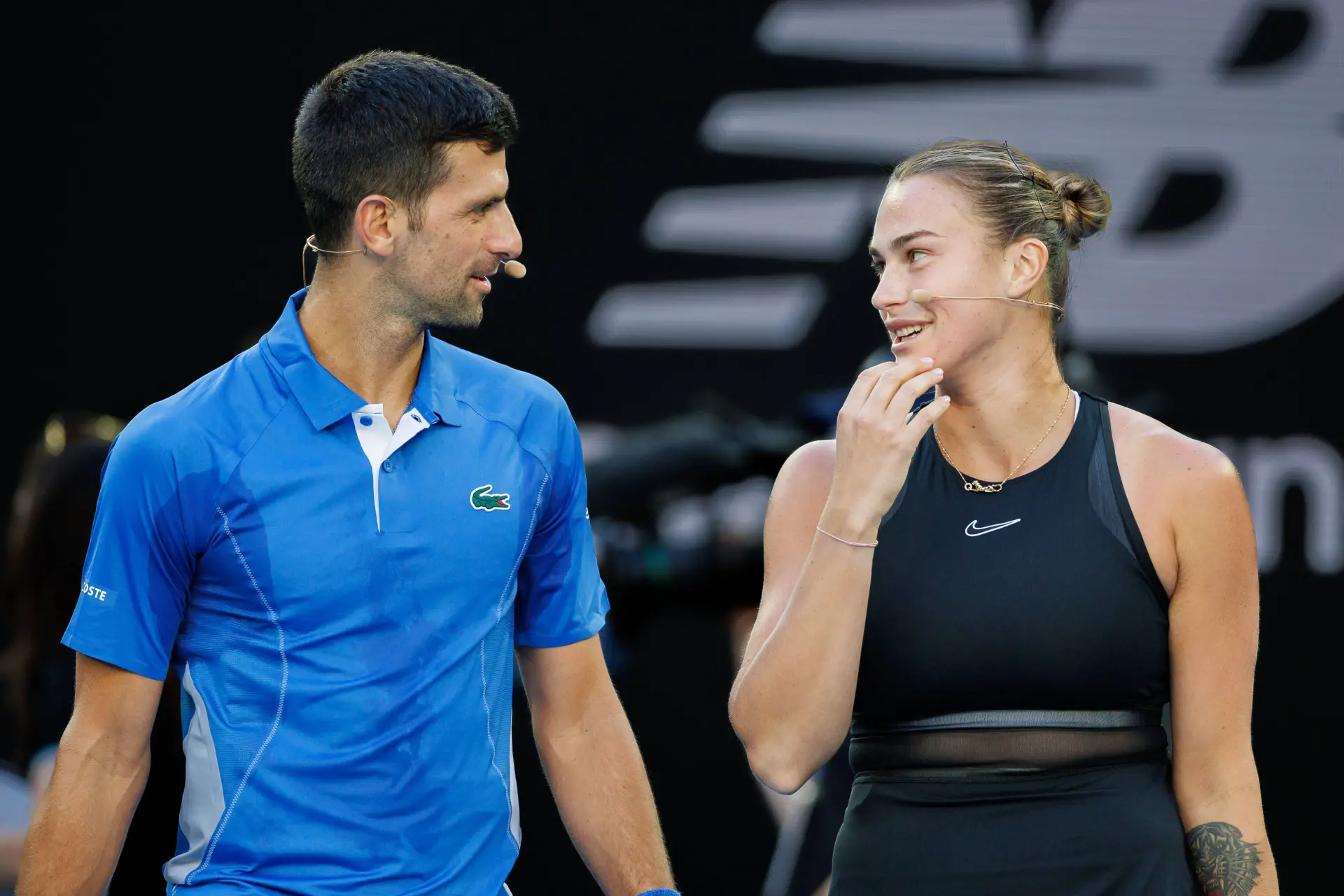
In the Roland Garros context, those missed opportunities are concentrated in identifiable game states: the 5–3 service game for the match and the immediate response after losing the second set. In both cases, Sabalenka’s first-serve percentage dropped and rally tolerance shortened, allowing Shnaider to extend points and shift baseline control.
Rather than abstract reflection, this phase is effectively a diagnostic of late-match behaviour under scoreboard pressure. “I’m just trying to kind of dig deep in my brain—which is probably not a good idea,” she added. “But let’s see where it’s going to lead me.”
“I changed a lot of things”
Sabalenka confirmed she has introduced multiple changes following the defeat, extending beyond psychological work into preparation routines. “I changed a lot of things,” she said, summarising the scope of adjustments currently being tested during competition phases. “I feel like I need to figure out what’s happening,”
Despite the Roland Garros loss, her season remains strong at 31–4 with three titles, indicating that the issue is not structural across all matches, but concentrated in specific high-leverage situations.
Read also
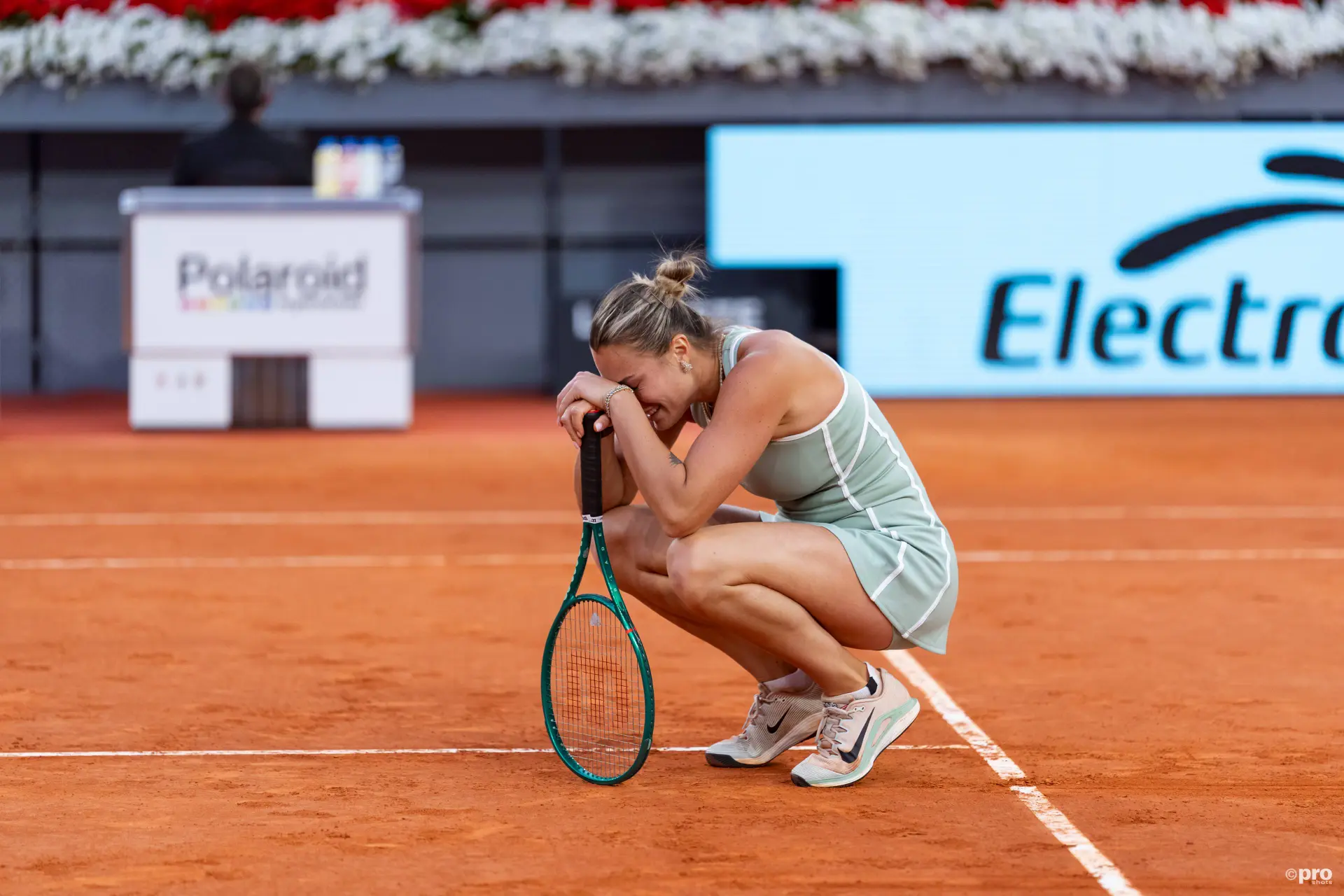
The pattern remains consistent: when Sabalenka leads comfortably in Grand Slam matches outside hard courts, her error rate increases disproportionately in service games that decide sets. Against Shnaider, this was most visible from 5–3 in the second set, where she failed to generate a single game point after losing momentum.
Sabalenka will open her Berlin campaign against Ekaterina Alexandrova, a player who previously reached the Wimbledon semi-finals in 2025 before losing to Marketa Vondrousova. The world No. 1 herself reached the Berlin semi-finals in 2025, where she was beaten by Vondrousova, and continues to chase her first career title on grass, a surface where she has consistently produced deep runs but has not yet converted any of them into a championship.

Cristhián AvilaTennis Journalist
Cristhián Ávila is a tennis journalist based in Santiago, Chile, and has been part of the TennisUpToDate team since early 2023. He covers the ATP and WTA Tours as well as all four Grand Slams, producing breaking news, match reports, analysis, and regular liveblogs from major tournaments.
His reporting combines statistical analysis with clear explanation, helping readers understand tactical developments, player form, and broader storylines across the tour. Working fluently in both Spanish and English, Cristhián collaborates with an international editorial team and contributes to comprehensive global coverage. As part of his work, he has conducted interviews and media interactions with leading figures in the sport, including Caroline Wozniacki and John McEnroe.
In his journalism, Cristhián places strong emphasis on careful sourcing, editorial accuracy, and updating articles promptly when new, verified information becomes available. His coverage is grounded in research, context, and direct engagement with professional tennis.
claps 0visitors 0
Just In

Popular News
Latest Comments
- A healthy Qinwen may be hard to stop next season. She was already scaring her opponents before her medical leave(s). Unfortunately, Zheng insisted on singing again. On the positive side -- Mirra did not sing!! ;~}
 mandoist11-10-2026
 - Where is it written that athletes, entertainers... People in general... are mandated to keep looking at -- or even using [anti]Social Media? Public & private figures consistently complain and reveal their concerns about negativity and violence thrown at them -- yet they insist on participating. Avoid it, don't use it, don't read it. It's okay to occasionally look up at the World instead beating your eyes & thumbs to death on The Inventions out there.mandoist11-10-2026
- great articlestennisseserver07-10-2026
- Medvedev was leading Djokovic 7-5, 3-5 when an attempted return..' NO you ignorants, Djokovic was leading .weiss05-10-2026
- No more bullshit "Wildcards" to these two. Qualify like everyone else -- there will be cameras there, too. Time to scream... WTF ????!!!!mandoist29-09-2026
- Let's not BS the general public -- Sabalenka started showing cracks in her game last season. Her losses and near-losses started at about the same time she began being distracted by Fame (constant Selfies, making TV commercials, magazine shoots, endless Social Media nonsense, etc., etc.) One would think even Saba could recognize the parallels with others who failed before her -- Raducanu, Giorgi, Bouchard to name a few.mandoist25-09-2026
- Gross!! Hey Raducanu, Giorgi, and Bouchard -- reserve a seat at your Social Media Selfie table for Saba + Naomi. They're heading in your direction soon enough.mandoist24-09-2026
- And then these same players will complain about how lengthy their season’s were and need more time-off. I’m all for more tennis but the amount of tennis we get now is actually kind of crazy! We all need a break, especially the players.DaveyWavey23-09-2026
- You should do a comparison article for "different kinds of justice" the courts decide for tennis players. I can think of at least three players who received very small bans of a few months, however Tara Moore has been fighting for her literal survival the past few years. It seems odd considering she is not a "name" player, unlike the other cases.DaveyWavey22-09-2026
- PRIZE MONEY & POINTS Winner - $185,500 Finalist - $114,500 Semi-Finalist - $66,003 Quarter-Finalist - $35,000 Round of 16 - $18,045 Round of 32 - $13,005 Winner - 500 Finalist - 325 Semi-Finalist - 195 Quarter-Finalist - 108 Round of 16 - 60 Round of 32 - 1DaveyWavey20-09-2026

Loading