"I doubt myself, I have fears about whether I'll be able to come back" - Paula Badosa takes break from tennis with Roland Garros involvement uncertain after hitting 'rock bottom'
WTA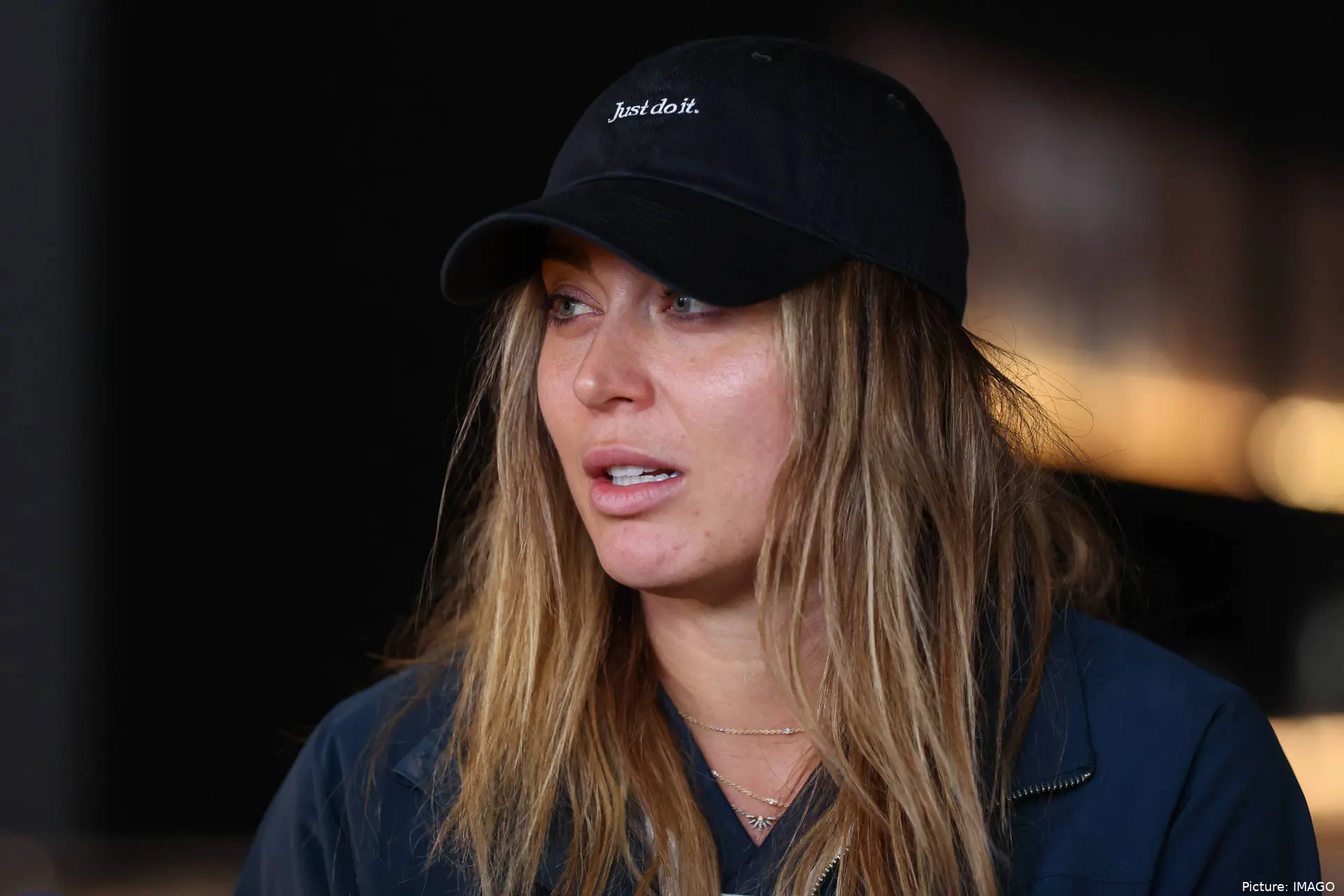
Paula Badosa is currently engulfed in one of the worst periods of her career. Admitting that she has hit 'rock bottom', injuries and poor form have taken their form both physically and mentally. She continues to plough on, trying to find a solution to this barren spell.
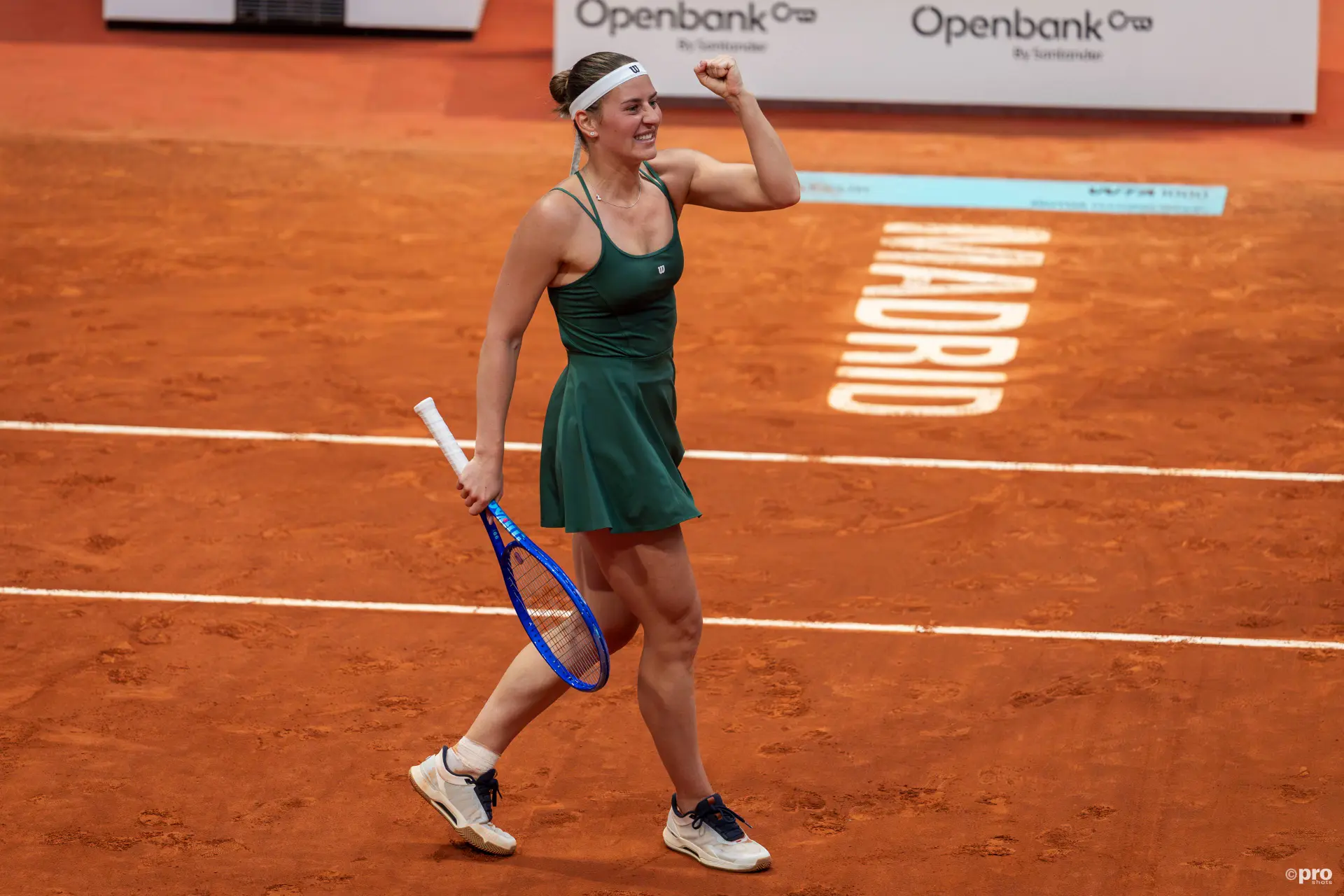
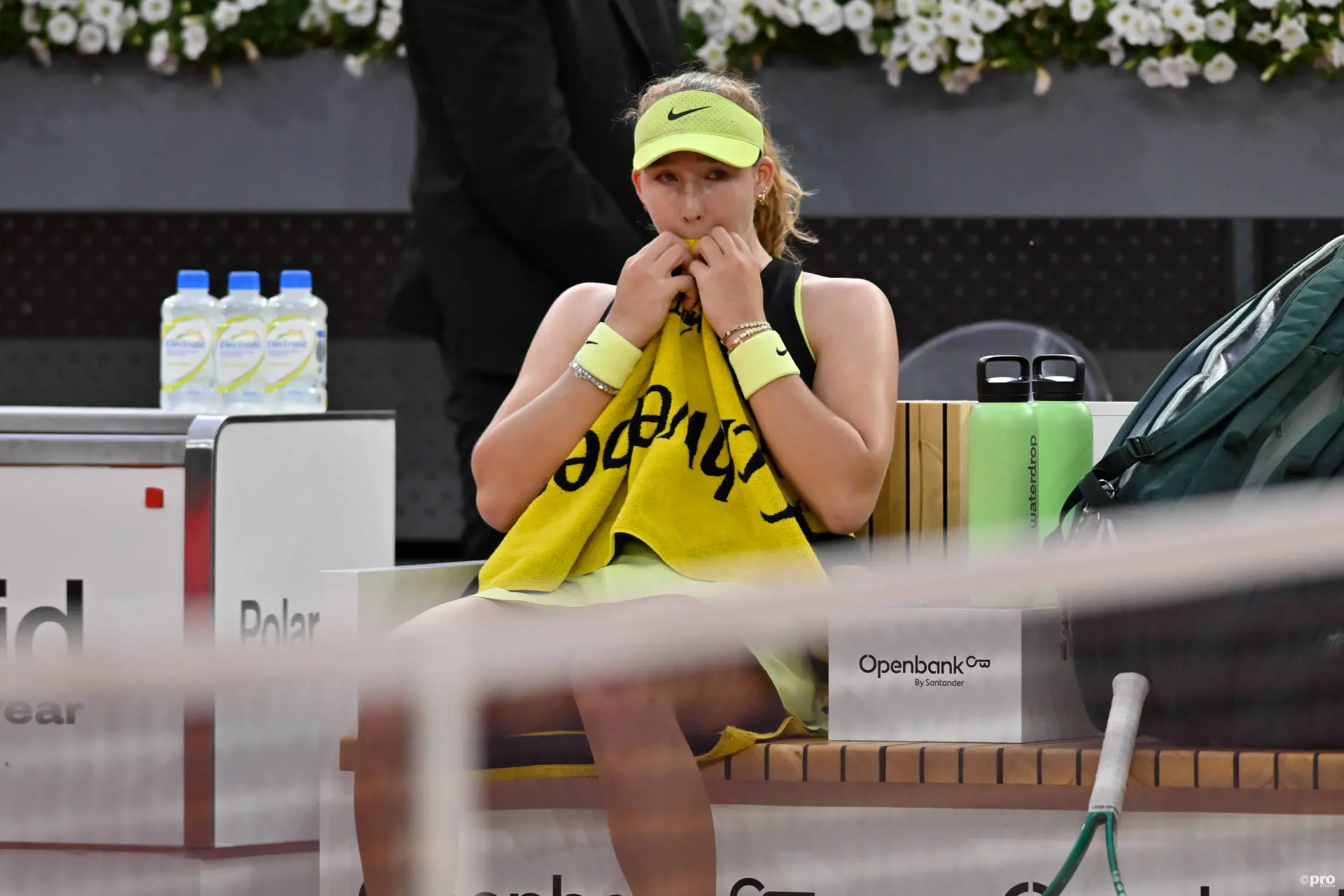
The latest setback came at her home event in the Madrid Open. Now out of the top 100, she entered as a wildcard where she lost in the opening round of the third consecutive tournament, this time in three sets against Julia Grabher.
In an interview with El Camino de Mario, she detailed what she was going through. "I'm okay, I'm okay. Obviously, on a sporting level, not as well as I'd like or as I'm used to. It's been a difficult year in that respect. A lot of injuries, and then, when my body seemed to be responding, I also lost a lot of confidence in myself mentally. You recover from the difficult moments, you start asking yourself why this happens or why that happens. Personally, I think I'm in a good place, but not where I'd like to be."
Taking a break from the sport - Roland Garros under threat
Injuries have done their work in totally ruining the Spaniard's consistency and confidence on court, eradicating any momentum she had enjoyed on court in the past. It is a new feeling losing this many matches on the spin, and not a nice one.
"I've been struggling a lot these past five months. In matches, I'd play better at times and worse at others. In short, I was okay, but the matches just aren't going my way. It's something that's never happened to me so frequently, so many consecutive losses."
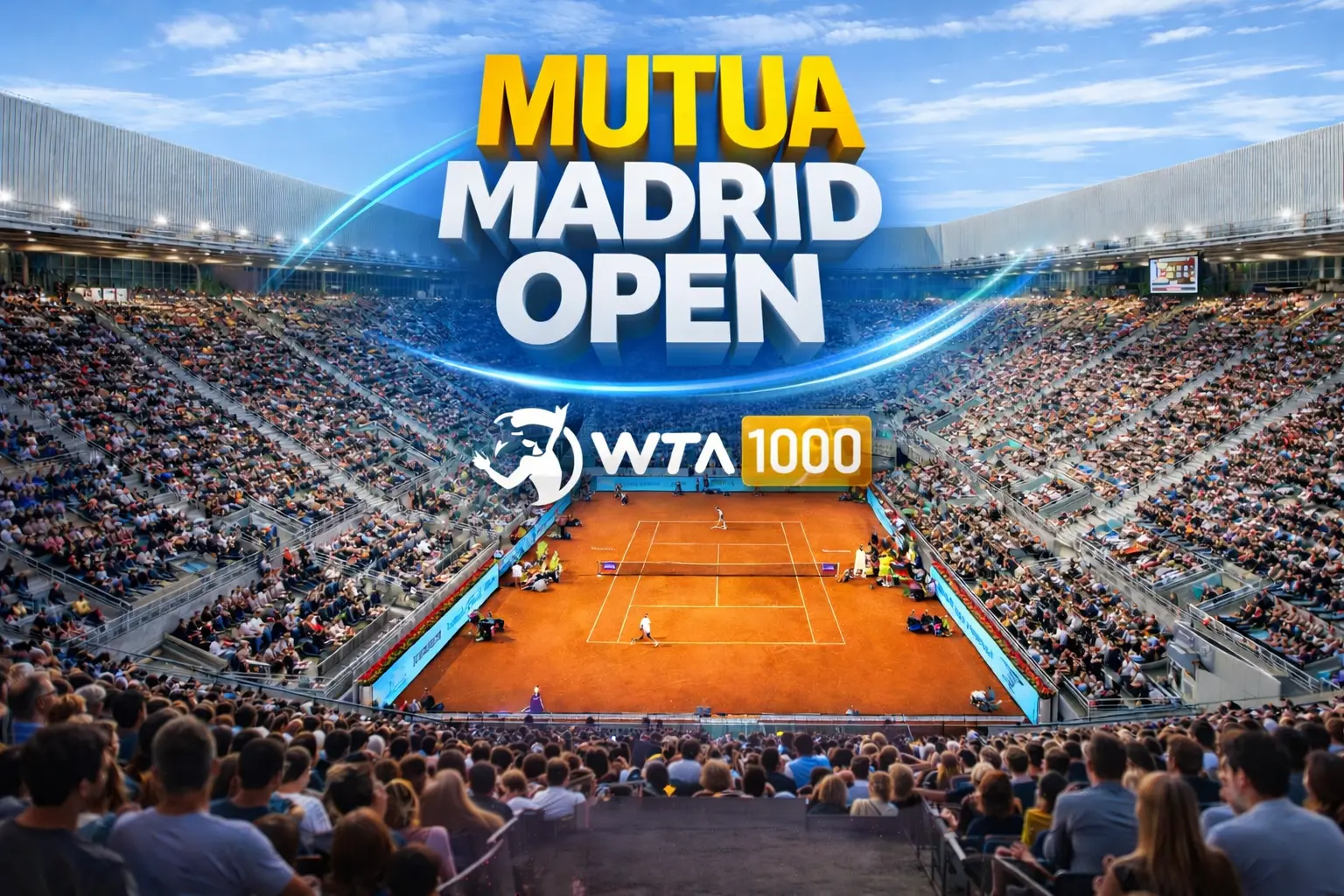
The overwhelming situation she has fallen in mentally and physically cost her. "In Madrid, what happened was that I was spending so much energy battling my own mind, I've worn myself out so much these past few months, that in the third set my mind completely shut down. I was totally empty."
Drastic action is needed, and a break from taking to the court is in store. "Right after that, I had a conversation with my team; it was quite interesting. I think I need some time to stop, to see what's going on here. To recharge a bit because I'm someone who loves to come back and fight, but I'm reaching a point where I'm getting exhausted. We've decided to stop. We don't know if it will be two, three, or four weeks. It's only been two days and I'm already asking to train, but I don't think it's very healthy for me to do that. So I'm going to take a little break."
This could include Roland Garros. If Badosa is going to compete in the main draw, she would need to get through the turbulent qualifying rounds that could be extremely tricky, especially for someone struggling as much as she is on court currently.
At this moment in time, no decision has been made. "I honestly don't know if I'm going to go," she said. "I'm confessing here, opening up. It depends a lot on whether I've regained my strength. I know that if I have that strength, things will eventually work out."
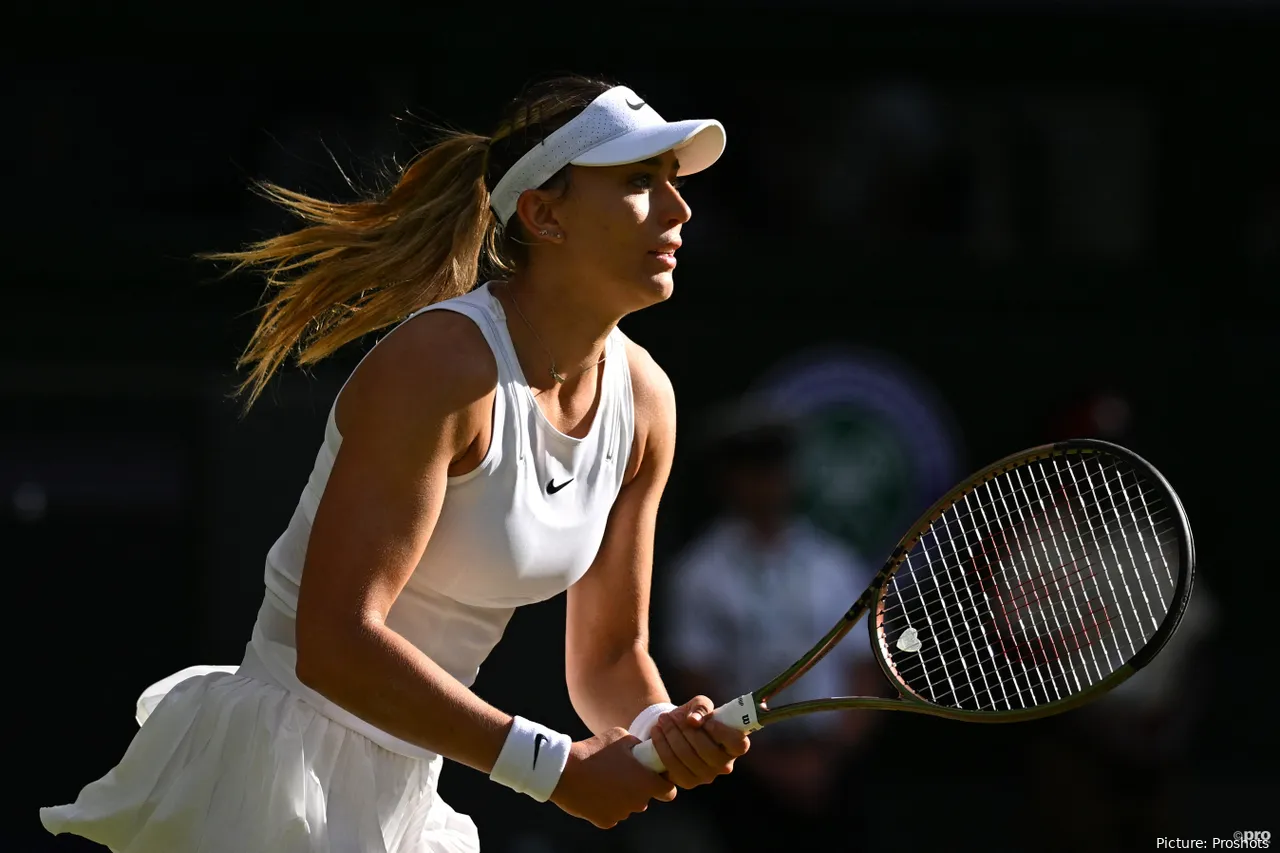
Paula Badosa in action
Detailing the struggles
While injuries have taken their toll, the mental factor has been worse for the 28-year-old. "It's mental. Obviously, I suffered quite a bit physically in January or February, but I've been feeling very well physically all of last month and this month. I had injections and, so far, so good. The stronger injections are for the hip and back, which is what's bothering me."
Consistently losing does not help her recovery. "These are really tough times for me," she admitted. "I take losing really badly. Someone told me the other day, 'You've been playing for eleven years,' and I said, 'Wow, eleven years and I still haven't learned how to lose.'
"It's unbelievable, it's something that overwhelms me. I take it very personally. Whether I win or lose, I'm either worth something as a person or not. It's all awful, you go through everything in that moment. You lose perspective. That's where I suffer so much, and that's where I approach matches like they're on life or death."
Away from the court, daily tasks are more of a struggle. Numerous restless nights with those sinking feelings swirling around her head as loved ones get worried. "I don't sleep. It's really hard for me. People who know me send me a message at three or four in the morning and they know I'll reply within a minute because I'm awake. I usually manage two or three hours of sleep. Around six or seven in the morning, I have to leave my room because I feel like I'm going to collapse."
Unlike team sports, like football, you are alone on the court, just you and your opponent. This makes the low's even tougher to climb back from. This has the opposite effect when you are winning. "The great thing about tennis is that everything depends on you," she commented. "There's an opponent, but it depends much more on you than in football. When you're playing well, it's a feeling that's unmatched. When you're playing badly, it's the same. You're alone on the court, and you have to navigate it. That's why, for me, tennis is so mental."
Seeing hate on social media
Being very well known in the tennis world, Badosa is a vibrant figure on social media, regularly posting on her accounts. A lot of support has been sent her way, but with that also comes hate. While Badosa is not affected by it as much, it still gets to her.
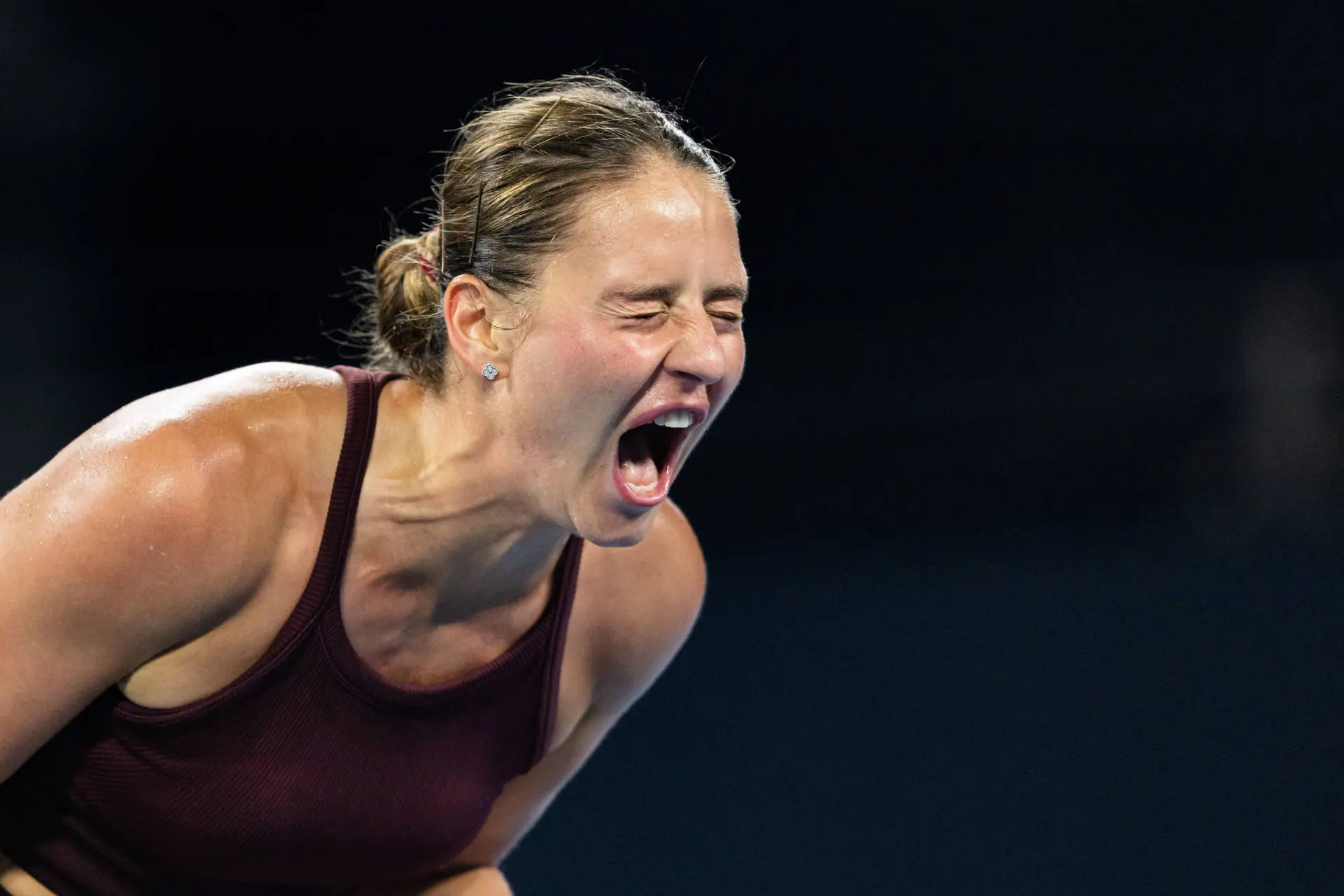
"Much less now, but yes. And I often suffer. I try not to get too involved, it's difficult. You go on Twitter and things about you come up. Sometimes I don't want to go on, I see something about myself quickly and think, 'Damn, that's it.' And I spend all day thinking about it."
It's not the messages which get her the most, it is the articles and headlines. "Insults don't bother me that much. What hurts more is seeing articles about me, my game, or my personality written by people who don't know me. It's also really bothered me when they delve into my personal life. But those kinds of stories don't come out when I win, only when I lose."
Hitting rock bottom
For Badosa, this is the lowest she has felt in tennis. "I think it's now. Maybe I'm doubting myself more, or I have more fears about everything that's happening in my professional life. I think now is the moment where I'm suffering the most."
She credited her psychologist for being by her side and working with her. "I've been working with my psychologist for years. I believe in having someone who's there for you every day, who knows what you're going through, who understands when you're feeling down. The other day, when I lost, he was there. I have a lot of support. Like I always say: you can stop a muscle, but you can't stop your mind. When it goes haywire, it's very difficult to stop the self-destructive or negative thoughts.
"This moment is one of the most difficult I'm managing in my life or my career. I doubt myself, I have fears about whether I'll be able to come back, about whether I still have the same abilities. I'm starting to doubt myself, to get scared. And now I'm in that battle, that fight."
Badosa is in a very tricky position where others may consider retiring. Not Badosa. "No. You never know when I'm going to retire, but I always say I'll play for another four or five years, for sure," she confirmed. "I'm a very family-oriented person. I have other dreams, like having a family. And being a woman, unfortunately, I'll have to put my career on hold."
Her goals are still clear: "To reach the top again. For myself, but also for those people or new generations going through difficult times. It can be done. I want to set that example, to show that you can overcome anything and that you can come back stronger from setbacks."
Lucas MichaelTennis Journalist
Lucas Michael is a tennis journalist based in Cambridge, UK, specializing in comprehensive coverage of the ATP and WTA tours. For the past 1.5 years, he has been a core contributor to TennisUpToDate, where he has authored more than 3,000 data-driven match reports, deep-dive analysis pieces, and engaging liveblogs.
Lucas pairs real-time statistical analysis with on-the-ground reporting, frequently traveling to tournaments to cover the action firsthand from the press box and player press conferences. This blend of advanced metrics and direct access allows him to provide sharp context regarding player form, tactical trends, and breaking tour developments.
He holds a BA (Hons) in Sports Journalism. Grounded in core journalistic ethics, Lucas places a strict emphasis on meticulous sourcing, editorial accuracy, and a commitment to updating live content swiftly as verified information emerges.
claps 0visitors 0
Just In



Popular News
Latest Comments
- A healthy Qinwen may be hard to stop next season. She was already scaring her opponents before her medical leave(s). Unfortunately, Zheng insisted on singing again. On the positive side -- Mirra did not sing!! ;~}
 mandoist11-10-2026
 - Where is it written that athletes, entertainers... People in general... are mandated to keep looking at -- or even using [anti]Social Media? Public & private figures consistently complain and reveal their concerns about negativity and violence thrown at them -- yet they insist on participating. Avoid it, don't use it, don't read it. It's okay to occasionally look up at the World instead beating your eyes & thumbs to death on The Inventions out there.mandoist11-10-2026
- great articlestennisseserver07-10-2026
- Medvedev was leading Djokovic 7-5, 3-5 when an attempted return..' NO you ignorants, Djokovic was leading .weiss05-10-2026
- No more bullshit "Wildcards" to these two. Qualify like everyone else -- there will be cameras there, too. Time to scream... WTF ????!!!!mandoist29-09-2026
- Let's not BS the general public -- Sabalenka started showing cracks in her game last season. Her losses and near-losses started at about the same time she began being distracted by Fame (constant Selfies, making TV commercials, magazine shoots, endless Social Media nonsense, etc., etc.) One would think even Saba could recognize the parallels with others who failed before her -- Raducanu, Giorgi, Bouchard to name a few.mandoist25-09-2026
- Gross!! Hey Raducanu, Giorgi, and Bouchard -- reserve a seat at your Social Media Selfie table for Saba + Naomi. They're heading in your direction soon enough.mandoist24-09-2026
- And then these same players will complain about how lengthy their season’s were and need more time-off. I’m all for more tennis but the amount of tennis we get now is actually kind of crazy! We all need a break, especially the players.DaveyWavey23-09-2026
- You should do a comparison article for "different kinds of justice" the courts decide for tennis players. I can think of at least three players who received very small bans of a few months, however Tara Moore has been fighting for her literal survival the past few years. It seems odd considering she is not a "name" player, unlike the other cases.DaveyWavey22-09-2026
- PRIZE MONEY & POINTS Winner - $185,500 Finalist - $114,500 Semi-Finalist - $66,003 Quarter-Finalist - $35,000 Round of 16 - $18,045 Round of 32 - $13,005 Winner - 500 Finalist - 325 Semi-Finalist - 195 Quarter-Finalist - 108 Round of 16 - 60 Round of 32 - 1DaveyWavey20-09-2026

Loading