“If it’s inside the window, she’s got nothing”: Andy Roddick breaks down Marketa Vondrousova anti-doping charge
WTA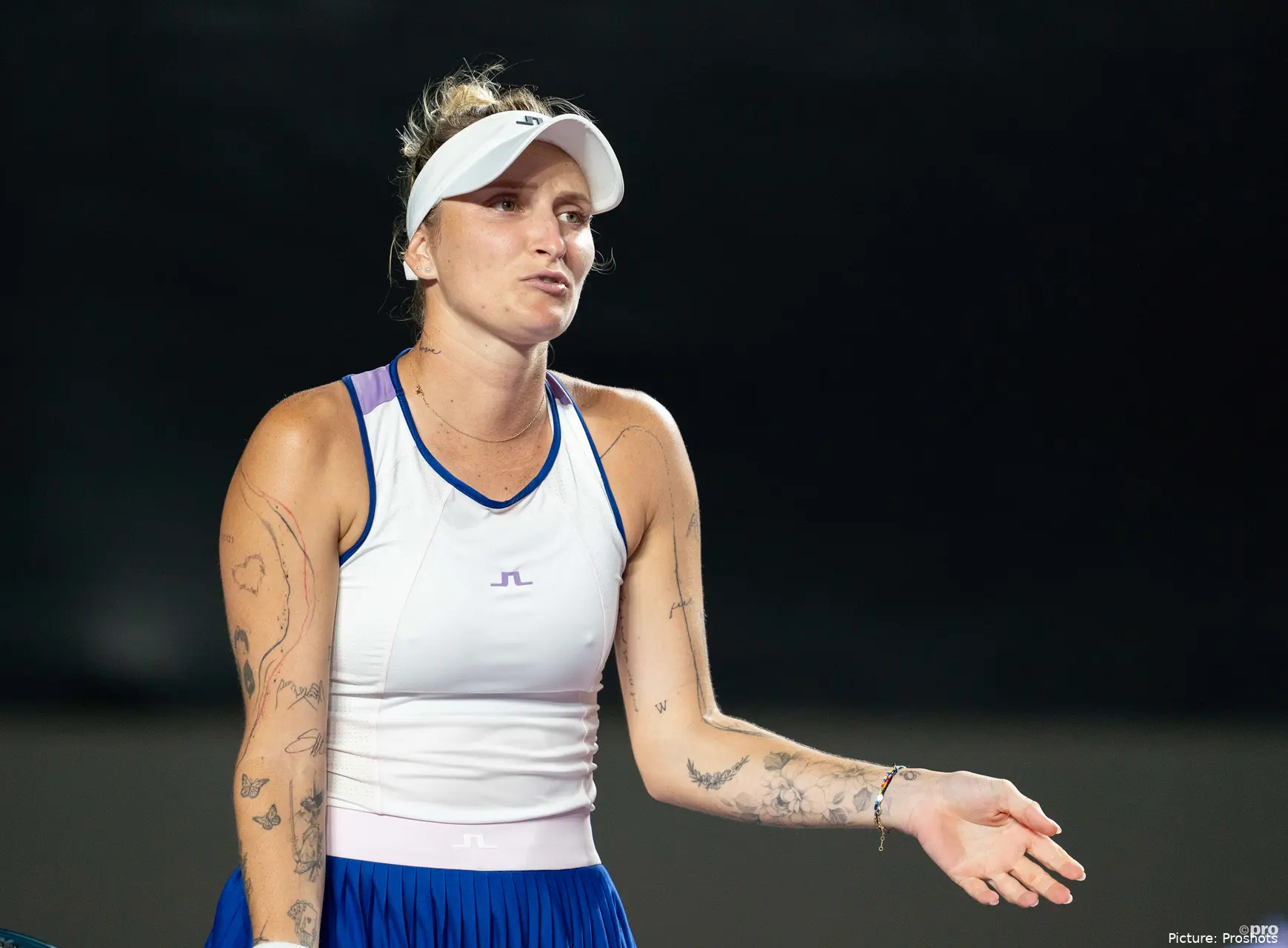
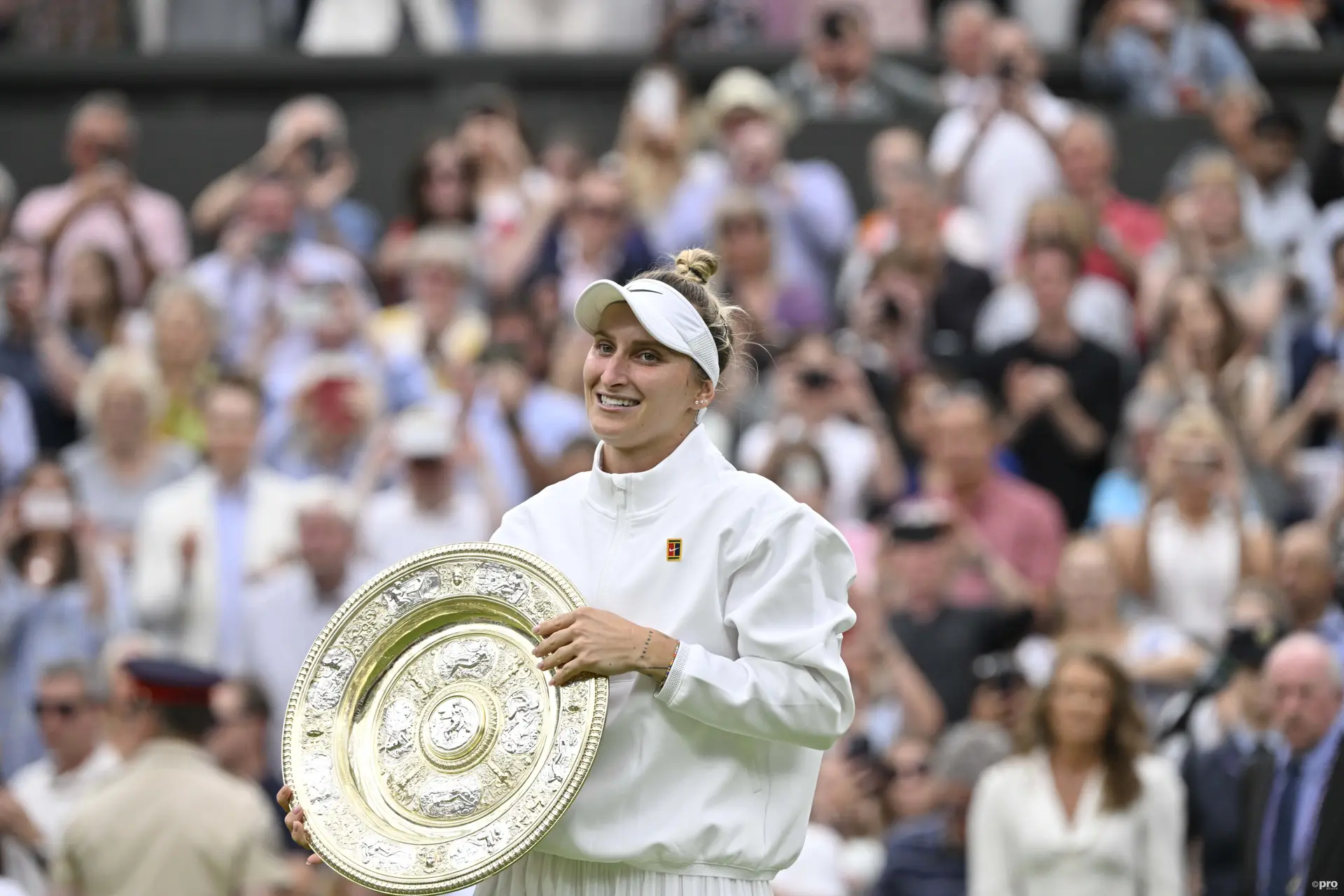
The case involving Marketa Vondrousova has continued to generate discussion across the sport, with new commentary from Andy Roddick offering a more technical interpretation of the situation. The 2023 Wimbledon champion is facing a potential suspension of up to four years after being charged by the International Tennis Integrity Agency (ITIA) for refusing a doping test at her home in December 2025.
Vondrousova, one of the leading Czech players of her generation, said she was at “breaking point after months of physical and mental stress” when she refused entry to a doping control officer who visited her apartment in Prague after 20:00. She has argued that the official did not properly identify themselves, while the officer maintains that protocol was followed, leaving a factual dispute at the centre of the investigation.
Under current anti-doping regulations, players are required to submit a daily one-hour whereabouts window during which they must be available for testing. A failure to comply—whether through absence or refusal—can carry sanctions comparable to a positive test. The severity of the possible penalty has intensified scrutiny, particularly given the distinction between missed tests and confirmed anti-doping violations.
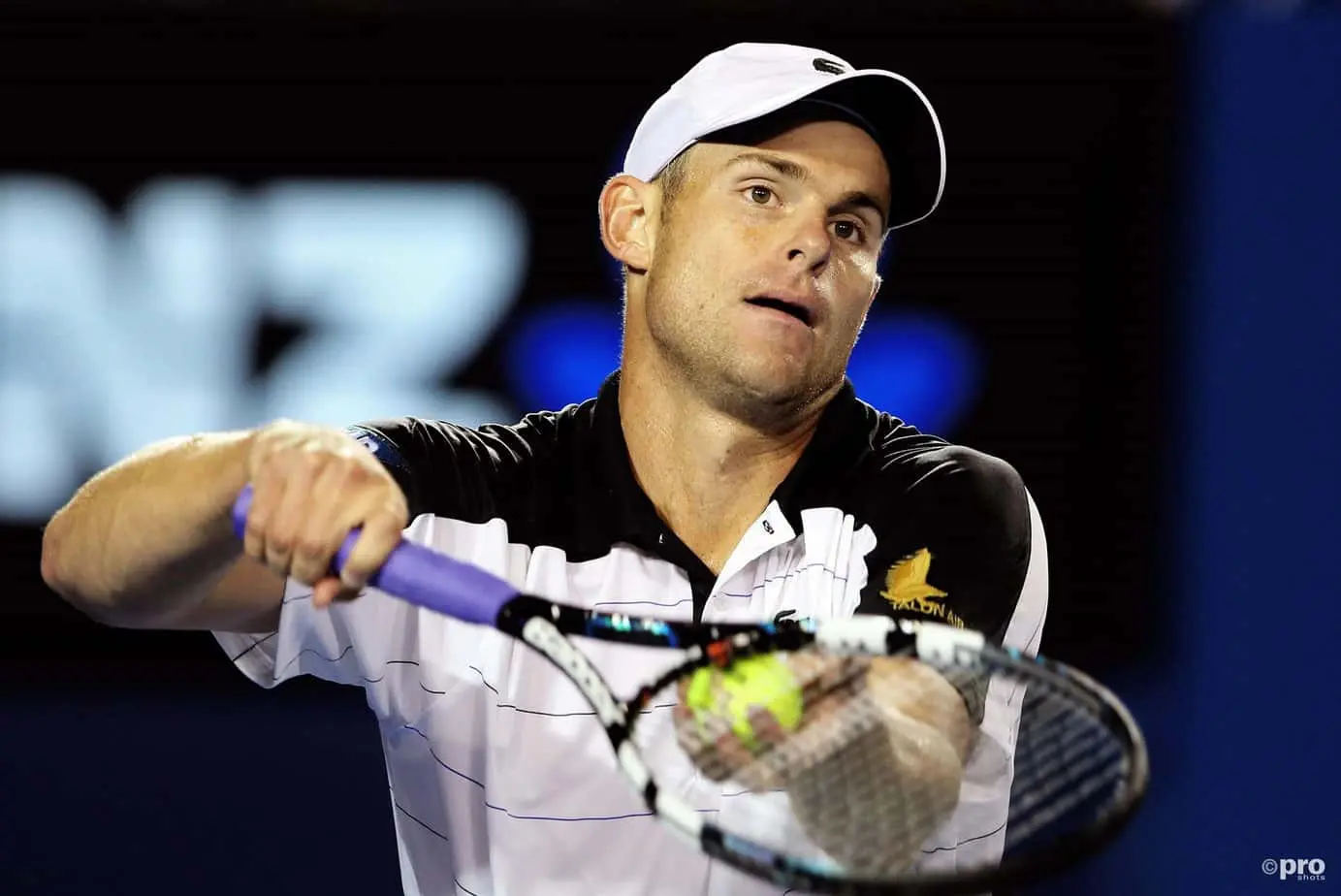
Speaking on his Served podcast, Andy Roddick shifted the focus away from broader narratives around mental health and towards procedural clarity, centring the discussion on whether the attempted test fell within the player’s declared availability window. For Roddick, the case ultimately hinges on that single detail, describing it as “that simple to me.”
Testing window emerges as decisive factor
Roddick outlined in detail how the whereabouts system functions in practice, drawing on his own experience as tennis player. He explained that players must designate a consistent one-hour slot each day, often structured around predictable routines to ensure compliance, regardless of travel or scheduling demands across the ATP and WTA Tours.
“The way that it works when you’re a player is that you have to provide an hour to be tested, and you don’t know when that test is coming,” the former world No. 1 said. “During my career, it was five to six in the morning, because I knew I would be home for sure. If I stayed in a hotel, I had to send the address and the room number into the system, but that hour was locked in every day.”

He then established the central distinction that, in his view, defines the case. While acknowledging the incomplete information currently available, Roddick argued that the legitimacy of both positions depends entirely on whether the protocol was followed in terms of timing.
“If it’s not during the time that she had given, then they’re wrong. If it’s outside that eight-to-nine window, or whatever hour she gave, then everything she says is plausible,” the 2003 US Open champion claimed. “But if it’s during that hour, then my opinion changes completely. It’s that simple to me.”
Mental health cited but not decisive under rules
Vondrousova linked the incident to psychological strain, stating that she reacted “like a scared person” and referencing both anxiety-related conditions and the 2016 attack on Petra Kvitová as context for her response. While Roddick acknowledged these factors, he maintained that they do not override procedural obligations if the test occurred within the agreed timeframe.
“I understand stress, I understand breaking points, and I sympathise with that. But because I’m stressed doesn’t mean I get to make my own rules. Those things are real on a human level, but they are not excuses to skip a test inside the allotted time.”
At the same time, he stressed that accountability applies equally to testing authorities, noting that any deviation from protocol would undermine the validity of the charge. This reciprocal standard forms a key part of his argument, particularly in a system that relies heavily on strict adherence to predefined procedures.
“Conversely, if you’re the testing agency and you have the time of day that you’re supposed to test this player, you also don’t get to make your own rules. It goes both ways. If it’s outside of agreed protocol, they’ve got nothing. If it’s inside, she’s got nothing.”

Cristhián AvilaTennis Journalist
Cristhián Ávila is a tennis journalist based in Santiago, Chile, and has been part of the TennisUpToDate team since early 2023. He covers the ATP and WTA Tours as well as all four Grand Slams, producing breaking news, match reports, analysis, and regular liveblogs from major tournaments.
His reporting combines statistical analysis with clear explanation, helping readers understand tactical developments, player form, and broader storylines across the tour. Working fluently in both Spanish and English, Cristhián collaborates with an international editorial team and contributes to comprehensive global coverage. As part of his work, he has conducted interviews and media interactions with leading figures in the sport, including Caroline Wozniacki and John McEnroe.
In his journalism, Cristhián places strong emphasis on careful sourcing, editorial accuracy, and updating articles promptly when new, verified information becomes available. His coverage is grounded in research, context, and direct engagement with professional tennis.
claps 0visitors 0
Just In




Popular News
Latest Comments
- Boss move, Sinner !Rapunzel27-10-2026
- Apparently still refusing to seek 'help' ...and still playing Dress-Up like a 10 year-old.
 mandoist27-10-2026
 - Lena... Takin' care of businessmandoist25-10-2026
- Can you please stop publishing this nonsense? Stick to Tennis.mandoist25-10-2026
- Does Sinner need that 4.5 mil? I doubt it. He can make that with three modelling gigs!😅🤣Rapunzel21-10-2026
- Did "People Magazine" purchase this website? This nonstop storyline is bullshit.mandoist21-10-2026
- Listen... this is of no concern to anyone but these two. Deal with your own issues -- most of us have our own. Thanks, media, for these insignificant follow-ups which are meaningless.mandoist21-10-2026
- This is so very very sad, for all three of them. I truly thought they had an unbreakable bond, but life throws up so many differing challenges. Having your homeland suffering in such a terrible way, makes happiness lose out to guilt as well. Our thoughts are with them. X💔bjsexton20-10-2026
- I have lost all respect for Svitolina! Could she not have waited until he had played at the Paris Masters!!! She is selfish and don't give a damn about Gael. That is NOT how love is demonstrated Elina!!Rapunzel19-10-2026
- Perhaps convenient tennis tour sex is not a strong enough experience in which to base a marriage?mandoist19-10-2026

Loading