"If you hit someone, it’s over": Boris Becker and Andrea Petkovic call for clear rules amid Sabalenka racquet incident in Wuhan
WTA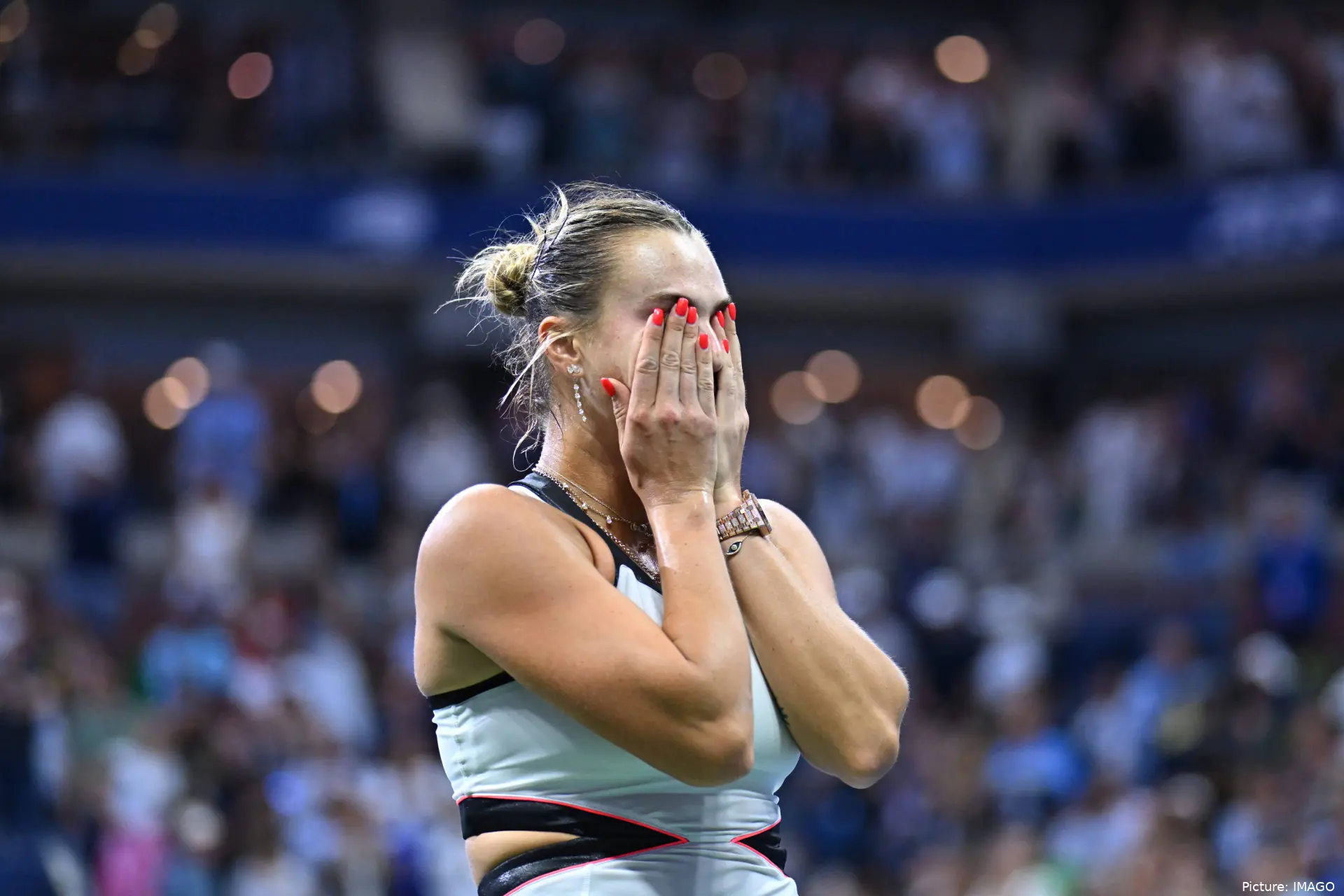
Boris Becker and Andrea Petkovic have called for consistent officiating in tennis following Aryna Sabalenka’s controversial racket-throw incident during her semifinal defeat to Jessica Pegula in Wuhan.
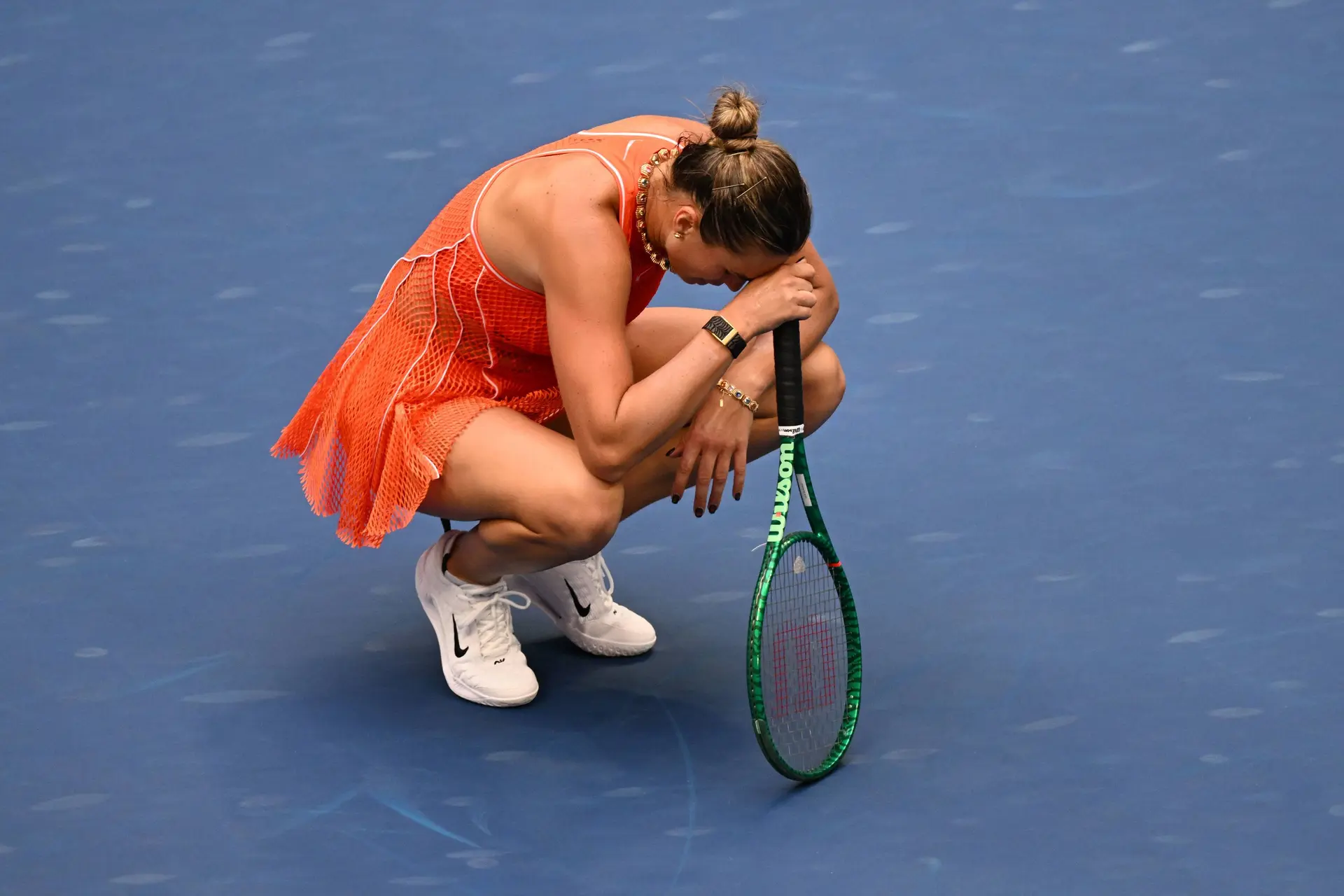
The world No. 2 threw her racket toward the umpire’s chair after losing a point, with replays appearing to show it struck a ball kid. Speaking on their podcast, both Becker and Petkovic said that one rule should apply for all players, no matter their status.
A common theme nowadays is player outbursts from Rublev being disqualified and venting his anger albeit not for a while, to Novak Djokovic getting defaulted to Miyu Kato in the infamous Roland Garros doubles incident. The latest foray into this world came from Aryna Sabalenka who chucked her racquet in frustration and some footage showed it appeared to hit the ball boy in question.
“In her semifinal against Pegula, Sabalenka lost a point and threw her racket towards the umpire’s chair — it hit a ball kid. In black and white, that means disqualification. I only remember Novak Djokovic’s disqualification for something similar. Shouldn’t the same rule apply?” said Petkovic.
“Absolutely,” said Becker. “I didn’t see the incident myself, but if that’s what happened, the rule should be clear: if you hit someone, you’re out. When Novak was disqualified, it was the right decision — he hit someone and caused injury.
“There have been similar cases, like Davidovich Fokina, and even a doubles player at the French Open who accidentally hit a ball girl just passing the ball — and she was disqualified. There must be one rule for all. If you hit someone, whether it’s with a ball or racket, that should be it.”
“Pegula has been the tragic heroine of the Asian swing”
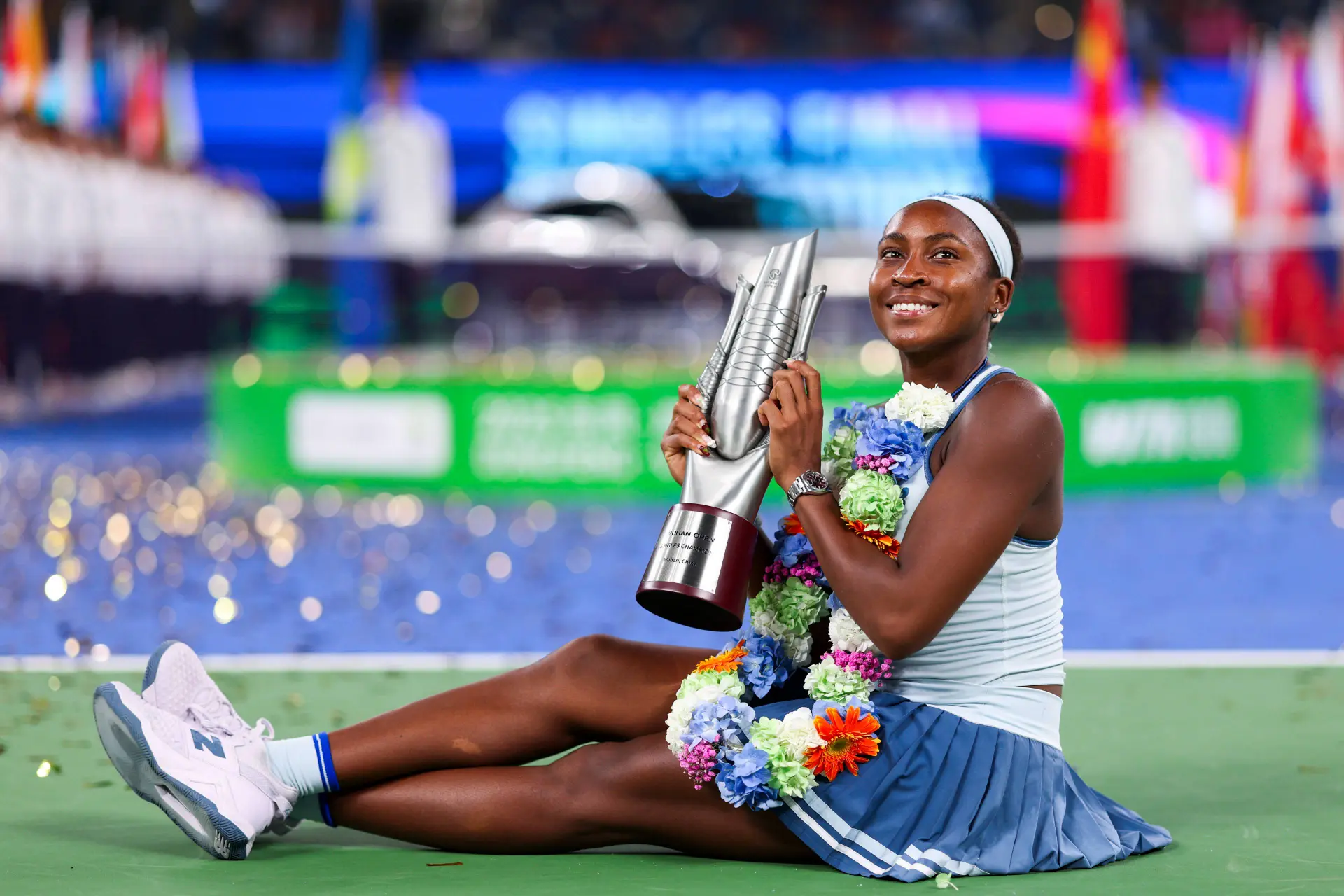
Before addressing the Sabalenka incident in depth, Becker praised Pegula’s mental toughness during a remarkable stretch of tournaments in Asia, where she endured a string of marathon matches and heartbreaking near-misses. She lost in the final of Wuhan to Coco Gauff and throughout the whole swing had to endure playing constant three set matches.
Albeit of course her fault of sorts for not concluding the deal, it also showed incredible resilience and toughness. She also sealed her Riyadh spot through these runs so in reality won in the end in regards to future success.
“Jess Pegula has been the tragic heroine of these tournaments in Beijing and Wuhan,” said Becker. “Every match was three hours long, full of missed match points or set points. In Beijing she had five match points against Nosková — double faults, loses the tiebreak. Then in Wuhan, same thing against Sabalenka — two match points, another double fault! I thought, ‘No, this can’t be real — Hollywood would reject that script!’
“But she stayed calm, won the match in the tiebreak against Sabalenka — who hadn’t lost a single tiebreak all year. That was fantastic. No matter what happens in the final, I’m so proud of Jess. She’s shown emotion, fought through exhaustion, and handled it beautifully.” Sabalenka’s emotions fuel her, but can cross the line”
Petkovic acknowledged that Sabalenka’s fierce temperament is part of what makes her such a force, but said the key for the Belarusian is learning to control it without dulling her natural fire.
“She’s emotional in a different way,” said Petkovic. “When I interview her, she always says the first thing she needs to work on is controlling her emotions. I don’t think she needs to suppress them, just tame them. Emotion can give you an adrenaline rush, but if it spirals, performance suffers.”
Becker added that tennis needs clear, universally applied rules to avoid future controversy. "There should be a clear line,” said Becker. “If you hit someone, it’s over. Otherwise, these discussions will always come up. Same rules for everyone.”

Samuel GillEditor-in-Chief
Samuel Gill is the Chief Content Officer (CCO) of TennisUpToDate.com, a role he has held since 2020. He is responsible for editorial governance across the platform, including setting content standards, overseeing accuracy and consistency, and guiding long-term editorial strategy. Since joining, he has contributed more than 10,000 articles and editorial pieces across the TennisUpToDate network, playing a central role in the daily operation and development of the site.
Based in Leicester, Samuel has a broad background in tennis media. In his current role, he works closely with editors and writers to ensure coverage meets clear journalistic standards, with particular attention to verification, consistency, and timely updates when new information becomes available.
claps 0visitors 0
Just In


Popular News
Latest Comments
- A healthy Qinwen may be hard to stop next season. She was already scaring her opponents before her medical leave(s). Unfortunately, Zheng insisted on singing again. On the positive side -- Mirra did not sing!! ;~}
 mandoist11-10-2026
 - Where is it written that athletes, entertainers... People in general... are mandated to keep looking at -- or even using [anti]Social Media? Public & private figures consistently complain and reveal their concerns about negativity and violence thrown at them -- yet they insist on participating. Avoid it, don't use it, don't read it. It's okay to occasionally look up at the World instead beating your eyes & thumbs to death on The Inventions out there.mandoist11-10-2026
- great articlestennisseserver07-10-2026
- Medvedev was leading Djokovic 7-5, 3-5 when an attempted return..' NO you ignorants, Djokovic was leading .weiss05-10-2026
- No more bullshit "Wildcards" to these two. Qualify like everyone else -- there will be cameras there, too. Time to scream... WTF ????!!!!mandoist29-09-2026
- Let's not BS the general public -- Sabalenka started showing cracks in her game last season. Her losses and near-losses started at about the same time she began being distracted by Fame (constant Selfies, making TV commercials, magazine shoots, endless Social Media nonsense, etc., etc.) One would think even Saba could recognize the parallels with others who failed before her -- Raducanu, Giorgi, Bouchard to name a few.mandoist25-09-2026
- Gross!! Hey Raducanu, Giorgi, and Bouchard -- reserve a seat at your Social Media Selfie table for Saba + Naomi. They're heading in your direction soon enough.mandoist24-09-2026
- And then these same players will complain about how lengthy their season’s were and need more time-off. I’m all for more tennis but the amount of tennis we get now is actually kind of crazy! We all need a break, especially the players.DaveyWavey23-09-2026
- You should do a comparison article for "different kinds of justice" the courts decide for tennis players. I can think of at least three players who received very small bans of a few months, however Tara Moore has been fighting for her literal survival the past few years. It seems odd considering she is not a "name" player, unlike the other cases.DaveyWavey22-09-2026
- PRIZE MONEY & POINTS Winner - $185,500 Finalist - $114,500 Semi-Finalist - $66,003 Quarter-Finalist - $35,000 Round of 16 - $18,045 Round of 32 - $13,005 Winner - 500 Finalist - 325 Semi-Finalist - 195 Quarter-Finalist - 108 Round of 16 - 60 Round of 32 - 1DaveyWavey20-09-2026

Loading