“Every loss will hurt extra”: Wim Fissette explains pressure around Swiatek project
WTASaturday, 04 April 2026 at 19:00
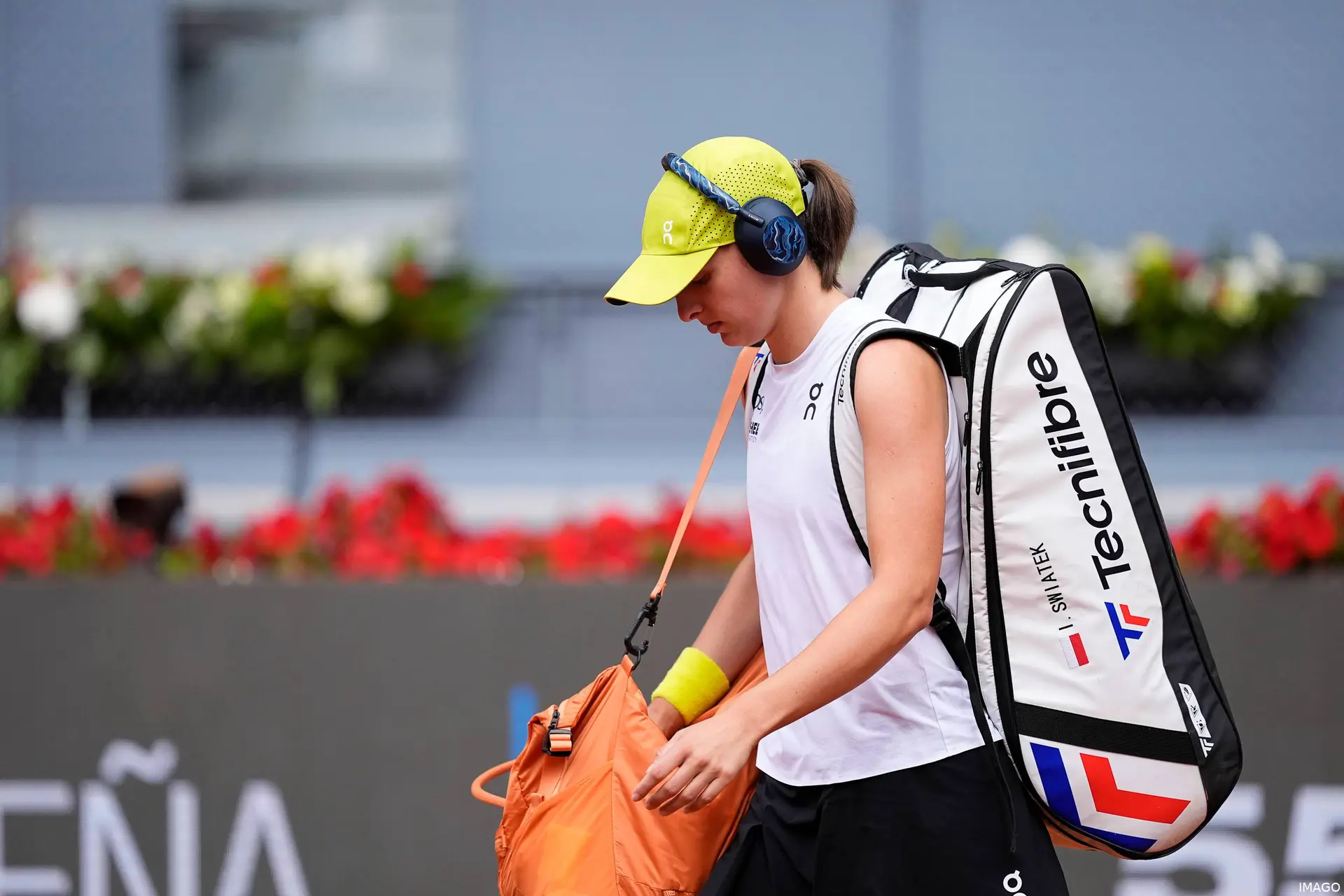
Wim Fissette addressed the end of his partnership with Iga Swiatek after 18 months working together, outlining the structural realities behind coaching changes at the highest level. Speaking to The Athletic, the Belgian coach explained that the decision followed a familiar pattern in elite sport, where expectations remain constant and adjustments are often made quickly when results no longer align with those standards.
Swiatek, currently ranked World No. 4, enters the clay swing at a moment of adjustment. After her separation from Fissette, she recently confirmed that she will work with Francisco Roig — former coach of her idol Rafael Nadal, and who had recently been working with French player Giovanni Mpetshi Perricard.
Her return is expected in Stuttgart, opening a crucial stretch on a surface that has historically defined her success. However, she has not lifted a clay title since Roland Garros 2024, and the mission in 2026 will be to reclaim her place as the 'Queen of Clay.' With the help of Roig, Swiatek hopes to find on her favourite surface the momentum needed to return to being the dominant player on tour.
For Fissette, the outcome was not unexpected. Over the past decade, he has built a reputation as one of the most experienced coaches on the WTA Tour, working with multiple Grand Slam champions including Kim Clijsters, Angelique Kerber and Naomi Osaka.
His track record includes guiding players to major titles and helping them navigate transitions at different stages of their careers. Those experiences informed his view of the situation. At the top level, results are closely tied to expectations, and when those expectations are not met, the coach is often the first to be replaced.
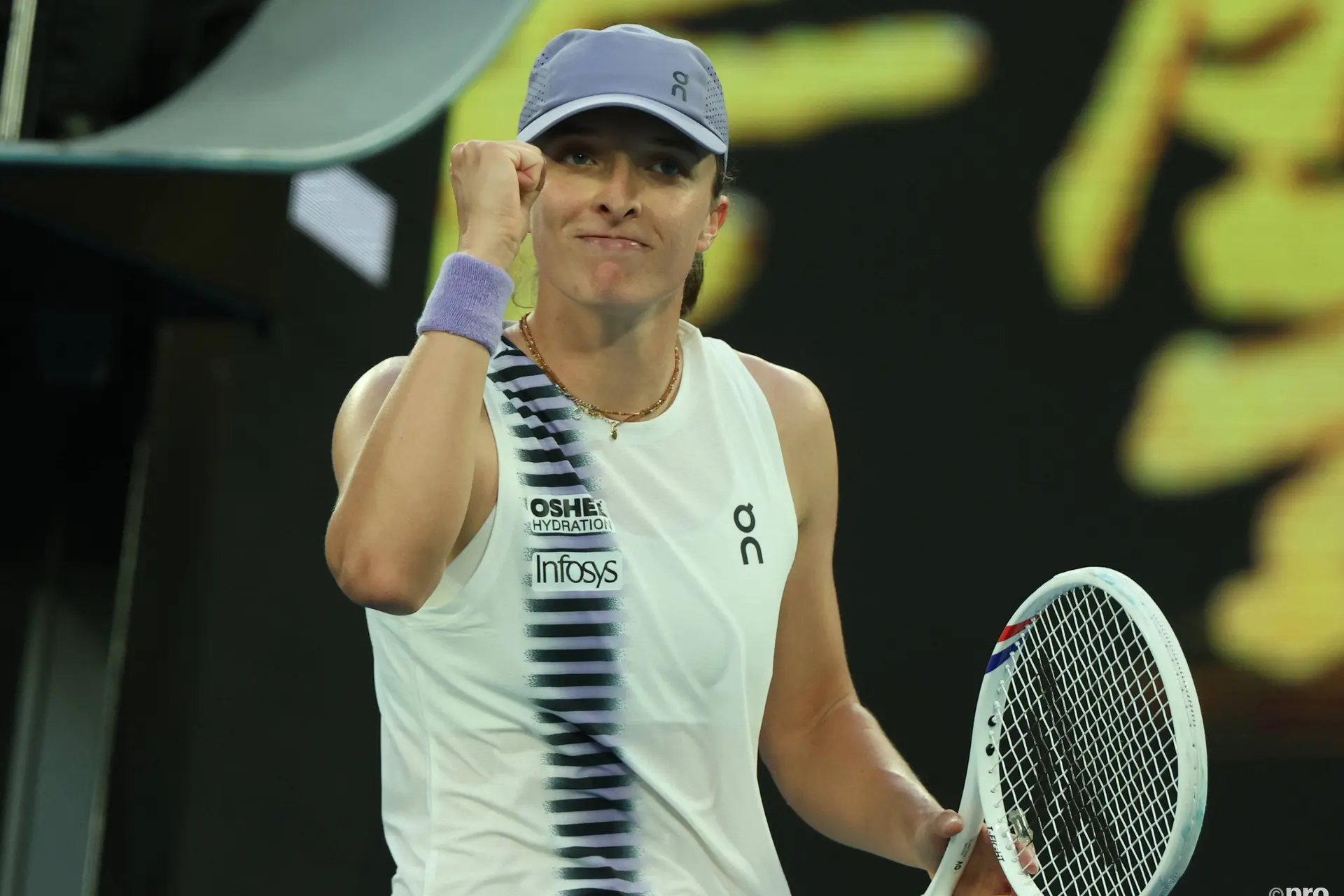
“Some teams feel something needs to change”: Coaching dynamics under pressure
Fissette described the decision-making process as something that varies between teams, particularly under pressure. Some environments remain stable during difficult periods, while others move quickly toward change as a way of resetting direction. “There are some teams that can stay really calm under, let’s say, difficult conditions. Others feel like something needs to change.”
He also pointed to a consistent pattern across professional sport, where responsibility tends to fall on the coach regardless of broader context. “As in every sport, it’s always first the coach that has to go. At the highest level in sports, this is part of the job. You have to accept that.”
The expectations surrounding Swiatek only amplified that reality. When Fissette joined her team in late 2024, he stepped into a project already defined by sustained success and high internal standards. “They were almost unbeatable for a few years. The expectations are going to be super high. Every loss will hurt extra.”
Read also

“It was impossible to do better”: A complex project with high expectations
Fissette acknowledged from the outset that the challenge would be significant, not because of deficiencies, but because of the level Swiatek had already reached. Improving a player at that stage requires incremental adjustments rather than structural change, which can make progress harder to measure.
“I was aware of the difficulties in this project. It was impossible to do better. But I was still really happy that I took the challenge, and happy with what we achieved. Iga is such an extraordinary player and athlete.”
Communication also played a role in the process. As the only non-Polish member of the team, Fissette operated in a different linguistic and cultural environment, which added another layer to the working relationship. “Every word I say is new to her. Out of respect for Iga, I don’t want to go deep into that.”
Beyond the immediate context, Fissette framed the situation within a broader discussion about player development, particularly how elite players respond to setbacks and evolution in their game.
“If you look at the best players in the world in the past 20 years, it’s, ‘How can I learn to improve and to develop?’” the Belgian coach explained. “Especially after losses, it was difficult to look at the development instead of like, ‘Let’s just keep trying to do what was working.’”
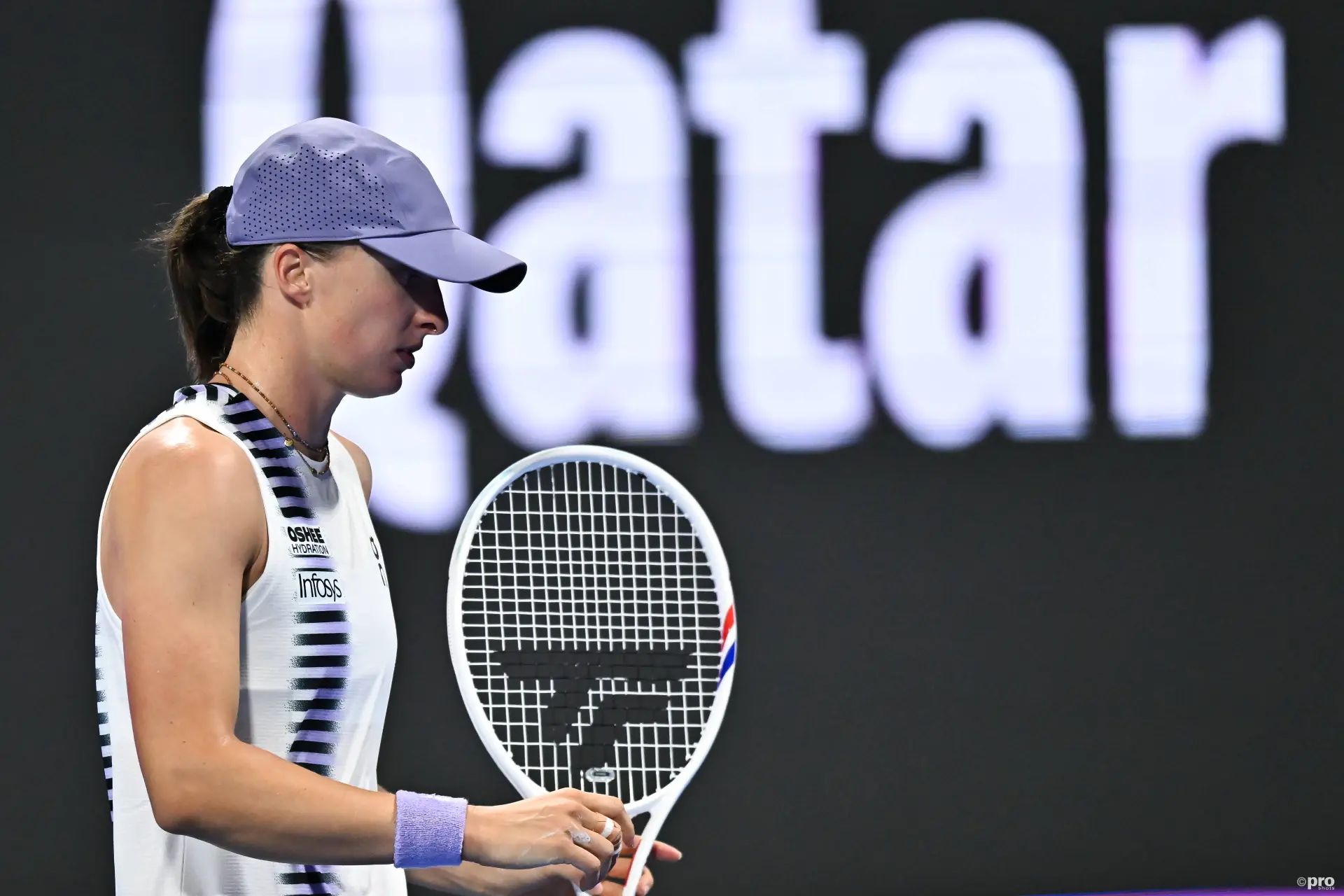
“She goes back to familiar people”: Return to familiar structures
Fissette also highlighted a tendency among top players to lean on familiar structures during more difficult phases. Long-standing relationships within a team can become more influential when results fluctuate.
“She has been working with the same people for a lot of years, and she’s been super successful for years,” Fissette said. “It’s normal that in, let’s say, challenging times, that she kind of goes back to these people or maybe wants more from these people.”
As Swiatek prepares to return on clay in Stuttgart, the focus shifts back to performance. In 2025, she faced the pressure of defending a significant number of points and titles — including two WTA 1000 events and the French Open. This time, she does not defend titles, and the clay swing represents an opportunity to collect a strong number of points and to return to winning titles that can rebuild her confidence for the rest of the season.
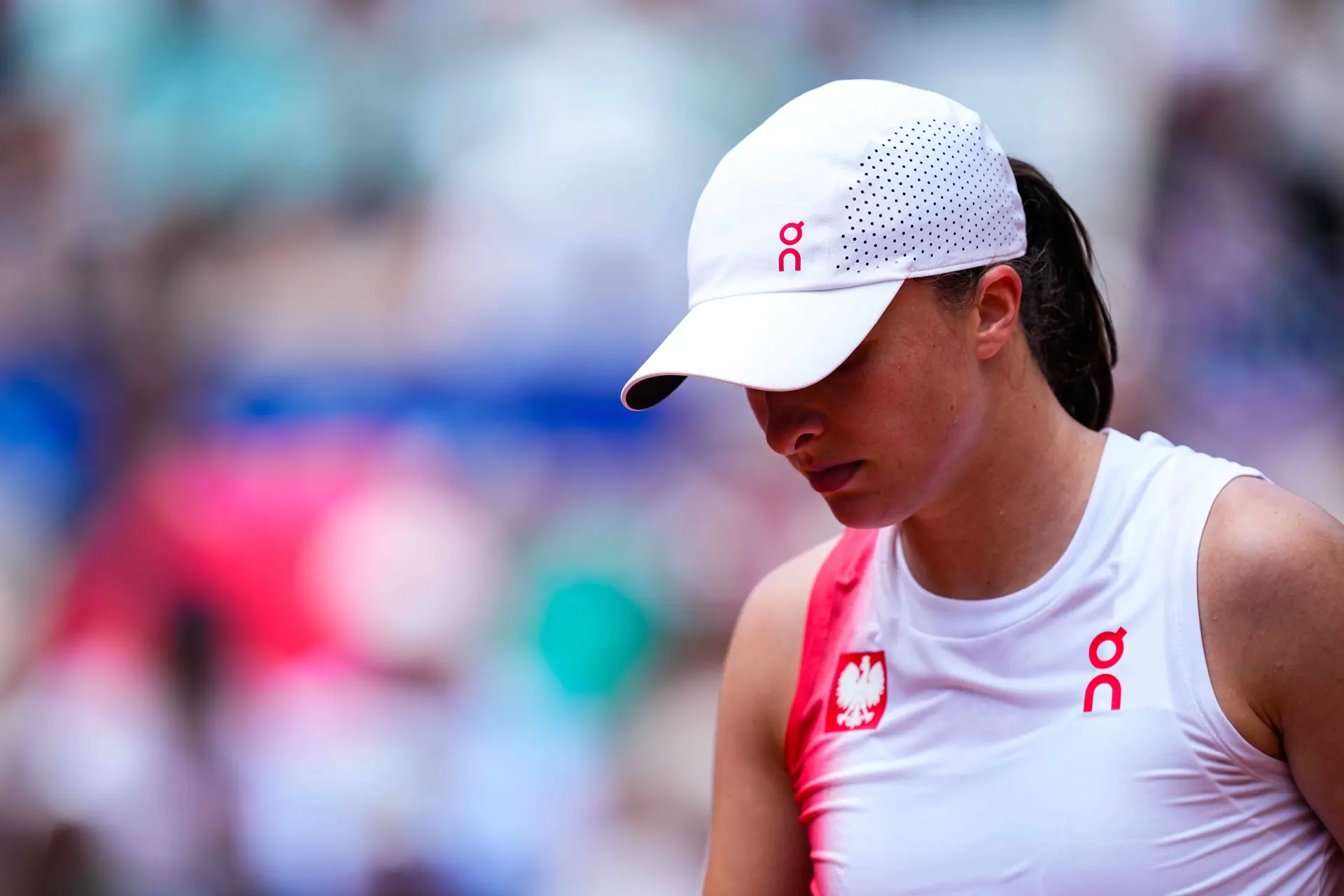
Iga Swiatek – Clay Season 2025
| Tournament | Round | Opponent | Opponent Ranking | Score |
| Stuttgart Open | Quarterfinal | Jeļena Ostapenko | No. 24 | 3–6, 6–3, 2–6 |
| Madrid Open | Semifinal | Coco Gauff | No. 3 | 1–6, 1–6 |
| Italian Open | Third Round | Danielle Collins | No. 15 | 1–6, 5–7 |
| Roland Garros | Semifinal | Aryna Sabalenka | No. 2 | 6–7(1–7), 6–4, 0–6 |

Cristhián AvilaTennis Journalist
Cristhián Ávila is a tennis journalist based in Santiago, Chile, and has been part of the TennisUpToDate team since early 2023. He covers the ATP and WTA Tours as well as all four Grand Slams, producing breaking news, match reports, analysis, and regular liveblogs from major tournaments.
His reporting combines statistical analysis with clear explanation, helping readers understand tactical developments, player form, and broader storylines across the tour. Working fluently in both Spanish and English, Cristhián collaborates with an international editorial team and contributes to comprehensive global coverage. As part of his work, he has conducted interviews and media interactions with leading figures in the sport, including Caroline Wozniacki and John McEnroe.
In his journalism, Cristhián places strong emphasis on careful sourcing, editorial accuracy, and updating articles promptly when new, verified information becomes available. His coverage is grounded in research, context, and direct engagement with professional tennis.
claps 0visitors 0
Just In



Popular News

Latest Comments
- …and Foseca ;)DaveyWavey25-08-2026
- All the men dropping like flies. Something’s gotta be done with the tournament calendar or many more players will be on the sidelines in the near future. Surprised Carlos is back as soon as he is. Get well soon Sinner, Draper, Fokina, Rune, etc. etc. etc……DaveyWavey25-08-2026
- I want Pegula to surprise as a one-slam wonder winning in New York. She would then jump over the other three ladies for a number one ranking! I’d put my money on the two American girlies, Jessica and Coco to win in New York. Rybakina cannot seem to perform under this kind of pressure and Sabalenka appears in an anger fog ATM.DaveyWavey24-08-2026
- Well said, Andy. I got sick of Nick carrying on and on and on about Sinner. He absolutely refused to look at the facts. Now look at him. Karma is real!!!Rapunzel23-08-2026
- The fact that ANDY RODDICK of all people has become the voice of “reason” is interesting. He’s absolutely correct about Kyrgios too. He’s become a tennis influencer who is a total hypocrite and bully! I agree with RODDICK 100%DaveyWavey23-08-2026
- Great article! Thiem was similar to Del Potro in that both men had won Grand Slams and injured wrists each stole their careers away. Sad really.DaveyWavey22-08-2026
- I’m not quite sure what’s happening with Sabalenka but she is horrible on court when she’s losing (which is a lot lately). If you cannot control your self at all once you start losing matches - especially at 28 - you need to see a therapist or take a break from the sport. Terrible attitude. This is what represents the women’s tennis tour? Yikes!DaveyWavey20-08-2026
- Love Halep’s post! Very pointed yet simple.DaveyWavey20-08-2026
- He’s such a hypocritical douche! I remember when Sinner was out for three months on his ban and Kyrgios made such disparaging comments towards him and how awful he was. He’s such a mess of a human being.DaveyWavey19-08-2026
- Help me understand this. Nick tests positive for cocaine and gets suspended but Marketa gets banned for four years?Rapunzel19-08-2026

Loading