Jessica Pegula continues to advocate prize money rise while steering clear of any boycott: "Aryna’s boycott suggestion was more of an extreme stance"
WTA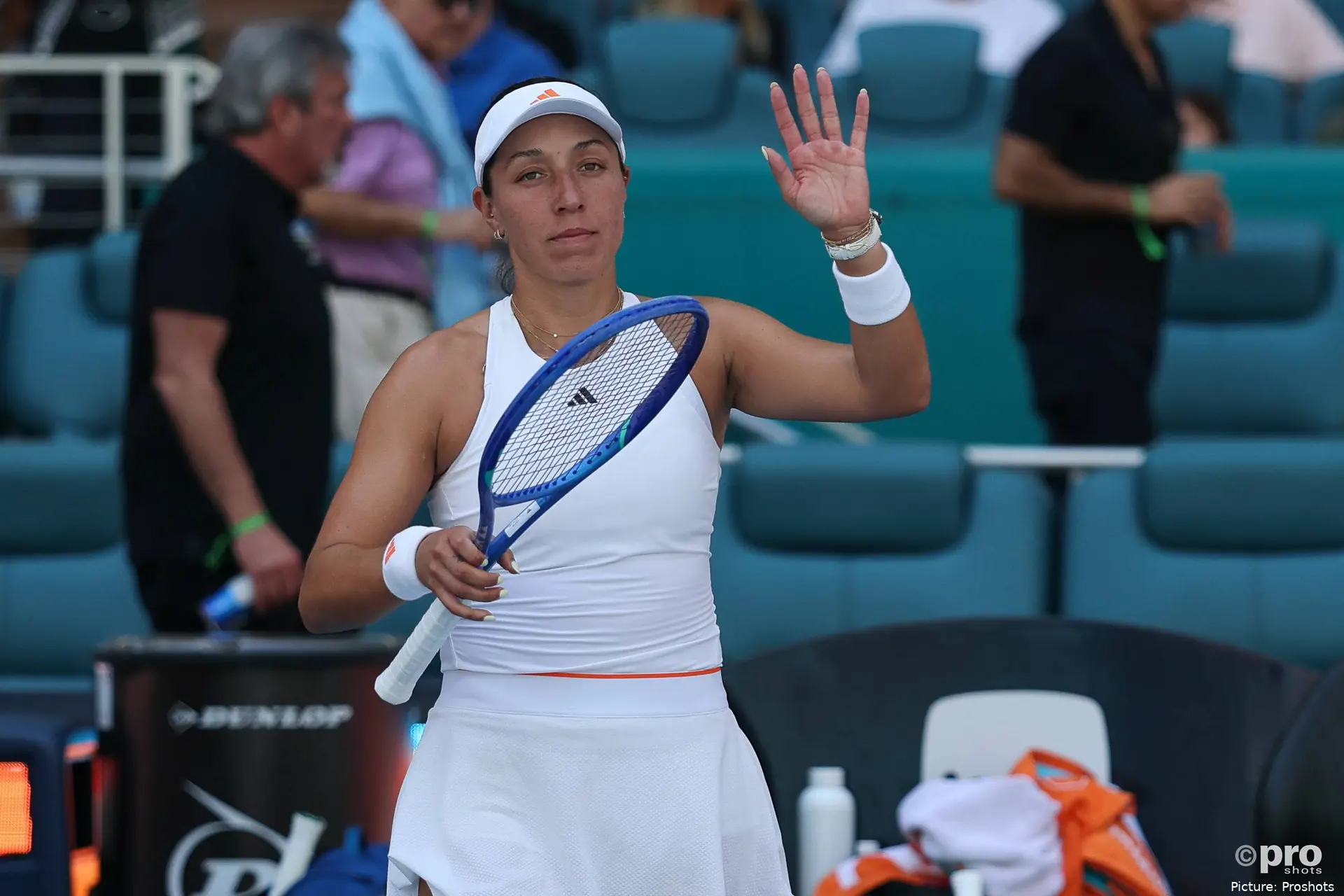
Jessica Pegula has been an advocate of boosting prize money in Grand Slams. She has publicly spoken out about this on numerous occasions, utilising her experience as she sets her sights on another French Open campaign.
Ahead of proceedings at Roland Garros, Pegula sat down with the media to preview the event. “So far, so good," she began. "Nice to see some sunny weather here in Paris. It was very, very cold when I first got here, so that’s been really nice. But excited to get going. I feel like this week has really kind of flown by with practice and we’re already almost underway. So yeah, excited.”
Explaining how the 15-minute idea came about
Tha talk of the town is the prize money situation at Grand Slam level. The top players on the ATP and WTA Tour continue to battle back against the organisers, pushing for 22% of revenue going into the prize pot instead of the current 15%. Pegula explained her reasonings to be backing this trend. “I think that the prize money in general, as it keeps growing, top players who are winning and selling tickets, of course, should be rewarded for bringing in those fan bases as well," she commented.
"But like you said, we’re more worried about the ecosystem of the sport as a whole — not seeing it maybe be so top-heavy. The US Open raised prize money last year, which was great, but it was all at the very top, which again isn’t really what we’re looking for when we’re talking about the stuff we’ve been doing with the Slams and why we’re here today and only doing the 15-minute thing.
"Of course, the top earners and performers in our sport should be making what they’ve earned. But again, the whole point is to help the ecosystem of the sport — the lower-ranked players and giving them a chance to have a good career, to have chances to break through and to see more of those stories happen.”
The American explained the reasoning behind the 15-minute limit when speaking to media. “I think we’re always thinking of ideas. Obviously, Aryna’s boycott suggestion was more of an extreme stance," she admitted. "Then the players and the people involved came up with different things we could all do that were feasible and easy to do before a Slam.
"This particular idea came through conversations with Larry Scott, who we’ve been working with, and it was really about finding a middle ground — something feasible and doable in a busy week before a Slam. If you start talking about more extreme measures and people aren’t on board, then you can’t really get anything done.”
Getting other players on board
The 32-year-old has been involved in player affairs much of her career being one of the more experienced players on the tour. “I think in tennis, that’s the hardest thing — getting everybody on the same page," she explained. "But as far as what’s happened today, I think it’s been really easy to coordinate through everybody. I mean, just tell players they don’t have to do as much media and I think you can get them on the same page pretty fast.
"But of course, it’s always difficult. We’re all playing at different times, practicing at different times. We’re each on our own individual schedule, which tends not to line up. So I think it’s been fairly easy, like I said, with getting players to do less media. That one caught on pretty quickly.”

Jessica Pegula set to return to Roland Garros
It is all about finding that balance with each player and getting them on board with the same mindset to do some good. “I think every player’s comfort level is always a bit different, so you kind of have to bridge the gap and find that balance of what everyone’s willing to do. I think seeing the top players speak out, especially in Rome, made it easier for other players to follow along with what the top players were doing. That’s why it was so important for us to get the top players on the same page — and I think most of us are.
"But again, scheduling conversations is difficult with all our schedules. Still, when you saw players like Aryna [Sabaelnka] and Jannik [Sinner] stepping out and being leaders and saying what needed to be said, all of a sudden you saw the collective unity very quickly. I think that was really great.
"Everyone has a different comfort level. I’ve tried to do my best talking to a lot of the top players just to see where they stand. You don’t want to force anyone to do anything, but you do want to educate them, talk about what’s going on, and see if you can come up with something where everyone can meet in the middle. That’s kind of what happened with today.”
There is also the matter of speaking to the lower ranked players, the competitors they are doing this for as well to get their input and advice. “I think the next step would probably be creating even better communication with them. There’s already communication there because players are moving up and down the rankings all the time," Pegula advised.
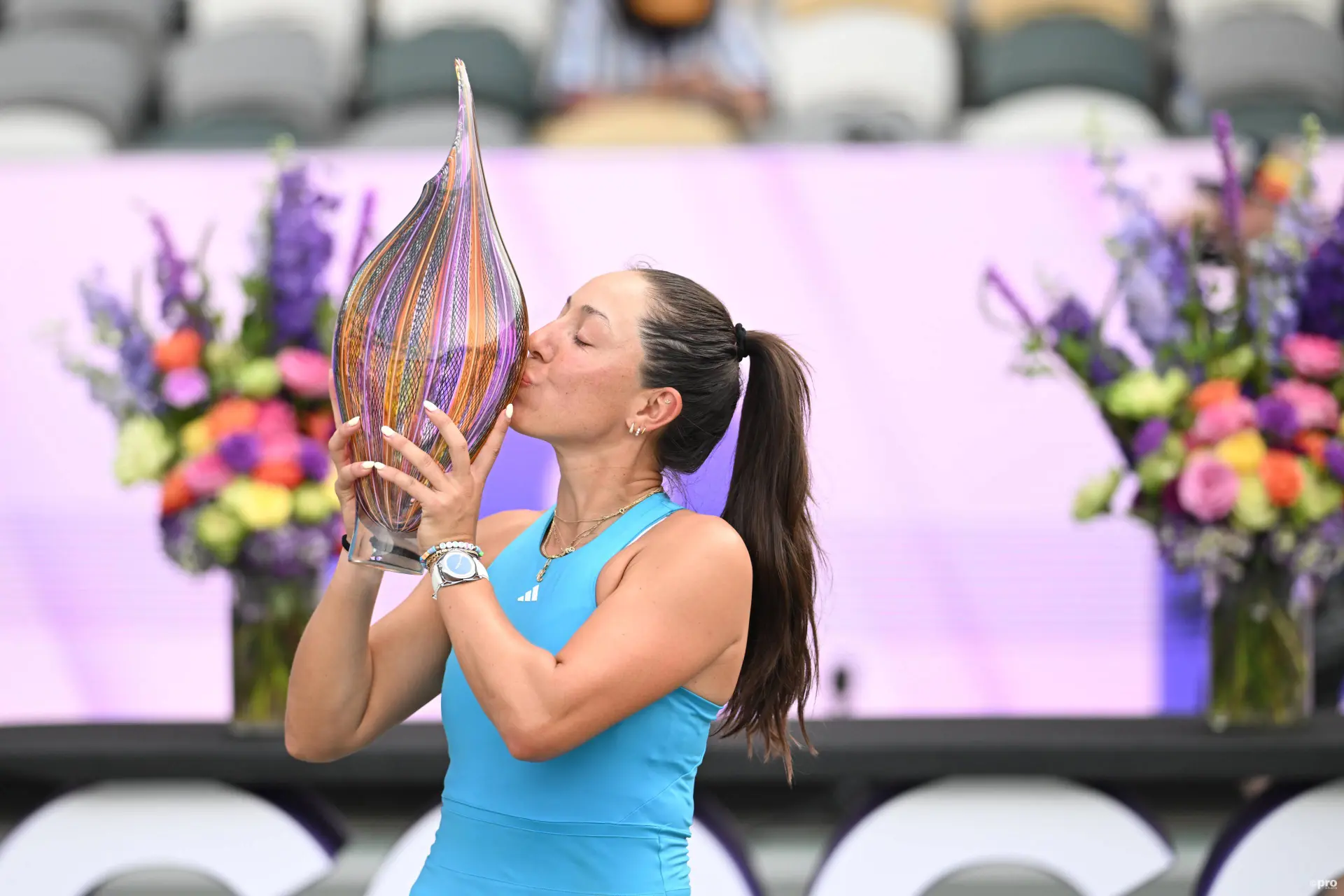
"But what we’ve really focused on is getting more of the top players together because we felt that would make the most noise. Like you said, we’re doing this for the whole sport. It may seem like we’re just asking for more money or that top players are complaining, but at the same time, people want to hear us talk. So we’re trying to use our voices and media presence to help the ecosystem of the sport continue growing.
"We’ve said the revenue share needs to be higher and player welfare needs to improve. That would help a lot of lower-ranked players in return. So I think the next step is definitely building more communication with them. But right now, the focus has been getting the top players on the same page and showing unity on both the men’s and women’s sides.”
Looking ahead to tournament - more wide open on WTA
While Jannik Sinner is the overwhelming favourite on the ATP side of things, the women's winner could come from anywhere with a variety of names boasting a reasonable argument to have their name on the trophy, including Pegula.
She did not know any solution to the 'Jannik problem.' “I don’t have an answer for that. I don’t think anybody does. I’m kind of stumped by the level he’s been able to produce. And now with Carlos not playing, it starts to feel like the inevitable could happen. But the thing about this sport is that anything can happen. You never know what’s going to unfold in a match, and whether he’s going to stay healthy through the whole tournament playing best-of-five. There are a lot of factors."
She has discussed this on 'The Players Box Podcast' with fellow American tennis players. "Still, he’s obviously the favourite and has been playing the best tennis in the world. It’s honestly hard to put into words. We’ve talked about it on the podcast and we’re all just kind of like, ‘We don’t really know what to say.’ It’s pretty incredible. We used to say this with Novak — that no one was ever going to do it again — and now someone’s already starting to do it again. It’s crazy how these players can change a draw completely."
It is a lot more open on clay for the women with Pegula referring to the recent WTA 1000 victors. "On the women’s side, it seems a bit more open because of the different results on clay," she stated. "Elena [Svitolina] won Rome, Marta [Kostyuk] won Madrid. There are a lot of players who could win. A lot of people are playing good tennis — myself included. Aryna’s Grand Slam record has probably been the best recently, but Elena [Rybakina] is playing really well, Coco [Gauff] obviously loves playing here. So there’s definitely space for someone to win, which I think makes it exciting for women’s tennis. There are a lot of really good players right now who can break through and challenge for titles."
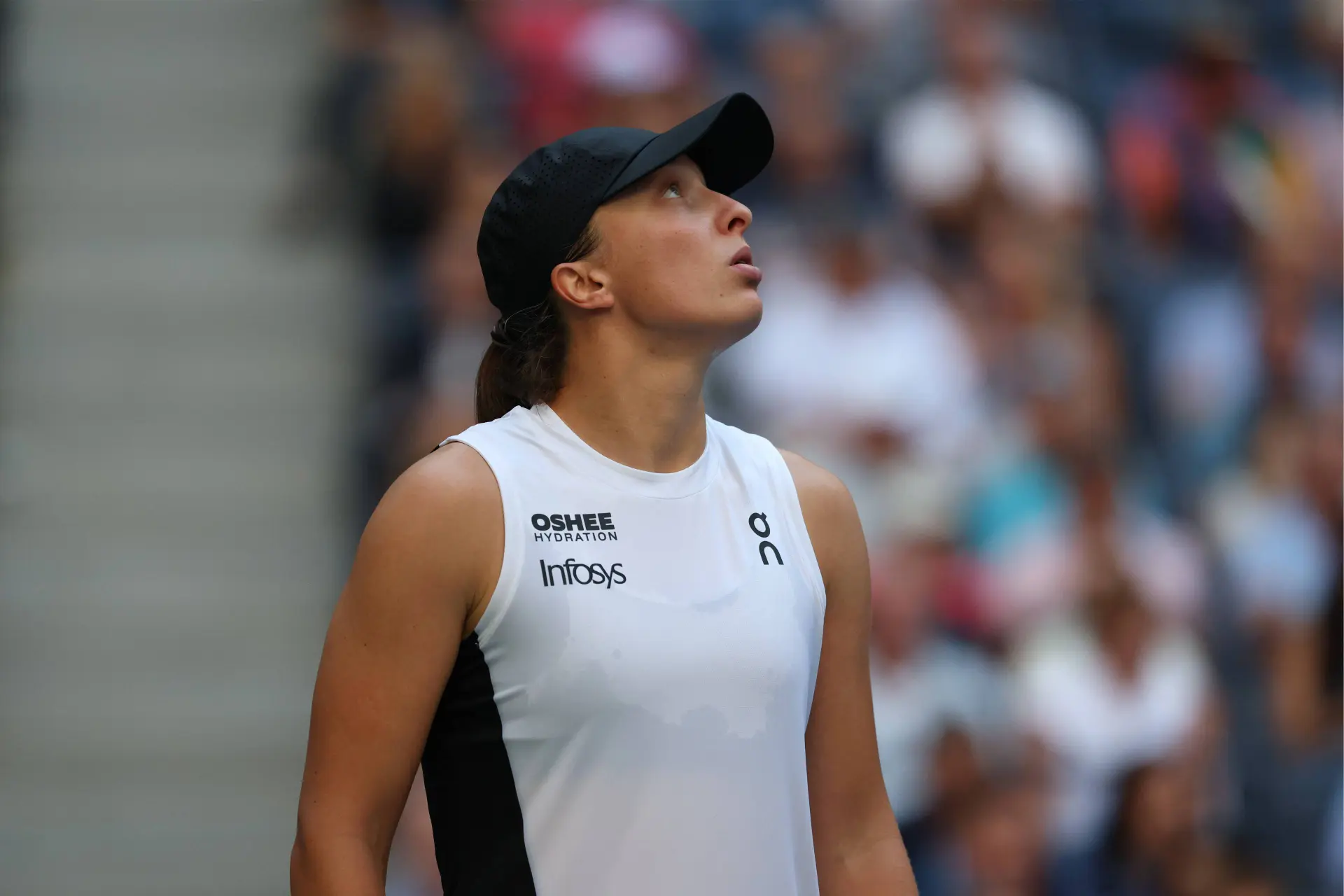
At one point, the WTA events on clay had a similar feel to this Sinner dominance with Iga Swiatek being the dominant force. The four-time Roland Garros champion has not won a clay title since picking up her most recent title in Paris back in 2024. However, Pegula was not ruling her out.
“I think those few years with Iga on clay were definitely tough because she was the best clay-court player we had and she was so dominant on it," she acknowledged. "I don’t know if she’s lost any aura. She’s still an amazing Grand Slam champion, a multiple Grand Slam champion, and she’s won on all surfaces. That’s always going to be there,.
"But when you play a lot and you’re that dominant, people start training specifically to figure out how to beat you. I think that happened with Iga. The depth maybe got a little bit better as well, and maybe she wasn’t as confident in a few moments here and there. But she’s still so young, and there are always ebbs and flows in a career. She’s already been a great champion. So while she might not feel as dominant as in previous years, I still don’t think you’d really want to play her here knowing her experience at Roland-Garros.”

Lucas MichaelTennis Journalist
Lucas Michael is a tennis journalist based in Cambridge, UK, specializing in comprehensive coverage of the ATP and WTA tours. For the past 1.5 years, he has been a core contributor to TennisUpToDate, where he has authored more than 3,000 data-driven match reports, deep-dive analysis pieces, and engaging liveblogs.
Lucas pairs real-time statistical analysis with on-the-ground reporting, frequently traveling to tournaments to cover the action firsthand from the press box and player press conferences. This blend of advanced metrics and direct access allows him to provide sharp context regarding player form, tactical trends, and breaking tour developments.
He holds a BA (Hons) in Sports Journalism. Grounded in core journalistic ethics, Lucas places a strict emphasis on meticulous sourcing, editorial accuracy, and a commitment to updating live content swiftly as verified information emerges.
claps 0visitors 0
Just In

Popular News


Latest Comments
- Does Sinner need that 4.5 mil? I doubt it. He can make that with three modelling gigs!😅🤣Rapunzel21-10-2026
- Did "People Magazine" purchase this website? This nonstop storyline is bullshit.
 mandoist21-10-2026
 - Listen... this is of no concern to anyone but these two. Deal with your own issues -- most of us have our own. Thanks, media, for these insignificant follow-ups which are meaningless.mandoist21-10-2026
- This is so very very sad, for all three of them. I truly thought they had an unbreakable bond, but life throws up so many differing challenges. Having your homeland suffering in such a terrible way, makes happiness lose out to guilt as well. Our thoughts are with them. X💔bjsexton20-10-2026
- I have lost all respect for Svitolina! Could she not have waited until he had played at the Paris Masters!!! She is selfish and don't give a damn about Gael. That is NOT how love is demonstrated Elina!!Rapunzel19-10-2026
- Perhaps convenient tennis tour sex is not a strong enough experience in which to base a marriage?mandoist19-10-2026
- Fight the Good Fight... Tennis (sports in general) need more Humans such as yourself.mandoist18-10-2026
- When is WTA going to mandate Genetic Testing (DNA) ???mandoist18-10-2026
- Hey, Dan... you just wake up from a coma? Regardless -- Thanks for the comedy this morning!mandoist18-10-2026
- Two Things: 1. Stop allowing these Spoiled Trust-Fund Elitists to behave badly. Your little hand-slaps do not deter them. 2. STOP the incessantly annoying "towel wiping" nonsense!!!!mandoist15-10-2026

Loading