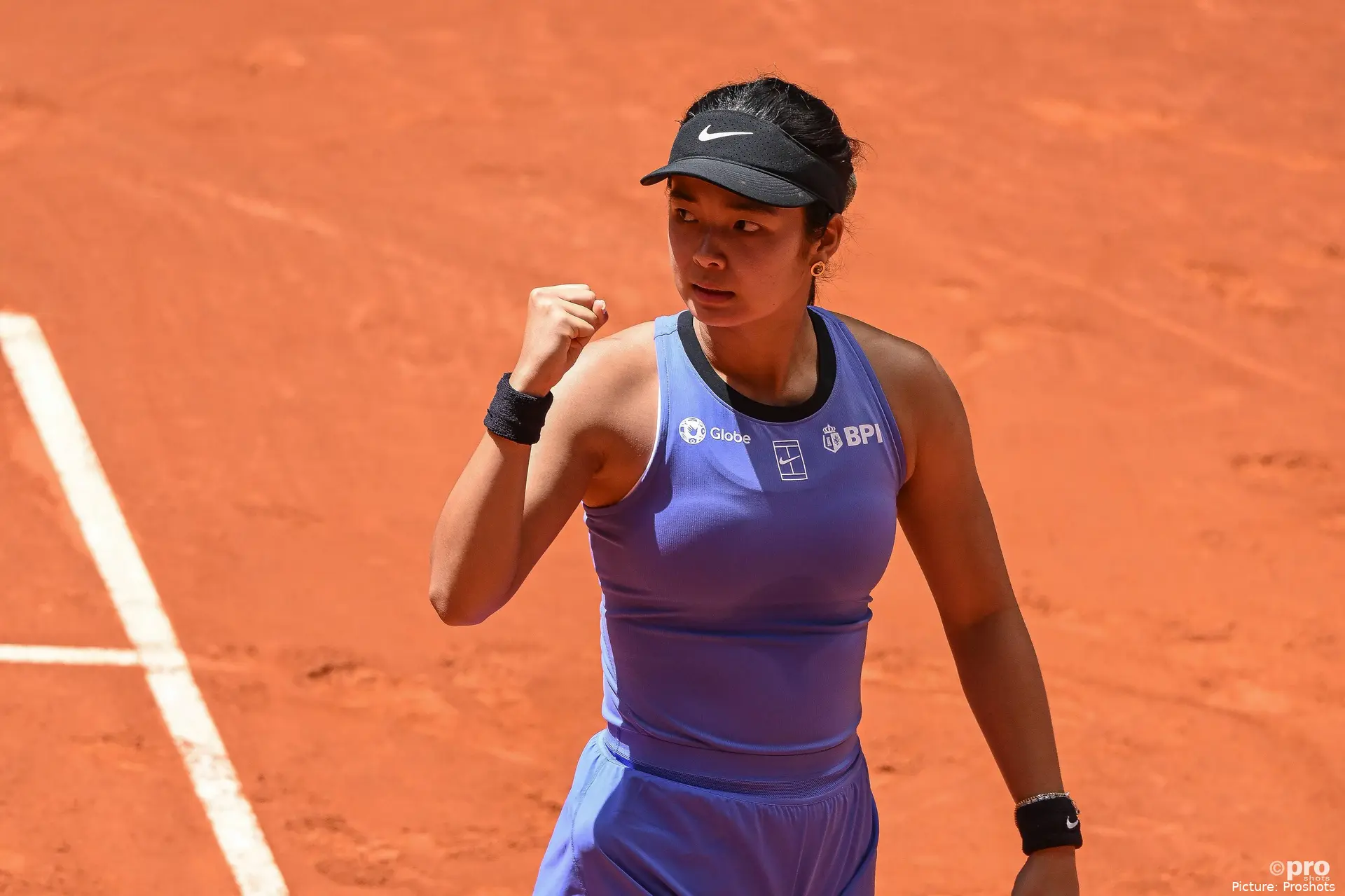
Joan Bosch, coach of Alexandra Eala, has framed her development around a single defining quality: the ability to learn. Speaking during the Madrid Open, he pointed to that trait as the foundation of her rise, describing it as uncommon even among professional players and central to her progression through the WTA rankings.
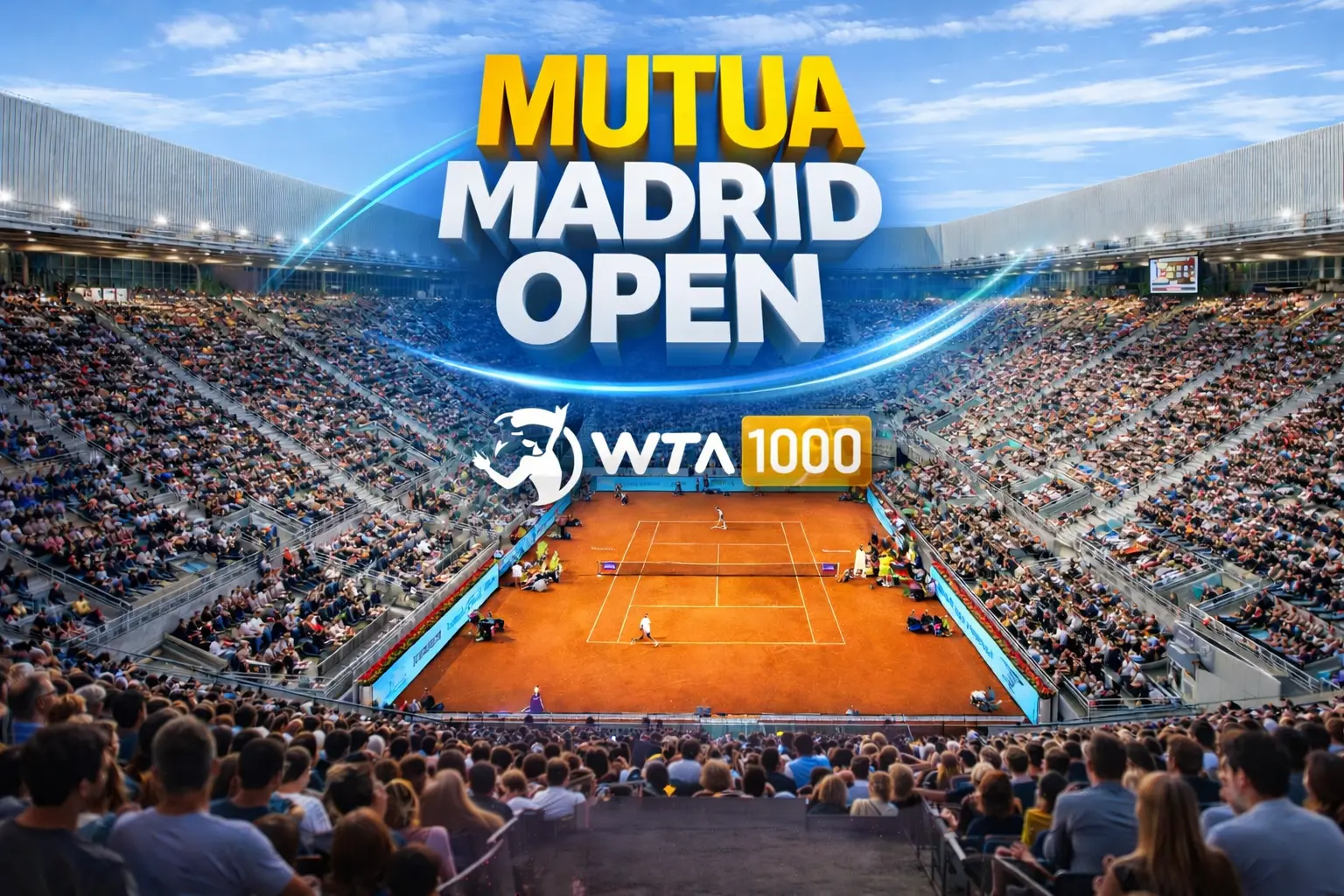
Eala’s week in Madrid ended with a second-round defeat to Elise Mertens, 6-2, 6-1, a result that underlined the ongoing adjustments required on clay. The 20-year-old leaves the tournament with a 3–2 record on the surface this swing, continuing her transition phase ahead of the next events in Rome.
Currently ranked world No. 44, Eala has established herself within the top tier of emerging players. A product of the Rafa Nadal Academy, her development has been built within a structured environment, where long-term progression remains prioritised over immediate results.
Bosch’s assessment places that trajectory within a broader framework, focusing less on outcomes and more on process. His analysis highlights a player capable not only of absorbing instruction but of applying it under competitive conditions, a distinction he considers critical at this stage of her career.
Learning as a defining trait
Bosch’s evaluation centres on Eala’s capacity to internalise information and translate it into match play. While many players rely on instinct or repetition, he identified her ability to “learn” as a separating factor, particularly when combined with emotional control. That combination, he suggested, allows for more consistent adaptation across surfaces and opponents.
The importance of that quality becomes more evident during transitional periods, such as the move from hard courts to clay. With limited preparation time following Miami, the team has focused on targeted adjustments rather than structural changes, allowing Eala to build progressively without compromising her natural game.
“Alex is a very special person because she has a very good character. She is very organised and always has clear ideas,” Bosch said. “Many times she is the one who tells me, ‘Let’s go step by step.’ If I had to say something, after many years coaching players, it’s that she is able to learn, which is very complicated, and she does it from calm, which is even more difficult.”
Eala’s adaptation to clay remains a work in progress, with movement and defensive variation identified as key areas for improvement. Bosch noted that the surface initially exposed gaps in her game, particularly in terms of sliding and rally tolerance, elements that require time to integrate fully.
Madrid provided a clear example of those demands. Against Mertens, Eala struggled to dictate points consistently, particularly in extended rallies where defensive discipline proved decisive. The Belgian secured a 6-2, 6-1 victory in just over an hour, limiting Eala’s ability to build momentum throughout the match.
“Clay was where she was more raw, where she had more to improve,” Bosch added. “Now she is moving much better, she is sliding, which is not easy when it doesn’t come naturally. We had very little time after Miami, just one week, but during matches we try to implement what we train without losing her natural aggression.”
"Rafa came down to the court"
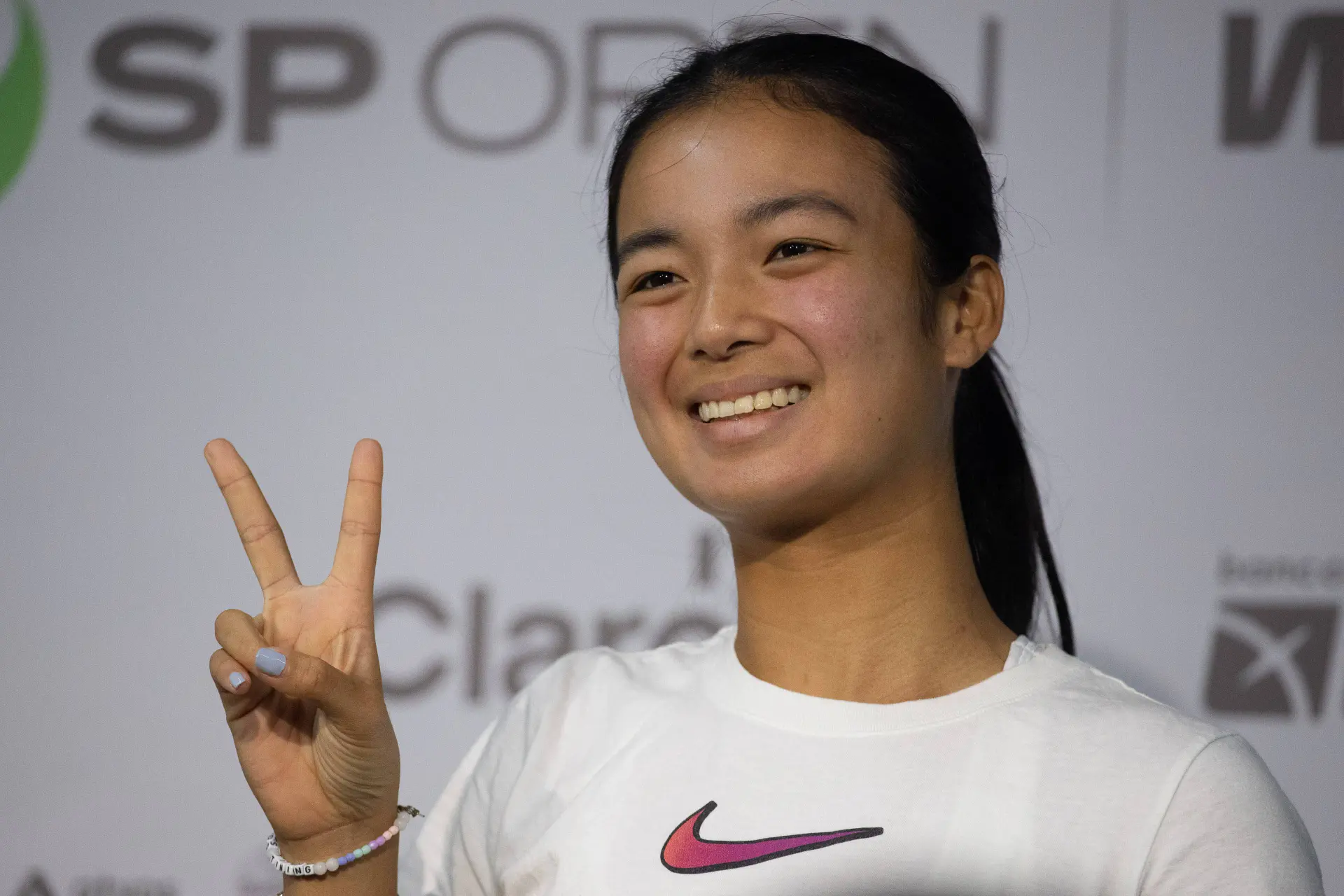
Eala’s development remains closely tied to her environment at the Rafa Nadal Academy, where she has progressed from junior prospect to established tour player. Bosch described her as a “100% academy product,” highlighting the continuity between her early training and current competitive level.
That environment has also provided direct exposure to figures such as Rafael Nadal, whose input has contributed to specific areas of development. While not central to the daily process, those interactions reinforce the technical and mental framework surrounding her progression.
“Rafa came down to the court without anyone asking and gave us some advice on the serve. It helped a lot. Later he even hit with Alex. Imagine what that means for her. Being at the academy, with people like Carlos Moyá also helping, for those of us who love tennis, it’s like being at NASA.”
Bosch maintains a long-term perspective when assessing Eala’s trajectory, avoiding fixed expectations around ranking. Instead, his focus remains on incremental improvement and sustained development, with results seen as a consequence rather than a target.
“We don’t want to see a ceiling because that wouldn’t motivate us. When we started, many didn’t think she could reach this level. Now she is around 44, so there are still many players ahead. If the maximum is 29, that’s fine, but we have to go for more. It’s about improving every day.”

Cristhián AvilaTennis Journalist
Cristhián Ávila is a tennis journalist based in Santiago, Chile, and has been part of the TennisUpToDate team since early 2023. He covers the ATP and WTA Tours as well as all four Grand Slams, producing breaking news, match reports, analysis, and regular liveblogs from major tournaments.
His reporting combines statistical analysis with clear explanation, helping readers understand tactical developments, player form, and broader storylines across the tour. Working fluently in both Spanish and English, Cristhián collaborates with an international editorial team and contributes to comprehensive global coverage. As part of his work, he has conducted interviews and media interactions with leading figures in the sport, including Caroline Wozniacki and John McEnroe.
In his journalism, Cristhián places strong emphasis on careful sourcing, editorial accuracy, and updating articles promptly when new, verified information becomes available. His coverage is grounded in research, context, and direct engagement with professional tennis.
claps 0visitors 0
Just In



Popular News

Latest Comments
- Lena... Takin' care of business
 mandoist25-10-2026
 - Can you please stop publishing this nonsense? Stick to Tennis.mandoist25-10-2026
- Does Sinner need that 4.5 mil? I doubt it. He can make that with three modelling gigs!😅🤣Rapunzel21-10-2026
- Did "People Magazine" purchase this website? This nonstop storyline is bullshit.mandoist21-10-2026
- Listen... this is of no concern to anyone but these two. Deal with your own issues -- most of us have our own. Thanks, media, for these insignificant follow-ups which are meaningless.mandoist21-10-2026
- This is so very very sad, for all three of them. I truly thought they had an unbreakable bond, but life throws up so many differing challenges. Having your homeland suffering in such a terrible way, makes happiness lose out to guilt as well. Our thoughts are with them. X💔bjsexton20-10-2026
- I have lost all respect for Svitolina! Could she not have waited until he had played at the Paris Masters!!! She is selfish and don't give a damn about Gael. That is NOT how love is demonstrated Elina!!Rapunzel19-10-2026
- Perhaps convenient tennis tour sex is not a strong enough experience in which to base a marriage?mandoist19-10-2026
- Fight the Good Fight... Tennis (sports in general) need more Humans such as yourself.mandoist18-10-2026
- When is WTA going to mandate Genetic Testing (DNA) ???mandoist18-10-2026

Loading