“That was the worst moment of my life”: Jelena Dokic recalls being booed before facing Davenport at the Australian Open
WTA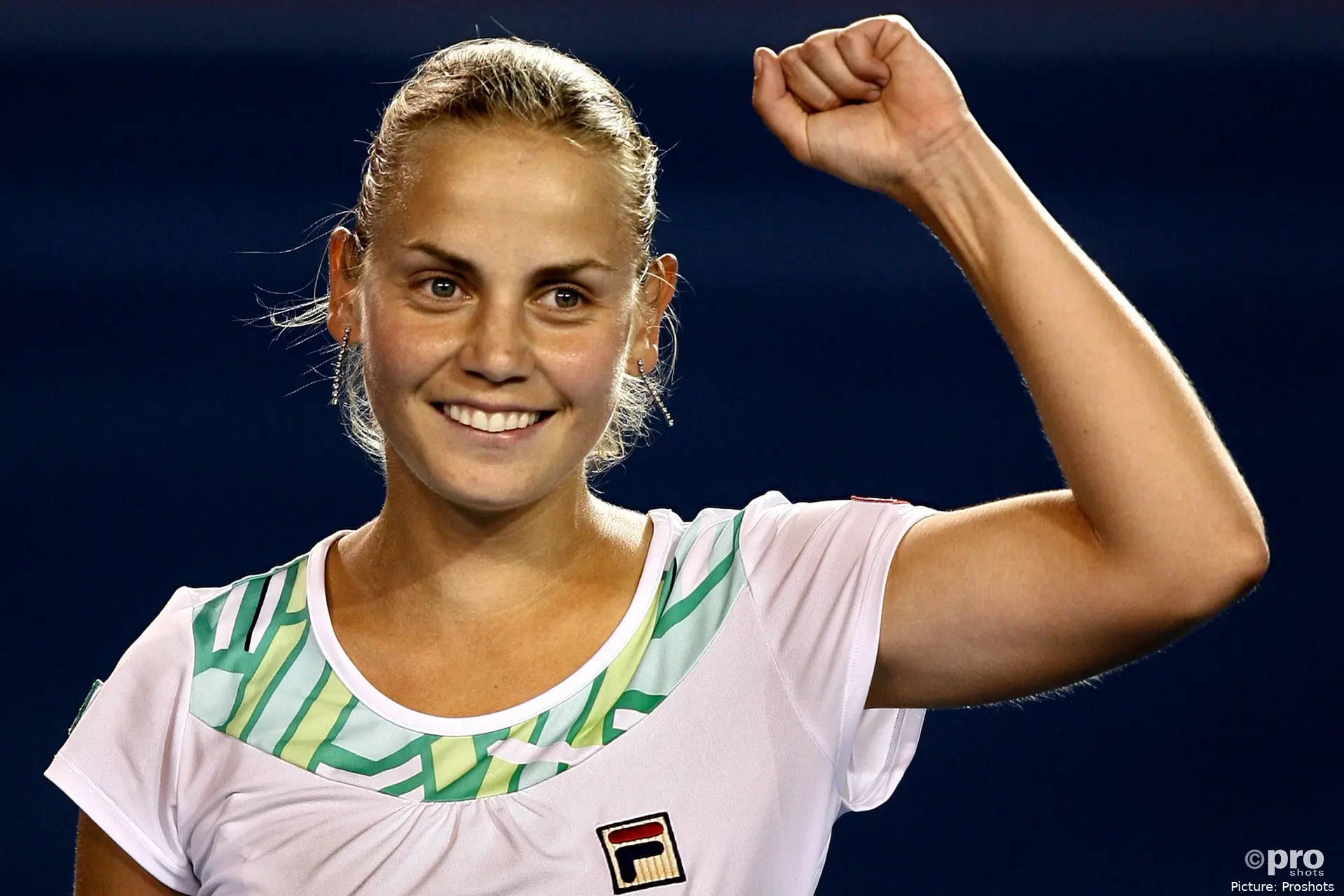
Former World No. 4 Jelena Dokic has reflected once again on the traumatic moment in which she was booed by the Australian Open crowd before facing World No. 1 Lindsay Davenport in 2001. Dokic, born in Croatia and raised in Australia, had represented the nation throughout her early career before her father forced a last-minute switch of allegiance to Yugoslavia.
In the beginning of her career, Dokic stunned the tennis world with extraordinary breakthroughs. At Wimbledon 1999, ranked No. 129, she produced one of the greatest upsets in Grand Slam history—defeating top seed Martina Hingis 6–2, 6–0 in the opening round. The teenager went on to reach the quarter-finals, delivering one of the most impressive early-career rises the sport has ever seen.
By 2001, however, her talent was overshadowed by the increasingly volatile behaviour of her father Damir Dokic, who controlled every aspect of her life. He removed her from Tennis Australia, dictated her nationality change, and created an environment of fear and instability that followed her onto the court. Dokic has frequently described those years as a period defined by emotional and physical abuse.
The match against Davenport became a symbol of that trauma. As she walked into Rod Laver Arena representing Yugoslavia—with the decision made by her father only 24 hours earlier—she was met by loud booing from thousands of Australian fans. It was the moment she now calls the deepest wound of her career and one that has shaped her adult understanding of who she was and what she endured.
“That was the worst moment of my life," she said during an interview with Australian Story in ABC News. "When he changed allegiances from Australia to play for Yugoslavia 24 hours before my first round of the Australian Open, against the world number one, Lindsay Davenport, and to get the booing of 15,000 people… I just wanted to disappear.”
Coming to terms with a childhood stolen
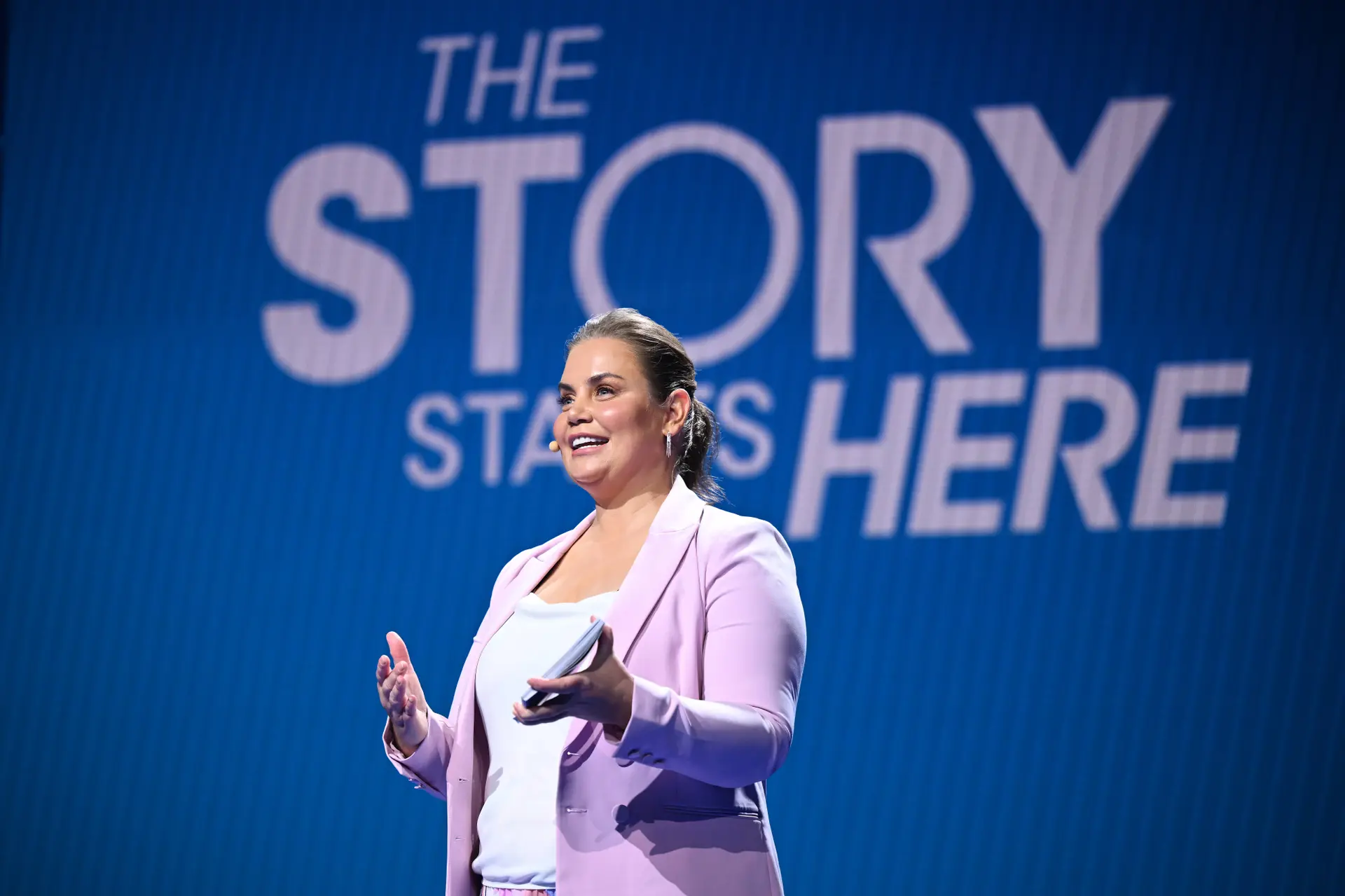
Dokic has explained that what hurt most was not the result of the match, but the feeling of something essential being taken from her. She loved Australia, its crowds, and the country that had given her a chance to build her tennis career. That identity was stripped from her without consent, leaving her alone on one of the biggest stages in the sport.
Her father’s behaviour extended far beyond that night. She has written openly about the long-term emotional impact of his control—financial, psychological, and physical. Her departure from home left her with nothing, forcing her to rely on the next paycheque from tennis simply to have a place to sleep.

Jelena Dokic reached her best ranking as world No. 4 in 2002 at the age of 19.
The consequences of that upbringing followed her for years. “Including when I left home, I was literally on the street, had nowhere to go. If I didn’t have tennis and a paycheck coming in a week or two, I don’t know where I would go.”
Dokic later spent years trying to understand how a parent could treat a child that way. She admits that the search for answers nearly consumed her, especially as she battled PTSD, anxiety, depression, and an eating disorder in early adulthood.
Estrangement, attempted reconciliation, and a complicated grief
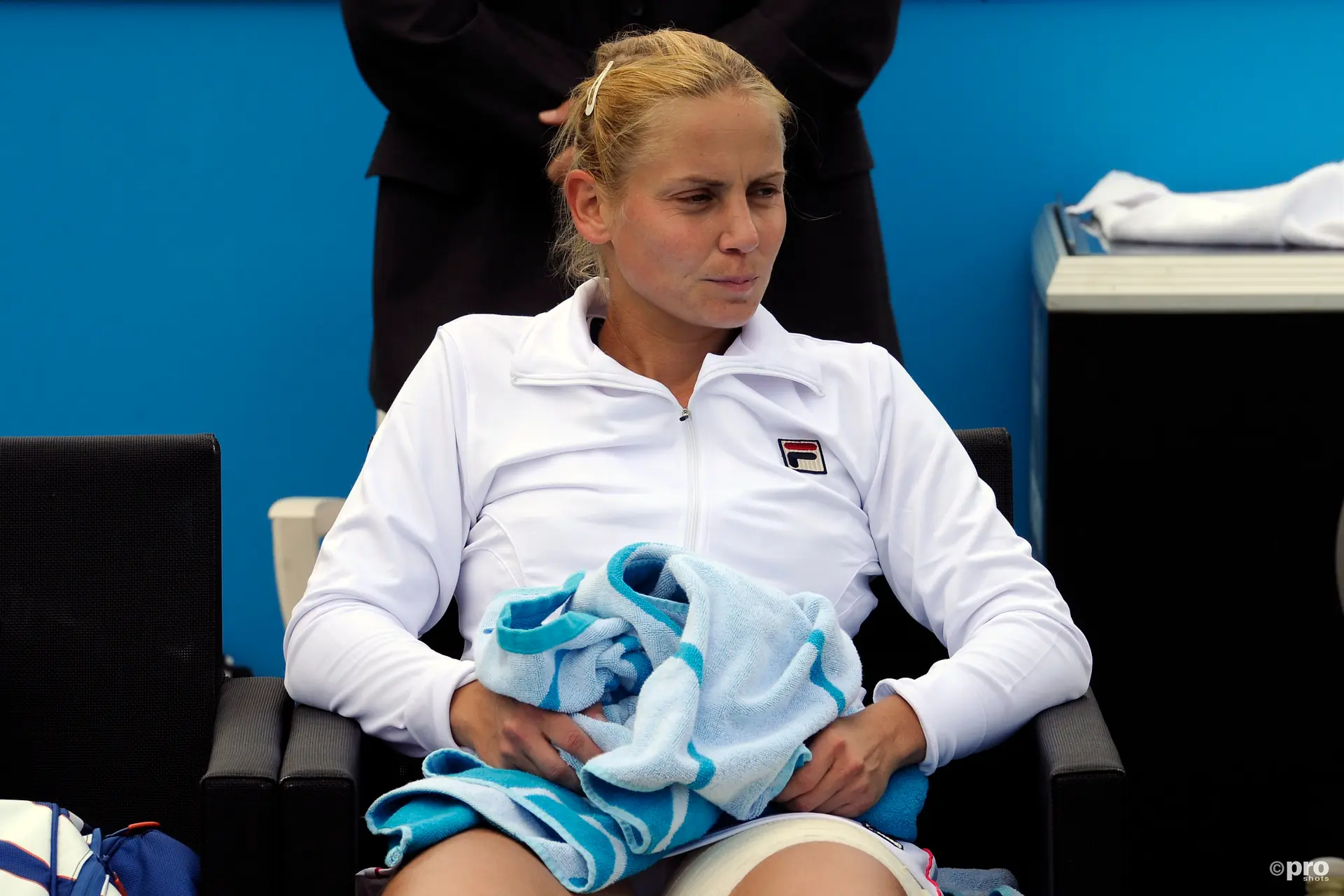
Despite everything, Dokic attempted to reconnect with her father multiple times. She hoped that with age—her own and his—there might be room for change, or at least for a relationship outside tennis. Each attempt only reaffirmed the absence of remorse and the emotional distance she had lived with since childhood. “I’ve come to terms to accept that he doesn’t love me and that he never did. I tried to reconcile two or three times, but it wasn’t possible. It’s hard when someone’s not even a little bit sorry… in fact, he said he would do it all again.”
The two remained estranged for a decade. Damir Dokic passed away recently, leaving Jelena to process a kind of grief shared by many survivors of abusive homes—a grief not tied to what was lost, but to what never existed in the first place. “People ask me if I hate my father. I don’t. I don’t necessarily forgive him, but I do not hate him.”

Cristhián AvilaTennis Journalist
Cristhián Ávila is a tennis journalist based in Santiago, Chile, and has been part of the TennisUpToDate team since early 2023. He covers the ATP and WTA Tours as well as all four Grand Slams, producing breaking news, match reports, analysis, and regular liveblogs from major tournaments.
His reporting combines statistical analysis with clear explanation, helping readers understand tactical developments, player form, and broader storylines across the tour. Working fluently in both Spanish and English, Cristhián collaborates with an international editorial team and contributes to comprehensive global coverage. As part of his work, he has conducted interviews and media interactions with leading figures in the sport, including Caroline Wozniacki and John McEnroe.
In his journalism, Cristhián places strong emphasis on careful sourcing, editorial accuracy, and updating articles promptly when new, verified information becomes available. His coverage is grounded in research, context, and direct engagement with professional tennis.
claps 0visitors 0
Just In


Popular News
Latest Comments
- A healthy Qinwen may be hard to stop next season. She was already scaring her opponents before her medical leave(s). Unfortunately, Zheng insisted on singing again. On the positive side -- Mirra did not sing!! ;~}
 mandoist11-10-2026
 - Where is it written that athletes, entertainers... People in general... are mandated to keep looking at -- or even using [anti]Social Media? Public & private figures consistently complain and reveal their concerns about negativity and violence thrown at them -- yet they insist on participating. Avoid it, don't use it, don't read it. It's okay to occasionally look up at the World instead beating your eyes & thumbs to death on The Inventions out there.mandoist11-10-2026
- great articlestennisseserver07-10-2026
- Medvedev was leading Djokovic 7-5, 3-5 when an attempted return..' NO you ignorants, Djokovic was leading .weiss05-10-2026
- No more bullshit "Wildcards" to these two. Qualify like everyone else -- there will be cameras there, too. Time to scream... WTF ????!!!!mandoist29-09-2026
- Let's not BS the general public -- Sabalenka started showing cracks in her game last season. Her losses and near-losses started at about the same time she began being distracted by Fame (constant Selfies, making TV commercials, magazine shoots, endless Social Media nonsense, etc., etc.) One would think even Saba could recognize the parallels with others who failed before her -- Raducanu, Giorgi, Bouchard to name a few.mandoist25-09-2026
- Gross!! Hey Raducanu, Giorgi, and Bouchard -- reserve a seat at your Social Media Selfie table for Saba + Naomi. They're heading in your direction soon enough.mandoist24-09-2026
- And then these same players will complain about how lengthy their season’s were and need more time-off. I’m all for more tennis but the amount of tennis we get now is actually kind of crazy! We all need a break, especially the players.DaveyWavey23-09-2026
- You should do a comparison article for "different kinds of justice" the courts decide for tennis players. I can think of at least three players who received very small bans of a few months, however Tara Moore has been fighting for her literal survival the past few years. It seems odd considering she is not a "name" player, unlike the other cases.DaveyWavey22-09-2026
- PRIZE MONEY & POINTS Winner - $185,500 Finalist - $114,500 Semi-Finalist - $66,003 Quarter-Finalist - $35,000 Round of 16 - $18,045 Round of 32 - $13,005 Winner - 500 Finalist - 325 Semi-Finalist - 195 Quarter-Finalist - 108 Round of 16 - 60 Round of 32 - 1DaveyWavey20-09-2026

Loading