"When someone like Iga gains confidence like that, anything’s possible" - Wim Fissette discloses belief he felt in Iga Swiatek ahead of triumphant Wimbledon campaign
WTA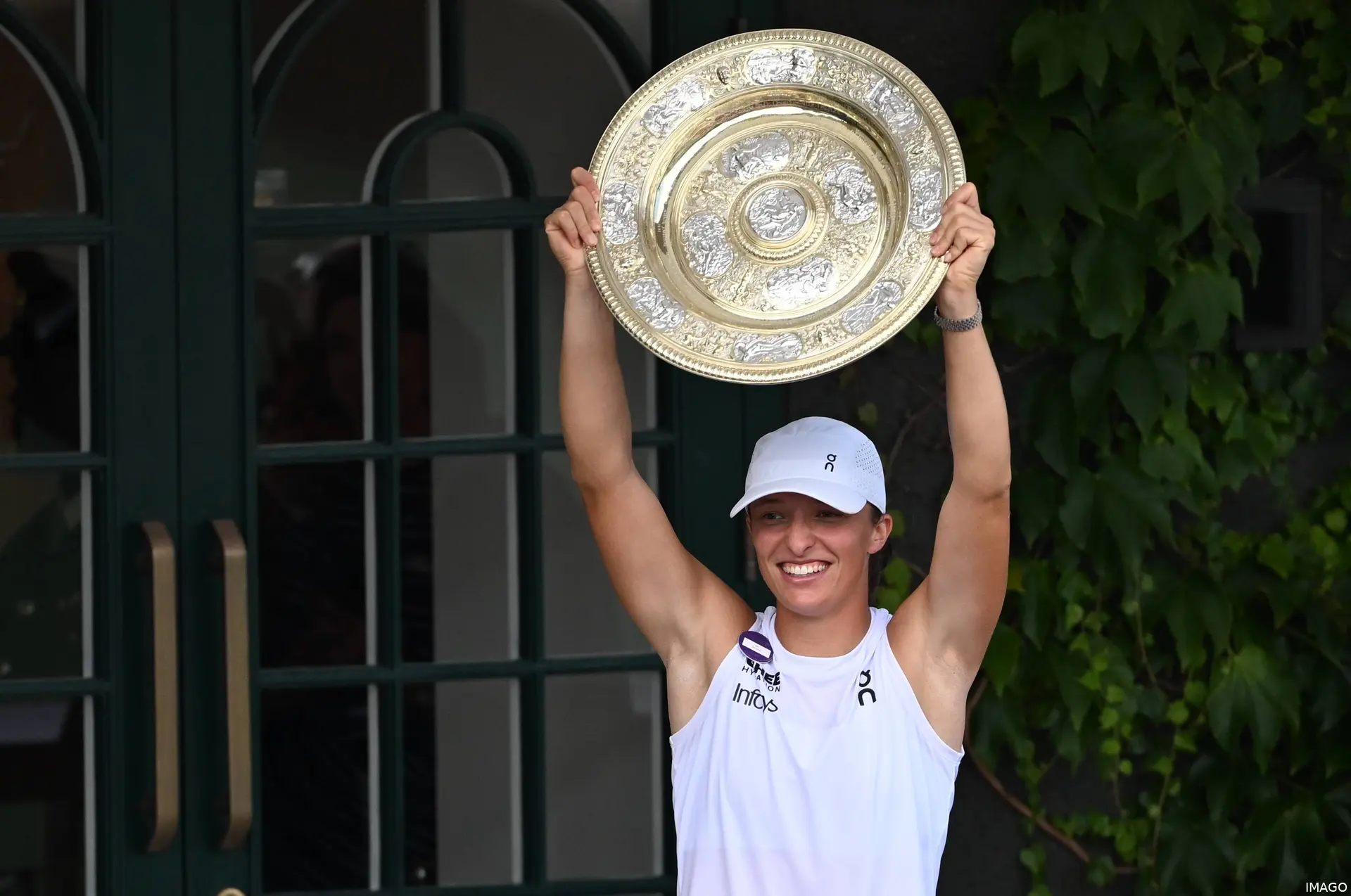
Wim Fissette has enjoyed a hugely successful coaching career, having aided the likes of former world number one's and multiple Grand Slam champions Victoria Azarenka, Simona Halep, Naomi Osaka, and now Iga Swiatek.
The 45-year-old touched on the partnership with the Pole, focusing on her outstanding Wimbledon campaign and her ability to switch off when away from tennis. As well as that, he pointed out the big changes in women's tennis, and the former major champion who gave him the confidence to coach at the top level.
Building his reputation
With a large number of tennis coaches being well-known names in the tennis world with a lot of calibre, it was harder for Fissette to ascend towards their heights. He stated that he needed a period to convince himself this is where he belongs, and he go a huge helping hand from a two-time Grand Slam champion.
"Yeah, it did — but more within myself. I needed time to truly have confidence and believe in myself, to believe that this is my spot: coaching the best players in the world," Fissette said in an interview on The Inside-In podcast. "One of the players who really helped me with that was actually Vika (Azarenka). It was a very important moment in my career — I almost decided to stay home and not be on tour again. My wife was pregnant at that time, and things weren’t going so well on tour for me. Then I got a call from Vika, and she was so confident in me, not only as a coach but also about my family — that they could travel wherever they wanted and always join me."
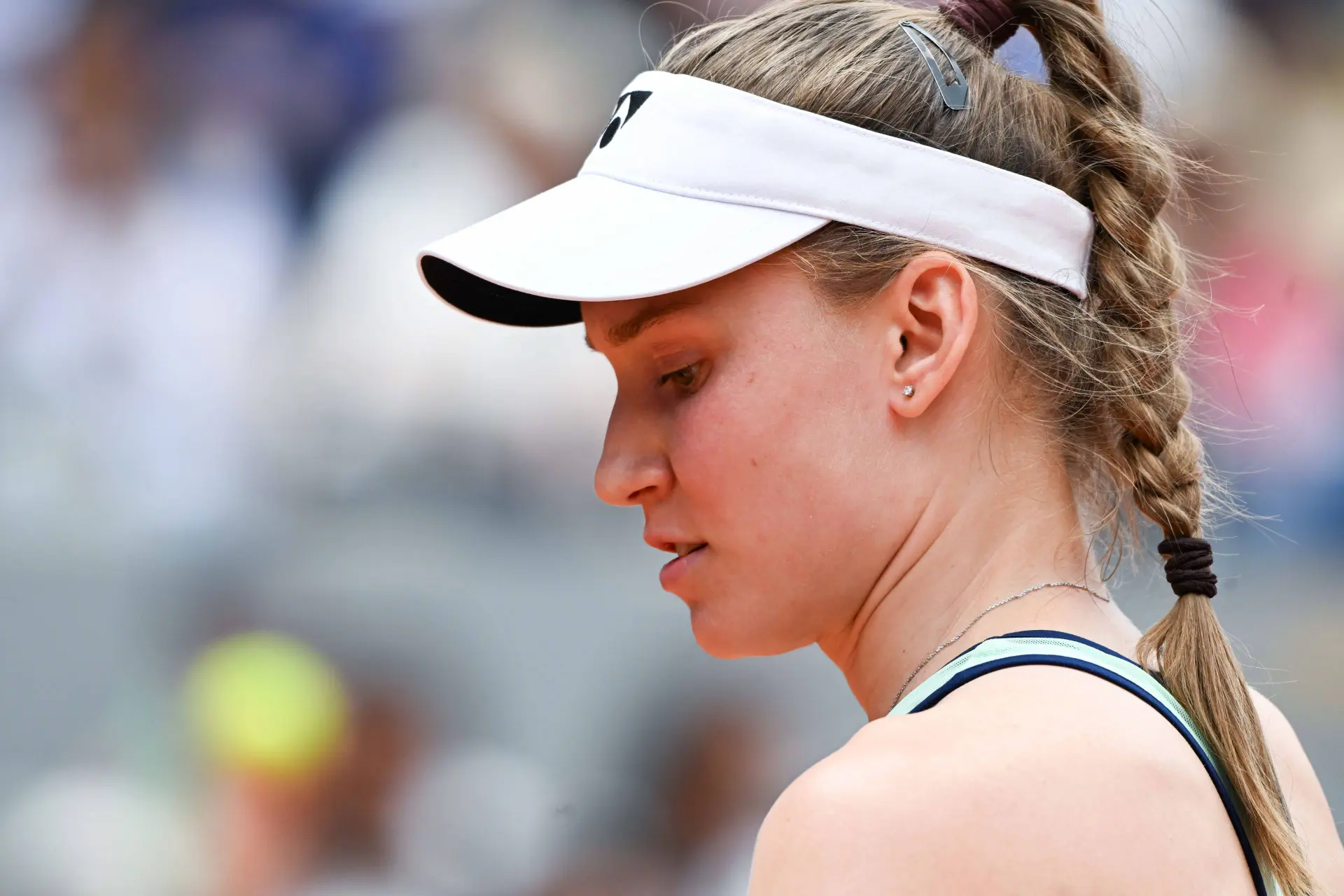
It was a huge step for the Belgian, whose bond with Azarenka is very high. "That was really special, because I never believed it was possible to combine coaching a top player with a good, balanced family life. That was super important for me.
Vika also believed in my coaching style so much — that’s why, after she gave birth, I went back, because we had such a great partnership. I really enjoyed that time.
What has changed in women's tennis
Fissette pointed out two 'crucial' components in women's tennis that has changed over 10 years. "First, the serve — every player now has a big first serve, and a break really means a break," Fissette said. "Ten years ago, that wasn’t always the case, except maybe when you played Serena (Williams)."
He also touched on the growing physicality of the top players, citing big hitters who can return powerful shots. "Second, the game has become so physical. Players hit bigger, more spin, and even from defence, they can counterattack much quicker," he said. "Ten years ago, if you hit a big ball into the corner, it came back as a slice or loopy ball. Now players are so strong and fast from the corners.
Those two things have completely changed the game."
Managing schedule
Continuing on from this, he highlighted how much tennis is played today, noting Swiatek as one of the most active. This is why they work so hard on keeping her fit and fresh, allowing her rest when needed to prevent consequences from occurring.
"It’s a very important topic. We have a whole team around the player now," he said. "With Iga, I’m really fortunate — she’s monitored so well and tested daily. She plays more matches than almost anyone on tour, so it’s important that she gets her rest when she needs it, has shorter practice days when required, and that we push only when it’s time to push. That balance keeps her healthy physically and mentally. She also works with a sports psychologist, and together as a team, we make those decisions based on her physical and mental state — not on results alone."
Fissette was hugely impressed by Swiatek not just off the court, but off it as well. "Her intensity in practice is exactly the same as in matches. I saw that even before working with her.
What I’ve really learned, though, is how she manages the days between matches — especially at Grand Slams. After matches, she goes into full relaxation mode — to the park, to the beach — just switches off completely. That’s why she’s able to bring full focus again for the next match.
It’s something I’ll definitely advise future players: the ability to fully switch off is a superpower."
Swiatek's Wimbledon campaign
After enduring a slow start to the season, Swiatek had only reached one final and was tumbling down the rankings in 2025 as she headed to Wimbledon. Two weeks later, and she had added a sixth Grand Slam to her arsenal on a surface that she had not been highly touted on in the past.
Despite this, Fissette had a feeling something special was brewing. "Afterwards, it’s easy to say yes — but I did feel positive signals.
When I started with Iga, many Polish journalists asked, 'She’s great on clay, but what about grass?' I always believed she could do well there. Past champions weren’t just big hitters — they were great movers and thinkers, and Iga fits that.
"After working together for six months, I got to know her better. We trained in Mallorca after Paris, mixed work and rest, then played Bad Homburg.
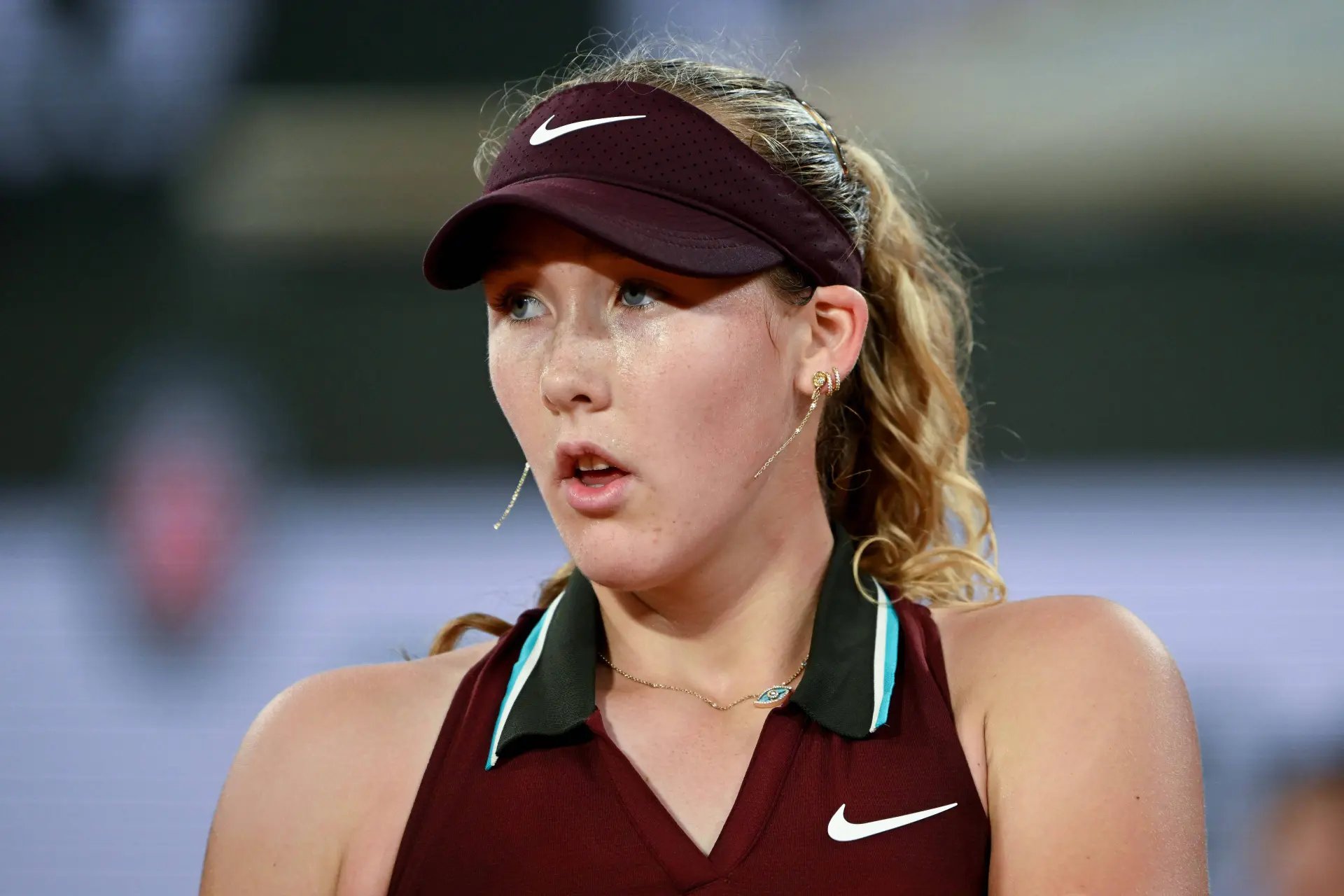
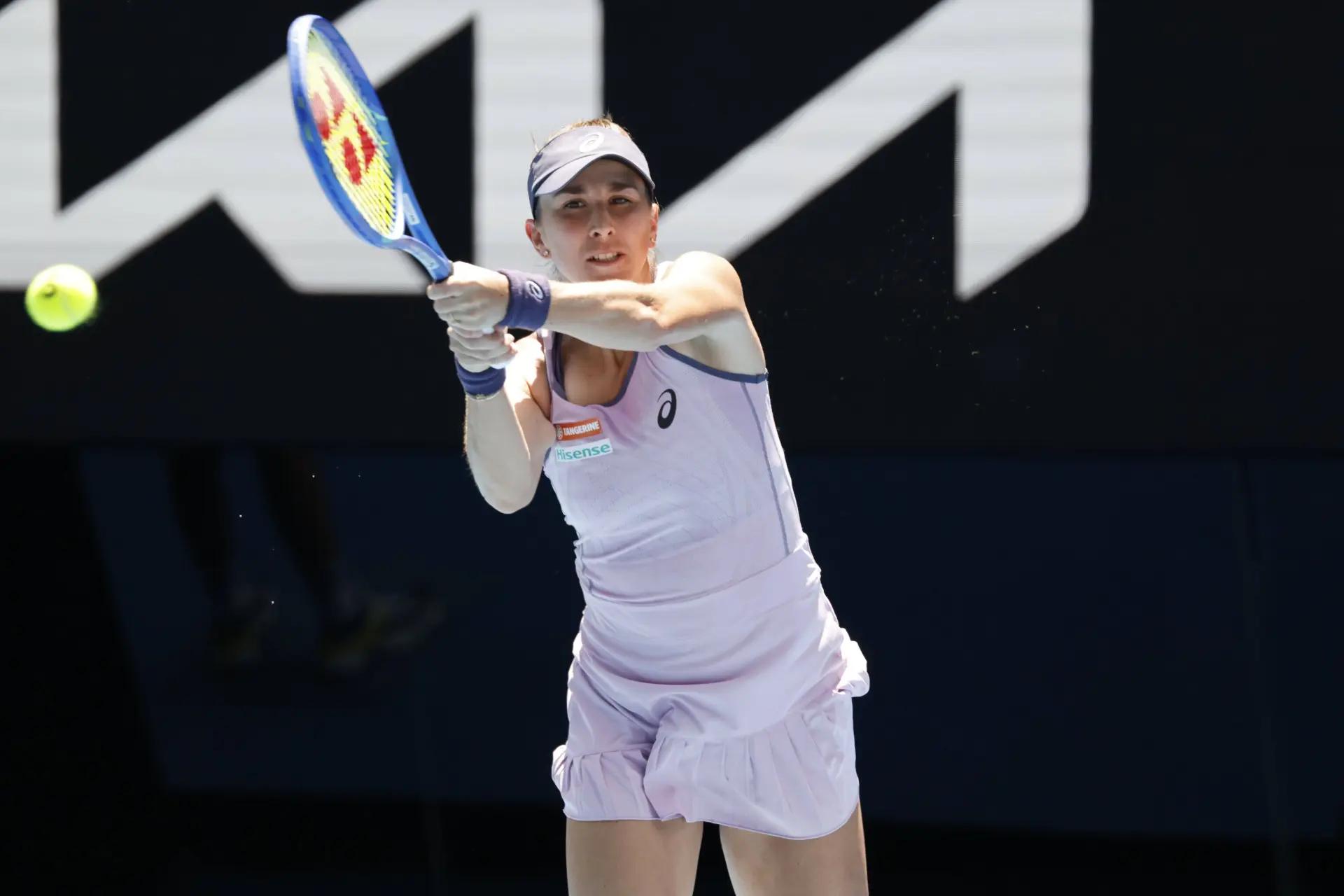
I saw her level growing match by match, her confidence building day by day. And when someone like Iga gains confidence like that, anything’s possible. Those last two matches — against Bencic and Alexandrova — were perfect performances. Watching them back still gives me chills."
Lucas MichaelTennis Journalist
Lucas Michael is a tennis journalist based in Cambridge, UK, specializing in comprehensive coverage of the ATP and WTA tours. For the past 1.5 years, he has been a core contributor to TennisUpToDate, where he has authored more than 3,000 data-driven match reports, deep-dive analysis pieces, and engaging liveblogs.
Lucas pairs real-time statistical analysis with on-the-ground reporting, frequently traveling to tournaments to cover the action firsthand from the press box and player press conferences. This blend of advanced metrics and direct access allows him to provide sharp context regarding player form, tactical trends, and breaking tour developments.
He holds a BA (Hons) in Sports Journalism. Grounded in core journalistic ethics, Lucas places a strict emphasis on meticulous sourcing, editorial accuracy, and a commitment to updating live content swiftly as verified information emerges.
claps 0visitors 0
Just In

Popular News
Latest Comments
- A healthy Qinwen may be hard to stop next season. She was already scaring her opponents before her medical leave(s). Unfortunately, Zheng insisted on singing again. On the positive side -- Mirra did not sing!! ;~}
 mandoist11-10-2026
 - Where is it written that athletes, entertainers... People in general... are mandated to keep looking at -- or even using [anti]Social Media? Public & private figures consistently complain and reveal their concerns about negativity and violence thrown at them -- yet they insist on participating. Avoid it, don't use it, don't read it. It's okay to occasionally look up at the World instead beating your eyes & thumbs to death on The Inventions out there.mandoist11-10-2026
- great articlestennisseserver07-10-2026
- Medvedev was leading Djokovic 7-5, 3-5 when an attempted return..' NO you ignorants, Djokovic was leading .weiss05-10-2026
- No more bullshit "Wildcards" to these two. Qualify like everyone else -- there will be cameras there, too. Time to scream... WTF ????!!!!mandoist29-09-2026
- Let's not BS the general public -- Sabalenka started showing cracks in her game last season. Her losses and near-losses started at about the same time she began being distracted by Fame (constant Selfies, making TV commercials, magazine shoots, endless Social Media nonsense, etc., etc.) One would think even Saba could recognize the parallels with others who failed before her -- Raducanu, Giorgi, Bouchard to name a few.mandoist25-09-2026
- Gross!! Hey Raducanu, Giorgi, and Bouchard -- reserve a seat at your Social Media Selfie table for Saba + Naomi. They're heading in your direction soon enough.mandoist24-09-2026
- And then these same players will complain about how lengthy their season’s were and need more time-off. I’m all for more tennis but the amount of tennis we get now is actually kind of crazy! We all need a break, especially the players.DaveyWavey23-09-2026
- You should do a comparison article for "different kinds of justice" the courts decide for tennis players. I can think of at least three players who received very small bans of a few months, however Tara Moore has been fighting for her literal survival the past few years. It seems odd considering she is not a "name" player, unlike the other cases.DaveyWavey22-09-2026
- PRIZE MONEY & POINTS Winner - $185,500 Finalist - $114,500 Semi-Finalist - $66,003 Quarter-Finalist - $35,000 Round of 16 - $18,045 Round of 32 - $13,005 Winner - 500 Finalist - 325 Semi-Finalist - 195 Quarter-Finalist - 108 Round of 16 - 60 Round of 32 - 1DaveyWavey20-09-2026

Loading