“It’s embarrassing compared to other sports”: Andy Roddick breaks down Roland Garros prize money controversy
ATP
Andy Roddick has addressed the growing dispute over prize money distribution at Roland Garros, as leading ATP and WTA players push for a higher share of tournament revenue under an internal initiative known as “Project Red Eye.”
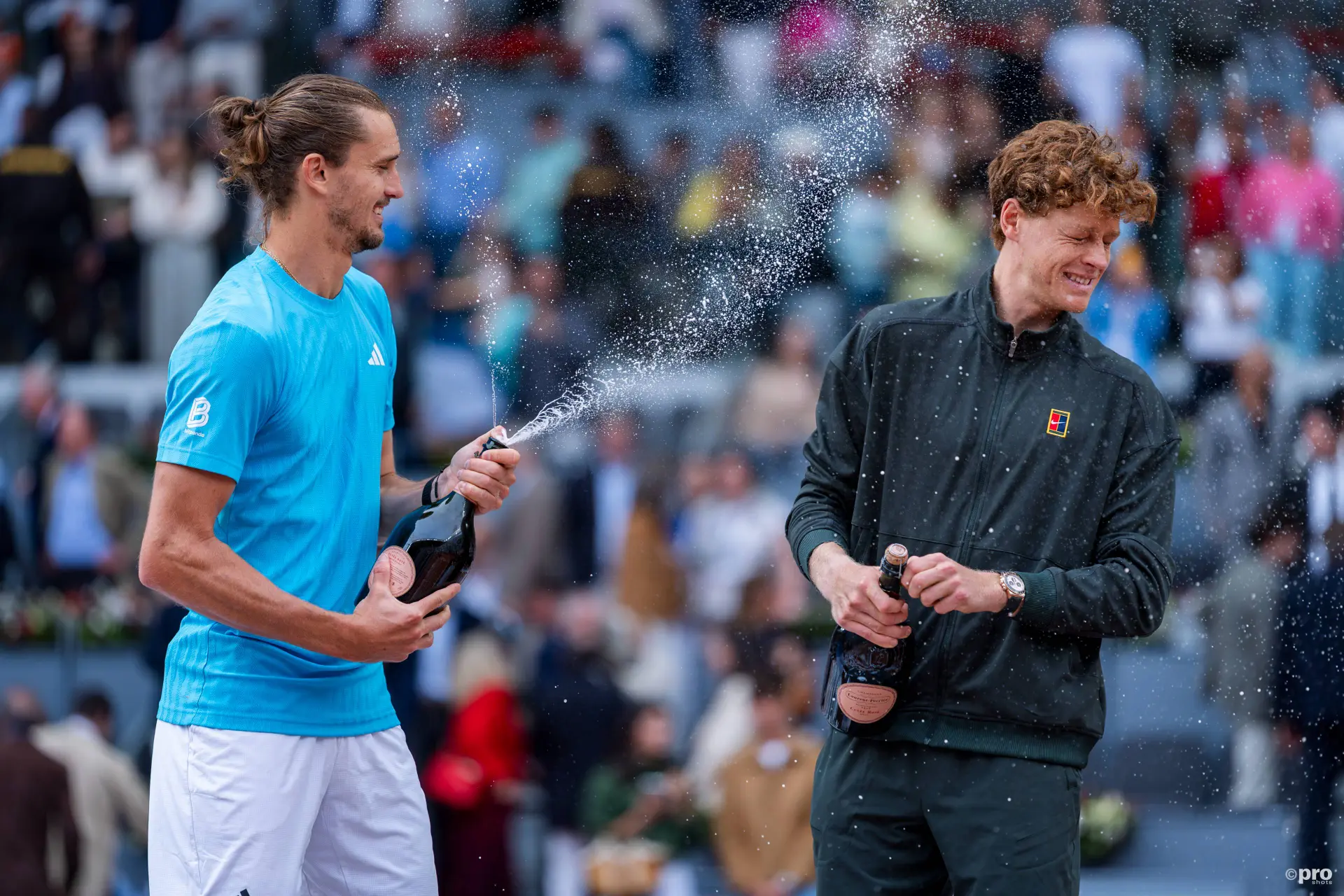
The group includes top names such as Jannik Sinner, Aryna Sabalenka, Iga Swiatek, Coco Gauff, Novak Djokovic, Carlos Alcaraz, Alexander Zverev, Jasmine Paolini and Alexander Bublik. They have expressed collective dissatisfaction with the current revenue structure and projected distribution for 2026.
At the centre of the discussion is a demand for a 22% revenue share by 2030, a level already applied in ATP and WTA 1000 events. Roland Garros prize money stands at 72.3 million, up 9.5% from 2025, while the player share is projected to decline to 15% in 2026 from 15.5% in 2024.
Speaking on Served, Roddick provided a detailed breakdown of the issue and the structural imbalance he believes exists in tennis compared with other professional sports.
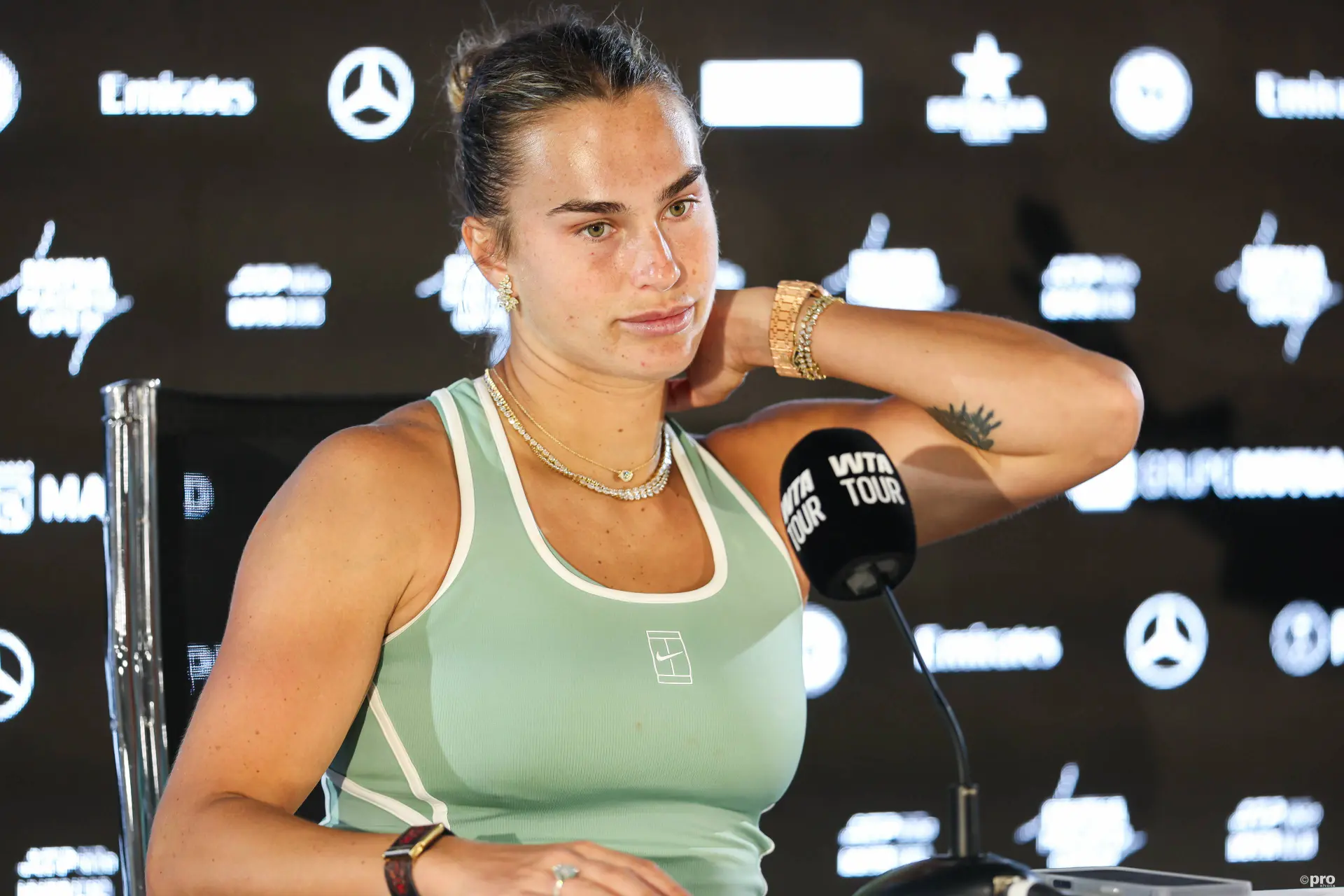
Revenue split and “embarrassing compared to other sports”
Roddick framed the dispute as a structural issue linked to how revenue is distributed in tennis compared with other sports leagues. He argued that the current model does not reflect proportional growth in the sport’s commercial success.
He referenced broader comparisons with other sports systems, stressing the gap in revenue participation despite rising tournament income. “If you’re the driver of revenue success and you’re not participating in that success on a year-to-year basis, if it’s not prorated based on growth and the comps to other sports is embarrassing in no uncertain terms, it’s embarrassing compared to other sports.”
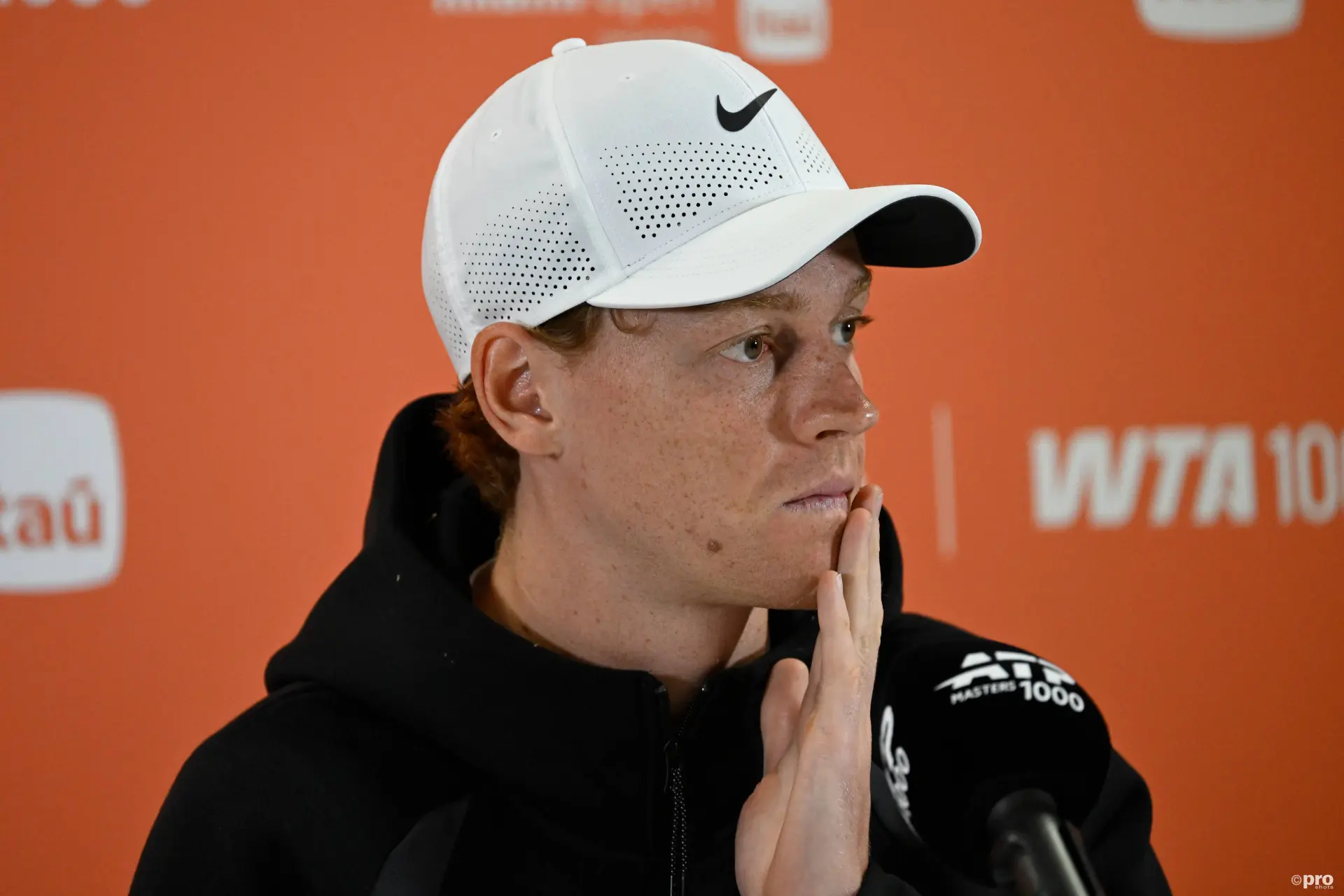
He added that the financial reality of lower-ranked players is significantly different from that of top athletes, despite public perceptions of wealth across the tour. “So yes, they’re rich and we play a game. That’s not real life for someone 90 in the world. That’s traveling, paying, and you’re not pulling down athlete salaries.”
Roddick also directly addressed the 22% demand, situating it within broader professional sports comparisons. “Just so we’re clear, the players are begging for a 22% share of revenue from Slams. The NBA went on strike on a 53–47 split.”
“At minimum, prize money has to grow on a prorated basis with that growth, at the bare minimum.”
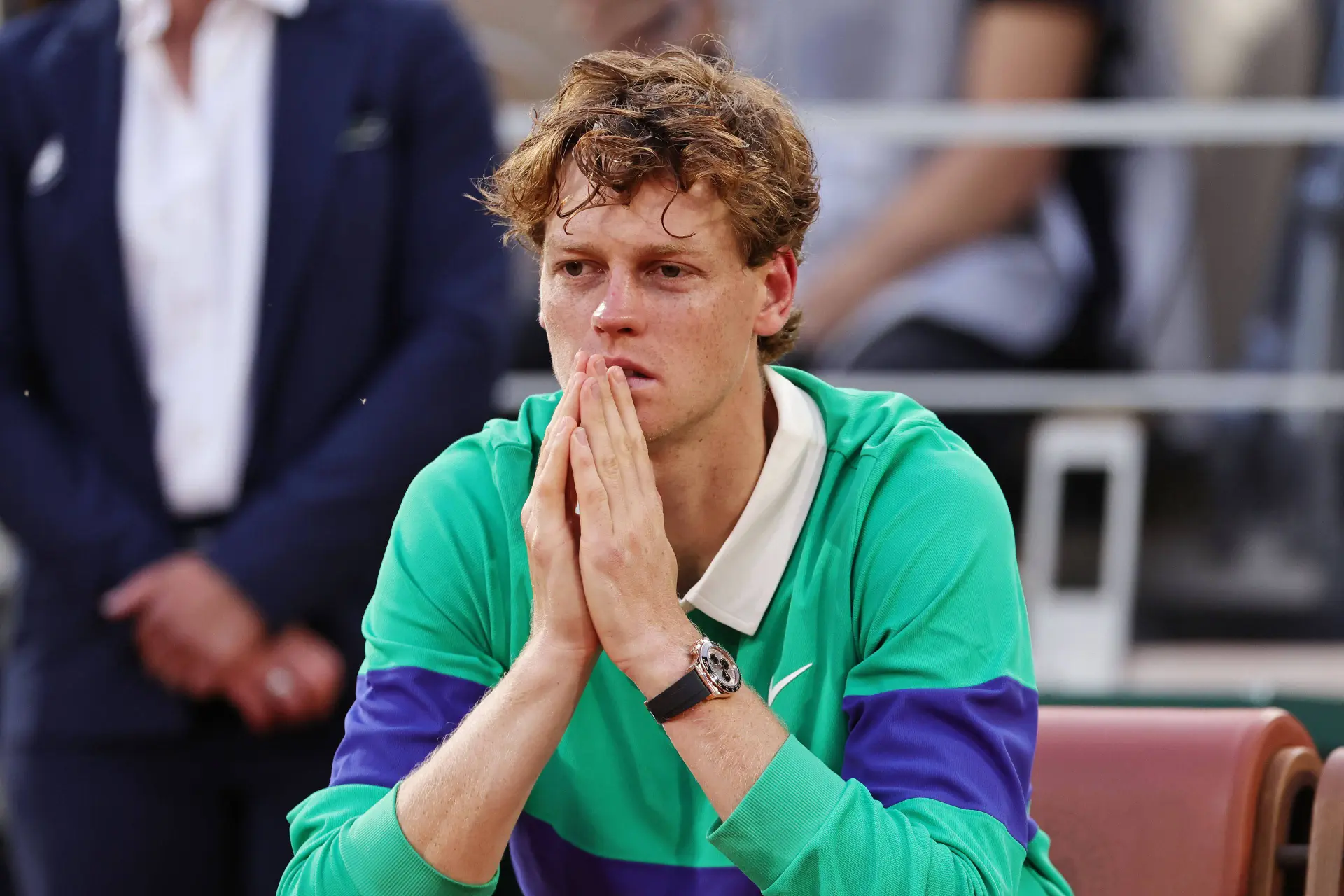
Sinner, Swiatek, Gauff and player leverage
Roddick highlighted the role of top players such as Sinner, Sabalenka, Swiatek, Gauff, Djokovic and Alcaraz in shaping the public and institutional visibility of the issue.
The former world No. 1 stressed that their earnings structure is not primarily dependent on prize money. “The top players don’t make the lion’s share of their money in prize money anyway. It’s endorsements. It’s done behind the white line.”
Roddick argued that their participation in the debate is less about personal financial gain and more about systemic visibility.
“When Novak talks about it, it’s not because Novak needs more money. If Novak talks about it, it gets press. Press builds pressure. People need to know what’s happening,” the 2003 US open champion added. “When you hear Coco Gauff talking about it, it’s not because she needs money and it’s not because she’s greedy. She’s like the most mature human I’ve ever seen at that age.”
Read also
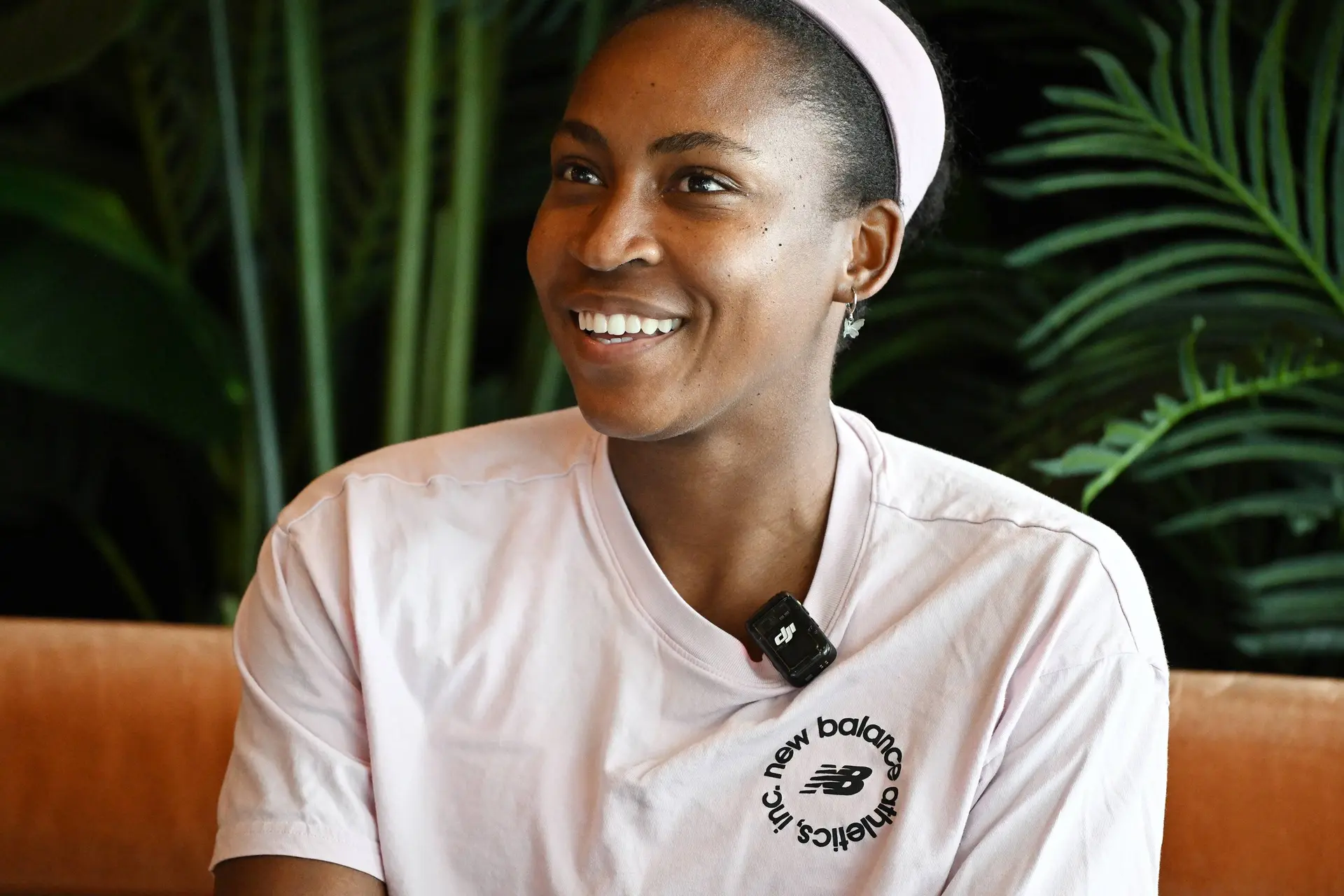
He also underlined the importance of top-player advocacy for lower-ranked competitors. “If she doesn’t talk about it, the person who is 90 in the world doesn’t get the benefit of it.”
“They’re advocating for someone who is 90 in the world who is still worried about the cost of expenses. Forget about going to 250 in the world where you’re not making a living at any scale at all.”
Welfare demands and structural debate
Beyond prize money, the “Project Red Eye” discussion includes broader welfare-related demands such as pensions, long-term health insurance and maternity leave provisions.
Roddick questioned the historical absence of such commitments within Grand Slam structures. “It’s welfare demands, right? You know, they want them to commit to pensions, long-term health insurance, and maternity leave. Have you heard that the Slams should contribute to healthcare before?”
He concluded that the debate is not primarily about elite earnings, but about structural sustainability across the sport. “These aren’t selfish, terrible people. They’re advocating for someone coming behind them. They’re advocating for a 15-year-old who is going to be 150 and actually be able to make a living hopefully in five or eight years.”

Cristhián AvilaTennis Journalist
Cristhián Ávila is a tennis journalist based in Santiago, Chile, and has been part of the TennisUpToDate team since early 2023. He covers the ATP and WTA Tours as well as all four Grand Slams, producing breaking news, match reports, analysis, and regular liveblogs from major tournaments.
His reporting combines statistical analysis with clear explanation, helping readers understand tactical developments, player form, and broader storylines across the tour. Working fluently in both Spanish and English, Cristhián collaborates with an international editorial team and contributes to comprehensive global coverage. As part of his work, he has conducted interviews and media interactions with leading figures in the sport, including Caroline Wozniacki and John McEnroe.
In his journalism, Cristhián places strong emphasis on careful sourcing, editorial accuracy, and updating articles promptly when new, verified information becomes available. His coverage is grounded in research, context, and direct engagement with professional tennis.
claps 1visitors 1
Just In

Popular News
Latest Comments
- Does Sinner need that 4.5 mil? I doubt it. He can make that with three modelling gigs!😅🤣Rapunzel21-10-2026
- Did "People Magazine" purchase this website? This nonstop storyline is bullshit.
 mandoist21-10-2026
 - Listen... this is of no concern to anyone but these two. Deal with your own issues -- most of us have our own. Thanks, media, for these insignificant follow-ups which are meaningless.mandoist21-10-2026
- This is so very very sad, for all three of them. I truly thought they had an unbreakable bond, but life throws up so many differing challenges. Having your homeland suffering in such a terrible way, makes happiness lose out to guilt as well. Our thoughts are with them. X💔bjsexton20-10-2026
- I have lost all respect for Svitolina! Could she not have waited until he had played at the Paris Masters!!! She is selfish and don't give a damn about Gael. That is NOT how love is demonstrated Elina!!Rapunzel19-10-2026
- Perhaps convenient tennis tour sex is not a strong enough experience in which to base a marriage?mandoist19-10-2026
- Fight the Good Fight... Tennis (sports in general) need more Humans such as yourself.mandoist18-10-2026
- When is WTA going to mandate Genetic Testing (DNA) ???mandoist18-10-2026
- Hey, Dan... you just wake up from a coma? Regardless -- Thanks for the comedy this morning!mandoist18-10-2026
- Two Things: 1. Stop allowing these Spoiled Trust-Fund Elitists to behave badly. Your little hand-slaps do not deter them. 2. STOP the incessantly annoying "towel wiping" nonsense!!!!mandoist15-10-2026

Loading