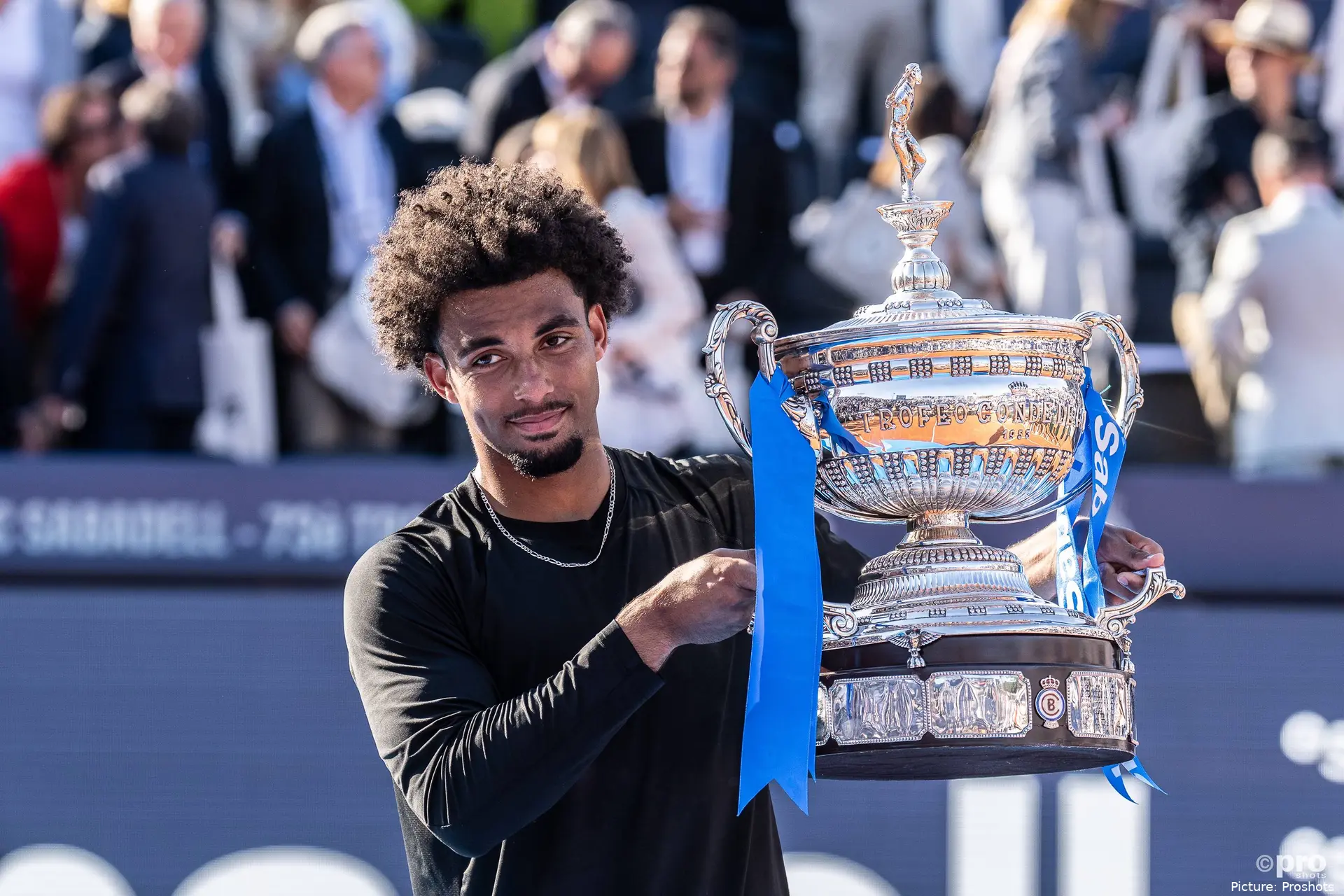
Arthur Fils extended his winning run on clay with a three-set victory over Ignacio Buse at the Madrid Open, but his post-match assessment centred on the structure of the tour. The 21-year-old, fresh off his ATP 500 title in Barcelona, described the current Masters 1000 format as excessively long and physically demanding for players.
Fils edged Buse 6-7(4), 7-6(3), 7-5 in a second-round contest that required sustained physical and tactical adjustments. The result improved his 2026 record to 19-5 since returning from a back injury, reinforcing his consistency during the clay swing. His Barcelona title run included wins over Lorenzo Musetti, Rafael Jodar and Andrey Rublev.
Despite the positive momentum, Fils used the opportunity to question the scheduling of extended Masters 1000 events, which now run across twelve days. His comments reflect a broader discussion within the tour regarding workload, recovery, and competitive balance, particularly during the dense clay-court segment leading into Roland Garros.
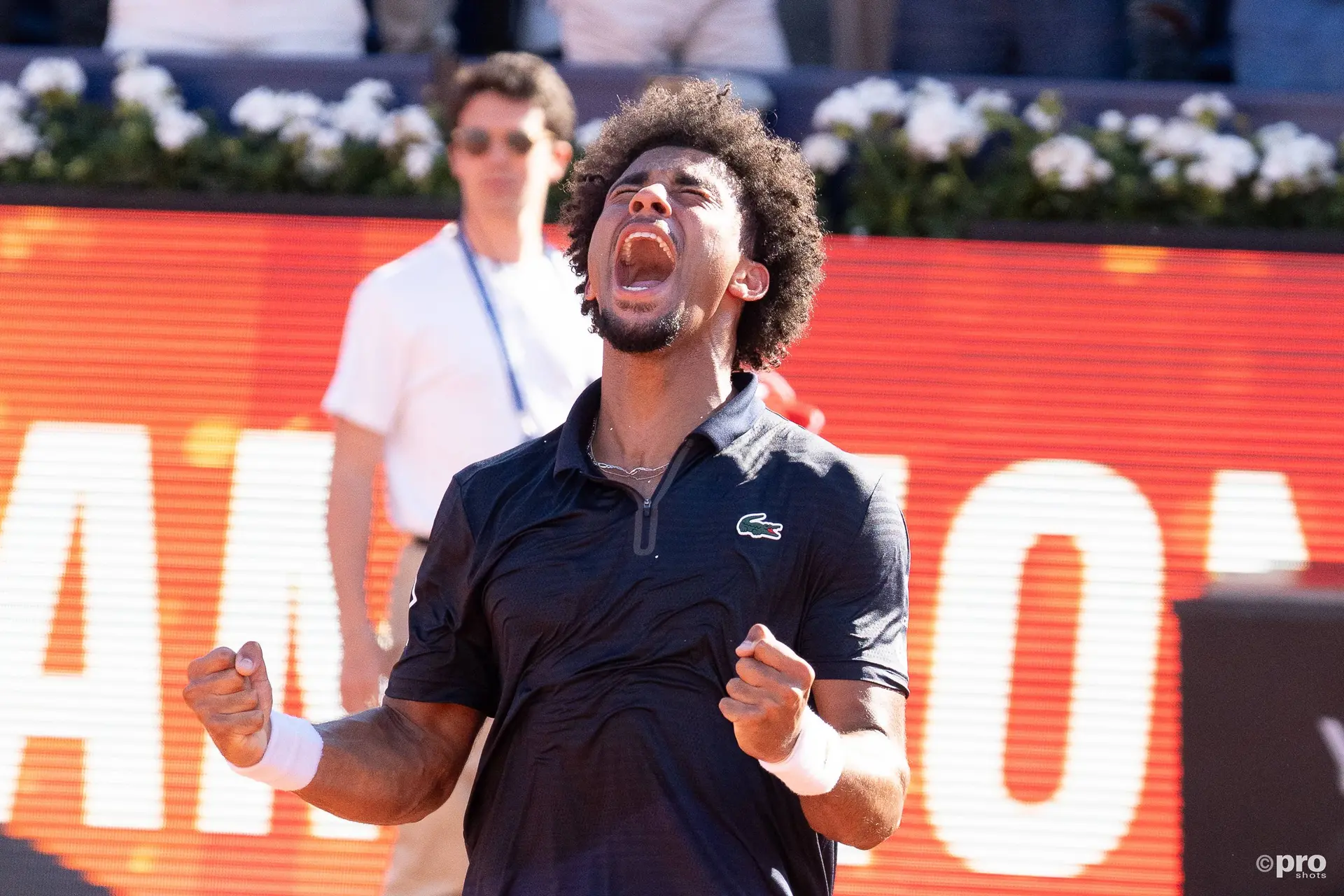
The Frenchman also addressed the emotional dimension of his comeback victory, acknowledging visible frustration during the match. A racket smash after losing the opening set underlined the intensity of the contest, though Fils framed it as part of the competitive process that ultimately allowed him to reset and improve his level in the decisive stages.
Masters 1000 format under scrutiny
Fils’ critique focused on the expansion of Masters 1000 tournaments into two-week events, a format now adopted by multiple stops on the calendar, including Madrid. He contrasted this structure with traditional one-week tournaments such as Monte Carlo or Paris, which he considers more efficient from a player perspective.
“I prefer one week. Two weeks is too much,” Arthur Fils stated in an interview with L’Equipe. “Twelve days is almost like a Grand Slam. It’s too much.”
He also pointed to the overlap with Challenger-level events, suggesting that the distribution of ranking opportunities across the calendar creates additional imbalance during these extended tournaments.
“And then, in the middle of that tournament, you have a Challenger 175 where you can win a lot of points. I don’t think it’s good. Maybe it’s good for the tournaments, for ticket sales, they probably make more money. But for us players, I don’t think it’s good.”
Fils added that while he recognises the commercial incentives behind the format, the current structure does not align with player preferences, particularly given the demands of back-to-back events on clay.
“I think we all like Masters 1000 tournaments like Monte Carlo or Paris, where everything is decided in one week. I don’t know if they can change the format, I’m not sure. But yes, it’s too long.”
Tactical adjustments and managing frustration
On court, Fils was forced into a reactive role after dropping the first set in a tiebreak, despite leading 4-2 earlier. The shift required both tactical recalibration and emotional control, areas he identified as decisive in turning the match around against a lower-ranked but competitive opponent. “It was a real battle against a very good player. I had to push myself to the limit, change my tactics. It wasn’t easy.”
He acknowledged that frustration became part of the process, particularly as momentum shifted late in the first set. “There was some frustration, some annoyance. But that’s part of the match. It’s part of a big fight like that. It’s normal. I would have preferred not to get frustrated, but that’s how it is.”
The visible frustration culminated in a racket smash, which Fils later described as directed at his own performance rather than his opponent. “It wasn’t necessarily because of his game; it was more about myself,” the Frenchman explained. “Sometimes you expect to play at a very high level, to chain great rallies and find solutions immediately.”
That moment also marked a turning point in the match, allowing him to reset mentally before the second set and gradually raise his level through the remainder of the contest. “You feel like you have the first set under control, you’re up 4-2, 15-0, and suddenly he hits a passing shot and you lose concentration. These things happen. It’s better not to break a racket, of course. But today, it helped me release everything. I had to let it out.”
Momentum and next challenge in Madrid
The victory maintains Fils’ upward trajectory during the clay swing, with his recent performances indicating increasing comfort on the surface. His 19-5 record since returning from injury reflects both consistency and adaptability, particularly in longer matches requiring physical resilience and tactical flexibility.
As the No. 21 seed, Fils now faces Emilio Nava for a place in the round of 16. He enters the match as the highest-ranked player remaining in his section of the draw following the early exit of Ben Shelton, opening a potential path toward the latter stages of the tournament.

Cristhián AvilaTennis Journalist
Cristhián Ávila is a tennis journalist based in Santiago, Chile, and has been part of the TennisUpToDate team since early 2023. He covers the ATP and WTA Tours as well as all four Grand Slams, producing breaking news, match reports, analysis, and regular liveblogs from major tournaments.
His reporting combines statistical analysis with clear explanation, helping readers understand tactical developments, player form, and broader storylines across the tour. Working fluently in both Spanish and English, Cristhián collaborates with an international editorial team and contributes to comprehensive global coverage. As part of his work, he has conducted interviews and media interactions with leading figures in the sport, including Caroline Wozniacki and John McEnroe.
In his journalism, Cristhián places strong emphasis on careful sourcing, editorial accuracy, and updating articles promptly when new, verified information becomes available. His coverage is grounded in research, context, and direct engagement with professional tennis.
claps 0visitors 0
Just In



Popular News
Latest Comments
- Lena... Takin' care of business
 mandoist25-10-2026
 - Can you please stop publishing this nonsense? Stick to Tennis.mandoist25-10-2026
- Does Sinner need that 4.5 mil? I doubt it. He can make that with three modelling gigs!😅🤣Rapunzel21-10-2026
- Did "People Magazine" purchase this website? This nonstop storyline is bullshit.mandoist21-10-2026
- Listen... this is of no concern to anyone but these two. Deal with your own issues -- most of us have our own. Thanks, media, for these insignificant follow-ups which are meaningless.mandoist21-10-2026
- This is so very very sad, for all three of them. I truly thought they had an unbreakable bond, but life throws up so many differing challenges. Having your homeland suffering in such a terrible way, makes happiness lose out to guilt as well. Our thoughts are with them. X💔bjsexton20-10-2026
- I have lost all respect for Svitolina! Could she not have waited until he had played at the Paris Masters!!! She is selfish and don't give a damn about Gael. That is NOT how love is demonstrated Elina!!Rapunzel19-10-2026
- Perhaps convenient tennis tour sex is not a strong enough experience in which to base a marriage?mandoist19-10-2026
- Fight the Good Fight... Tennis (sports in general) need more Humans such as yourself.mandoist18-10-2026
- When is WTA going to mandate Genetic Testing (DNA) ???mandoist18-10-2026

Loading