“Not recognising it is a historic mistake”: Mats Wilander backs Guillermo Vilas’ claim to world No. 1
ATPTuesday, 10 February 2026 at 08:30
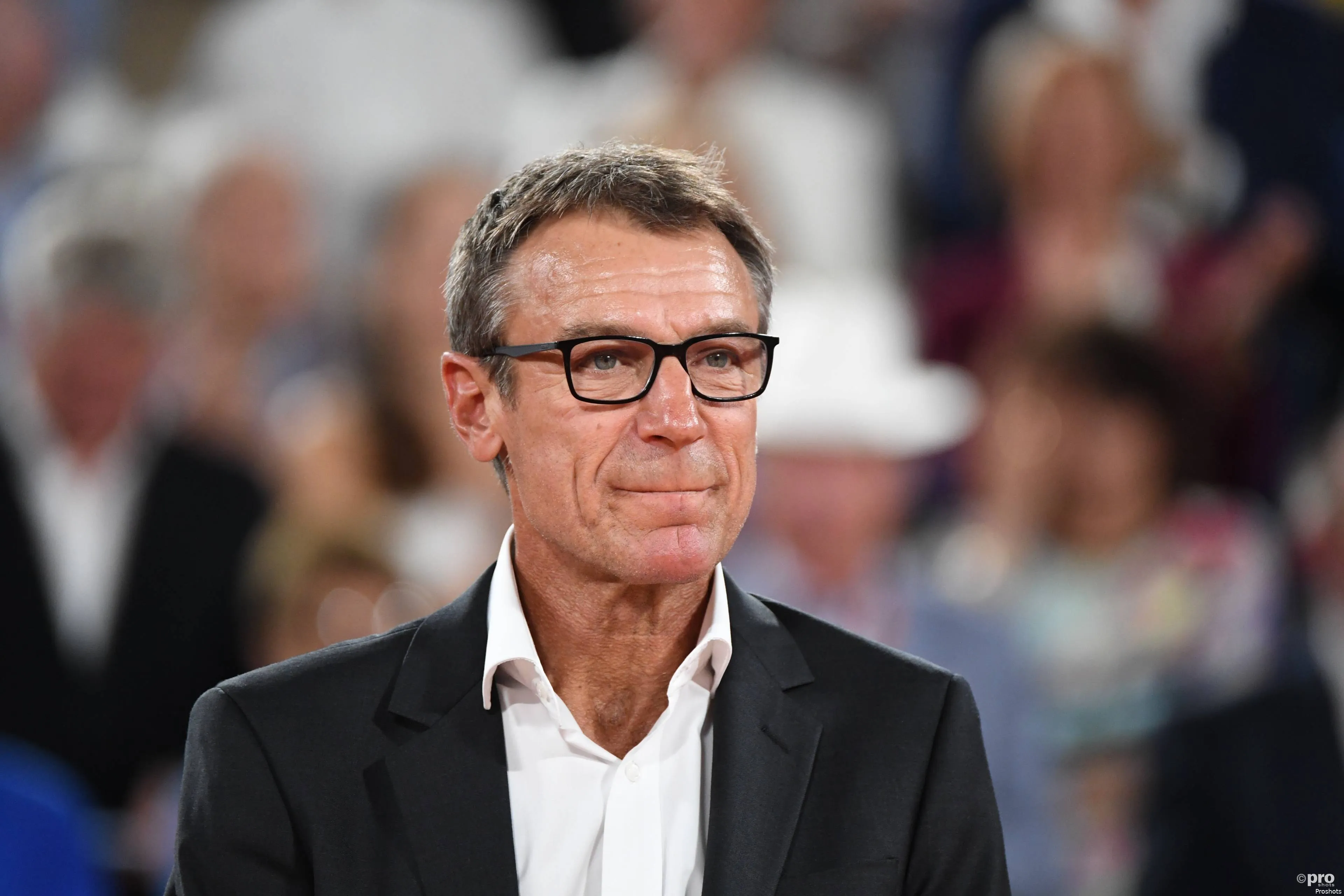
Mats Wilander has urged the ATP to retroactively recognise Guillermo Vilas as a former world No. 1, arguing that delaying a decision only deepens an error that has already lasted decades.
Vilas has been absent from public life for years, but the debate around his place in tennis history has never been louder. As the Argentine legend battles a neurodegenerative illness, calls to correct what many see as a historic injustice are growing stronger — and now include one of the sport’s most respected voices.
“Every day that passes without correcting this is a greater injustice, especially considering his health. Tennis owes a great deal to Vilas,” Wilander said in an interview with CLAY during the Australian Open, where he was working as a commentator for Eurosport.
Wilander, who himself spent 20 weeks at No. 1 in the late 1980s, was unequivocal in his assessment of the evidence supporting Vilas’ claim. “If there is evidence that Guillermo Vilas was world number one, not recognising it is a historic mistake,” the seven-time Grand Slam champion added.
What gives Wilander’s intervention added weight is not only his stature in the sport, but the urgency of his message. Vilas’ health has deteriorated significantly in recent years due to Alzheimer’s disease, and he has been largely absent from public appearances. For Wilander, this reality makes the ATP’s inaction even harder to justify.

A case built on years of research
The “evidence” Wilander refers to is not new, nor is it speculative. It is the result of years of detailed research led by Argentine journalist Eduardo Puppo, who recalculated the rankings of the 1970s — a period when the ATP ranking system was far from standardised and multiple circuits coexisted.
Puppo’s work concludes that Vilas should have been ranked world No. 1 for at least five weeks in 1975 and two more in 1976, during the peak of Jimmy Connors’ dominance. His findings were so comprehensive that they became the basis of a Netflix documentary, "Guillermo Vilas: Settling the Score", which brought the issue to a global audience.
Crucially, Puppo did not merely publish his conclusions. He submitted a formal request to the ATP, asking the governing body to review the data and retroactively correct the rankings. That request has been consistently rejected.

A precedent the ATP has ignored
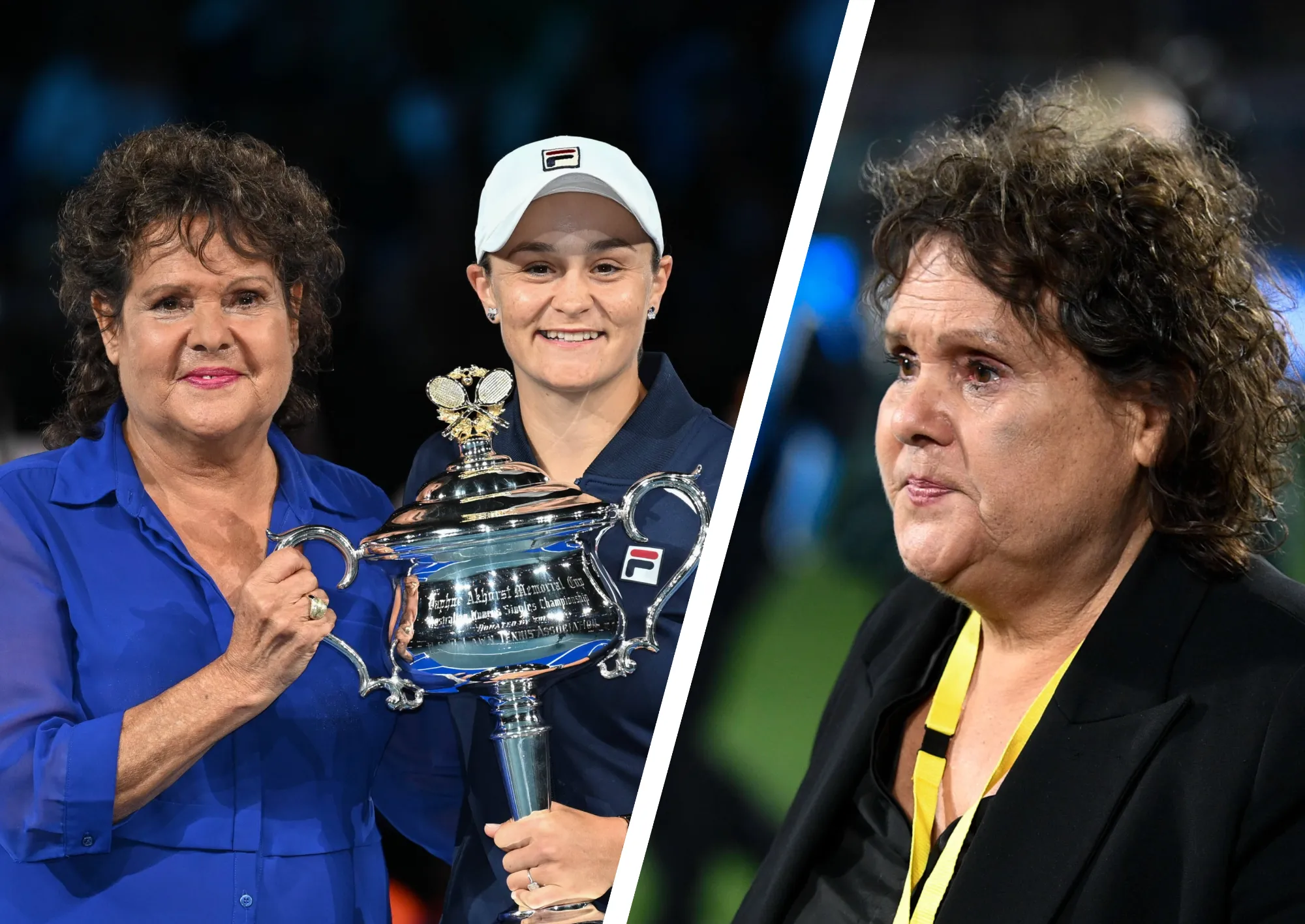
For supporters of Vilas, the refusal is all the more frustrating because a clear precedent already exists. In 2007, the WTA acknowledged that Evonne Goolagong should have been ranked world No. 1 in 1976, revising its historical records to reflect updated calculations that placed her ahead of Chris Evert.
The ATP, however, has shown no willingness to take a similar step. As a result, Vilas remains the only four-time Grand Slam champion in men’s tennis never officially recognised as world No. 1 — a statistic that continues to jar with both historians and former players.
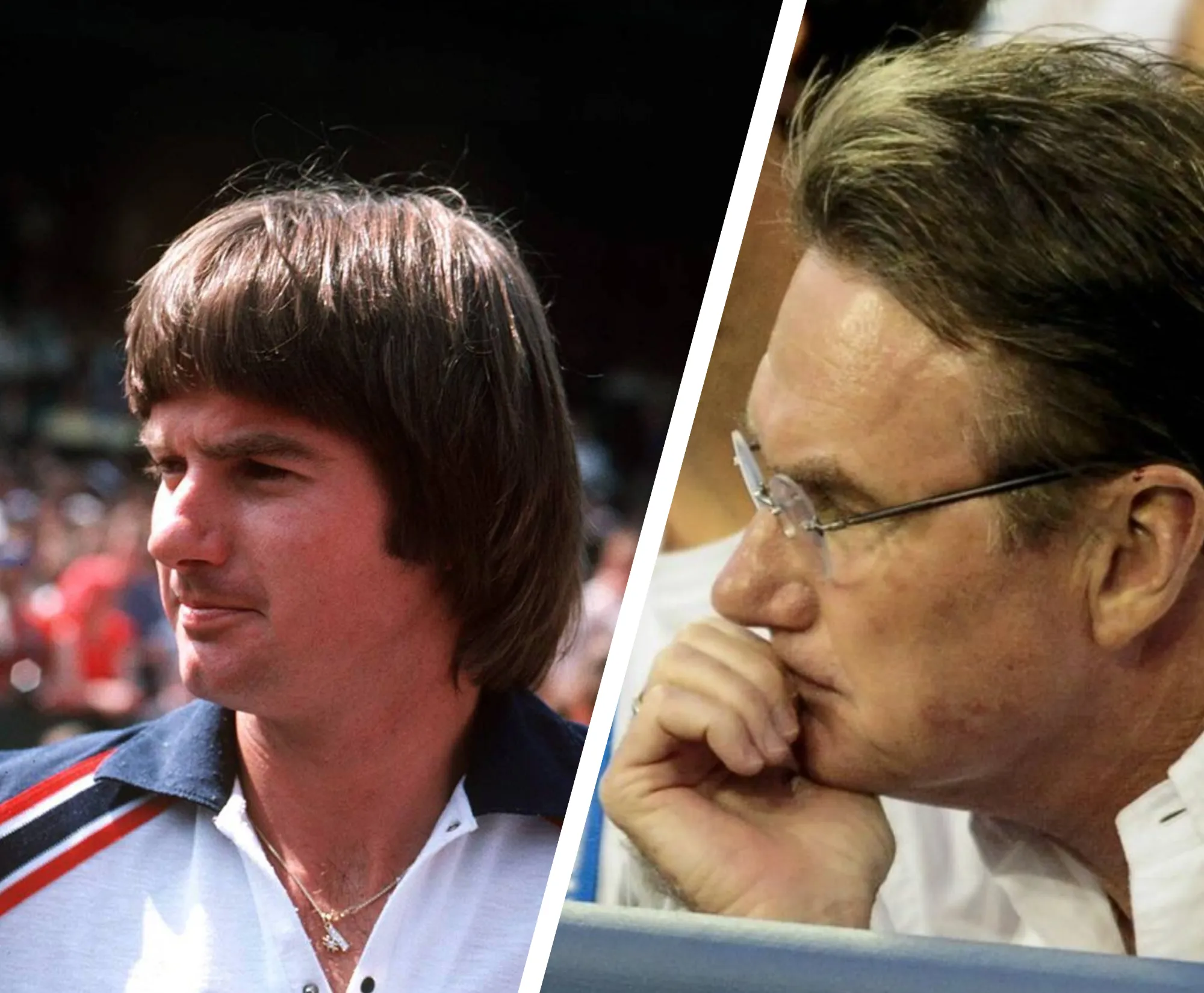
Guillermo Vilas’ career numbers and historical standing
The Argentine played professionally between 1968 and 1992, winning a total of 62 titles and finishing runner-up on 42 occasions.
His best years came between 1977 and 1979. He won four Grand Slam titles, and there was a moment when he even held three of the previous four Grand Slam titles — after winning the French Open and the US Open in 1977, and the Australian Open in 1978. However, his best ranking ever was world No. 2 — first achieved in 1975 — a position he held for a total of 83 weeks throughout his career.
Read also

Vilas is one of the greatest legends on clay courts, ranked No. 3 on the surface in history according to The Telegraph, behind only Rafael Nadal (14-time Roland Garros champion) and Björn Borg (six-time Roland Garros champion). The Argentinian won 49 clay-court titles and achieved more than 650 victories in the surface.
Arguably, some names could be added to the discussion, such as players who won three French Open titles — including Novak Djokovic, Ivan Lendl, Gustavo Kuerten, or Wilander himself.
Vilas’ achievements on court are beyond dispute: multiple Grand Slam titles, a relentless work ethic, and a profound influence on generations of players who followed him, particularly in South America. Yet the absence of an official world No. 1 ranking remains a glaring omission in his résumé.
For Wilander, the solution is straightforward. The data exists. The precedent exists. What is missing, he suggests, is the will to act. As the years pass, the opportunity to make that recognition meaningful to Vilas himself continues to slip away — a reality that, in Wilander’s words, turns delay into injustice.
Guillermo Vilas – Grand Slam Singles Finals
(8 appearances: 4 titles, 4 runner-ups)
| Year | Tournament | Surface | Result | Opponent | Score |
| 1975 | French Open | Clay | Runner-up | Björn Borg | 2–6, 3–6, 4–6 |
| 1977 | Australian Open (Jan.) | Grass | Runner-up | Roscoe Tanner | 3–6, 3–6, 3–6 |
| 1977 | French Open | Clay | Champion | Brian Gottfried | 6–0, 6–3, 6–0 |
| 1977 | US Open | Clay | Champion | Jimmy Connors | 2–6, 6–3, 7–6(7–4), 6–0 |
| 1978 | French Open | Clay | Runner-up | Björn Borg | 1–6, 1–6, 3–6 |
| 1978 | Australian Open | Grass | Champion | John Marks | 6–4, 6–4, 3–6, 6–3 |
| 1979 | Australian Open | Grass | Champion | John Sadri | 7–6(7–4), 6–3, 6–2 |
| 1982 | French Open | Clay | Runner-up | Mats Wilander | 6–1, 6–7(6–8), 0–6, 4–6 |
claps 0visitors 0
Just In



Popular News

Latest Comments
- Someone tell those two bored, jobless people that PRO-TENNIS IS NOT YOUR PERSONAL F'ING TOY !!!
- Hopefully, she does not come back.
- Sure she sees her tennis as a job now, thanks to her groomer
- Eala beat Havlichova, a Czech, in 2022 US OPEN Juniors
- A certain sponsor-laden British girl could use his mental help.
- Causing a serious player to lose her spot is unfair and unwanted. Pathetic is all one can say anymore.
- Big talk coming from someone who can barely roll herself out of bed each day.
- In all fairness, people should stop lifting Emma up so high on their imaginary pedestals. There is no shame in being a Top 30 or Top 25 player; Masters wins or not. On the other hand, Emma cannot keep a coach and/or trainer. Instead she offers what seems like psychobabble reasoning/excuses for each firing in her team. Place the hype and pretense on the shelf. If she is competitive from time to time sponsors are likely to hang-in there with Emma. But enough is enough in the 'make her what she is not' department.
- Bencic must not feel comfrotable playing a male opponent?
- Even if they play the best 3 out of 5, the current women tennis players lack skills. They hit more balls off the court than on. It is disheartening to watch. Unlike the ATP, there is no solid top 10 in women tennis. It has been spiraling downward since after the Williams sisters, Henin, etc. era. That is when women tennis was at its best. Right now, it is unwatchable.


Loading