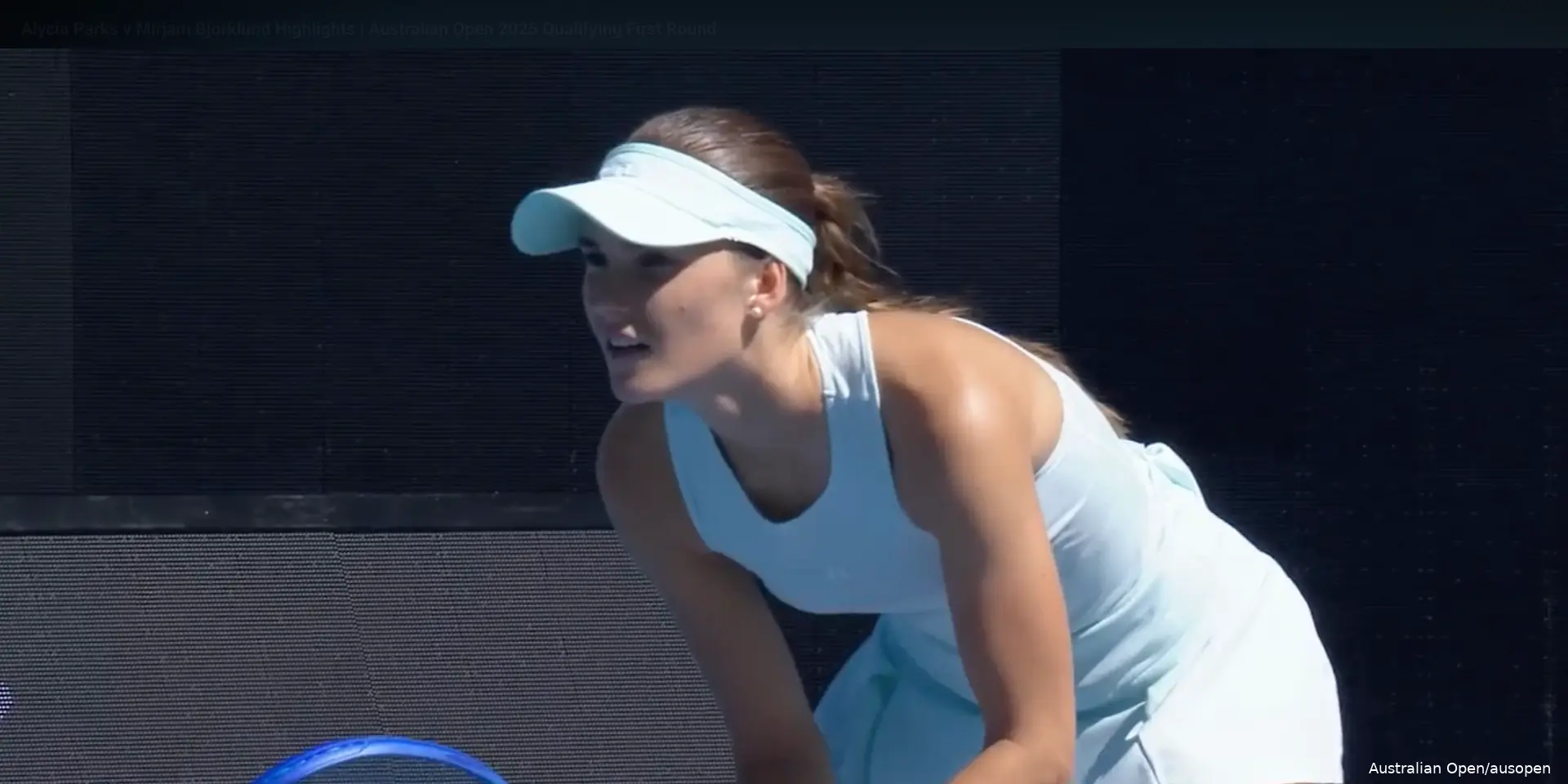
If you follow Swedish tennis closely, you probably felt this one. When Mirjam Björklund announced her retirement, it landed with more weight than a ranking might suggest. She wasn’t just another player stepping away. For a while, she looked like the one—the player who might carry Swedish women’s tennis back into relevance.
She reached a career-high of No. 123, hovered on the edge of bigger things, and, perhaps most importantly, gave Sweden something it has been missing: a clear line of succession.
Now that line is gone. Björklund’s decision, shaped in part by surgery to remove a cyst in her neck, closes that chapter earlier than anyone expected. At 27, she steps away having played her last match in Madrid qualifying in 2025, and moves into a different role in the sport alongside her husband, ATP star Denis Shapovalov.
And with that, Sweden’s rebuild feels a little more uncertain. Because the story now isn’t about one player almost breaking through. It’s about whether a group of younger players can do it collectively—or whether one of them can separate in time.
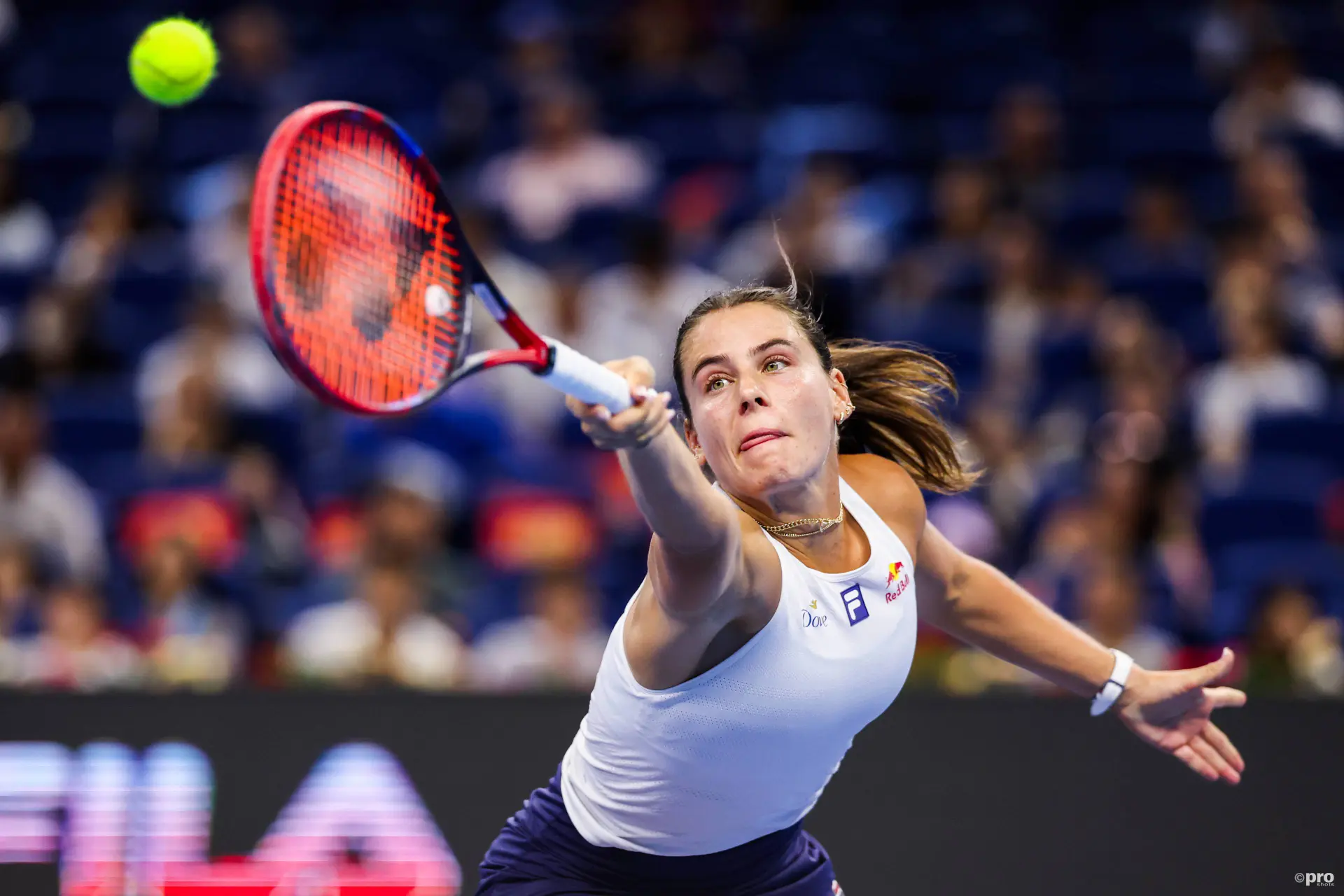
Right now, the names at the top—Kajsa Rinaldo Persson, Caijsa Wilda Hennemann, Lisa Zaar—are still there, still competing, still holding Sweden’s place on the map. But the real focus shifts just beneath them, to the players who are still early in their careers.
Lea Nilsson, still under 21, is one of the more intriguing prospects. There’s a steadiness to her game that suggests she’s being built the right way, not rushed. You don’t see wild swings in level as often. That matters more than it sounds.
Nellie Taraba Wallberg, also under 21, has had stretches where her level jumps—where you can see what it might look like if everything clicks. She’s not there yet, but the outline is visible.
Tiana Deng, again in that under-21 group, is part of the same conversation. Still adding strength, still learning how to close matches, still in that phase where the difference between a good week and a breakthrough run is razor thin.
Succession plan not easy to devise
This is where Sweden stands now. Not with a clear successor, but with possibilities. And that’s both encouraging and uncomfortable. Encouraging, because depth gives you chances. Uncomfortable, because tennis doesn’t reward depth unless someone rises out of it.
That’s what Björklund represented. She was the one most likely to make that jump—to turn a cluster into a movement. Without her, the burden shifts to players who are younger, less experienced, and still figuring out how to win at this level.
The next two or three years will tell us a lot. The likely path is incremental. A few players pushing into the top 150. More appearances in qualifying rounds turning into main draws. The kind of progress that doesn’t make headlines but changes trajectories.
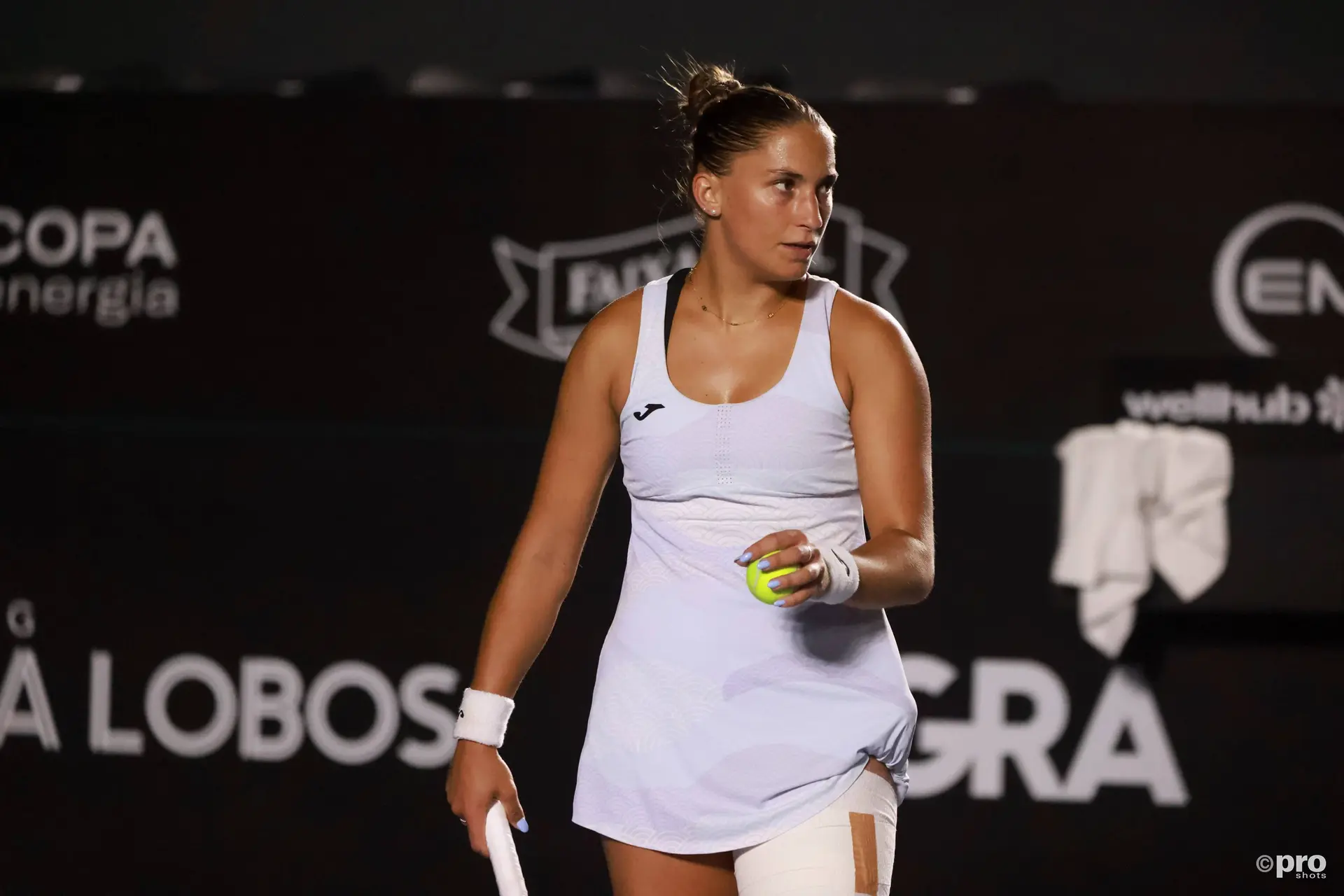
But if Sweden is going to move faster than that, it will come from one of the under-21 players taking a real step forward. Not just improving, but breaking through—winning matches they’re not supposed to win, staying in draws longer than expected, forcing their way into the conversation.
That’s how this changes. Because right now, Swedish women’s tennis isn’t starting from zero. It’s starting from a reset. The heir stepped away before the handoff was complete. Now the question is whether the next one is already in the system—or still a year or two away from emerging. Either way, the rebuild just got a little more real.
Aron SolomonGuest Author
A Pulitzer Prize-nominated journalist for his groundbreaking op-ed in The Independent exposing the NFL’s “race-norming” policies, Aron Solomon, JD, is a globally recognized thought leader in law, media, and strategy.
As Chief Strategy Officer for AMPLIFY, he leverages his deep expertise to shape the future of legal marketing. Aron has taught entrepreneurship at McGill University and the University of Pennsylvania and was honored as a Fastcase 50 recipient, recognizing him among the world’s top legal innovators. A prolific commentator on law, business, and culture, his insights regularly appear in Newsweek, The Hill, Crunchbase News, and Literary Hub.
He has also been featured in The New York Times, Fast Company, Fortune, Forbes, CBS News, CNBC, USA Today, ESPN, TechCrunch, BuzzFeed, Venture Beat and countless other leading global media outlets. We are proud to have Aron on board at TennisUpToDate, where his deep tennis expertise enriches the site with sharp, original columns that connect the sport to wider cultural debates.
claps 0visitors 0
Just In



Popular News
Latest Comments
- great articlestennisseserver07-10-2026
- Medvedev was leading Djokovic 7-5, 3-5 when an attempted return..' NO you ignorants, Djokovic was leading .weiss05-10-2026
- No more bullshit "Wildcards" to these two. Qualify like everyone else -- there will be cameras there, too. Time to scream... WTF ????!!!!
 mandoist29-09-2026
 - Let's not BS the general public -- Sabalenka started showing cracks in her game last season. Her losses and near-losses started at about the same time she began being distracted by Fame (constant Selfies, making TV commercials, magazine shoots, endless Social Media nonsense, etc., etc.) One would think even Saba could recognize the parallels with others who failed before her -- Raducanu, Giorgi, Bouchard to name a few.mandoist25-09-2026
- Gross!! Hey Raducanu, Giorgi, and Bouchard -- reserve a seat at your Social Media Selfie table for Saba + Naomi. They're heading in your direction soon enough.mandoist24-09-2026
- And then these same players will complain about how lengthy their season’s were and need more time-off. I’m all for more tennis but the amount of tennis we get now is actually kind of crazy! We all need a break, especially the players.DaveyWavey23-09-2026
- You should do a comparison article for "different kinds of justice" the courts decide for tennis players. I can think of at least three players who received very small bans of a few months, however Tara Moore has been fighting for her literal survival the past few years. It seems odd considering she is not a "name" player, unlike the other cases.DaveyWavey22-09-2026
- PRIZE MONEY & POINTS Winner - $185,500 Finalist - $114,500 Semi-Finalist - $66,003 Quarter-Finalist - $35,000 Round of 16 - $18,045 Round of 32 - $13,005 Winner - 500 Finalist - 325 Semi-Finalist - 195 Quarter-Finalist - 108 Round of 16 - 60 Round of 32 - 1DaveyWavey20-09-2026
- Pegula withdrew from this Singapore event
 tennishappens19-09-2026
 - Serena Williams chose her tournaments. It's not such a bad idea.MuswellHillbilly17-09-2026

Loading