COLUMN - The WTA’s next great investment isn’t another sponsor, it’s the entrepreneurs already on tour
WTA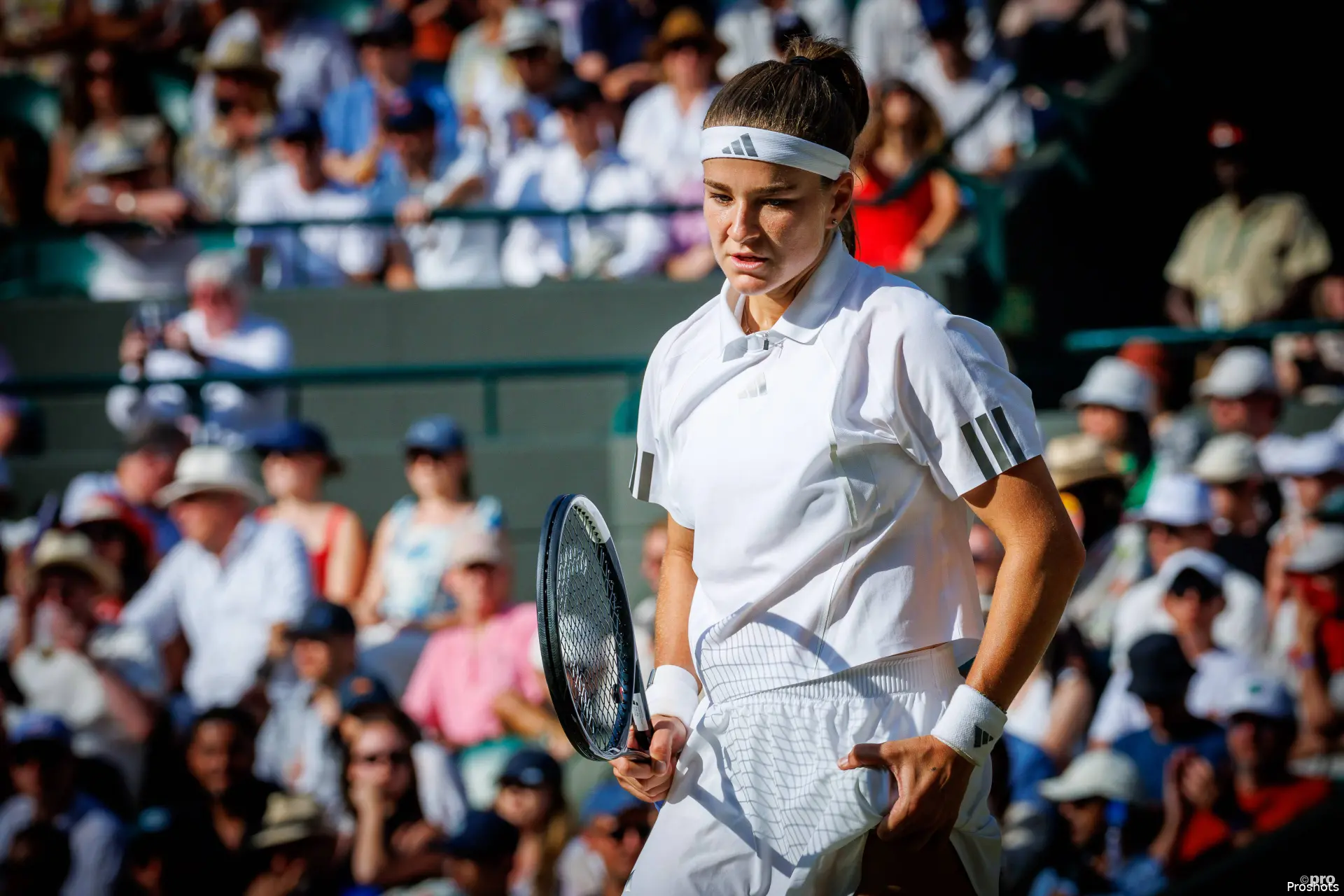
Every so often, a story comes along that is about far more than it first appears. On Wednesday, Priscilla Hon announced on social media that she and Karolína Muchová are launching a skincare company focused on sunscreen. On its face (pun intended), it sounds like another athlete-backed consumer brand, the sort of thing we’ve grown accustomed to seeing from professional sports figures.
I don’t think that’s what this is. I think it may be a glimpse of something much bigger—not only for Hon and Muchová, but for the future of the WTA Tour itself. If you wanted to build entrepreneurs from the ground up, you would probably design something that looks remarkably similar to life on the WTA Tour.
Players travel the world for ten or eleven months every year. They experience different cultures, different consumer markets, different technologies, different approaches to health, nutrition, recovery, beauty, fashion, and wellness. They solve logistical problems every single day. They learn to manage uncertainty, pressure, branding, public speaking, media relations, sponsorship obligations, and financial planning before many of them have celebrated their twenty-fifth birthdays.
An MBA program would be thrilled to produce graduates with that kind of practical education. The Tour already does. What Hon and Muchová appear to be building also has something many celebrity brands lack: authenticity.
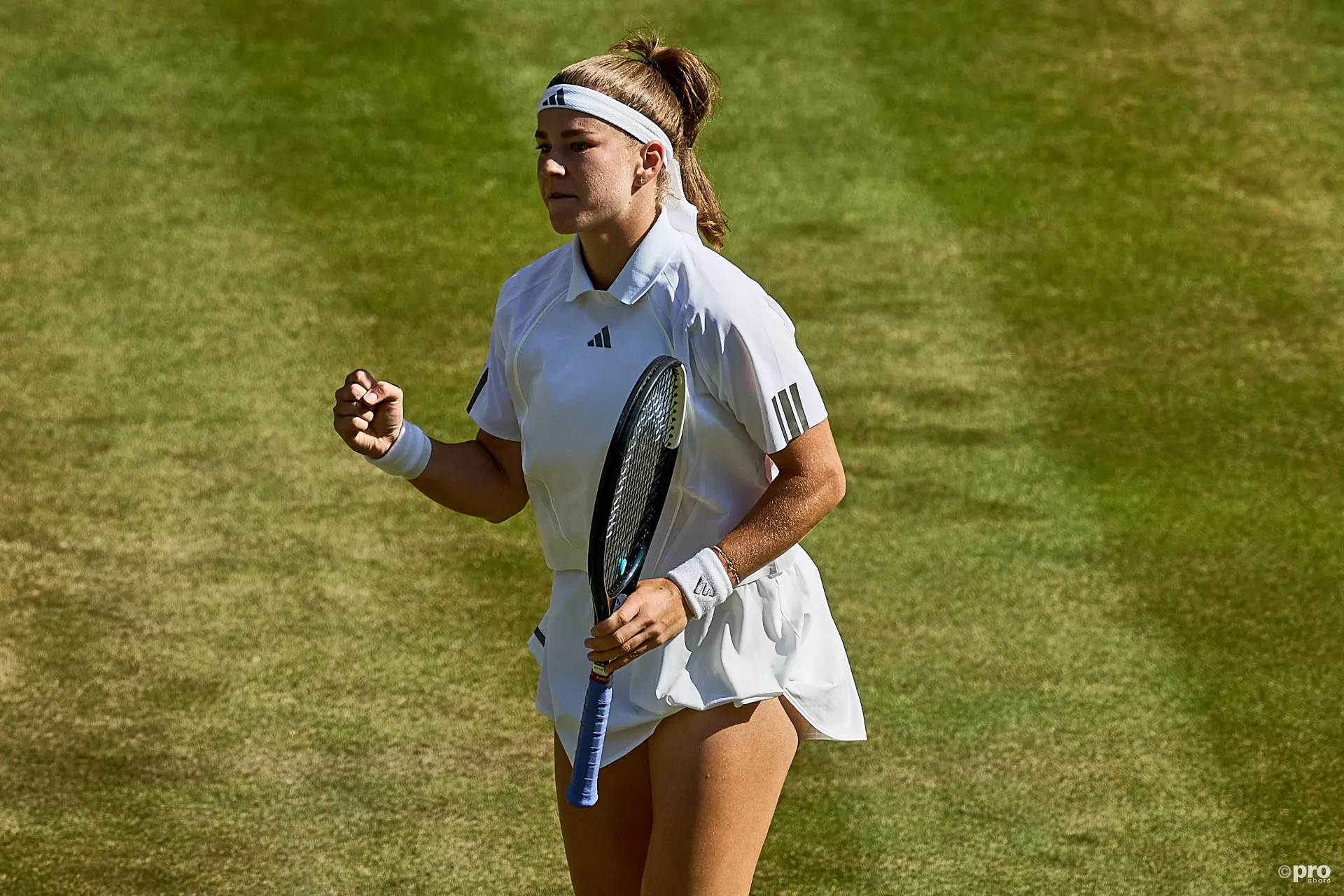
Professional tennis players spend countless hours training and competing under the sun. Sunscreen isn’t an accessory for them. It’s part of the job. If they believe there’s room for a better product, they are speaking from years of lived experience rather than from a marketing brief.
Consumers have become remarkably good at spotting the difference. The most successful athlete-founded companies tend to emerge when someone solves a problem they know intimately. This feels much closer to that model than to another endorsement deal with a famous face attached to the packaging.
But the larger opportunity extends well beyond sunscreen. Somewhere on the WTA Tour today is a player with an idea for a recovery device. Another has an idea for travel technology. Someone else has identified a gap in nutrition, coaching, youth development, performance analytics, or mental health support. Others have ideas completely unrelated to tennis.
Most of those ideas will never become companies. Not because they aren’t good. Because building a business while competing at the highest level is extraordinarily difficult.

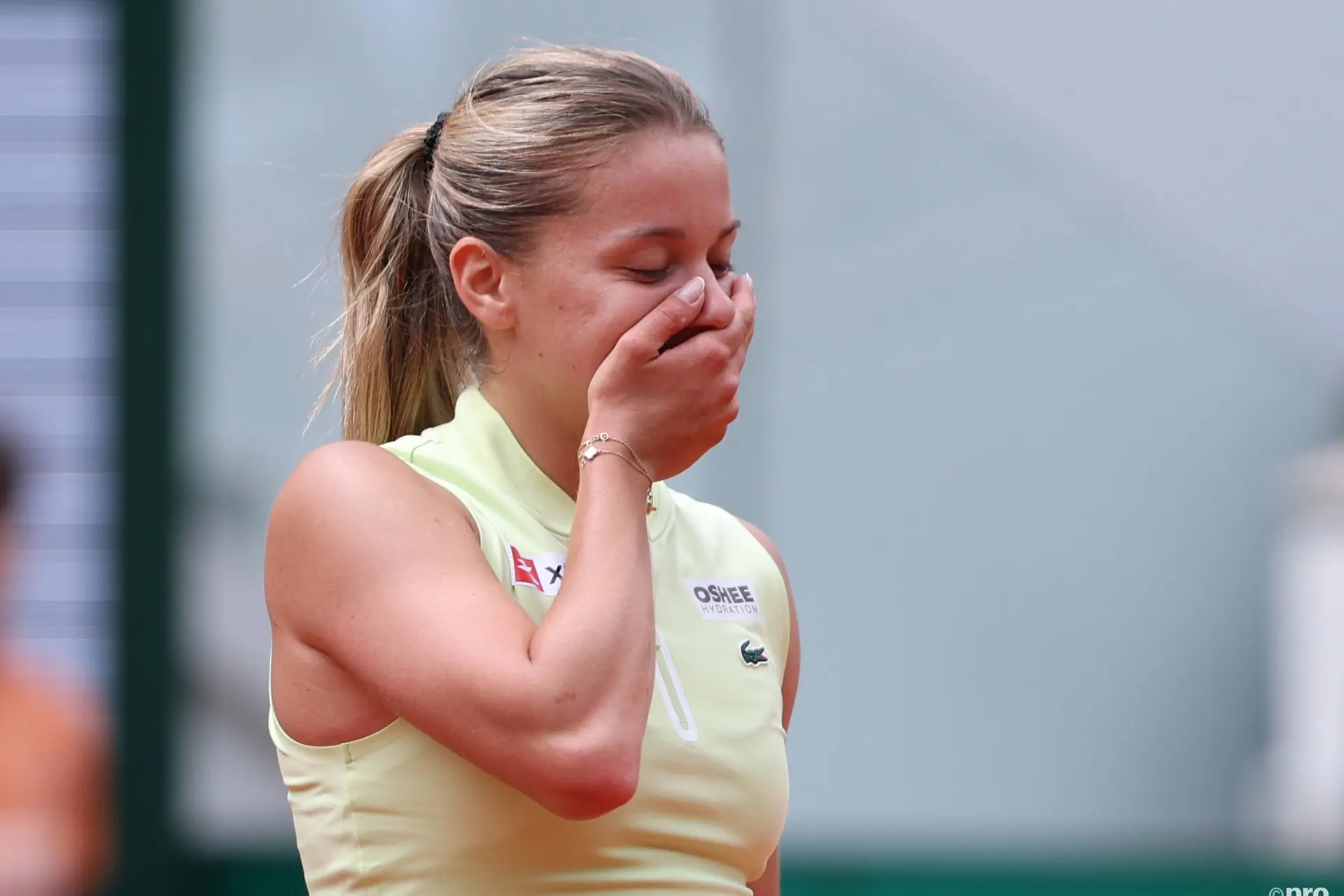
Karolina Muchova is close friends with Priscilla Hon.
Which raises an interesting question. Why isn’t the WTA helping? The Tour spends considerable energy cultivating commercial partnerships, attracting sponsors, and expanding its global footprint. Those efforts are essential.
But imagine directing a portion of that same commercial energy toward the people who make the Tour possible in the first place. Imagine an annual WTA Innovation Fund. Imagine startup grants awarded to players with promising ideas.
Imagine partnerships with venture capital firms, universities, business schools, accelerators, and experienced founders willing to mentor players who want to build something meaningful. Imagine workshops during tournaments covering intellectual property, fundraising, product development, marketing, financial literacy, and company formation.
Not every idea would succeed. That’s true of startups everywhere. The point isn’t to guarantee success. It’s to create the opportunity. Women’s tennis has entered an exciting commercial era. Prize money continues to grow, sponsorship opportunities are expanding, and the visibility of the women’s game has never been stronger.
Read also
Helping players develop businesses perhaps the key
Yet even successful careers can be surprisingly short. Injuries happen. Rankings fluctuate. Confidence comes and goes. Retirement arrives sooner than most athletes expect.
Helping players develop businesses while they are still competing isn’t a distraction from tennis. It’s an investment in life after tennis. It also benefits the sport itself.
Imagine the message it sends to young girls watching the Tour. Yes, become a great athlete. But also become an inventor. Become a founder. Become an investor. Become someone who identifies problems and builds solutions.
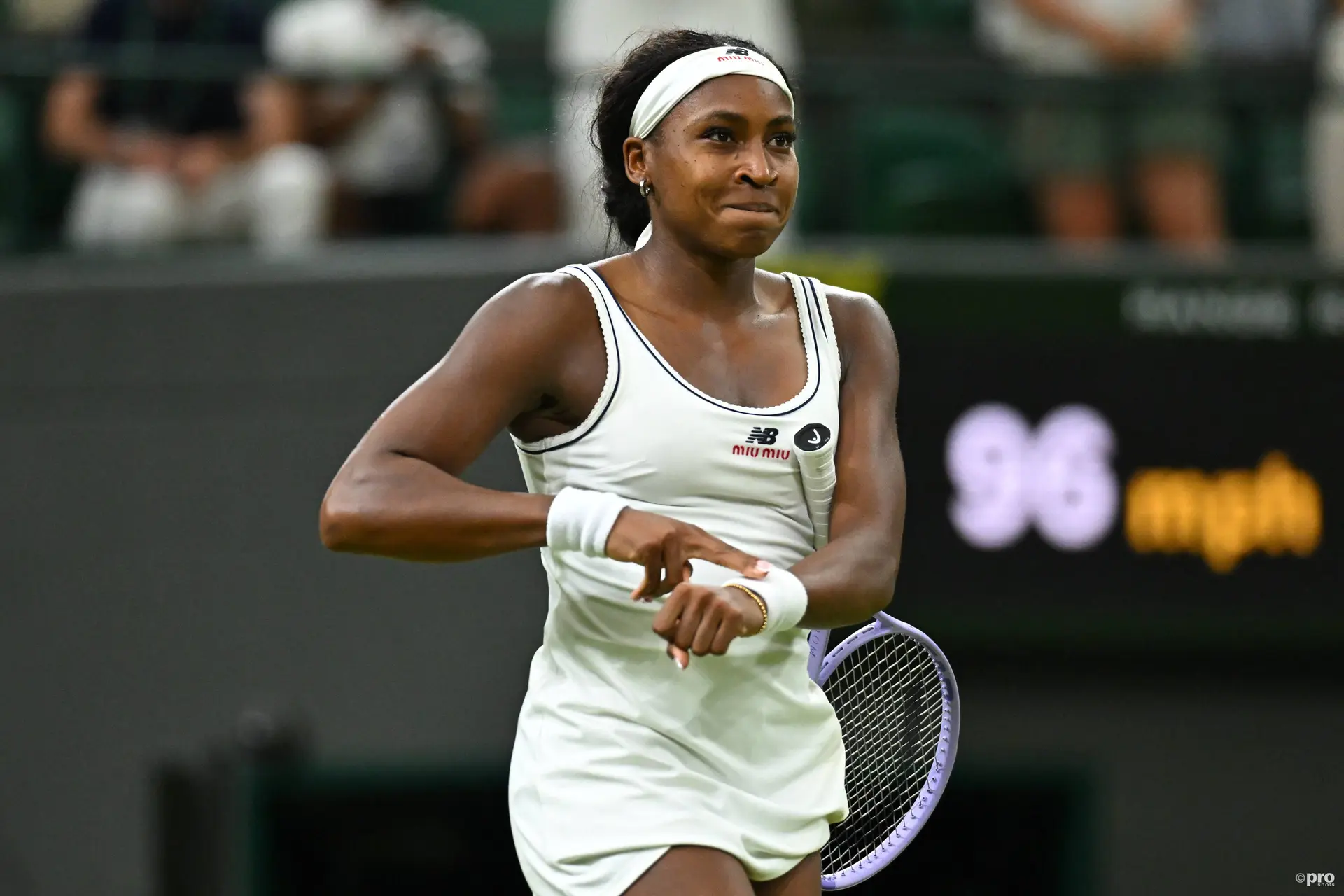
That may be one of the most valuable lessons professional sports can teach. Hon and Muchová deserve credit for taking the first step. Whether their sunscreen company becomes a global success or remains a niche business almost misses the point.
They are demonstrating something far more important. Elite athletes don’t have to wait until retirement to start their second careers.
Sometimes those careers can begin while the first one is still flourishing. And perhaps that is where the WTA’s next great investment should be—not in another advertising campaign or another logo on a backdrop, but in the imagination, creativity, and ambition of the remarkable women already competing on its courts.
Because if the WTA can help produce the next generation of founders as successfully as it produces world-class tennis players, everyone wins.
Aron SolomonGuest Author
A Pulitzer Prize-nominated journalist for his groundbreaking op-ed in The Independent exposing the NFL’s “race-norming” policies, Aron Solomon, JD, is a globally recognized thought leader in law, media, and strategy.
As Chief Strategy Officer for AMPLIFY, he leverages his deep expertise to shape the future of legal marketing. Aron has taught entrepreneurship at McGill University and the University of Pennsylvania and was honored as a Fastcase 50 recipient, recognizing him among the world’s top legal innovators. A prolific commentator on law, business, and culture, his insights regularly appear in Newsweek, The Hill, Crunchbase News, and Literary Hub.
He has also been featured in The New York Times, Fast Company, Fortune, Forbes, CBS News, CNBC, USA Today, ESPN, TechCrunch, BuzzFeed, Venture Beat and countless other leading global media outlets. We are proud to have Aron on board at TennisUpToDate, where his deep tennis expertise enriches the site with sharp, original columns that connect the sport to wider cultural debates.
claps 0visitors 0
Just In

Popular News
Latest Comments
- Fight the Good Fight... Tennis (sports in general) need more Humans such as yourself.
 mandoist18-10-2026
 - When is WTA going to mandate Genetic Testing (DNA) ???mandoist18-10-2026
- Hey, Dan... you just wake up from a coma? Regardless -- Thanks for the comedy this morning!mandoist18-10-2026
- Two Things: 1. Stop allowing these Spoiled Trust-Fund Elitists to behave badly. Your little hand-slaps do not deter them. 2. STOP the incessantly annoying "towel wiping" nonsense!!!!mandoist15-10-2026
- A healthy Qinwen may be hard to stop next season. She was already scaring her opponents before her medical leave(s). Unfortunately, Zheng insisted on singing again. On the positive side -- Mirra did not sing!! ;~}mandoist11-10-2026
- Where is it written that athletes, entertainers... People in general... are mandated to keep looking at -- or even using [anti]Social Media? Public & private figures consistently complain and reveal their concerns about negativity and violence thrown at them -- yet they insist on participating. Avoid it, don't use it, don't read it. It's okay to occasionally look up at the World instead beating your eyes & thumbs to death on The Inventions out there.mandoist11-10-2026
- great articlestennisseserver07-10-2026
- Medvedev was leading Djokovic 7-5, 3-5 when an attempted return..' NO you ignorants, Djokovic was leading .weiss05-10-2026
- No more bullshit "Wildcards" to these two. Qualify like everyone else -- there will be cameras there, too. Time to scream... WTF ????!!!!mandoist29-09-2026
- Let's not BS the general public -- Sabalenka started showing cracks in her game last season. Her losses and near-losses started at about the same time she began being distracted by Fame (constant Selfies, making TV commercials, magazine shoots, endless Social Media nonsense, etc., etc.) One would think even Saba could recognize the parallels with others who failed before her -- Raducanu, Giorgi, Bouchard to name a few.mandoist25-09-2026

Loading