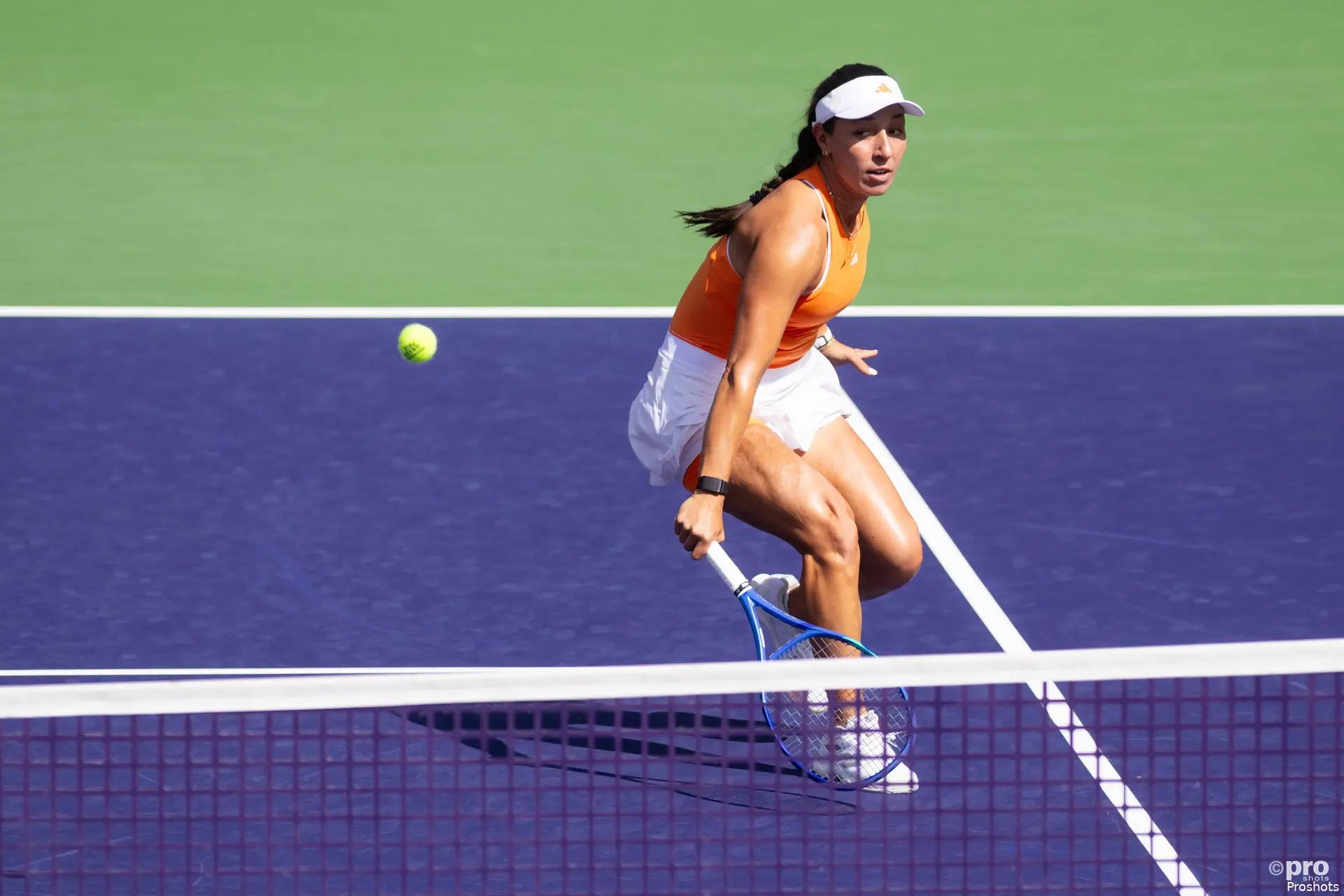
Jessica Pegula defended her Charleston Open title for the second consecutive year, closing out another demanding week on green clay and claiming the 11th title of her career. The American arrived as defending champion and top seed, but her path to the trophy was shaped by long matches and repeated momentum swings rather than straightforward progress.
Her run included multiple three-set victories, notably against Diana Shnaider in the quarterfinals and Iva Jovic in the semifinals, both requiring recoveries after losing the opening set. By the time she reached the final, Pegula had spent close to 10 hours on court, managing both physical load and fluctuating match patterns.
Charleston marked the opening stretch of the clay-court swing, a period often defined by adaptation. For Pegula, the week provided immediate exposure to those demands, from longer rallies to less predictable conditions, offering a more realistic test than a sequence of routine wins.
Instead of viewing the title defence as a repeat of 2025, Pegula framed it as a separate challenge. Her post-match reflections focused on how expectations can distort perception, particularly when looking back at previous titles.
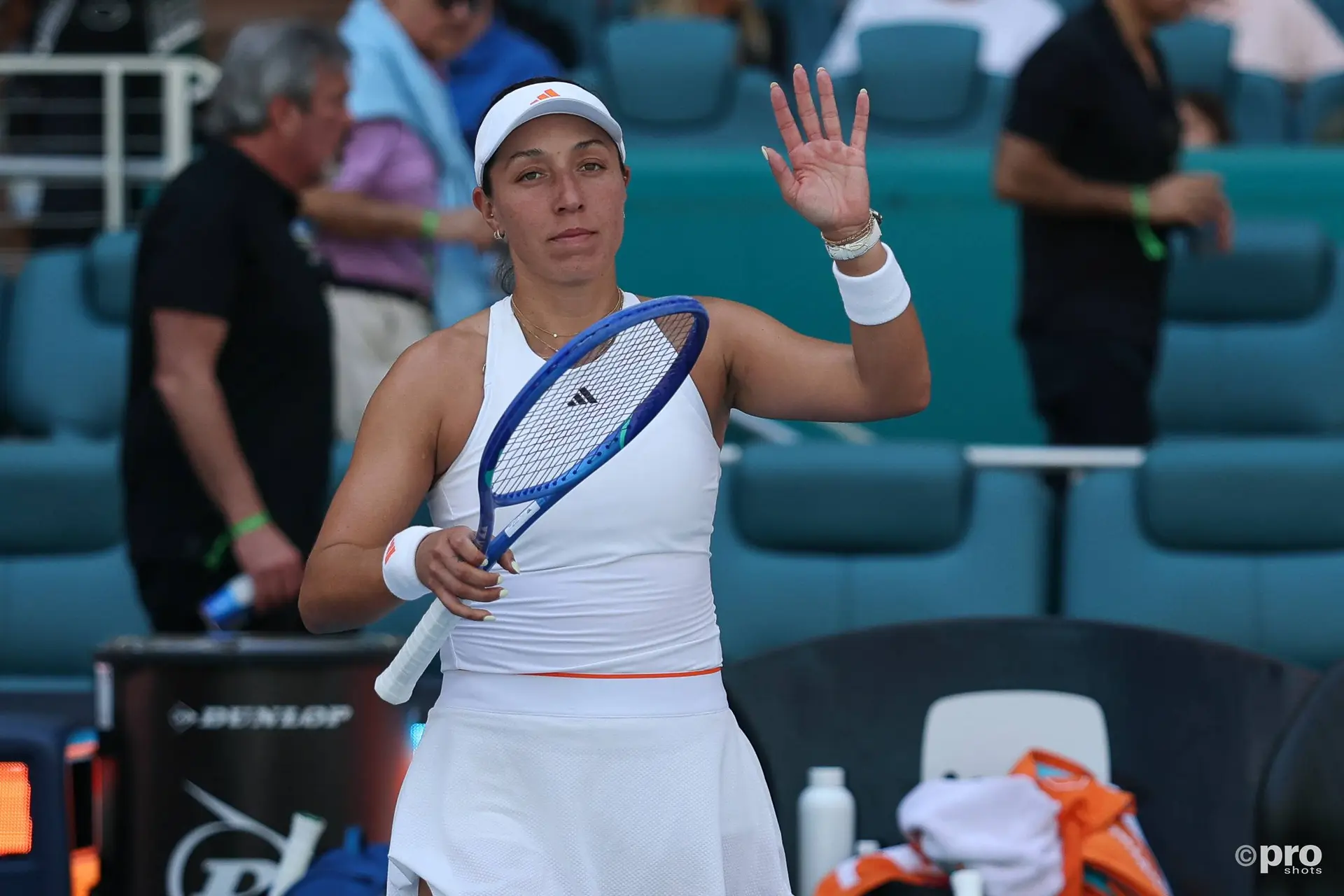
Managing expectations across a demanding week
Pegula said the key difference this year was her approach. Rather than expecting matches to unfold cleanly, she anticipated difficult moments and adjusted accordingly, a shift that proved decisive in tight situations.
“I don’t know, it’s crazy. It was definitely a tough path last year and this year," she said to Tennis Channel. "Sometimes when you win a tournament, you romanticise it, like it was so easy, and it’s usually not.
"There are always days where it’s really hard. I shifted my mindset a little bit coming back to defend the title. I reminded myself that last year was a really tough week and not everything went perfectly. That helped me get through a lot of tough matches this week.”
That perspective aligns with the nature of clay-court tennis, where breaks of serve are more frequent and matches tend to extend. Pegula suggested that being pushed physically and mentally during the week could be more useful preparation than controlling matches from start to finish.
“I’ve been saying it in press as well. I’d rather have it this way going into clay season, because you’re going to have matches like this. It’s impossible not to, especially on clay. It’s honestly great preparation, as long as I can stay healthy, keep adjusting, and keep that mindset that clay can be tricky and tough.”
Across the tournament, Pegula’s matches followed a similar pattern: early resistance, followed by gradual control. Rather than forcing quick finishes, she relied on consistency and decision-making in longer exchanges, particularly after dropping sets earlier in the week.
Closing out the final and a shift in belief
In the final, Pegula aimed to avoid another extended match. After a three-set semifinal, she entered with a clearer focus on efficiency, especially given the accumulated time on court and the possibility of interruptions.
“Yesterday I won the first set, so I felt I had put myself in a better position, but I still ended up winning in three. Today I was playing much better, so I was really locked in and focused on getting it done. She played a great couple of games at 5–0, and it starts getting tight. Long games can go either way. But I felt much better today, so that was the goal.”
Even with a commanding lead, Pegula acknowledged the mental challenge of closing out a one-sided set, particularly when the opponent begins to play more freely. Her adjustment was to narrow focus rather than chase a perfect scoreline.
“There are tournaments where I feel that if I can get through a certain match or matchup, I’m in a really good position to win. It took me a while to think like that, because you don’t want to look ahead. But you need that confidence to believe you can win the tournament, not just a couple of matches."
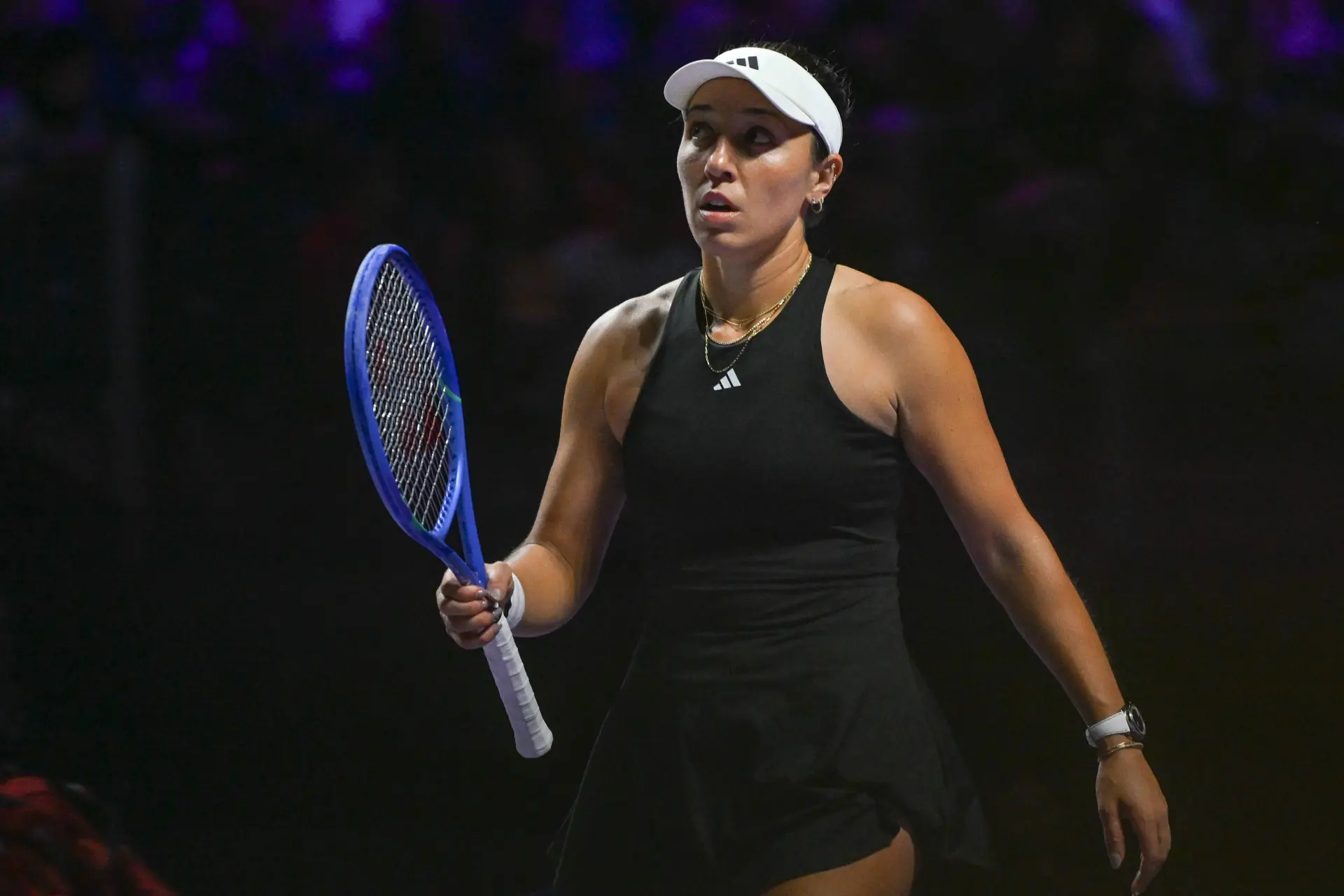
"Being a top player for a while has shifted my mindset. It’s helped me win my last few tournaments, especially going into later rounds feeling more confident and less nervous.”
With back-to-back titles in Charleston, Pegula moves into the European clay swing with match rhythm already established. Her week in South Carolina suggested a player prepared to handle longer matches and changing conditions, rather than one relying on short, dominant runs.

Cristhián AvilaTennis Journalist
Cristhián Ávila is a tennis journalist based in Santiago, Chile, and has been part of the TennisUpToDate team since early 2023. He covers the ATP and WTA Tours as well as all four Grand Slams, producing breaking news, match reports, analysis, and regular liveblogs from major tournaments.
His reporting combines statistical analysis with clear explanation, helping readers understand tactical developments, player form, and broader storylines across the tour. Working fluently in both Spanish and English, Cristhián collaborates with an international editorial team and contributes to comprehensive global coverage. As part of his work, he has conducted interviews and media interactions with leading figures in the sport, including Caroline Wozniacki and John McEnroe.
In his journalism, Cristhián places strong emphasis on careful sourcing, editorial accuracy, and updating articles promptly when new, verified information becomes available. His coverage is grounded in research, context, and direct engagement with professional tennis.
claps 0visitors 0
Just In



Popular News

Latest Comments
- Lena... Takin' care of business
 mandoist25-10-2026
 - Can you please stop publishing this nonsense? Stick to Tennis.mandoist25-10-2026
- Does Sinner need that 4.5 mil? I doubt it. He can make that with three modelling gigs!😅🤣Rapunzel21-10-2026
- Did "People Magazine" purchase this website? This nonstop storyline is bullshit.mandoist21-10-2026
- Listen... this is of no concern to anyone but these two. Deal with your own issues -- most of us have our own. Thanks, media, for these insignificant follow-ups which are meaningless.mandoist21-10-2026
- This is so very very sad, for all three of them. I truly thought they had an unbreakable bond, but life throws up so many differing challenges. Having your homeland suffering in such a terrible way, makes happiness lose out to guilt as well. Our thoughts are with them. X💔bjsexton20-10-2026
- I have lost all respect for Svitolina! Could she not have waited until he had played at the Paris Masters!!! She is selfish and don't give a damn about Gael. That is NOT how love is demonstrated Elina!!Rapunzel19-10-2026
- Perhaps convenient tennis tour sex is not a strong enough experience in which to base a marriage?mandoist19-10-2026
- Fight the Good Fight... Tennis (sports in general) need more Humans such as yourself.mandoist18-10-2026
- When is WTA going to mandate Genetic Testing (DNA) ???mandoist18-10-2026

Loading