Rick Macci explains what has changed in Aryna Sabalenka’s game as No. 1 ranking comes under pressure
WTA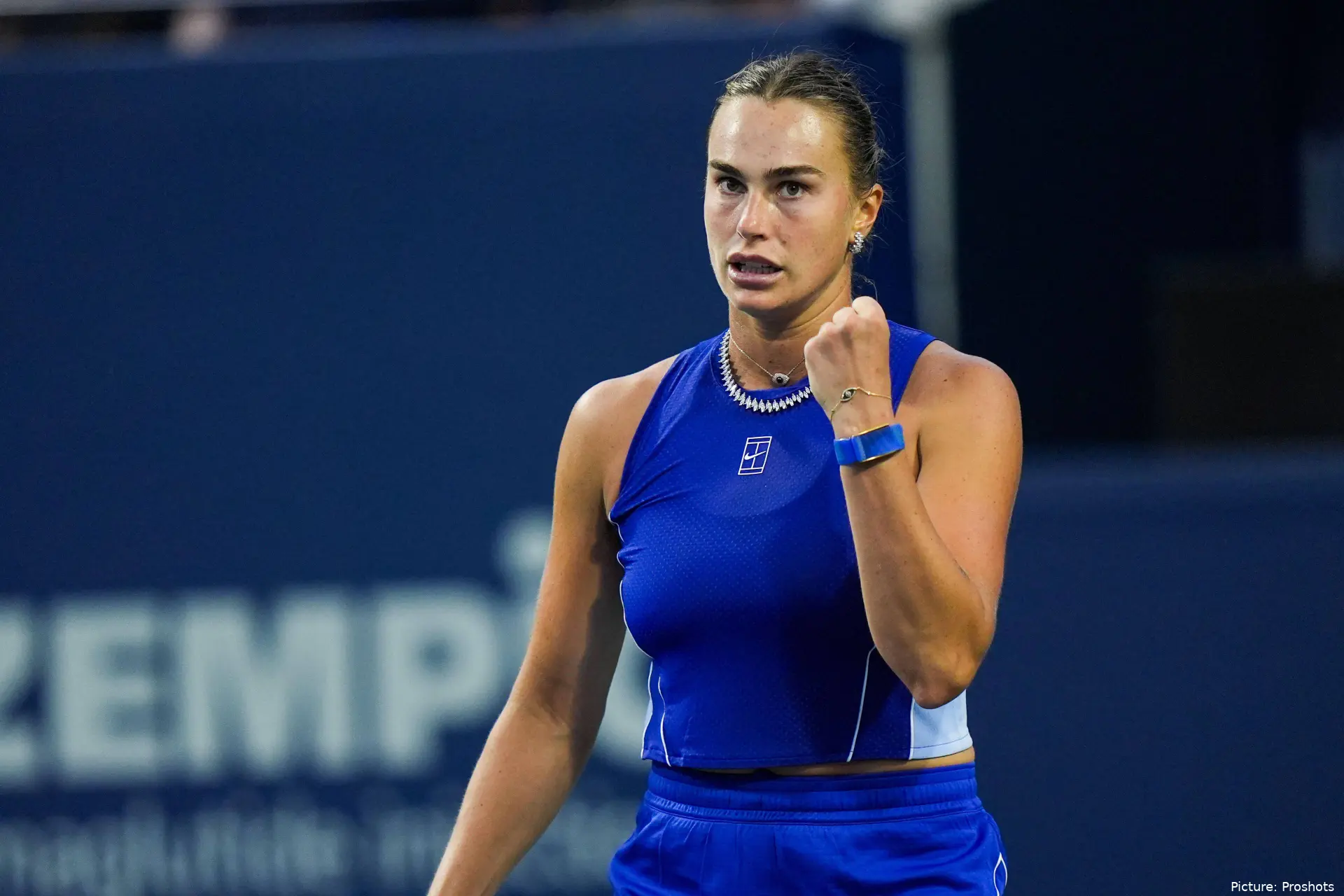
Aryna Sabalenka remains the world No. 1, but the margin separating her from Elena Rybakina is becoming increasingly thin after another disappointing result at the Canadian Open. The Belarusian exited in the fourth round in Toronto, continuing a stretch of results that has fallen well below the level she produced during the opening months of the 2026 season.
The timing is significant because Rybakina now has a realistic opportunity to move within touching distance of the top ranking. If the Kazakh wins the Canadian Open title, she would trail Sabalenka by just four ranking points heading into Cincinnati and the US Open, dramatically increasing the pressure on the two-time defending champion in New York.
Sabalenka’s recent results have contrasted sharply with her dominant start to the year. After winning both Indian Wells and the Miami Open, she has been unable to progress beyond the quarter-finals of a WTA 1000 or Grand Slam event, including quarter-final exits at Roland Garros and fourth-round defeats at Wimbledon and the Canadian Open.
Legendary coach Rick Macci believes the issue goes beyond simple results, arguing that Sabalenka is no longer playing with the same tactical positioning or mental certainty that previously made her one of the most feared players on the WTA Tour.
Rick Macci sees tactical and mental shift
Macci pointed to several changes in Sabalenka’s game, particularly in her court positioning and shot selection, suggesting that the Belarusian is retreating more often and playing with less conviction than earlier in the season.
“Sabalenka is playing different than in the past," Macci wrote on social media. "She is farther behind the baseline. She is on the back foot more. She is bailing out of the crosscourt lasers sooner than normal.”

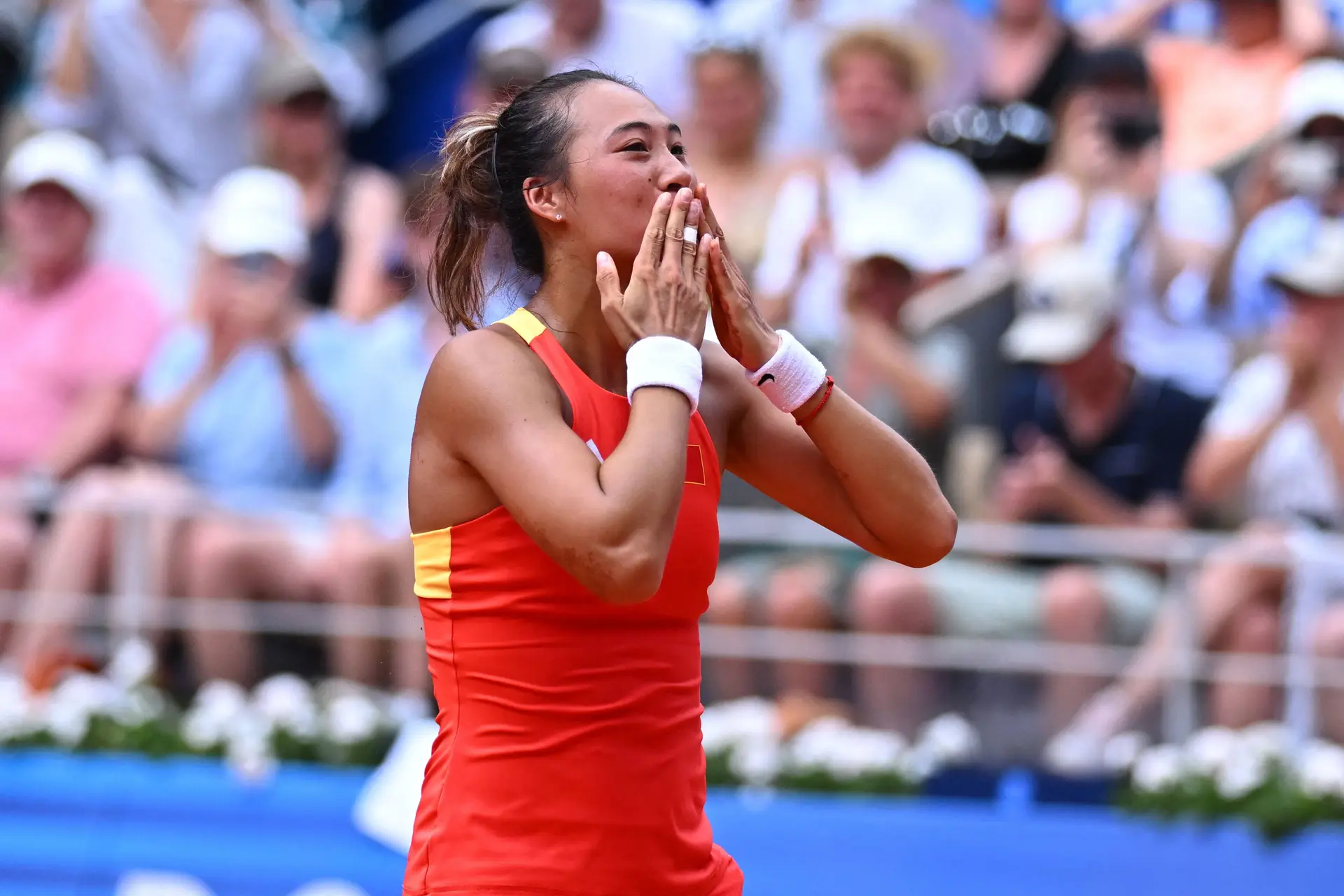
Aryna Sabalenka of Belarus celebrates after a point during the Women’s Singles round of 64 match against Moyuka Uchijima of Japan on day 4 of the WTA Masters 1000 National Bank Open
The veteran coach also believes that Sabalenka’s confidence has been significantly affected by her recent struggles, with the consequences becoming increasingly visible during matches. “Mentally her confidence has been tested and as a result the unreal belief we saw before is out the door.”
According to Macci, Sabalenka has always been an emotional player, but one of her greatest strengths was her ability to quickly reset after setbacks. He now sees that quality as less reliable than it was during her most dominant periods.
“She has always been emotional but could regroup in 20 seconds. She can flip the switch but the ripple now is other players see she is hitting long and into the net and they feel they can pull the upset.”
Sabalenka is playing different than in the past. She is farther behind the baseline. She is on the back foot more. She is bailing out of the crosscourt lasers sooner than normal. Mentally her confidence has been tested and as a result the unreal belief we saw before is out the…
— Rick Macci (@RickMacci) August 10, 2026
Rybakina now has real opportunity
The ranking picture has become considerably more complicated for Sabalenka after her early exit in Toronto. She has still guaranteed herself another week as world No. 1 and has now secured at least 94 consecutive weeks at the top of the WTA rankings, tying Steffi Graf for sixth place on the all-time list of consecutive weeks at No. 1.
However, the Canadian Open has opened the door for Rybakina. The Kazakh entered the latter stages of the tournament with a chance to reduce the gap to almost nothing, and Sabalenka’s defeat against Ekaterina Alexandrova has made that possibility much more realistic.
Read also
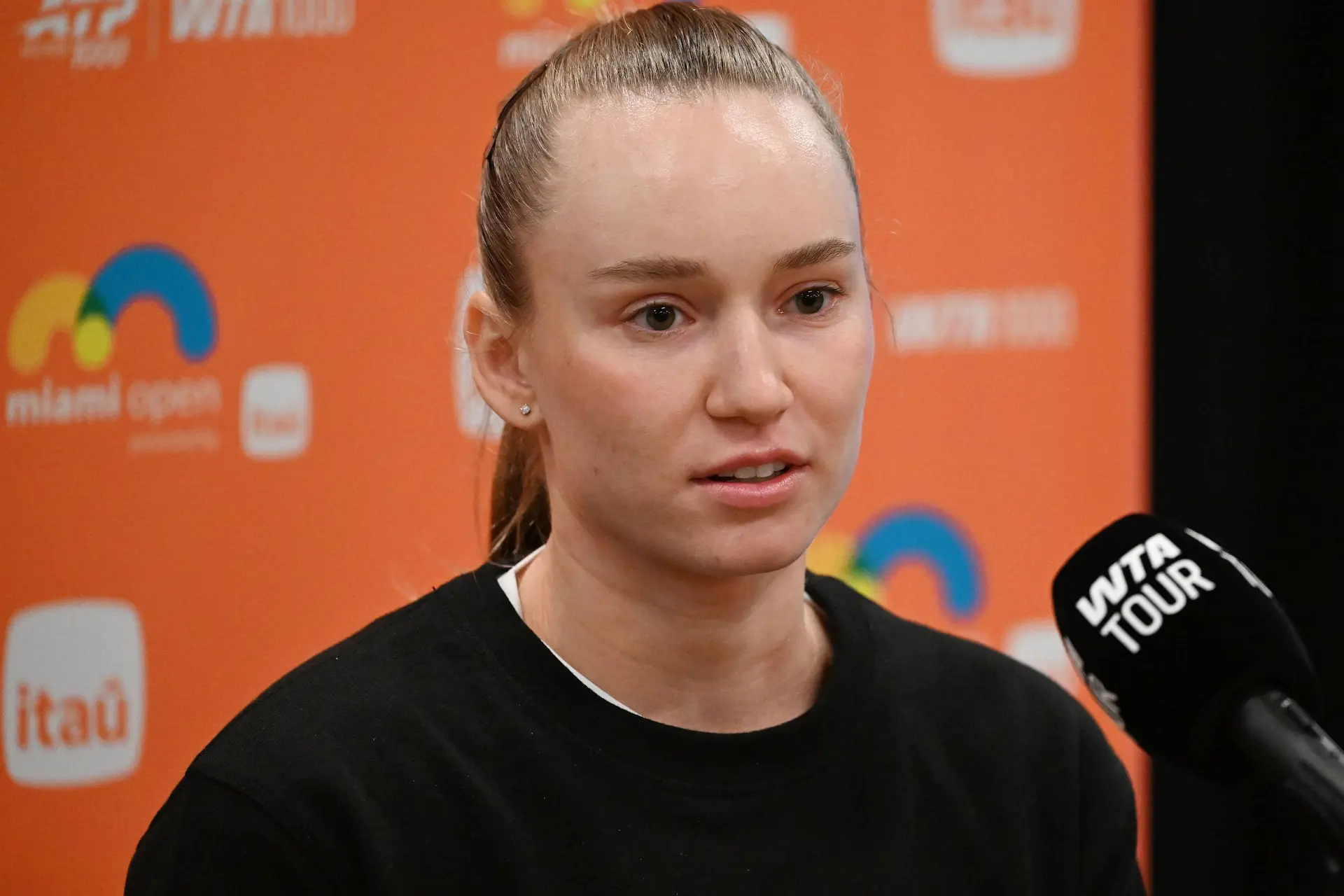
The pressure becomes even greater because Sabalenka is defending the US Open title and the 2,000 ranking points that come with it. A deep run by Rybakina in the coming weeks, combined with any slip from Sabalenka in New York, could produce a significant shift at the top of the WTA rankings.
Perhaps the most concerning aspect of Sabalenka’s season is that she has not won a Grand Slam title in 2026 despite entering the year as the dominant player on hard courts. The US Open now represents her final opportunity to add a major title this season, while also protecting the ranking position she has held for more than a year and a half.
Her next tournament will be the Cincinnati Open, which begins on August 13 and serves as the final major preparation event before Flushing Meadows. It will also provide an immediate test of whether the issues identified by Macci are temporary fluctuations or signs of a more significant change in the confidence and court positioning that made Sabalenka the dominant force of the early 2026 season.
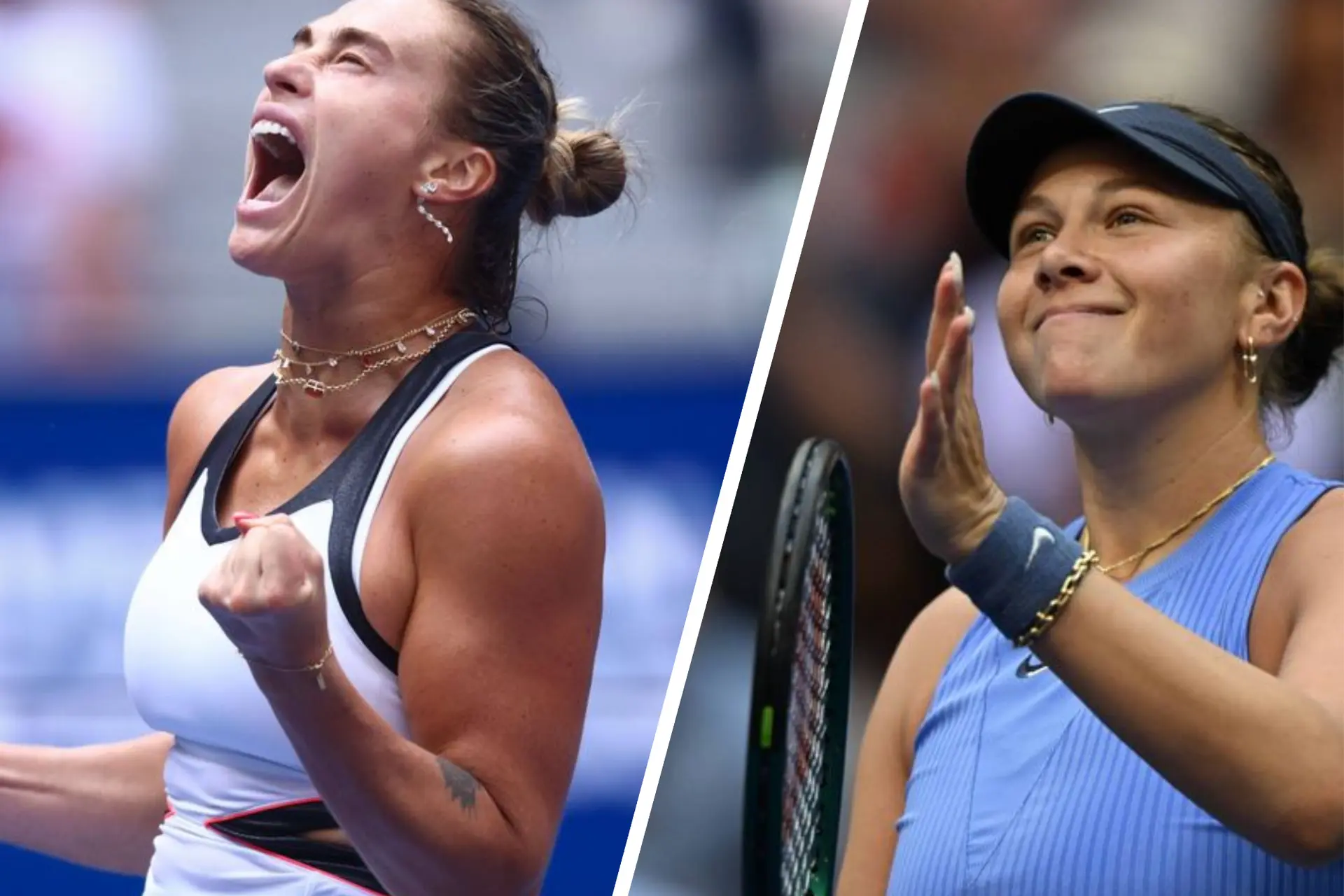
Longest consecutive weeks at WTA No. 1
| Rank | Player | Consecutive weeks at No. 1 |
| 1 | Steffi Graf | 186 |
| 2 | Serena Williams | 186 |
| 3 | Martina Navratilova | 156 |
| 4 | Ashleigh Barty | 114 |
| 5 | Chris Evert | 113 |
| 6 | Steffi Graf | 94 |
| 7 | Aryna Sabalenka | 94* |
| 8 | Monica Seles | 91 |
| 9 | Martina Navratilova | 90 |
| 10 | Steffi Graf | 87 |
* Sabalenka is guaranteed to reach at least 94 consecutive weeks as world number 1 before the US Open.

Cristhián AvilaTennis Journalist
Cristhián Ávila is a tennis journalist based in Santiago, Chile, and has been part of the TennisUpToDate team since early 2023. He covers the ATP and WTA Tours as well as all four Grand Slams, producing breaking news, match reports, analysis, and regular liveblogs from major tournaments.
His reporting combines statistical analysis with clear explanation, helping readers understand tactical developments, player form, and broader storylines across the tour. Working fluently in both Spanish and English, Cristhián collaborates with an international editorial team and contributes to comprehensive global coverage. As part of his work, he has conducted interviews and media interactions with leading figures in the sport, including Caroline Wozniacki and John McEnroe.
In his journalism, Cristhián places strong emphasis on careful sourcing, editorial accuracy, and updating articles promptly when new, verified information becomes available. His coverage is grounded in research, context, and direct engagement with professional tennis.
claps 0visitors 0
Just In

Popular News
Latest Comments
- A healthy Qinwen may be hard to stop next season. She was already scaring her opponents before her medical leave(s). Unfortunately, Zheng insisted on singing again. On the positive side -- Mirra did not sing!! ;~}
 mandoist11-10-2026
 - Where is it written that athletes, entertainers... People in general... are mandated to keep looking at -- or even using [anti]Social Media? Public & private figures consistently complain and reveal their concerns about negativity and violence thrown at them -- yet they insist on participating. Avoid it, don't use it, don't read it. It's okay to occasionally look up at the World instead beating your eyes & thumbs to death on The Inventions out there.mandoist11-10-2026
- great articlestennisseserver07-10-2026
- Medvedev was leading Djokovic 7-5, 3-5 when an attempted return..' NO you ignorants, Djokovic was leading .weiss05-10-2026
- No more bullshit "Wildcards" to these two. Qualify like everyone else -- there will be cameras there, too. Time to scream... WTF ????!!!!mandoist29-09-2026
- Let's not BS the general public -- Sabalenka started showing cracks in her game last season. Her losses and near-losses started at about the same time she began being distracted by Fame (constant Selfies, making TV commercials, magazine shoots, endless Social Media nonsense, etc., etc.) One would think even Saba could recognize the parallels with others who failed before her -- Raducanu, Giorgi, Bouchard to name a few.mandoist25-09-2026
- Gross!! Hey Raducanu, Giorgi, and Bouchard -- reserve a seat at your Social Media Selfie table for Saba + Naomi. They're heading in your direction soon enough.mandoist24-09-2026
- And then these same players will complain about how lengthy their season’s were and need more time-off. I’m all for more tennis but the amount of tennis we get now is actually kind of crazy! We all need a break, especially the players.DaveyWavey23-09-2026
- You should do a comparison article for "different kinds of justice" the courts decide for tennis players. I can think of at least three players who received very small bans of a few months, however Tara Moore has been fighting for her literal survival the past few years. It seems odd considering she is not a "name" player, unlike the other cases.DaveyWavey22-09-2026
- PRIZE MONEY & POINTS Winner - $185,500 Finalist - $114,500 Semi-Finalist - $66,003 Quarter-Finalist - $35,000 Round of 16 - $18,045 Round of 32 - $13,005 Winner - 500 Finalist - 325 Semi-Finalist - 195 Quarter-Finalist - 108 Round of 16 - 60 Round of 32 - 1DaveyWavey20-09-2026

Loading