“Some days I wake up and think: how am I going to compete?”: Paula Badosa opens up on injury battle ahead of Charleston
WTA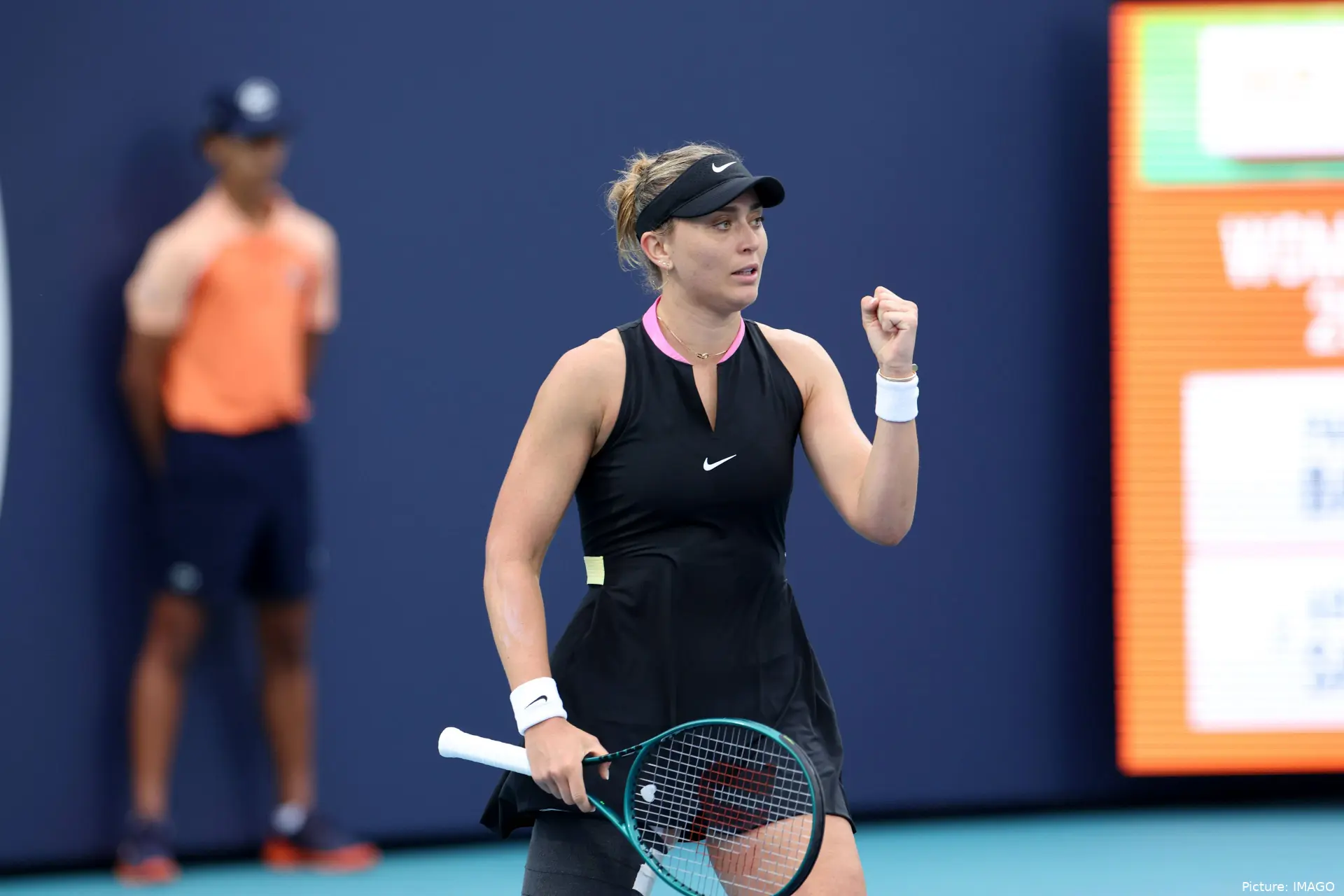
Paula Badosa arrives at the Charleston Open still working through the consequences of a prolonged injury period that has disrupted her trajectory on the WTA Tour. The former World No. 2, now ranked No. 113, enters the clay swing with a 7–8 record in 2026 and limited match continuity.
Her drop in ranking reflects months away from competition, largely due to a back issue linked to complications in the psoas area and a subsequent labrum injury. After showing encouraging signs early in the season following Australia, Badosa was forced to stop again, delaying any sustained return.
Speaking during Media Day in Charleston, the Spaniard outlined the physical and mental challenges that have defined the past year. Her comments centred on managing ongoing discomfort and the difficulty of rebuilding form under those conditions.
Badosa will open her campaign against American Kayla Day, doing so with a focus on competing within her current limits rather than immediate results.

Physical setbacks disrupt continuity
Badosa’s injury timeline has been layered rather than isolated. What began as pain in the right psoas developed into tendon involvement before leading to a labrum issue, creating a cycle that has repeatedly interrupted her progress.
Even now, she describes the situation as manageable but unresolved, which continues to affect her ability to compete consistently at the level required on tour. “People don’t know,” Badosa mentioned during her Media Day interview. “A lot of people have been asking me about the back and that’s something I’m trying to figure out but it’s at least under control. It’s not that now.
"Last year, starting in February and especially after Wimbledon, it was my psoas touching the tendon. But then I broke my labrum. It’s all very connected, but it’s tough to compete like this.”
Read also
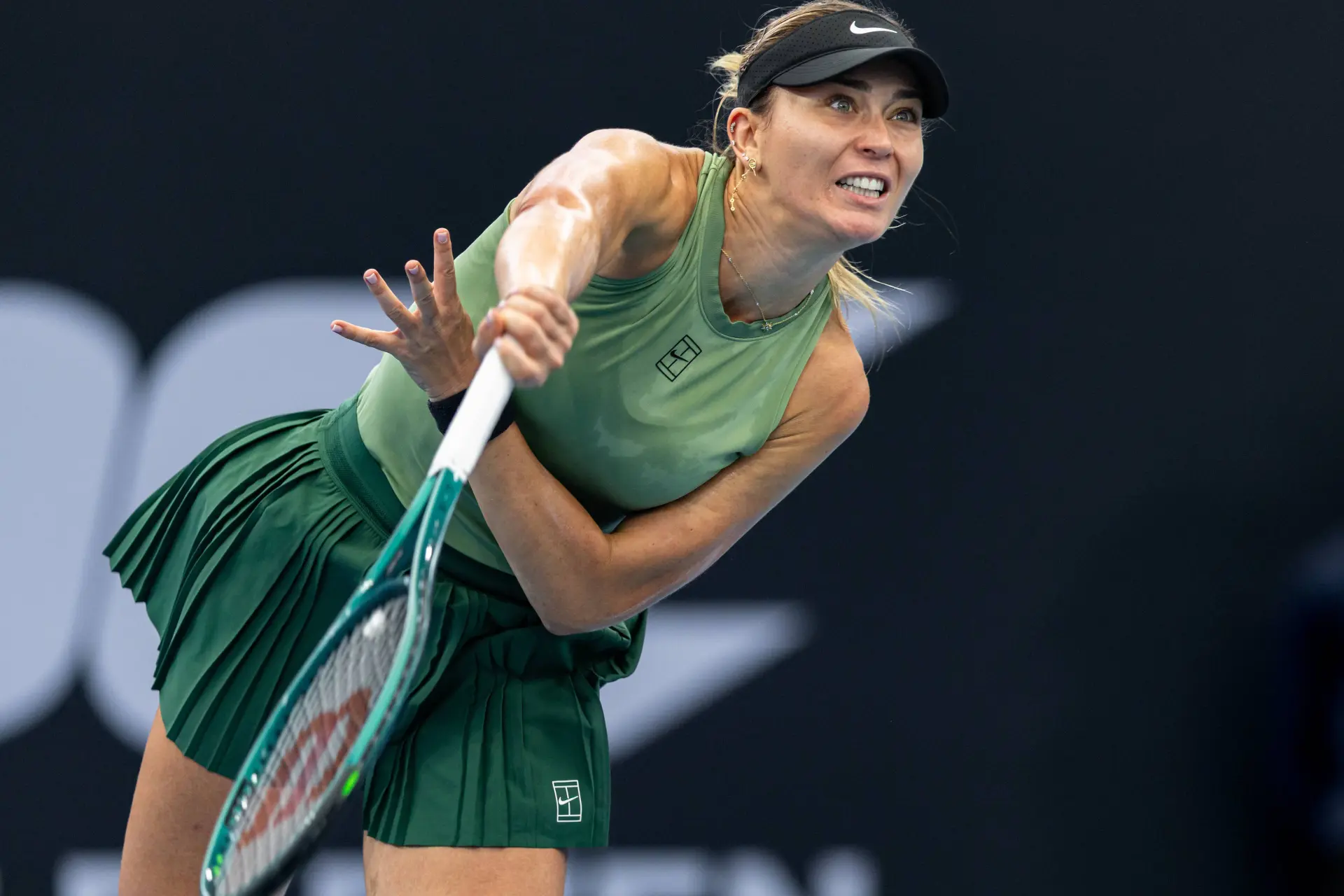
The interruption came at a moment when her level was improving. Badosa indicated that her form after the Australian swing had been close to her best before the setback forced her off court again. “I was maybe at my best level after Australia,” said Badosa, who described feeling blindsided by the injury, which began as pain in her right psoas muscle. “Then all of the sudden, I saw myself on the couch again for the second time.”
Mental strain and competitive balance
Alongside the physical limitations, Badosa described an ongoing internal struggle tied to returning from injury and competing without full certainty in her body. The process of rebuilding has been familiar but not easier, particularly given the cumulative effect of repeated setbacks. She acknowledged moments of doubt about whether she could go through another full recovery cycle.
“I didn’t know if I had the strength to fight again because I know what it is to come back from an injury, from zero. It’s like a mountain sometimes, and to get back to the level I want to get is difficult. For me, it was very tough, seeing myself like that. Personally, I’ve been through difficult times and it wasn’t easy because it came all together.”
That uncertainty has carried into competition days, where preparation is sometimes affected by the mental load rather than purely tactical focus. “Some days I wake up and I’m like, ‘Wow, I have to compete today? How am I going to do it?’ There’s so many things in my brain sometimes that I’m not even thinking about the match. It’s stressful for me.”
Badosa also pointed to the internal tension between confidence and doubt, describing it as a constant presence during her recovery period. “I think we all have two voices in our head,” Badosa mused on Monday. “Sometimes you can control the negative a bit better, and then there’s other times or moments in your life where you cannot. I think I’m in a bit of the latter situation.”
Read also
“For me, personally, it has been very tough the last year when I got injured. From the moment I got it, I was thinking what it took to get me in that place again and how it had escaped from my hands again.”
“It hurts me, in a way. I’m not seeing my tennis where it’s supposed to be or where I’d like it to be. So, that’s a little bit the mental battle I have with myself. I’m trying to deal with it, seeing it with perspective and patience. Still, I’m very competitive and I have that side in me. It’s a tough balance to find.”
Motivation, support and outlook
Badosa continues to rely on routine and her support team as she works through this phase. She highlighted practices such as meditation and journaling, along with the role of her coach Pol Toledo, who has guided her through previous recovery periods.
Their long-standing relationship has been a constant, particularly during transitions back to competition. “We’ve been through a lot,” said Badosa, who was Toledo’s first coaching pupil. “He didn’t know much about women’s sports because he was playing himself and he just retired. I saw how passionate he was and how much he wanted to learn about it, and how much he cares about me.”
Read also
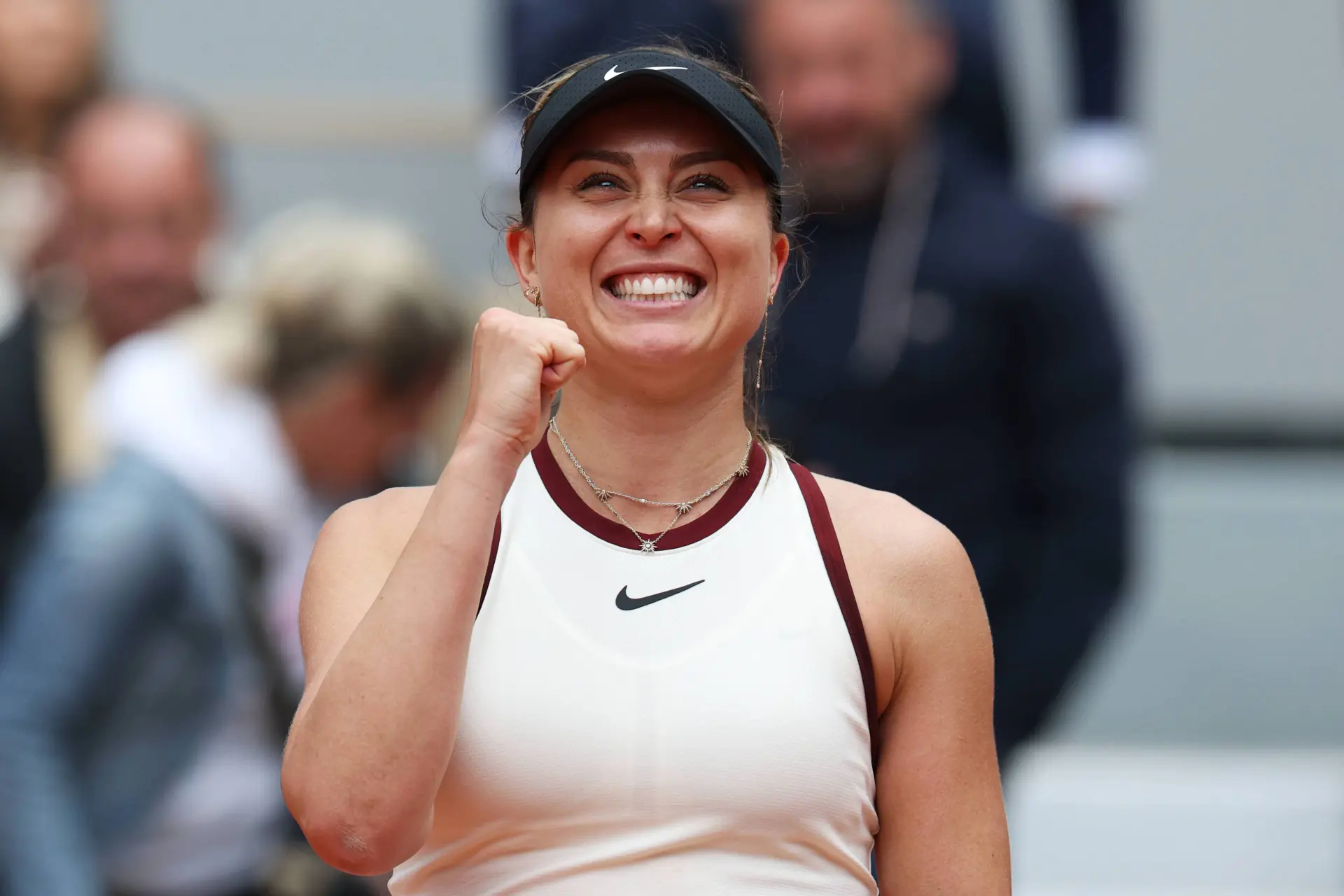
Despite the uncertainty, Badosa indicated that her motivation to continue remains intact, even as questions about longevity persist. “I still love this sport too much,” said the former Indian Wells champion. “I have so much passion for this sport. I notice it every time I come to compete. I have goosebumps no matter where I play. I just love that moment. On the court, I can express myself and I enjoy it. It’s what I’ve been doing all my life and it’s my passion. I also realize how much I love this sport when I go to play with my little sister. I just enjoy the moment of grabbing a racquet and hitting some balls.
“For now, because I love it so much, if the body respects me in a way and I can handle it, I will play until one day when I really want to stop. Right now, these emotions are more powerful than the other one that wants to stop.”

Cristhián AvilaTennis Journalist
Cristhián Ávila is a tennis journalist based in Santiago, Chile, and has been part of the TennisUpToDate team since early 2023. He covers the ATP and WTA Tours as well as all four Grand Slams, producing breaking news, match reports, analysis, and regular liveblogs from major tournaments.
His reporting combines statistical analysis with clear explanation, helping readers understand tactical developments, player form, and broader storylines across the tour. Working fluently in both Spanish and English, Cristhián collaborates with an international editorial team and contributes to comprehensive global coverage. As part of his work, he has conducted interviews and media interactions with leading figures in the sport, including Caroline Wozniacki and John McEnroe.
In his journalism, Cristhián places strong emphasis on careful sourcing, editorial accuracy, and updating articles promptly when new, verified information becomes available. His coverage is grounded in research, context, and direct engagement with professional tennis.
claps 0visitors 0
Just In



Popular News


Latest Comments
- Does Sinner need that 4.5 mil? I doubt it. He can make that with three modelling gigs!😅🤣Rapunzel21-10-2026
- Did "People Magazine" purchase this website? This nonstop storyline is bullshit.
 mandoist21-10-2026
 - Listen... this is of no concern to anyone but these two. Deal with your own issues -- most of us have our own. Thanks, media, for these insignificant follow-ups which are meaningless.mandoist21-10-2026
- This is so very very sad, for all three of them. I truly thought they had an unbreakable bond, but life throws up so many differing challenges. Having your homeland suffering in such a terrible way, makes happiness lose out to guilt as well. Our thoughts are with them. X💔bjsexton20-10-2026
- I have lost all respect for Svitolina! Could she not have waited until he had played at the Paris Masters!!! She is selfish and don't give a damn about Gael. That is NOT how love is demonstrated Elina!!Rapunzel19-10-2026
- Perhaps convenient tennis tour sex is not a strong enough experience in which to base a marriage?mandoist19-10-2026
- Fight the Good Fight... Tennis (sports in general) need more Humans such as yourself.mandoist18-10-2026
- When is WTA going to mandate Genetic Testing (DNA) ???mandoist18-10-2026
- Hey, Dan... you just wake up from a coma? Regardless -- Thanks for the comedy this morning!mandoist18-10-2026
- Two Things: 1. Stop allowing these Spoiled Trust-Fund Elitists to behave badly. Your little hand-slaps do not deter them. 2. STOP the incessantly annoying "towel wiping" nonsense!!!!mandoist15-10-2026

Loading