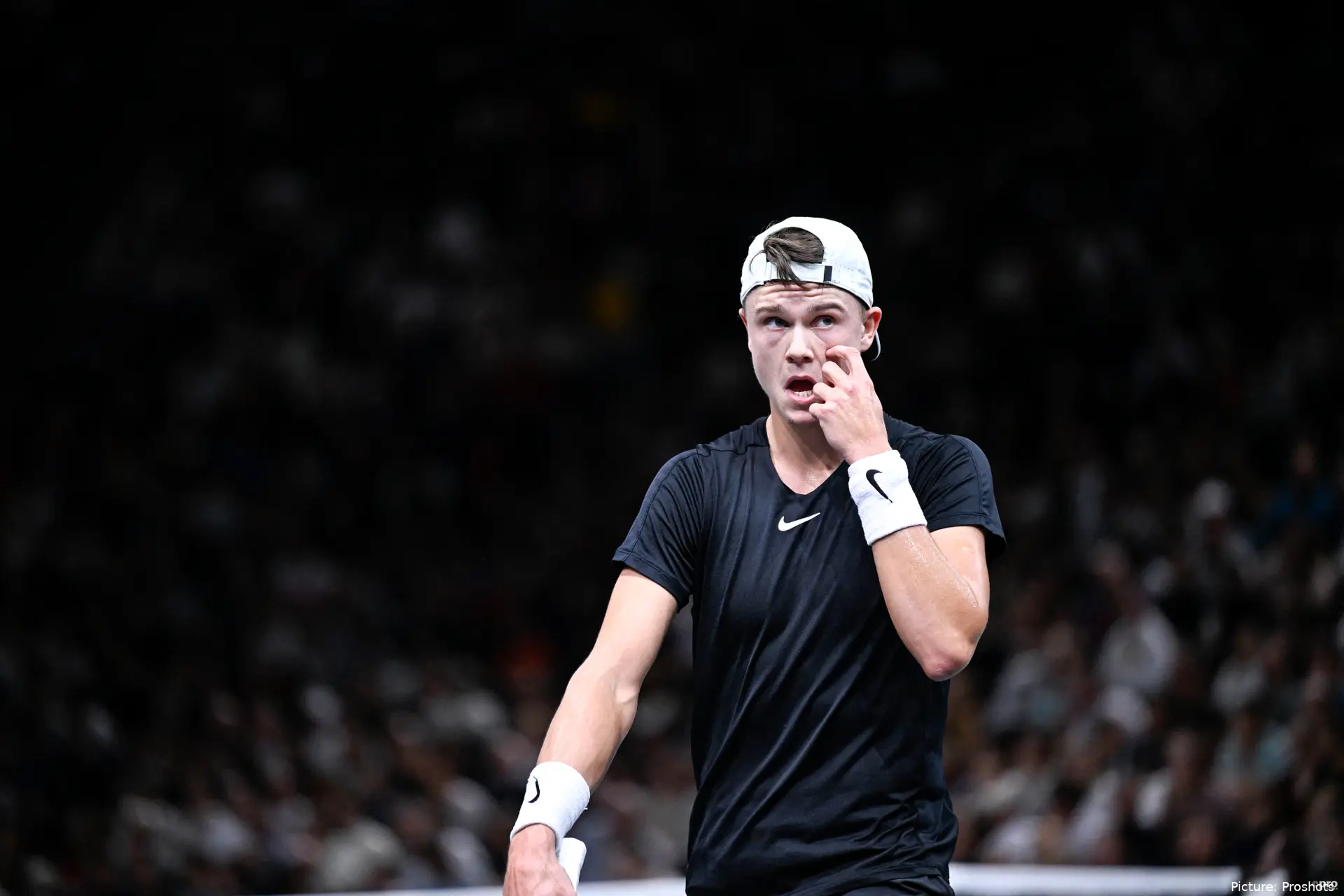
Holger Rune has spent the early months of the 2026 season away from the ATP Tour, continuing rehabilitation after suffering a ruptured Achilles tendon in October 2025. The former world No. 4 sustained the injury during the Stockholm Open semi-finals, an incident that required surgery and forced him into a long recovery period while the season continued without one of the tour’s most prominent young players.
As the BNP Paribas Open unfolds this week at Indian Wells, Rune remains focused on rebuilding his fitness rather than competing. The Dane, who reached the final in Tennis Paradise in 2025, has been sharing updates from his rehabilitation and says he is encouraged by the steady progress he has made in recent months.
His recovery has taken place largely in Doha at Aspetar, a specialised sports medicine and rehabilitation centre that regularly works with elite athletes across multiple disciplines. The 22-year-old has been working through the final stages of a programme designed to restore strength and mobility in the injured tendon.
Despite the extended absence, Rune insists his ambitions remain unchanged. The Dane, who has slipped to world No. 25 this week—his lowest ranking since October 2022—has acknowledged that his eventual return will likely require rebuilding momentum on the tour.
Read also
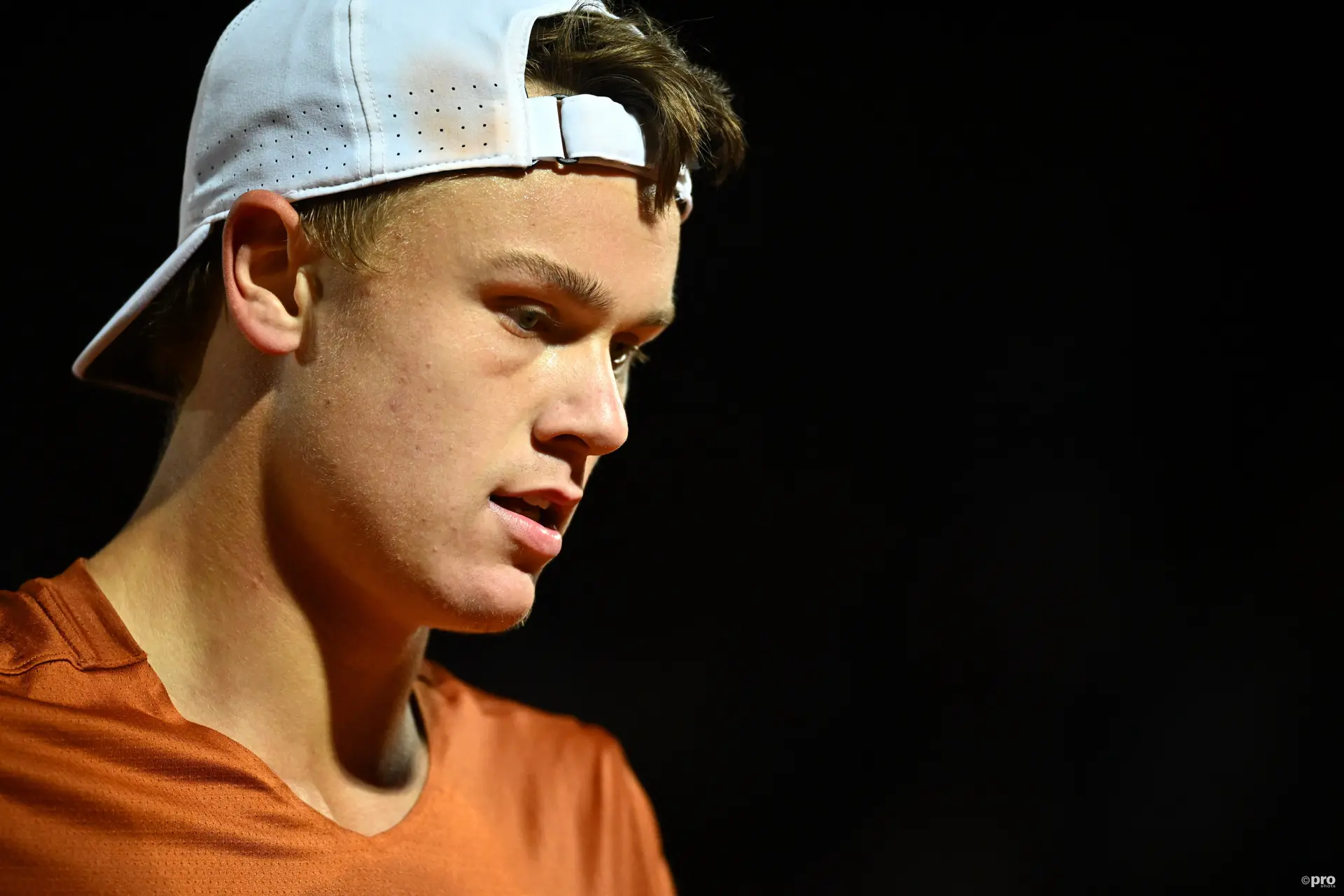
Rehabilitation progress and cautious steps toward a return
Rune’s current rehabilitation phase focuses on restoring explosive movement, a key requirement for a player whose game depends heavily on aggressive baseline exchanges and rapid changes of direction. The final stages of recovery are typically among the most demanding following Achilles surgery, particularly for athletes competing at the highest level.
“My rehabilitation is progressing very well,” he said during an interview with So Tennis. “I’m currently focusing on explosive movements, the final step before I can move more freely again on a tennis court. I’m optimistic and motivated because I see improvements every day.”
The decision to complete rehabilitation in Doha reflects the importance placed on specialised treatment for this type of injury, which has historically proven difficult for athletes who rely on speed and explosive movement.
“Aspetar is one of the largest sports medicine and rehabilitation centres in the world, specialised in Achilles tendon recovery,” the 2022 Paris Masters champion added. “They work with many high-level athletes from different disciplines and have cutting-edge medical expertise, technology and performance specialists. For an injury like this, it’s essential to be surrounded by the best professionals to avoid any mistakes.”
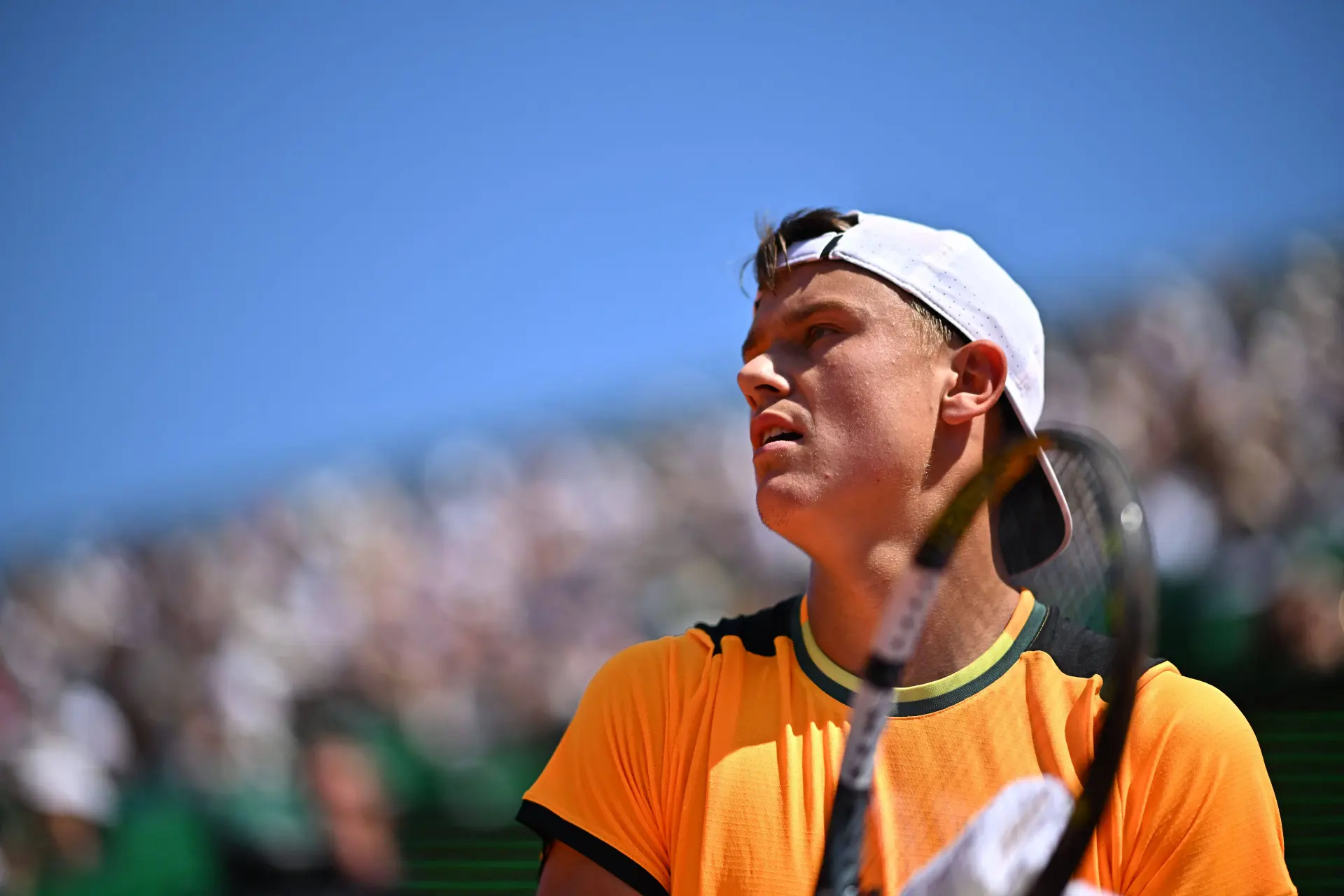
Injury pause offers perspective on career and ambitions
Rune’s absence has also provided time for reflection after a career that accelerated quickly following his breakthrough on the ATP Tour. The Dane captured the Paris Masters title in 2022 and established himself as one of the leading players of his generation, reaching three other Masters 1000 finals and making several quarter-final appearances at Grand Slam tournaments.
“My goal is to come back stronger and wiser,” said the 22-year-old Dane. “And I can’t wait to feel the support of the fans on court again. I miss it a lot. Injuries are difficult, but they also help you put things into perspective.”
Away from the weekly intensity of the tour, Rune has also emphasised the importance of maintaining balance during the recovery process, particularly when dealing with the mental challenges that often accompany long-term injuries. “Yes, I think mental health is extremely important in high-level sport. For me it’s about maintaining balance, staying close to my family, surrounding myself with the right people and having clear goals. But we shouldn’t forget that pressure is a privilege.”
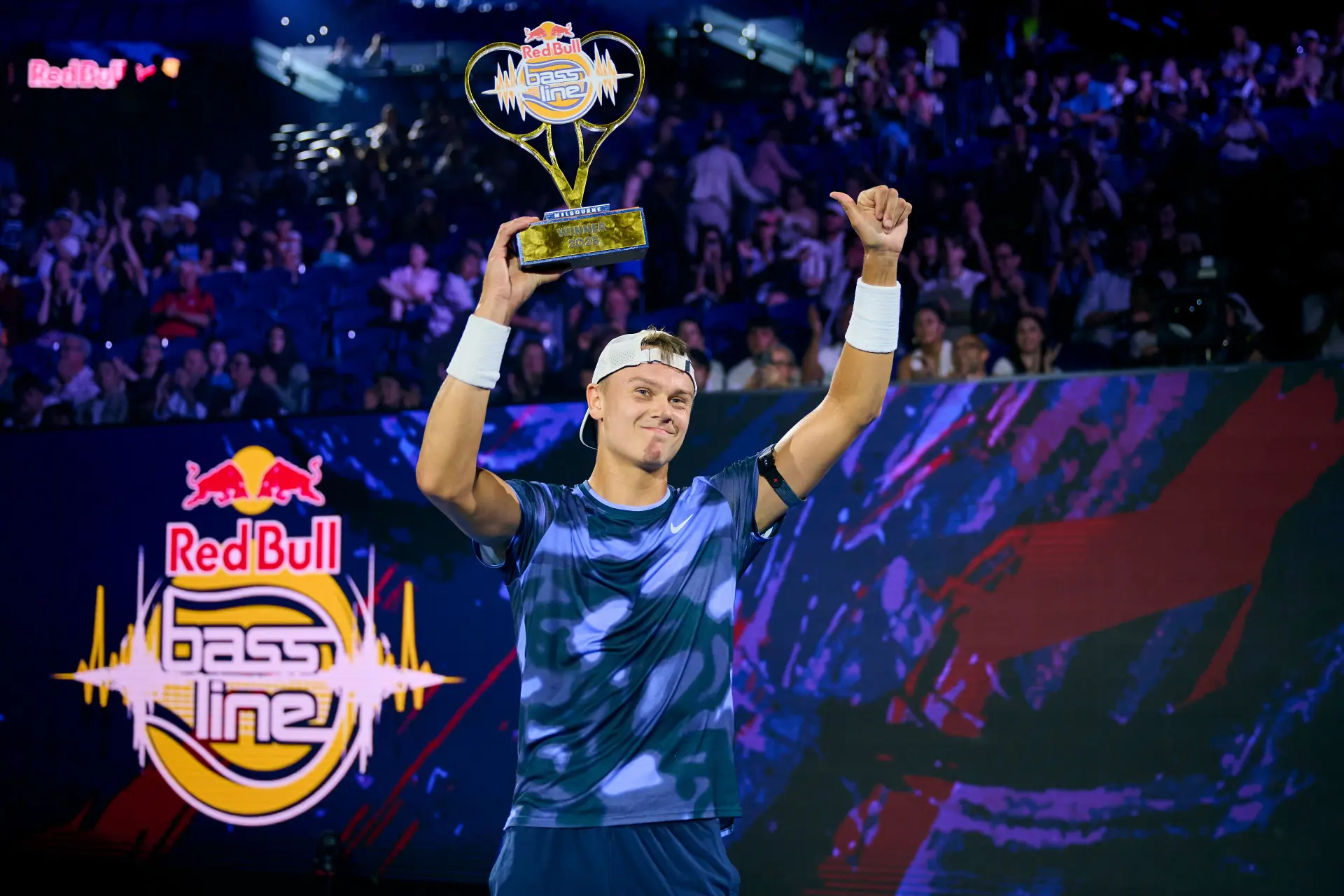
Rune weighs in on ATP calendar during absence
Following the tour from afar has also allowed Rune to observe the ongoing debate surrounding the ATP calendar. The expansion of several Masters 1000 events to two-week formats has intensified discussion among players about scheduling pressure and recovery time during long stretches of the season. “The calendar is very dense. I think the challenge is to find the right balance so that players can give their best in front of the fans. I don’t have a miracle solution.”
For now, however, Rune’s priority remains the final phase of rehabilitation before gradually reintroducing tennis-specific movement on court. “The next steps are to gradually intensify my work with more demanding exercises and eventually return to tennis with controlled movements on the court.”
“That return is planned soon," the former world No. 4 added. "Everything depends on how my body responds at each stage, so we are proceeding step by step. My goal is not to rush things but to come back as quickly and as safely as possible.”
For the moment—with no confirmed date for his return—everything suggests that the recovery process has been positive for the Dane. Early speculation even suggested he could miss the entire 2026 season, but preliminary reports now indicate a possible return around the middle of the year, with the objective of appearing at Roland Garros at the end of May—roughly seven months after the injury.

Cristhián AvilaTennis Journalist
Cristhián Ávila is a tennis journalist based in Santiago, Chile, and has been part of the TennisUpToDate team since early 2023. He covers the ATP and WTA Tours as well as all four Grand Slams, producing breaking news, match reports, analysis, and regular liveblogs from major tournaments.
His reporting combines statistical analysis with clear explanation, helping readers understand tactical developments, player form, and broader storylines across the tour. Working fluently in both Spanish and English, Cristhián collaborates with an international editorial team and contributes to comprehensive global coverage. As part of his work, he has conducted interviews and media interactions with leading figures in the sport, including Caroline Wozniacki and John McEnroe.
In his journalism, Cristhián places strong emphasis on careful sourcing, editorial accuracy, and updating articles promptly when new, verified information becomes available. His coverage is grounded in research, context, and direct engagement with professional tennis.
claps 0visitors 0
Just In


Popular News
Latest Comments
- great articlestennisseserver07-10-2026
- Medvedev was leading Djokovic 7-5, 3-5 when an attempted return..' NO you ignorants, Djokovic was leading .weiss05-10-2026
- No more bullshit "Wildcards" to these two. Qualify like everyone else -- there will be cameras there, too. Time to scream... WTF ????!!!!
 mandoist29-09-2026
 - Let's not BS the general public -- Sabalenka started showing cracks in her game last season. Her losses and near-losses started at about the same time she began being distracted by Fame (constant Selfies, making TV commercials, magazine shoots, endless Social Media nonsense, etc., etc.) One would think even Saba could recognize the parallels with others who failed before her -- Raducanu, Giorgi, Bouchard to name a few.mandoist25-09-2026
- Gross!! Hey Raducanu, Giorgi, and Bouchard -- reserve a seat at your Social Media Selfie table for Saba + Naomi. They're heading in your direction soon enough.mandoist24-09-2026
- And then these same players will complain about how lengthy their season’s were and need more time-off. I’m all for more tennis but the amount of tennis we get now is actually kind of crazy! We all need a break, especially the players.DaveyWavey23-09-2026
- You should do a comparison article for "different kinds of justice" the courts decide for tennis players. I can think of at least three players who received very small bans of a few months, however Tara Moore has been fighting for her literal survival the past few years. It seems odd considering she is not a "name" player, unlike the other cases.DaveyWavey22-09-2026
- PRIZE MONEY & POINTS Winner - $185,500 Finalist - $114,500 Semi-Finalist - $66,003 Quarter-Finalist - $35,000 Round of 16 - $18,045 Round of 32 - $13,005 Winner - 500 Finalist - 325 Semi-Finalist - 195 Quarter-Finalist - 108 Round of 16 - 60 Round of 32 - 1DaveyWavey20-09-2026
- Pegula withdrew from this Singapore event
 tennishappens19-09-2026
 - Serena Williams chose her tournaments. It's not such a bad idea.MuswellHillbilly17-09-2026

Loading