"The last details never returned, it was often a torment": Dominic Thiem admits 'mistakes' during road to retirement
ATP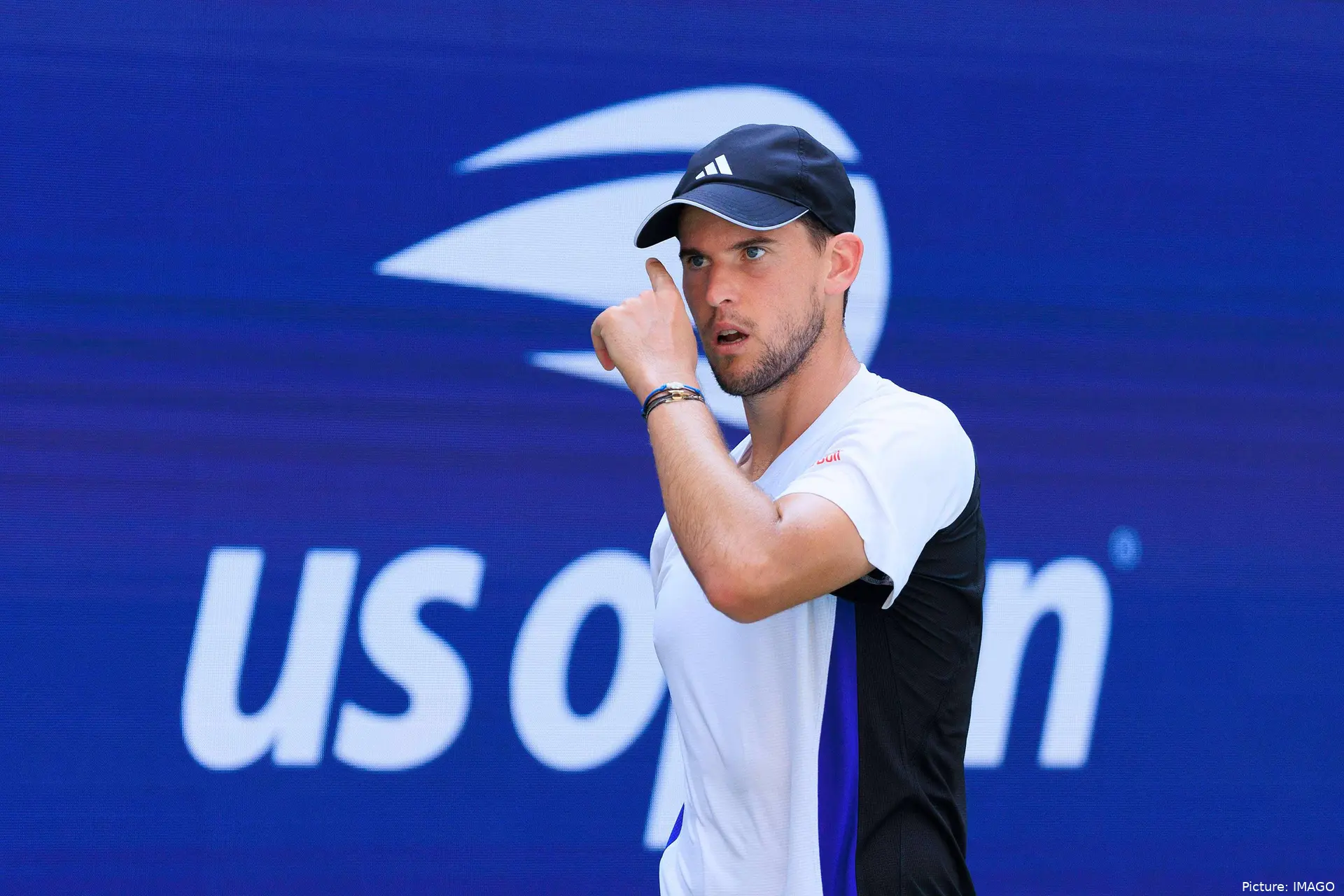
Dominic Thiem’s career has been a rollercoaster of triumph, struggle, and self-discovery. In a candid conversation, the Austrian tennis star reflected on the highs of winning the 2020 US Open, the challenges of injuries, and the process of moving on from a life defined by sport.
The US Open victory and the bubble of success
Thiem recalls the extraordinary build-up to his first Grand Slam win: “You prepare forever, you train hard, and then something unexpected happens, like a virus. It’s not like you think it’s not real, but it’s a lot to process.” After winning the Kitzbühel tournament in Austria, which might have been a 250-level event but carried immense home pressure, Thiem flew straight to Montreal to continue his preparations.
The US Open title meant everything to him at the time. “I had this naive belief that once I won, everything else would become easier,” he says. “I thought the pressure would lessen in future tournaments, and I could play freely. Those were incredibly naive thoughts.”
Read also
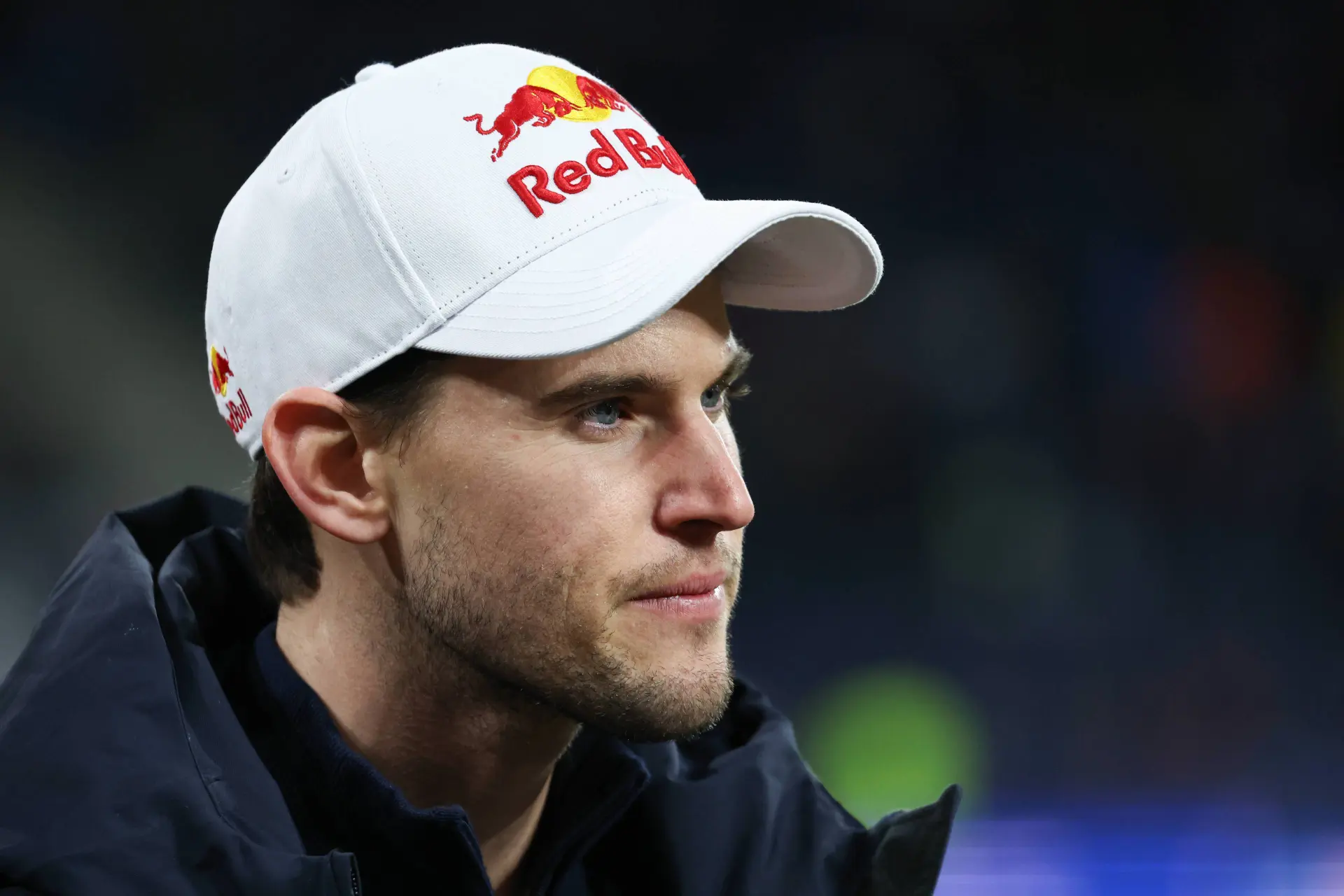
Looking back, the intensity of living in a “tennis bubble” became clear. Thiem explains that for years, he focused solely on performance, believing that nothing else mattered. “I was a bit aimless after the title. For so long, I lived so intensely for one thing. Looking back, maybe I should have thought differently. There are so many other things in life.”
Injury: The turning point
Thiem’s wrist injury marked a dramatic shift in his career. “It didn’t come from nowhere. Since I was 10 or 11, my wrist had been through a lot. When the injury happened at 28, it was difficult, but maybe better than if it had happened at 18 or 19,” he reflects.
He felt immediately that it was serious: “As a competitive athlete, you feel your body closely. You know right away when something is wrong. My style, especially my forehand, relied on my wrist. Suddenly, the subtle feeling didn’t come back, and everything changed.”
The road to recovery was arduous. Thiem made mistakes in his rehabilitation, starting too early and not giving his body enough time to heal. “After the comeback, I never felt as comfortable on court as before the injury. The last details never returned. It was often a torment, even though I had some nice successes.”
The decision to retire
By 2024, Thiem realized his professional career was reaching its natural conclusion. He describes feeling overburdened: “I was used to knowing that if I played well, I could win or beat anyone. But in recent years, I worried if I could even make the next Grand Slam main draw.”
A series of disappointing results in challenger tournaments in Hungary and Croatia made the decision clear. “I said to myself: it’s no use. I can hang on for a few more years, but that’s not what I want. That’s when I decided 2024 would be my last season.”
Thiem’s final year on the tour allowed him to say goodbye on his own terms, playing in Kitzbühel, the US Open, the French Open, and celebrating his farewell in Vienna.
Transitioning to life after tennis
Even before the season ended, Thiem was preparing for life beyond the tour. In March 2024, he and Stefan founded Team Energy, a project to help him transition into a new chapter. “Two worlds existed at the same time, which helped me start straight into the next chapter after the last match. That definitely saved me from falling into a hole,” he says.
While tennis will always be a big part of Thiem’s life, he was determined to explore new horizons. “For years, I wished to do something completely different. Tennis will always be a part of me, but it shouldn’t be the only part.”
Reflections on career and life
Looking back, Thiem sees his journey with both gratitude and perspective. “Winning the US Open was everything back then. Now, it’s an incredible experience I’m very happy about. But I dare to say that even without it, life would also be good.”
He recognizes the lessons that came from both the highs and lows: the intense preparation, the heartbreak of injury, and the reality of retirement. “You only learn to appreciate what your body can do when it suddenly doesn’t work anymore. It was bitter at first, but now I see how much my body endured and how lucky I am it lasted as long as it did.”

Samuel GillEditor-in-Chief
Samuel Gill is the Chief Content Officer (CCO) of TennisUpToDate.com, a role he has held since 2020. He is responsible for editorial governance across the platform, including setting content standards, overseeing accuracy and consistency, and guiding long-term editorial strategy. Since joining, he has contributed more than 10,000 articles and editorial pieces across the TennisUpToDate network, playing a central role in the daily operation and development of the site.
Based in Leicester, Samuel has a broad background in tennis media. In his current role, he works closely with editors and writers to ensure coverage meets clear journalistic standards, with particular attention to verification, consistency, and timely updates when new information becomes available.
claps 0visitors 0
Just In

Popular News
Latest Comments
- A healthy Qinwen may be hard to stop next season. She was already scaring her opponents before her medical leave(s). Unfortunately, Zheng insisted on singing again. On the positive side -- Mirra did not sing!! ;~}
 mandoist11-10-2026
 - Where is it written that athletes, entertainers... People in general... are mandated to keep looking at -- or even using [anti]Social Media? Public & private figures consistently complain and reveal their concerns about negativity and violence thrown at them -- yet they insist on participating. Avoid it, don't use it, don't read it. It's okay to occasionally look up at the World instead beating your eyes & thumbs to death on The Inventions out there.mandoist11-10-2026
- great articlestennisseserver07-10-2026
- Medvedev was leading Djokovic 7-5, 3-5 when an attempted return..' NO you ignorants, Djokovic was leading .weiss05-10-2026
- No more bullshit "Wildcards" to these two. Qualify like everyone else -- there will be cameras there, too. Time to scream... WTF ????!!!!mandoist29-09-2026
- Let's not BS the general public -- Sabalenka started showing cracks in her game last season. Her losses and near-losses started at about the same time she began being distracted by Fame (constant Selfies, making TV commercials, magazine shoots, endless Social Media nonsense, etc., etc.) One would think even Saba could recognize the parallels with others who failed before her -- Raducanu, Giorgi, Bouchard to name a few.mandoist25-09-2026
- Gross!! Hey Raducanu, Giorgi, and Bouchard -- reserve a seat at your Social Media Selfie table for Saba + Naomi. They're heading in your direction soon enough.mandoist24-09-2026
- And then these same players will complain about how lengthy their season’s were and need more time-off. I’m all for more tennis but the amount of tennis we get now is actually kind of crazy! We all need a break, especially the players.DaveyWavey23-09-2026
- You should do a comparison article for "different kinds of justice" the courts decide for tennis players. I can think of at least three players who received very small bans of a few months, however Tara Moore has been fighting for her literal survival the past few years. It seems odd considering she is not a "name" player, unlike the other cases.DaveyWavey22-09-2026
- PRIZE MONEY & POINTS Winner - $185,500 Finalist - $114,500 Semi-Finalist - $66,003 Quarter-Finalist - $35,000 Round of 16 - $18,045 Round of 32 - $13,005 Winner - 500 Finalist - 325 Semi-Finalist - 195 Quarter-Finalist - 108 Round of 16 - 60 Round of 32 - 1DaveyWavey20-09-2026

Loading