“It would have been gone by 2017”: Craig Tiley reveals Melbourne nearly lost the Australian Open
Tennis News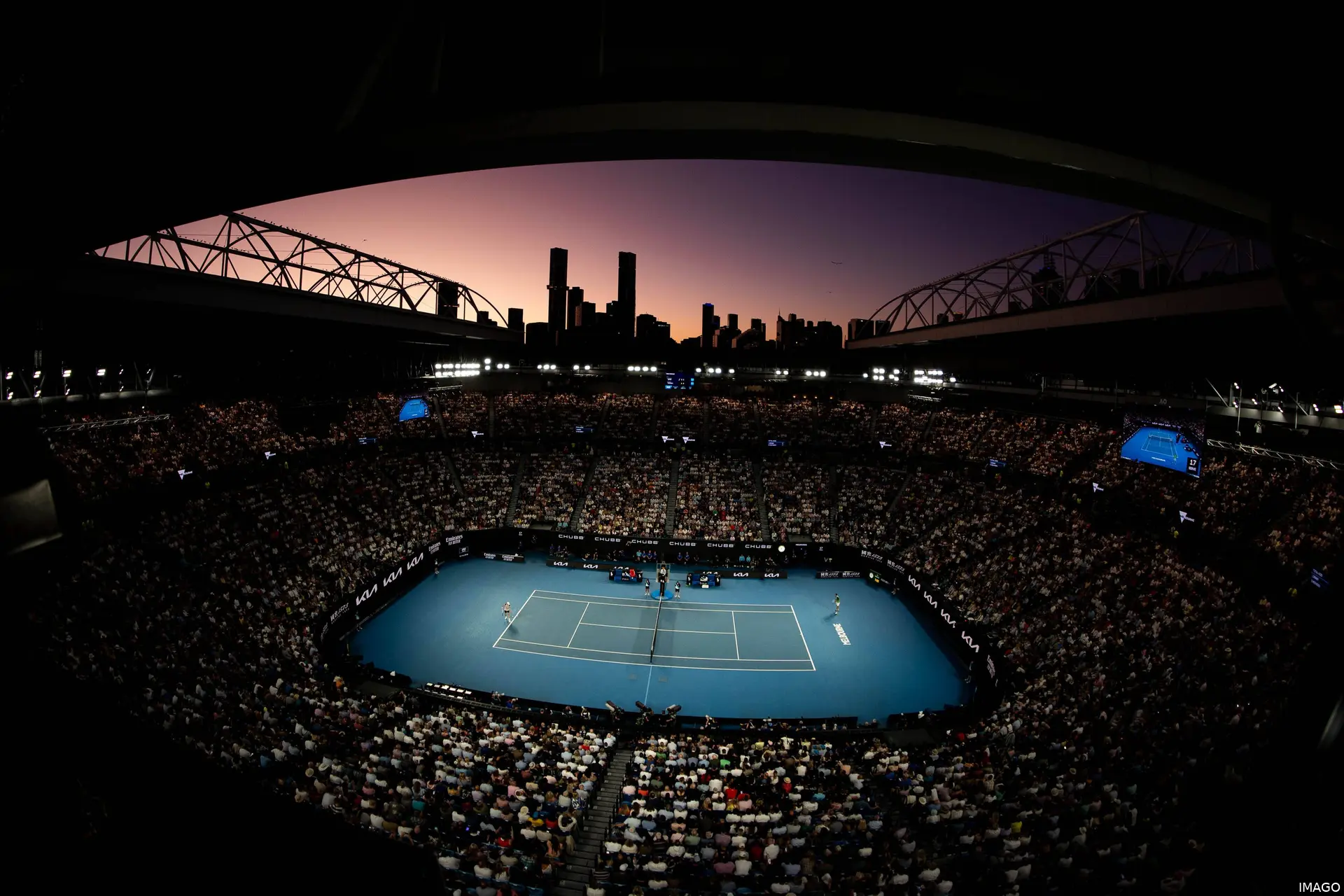
Craig Tiley has revealed that Melbourne was on the verge of losing the Australian Open in the mid-2010s, stating the tournament “would have been gone by 2017” without decisive government intervention. His remarks come just days after confirmation that he will step down as CEO of Tennis Australia to become the new head of the United States Tennis Association (USTA).
The timing gives added significance to his comments. After nearly two decades overseeing the growth and commercial expansion of the season’s first Grand Slam, Tiley reflected on a period when Melbourne’s grip on the event was far from secure. At that stage, rival cities were actively exploring the possibility of taking over hosting rights.
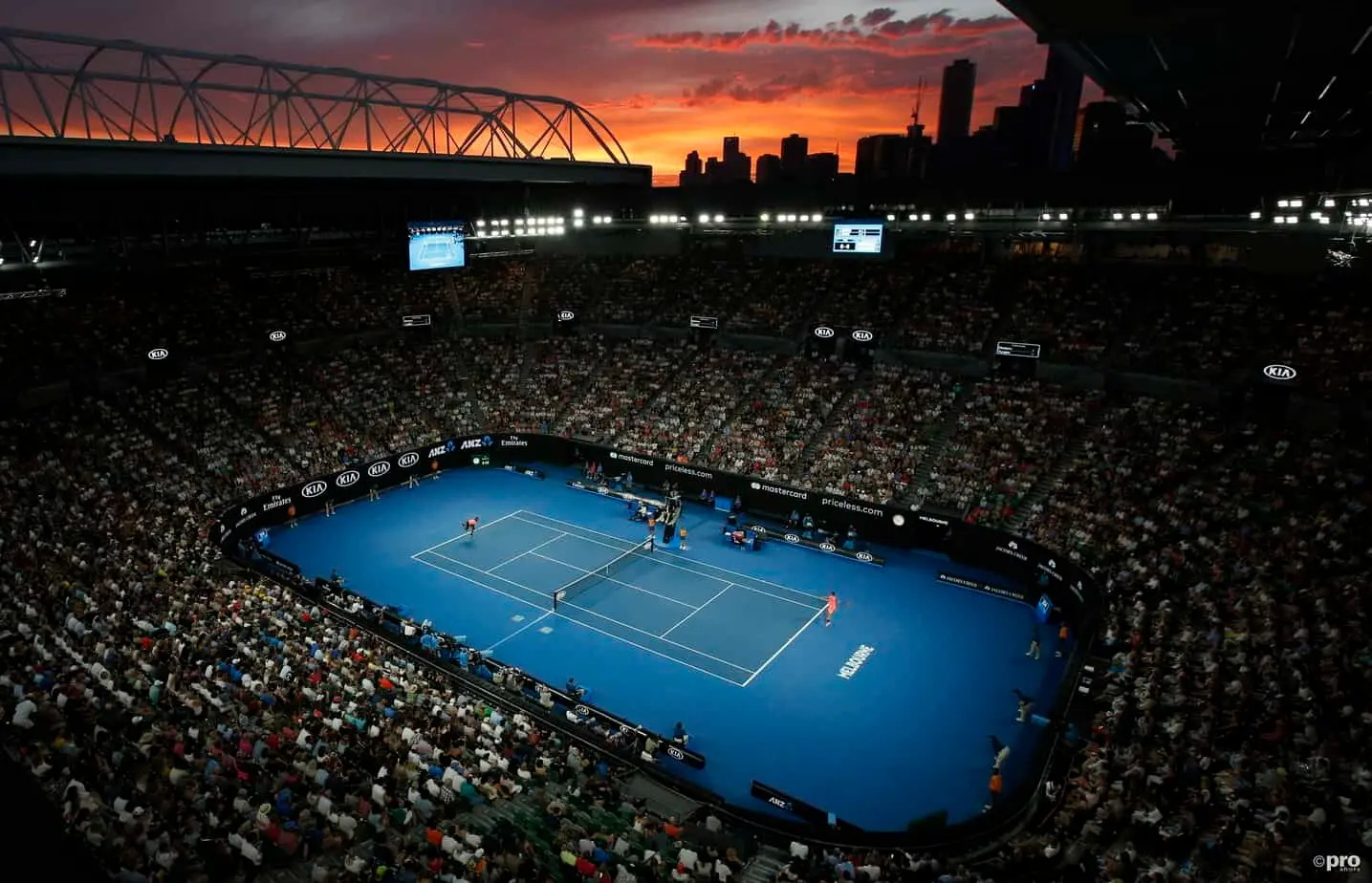
Today, the tournament appears firmly embedded at Melbourne Park, where the 2026 edition drew more than 1.3 million spectators across qualifying and main draw. Over the past decade, the event has generated close to $3.5 billion for the Victorian economy, reinforcing its status as one of the state’s flagship sporting assets.
But behind that stability lies a chapter of uncertainty. With the hosting contract expiring in 2016 and growing international interest, the Australian Open’s long-term future in Melbourne once depended on infrastructure commitments and political backing.
“It would have been gone by 2017”
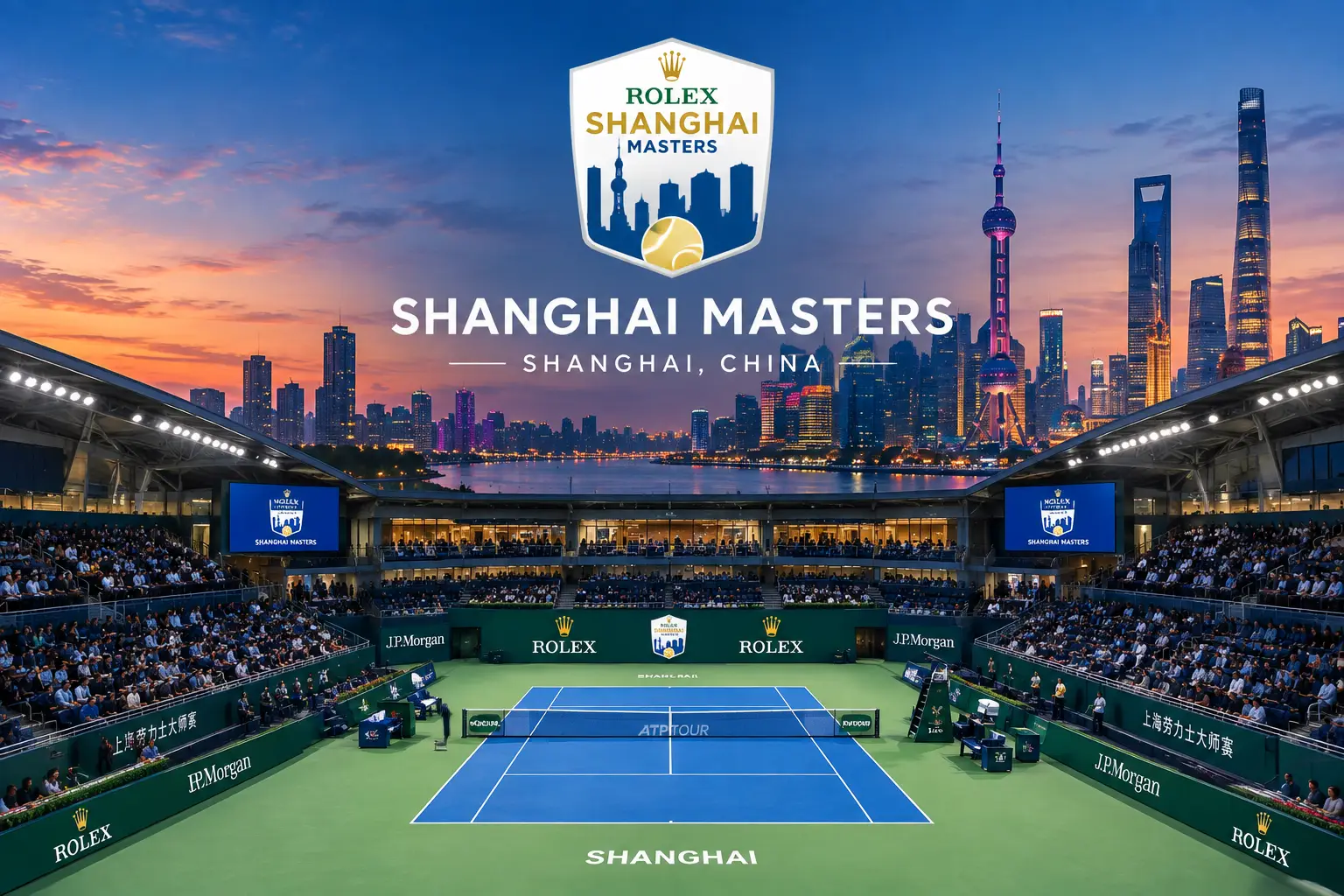
Speculation intensified in the late 2000s and early 2010s that the tournament could relocate, with Sydney and Shanghai among the cities linked to potential bids. The expiration of the Victorian Government agreement created leverage for competing markets eager to secure a Grand Slam event.
Speaking on SEN’s Whateley, Tiley was direct about the stakes involved. “If there was not an investment by the Victorian Government in the further redevelopment, it would have been gone by 2017.
Contract was up in 2016, and there was a great deal of interest from the city of Sydney, from the city of Shanghai.
And you can see today why there was a great deal of interest with the impact that it has on the city.”
Read also
The turning point came in 2010 with a $363 million redevelopment commitment at Melbourne Park, the first stage of a broader precinct transformation. That initial investment ultimately expanded into a billion-dollar upgrade designed to modernise facilities and reinforce the tournament’s global standing.
“So, the Victorian government made a very good decision back then to make an investment, and there’s a billion-dollar investment that was made in the precinct.
Half of it was specifically for tennis players; the other half was a general upgrade to the precinct. So that was close.”
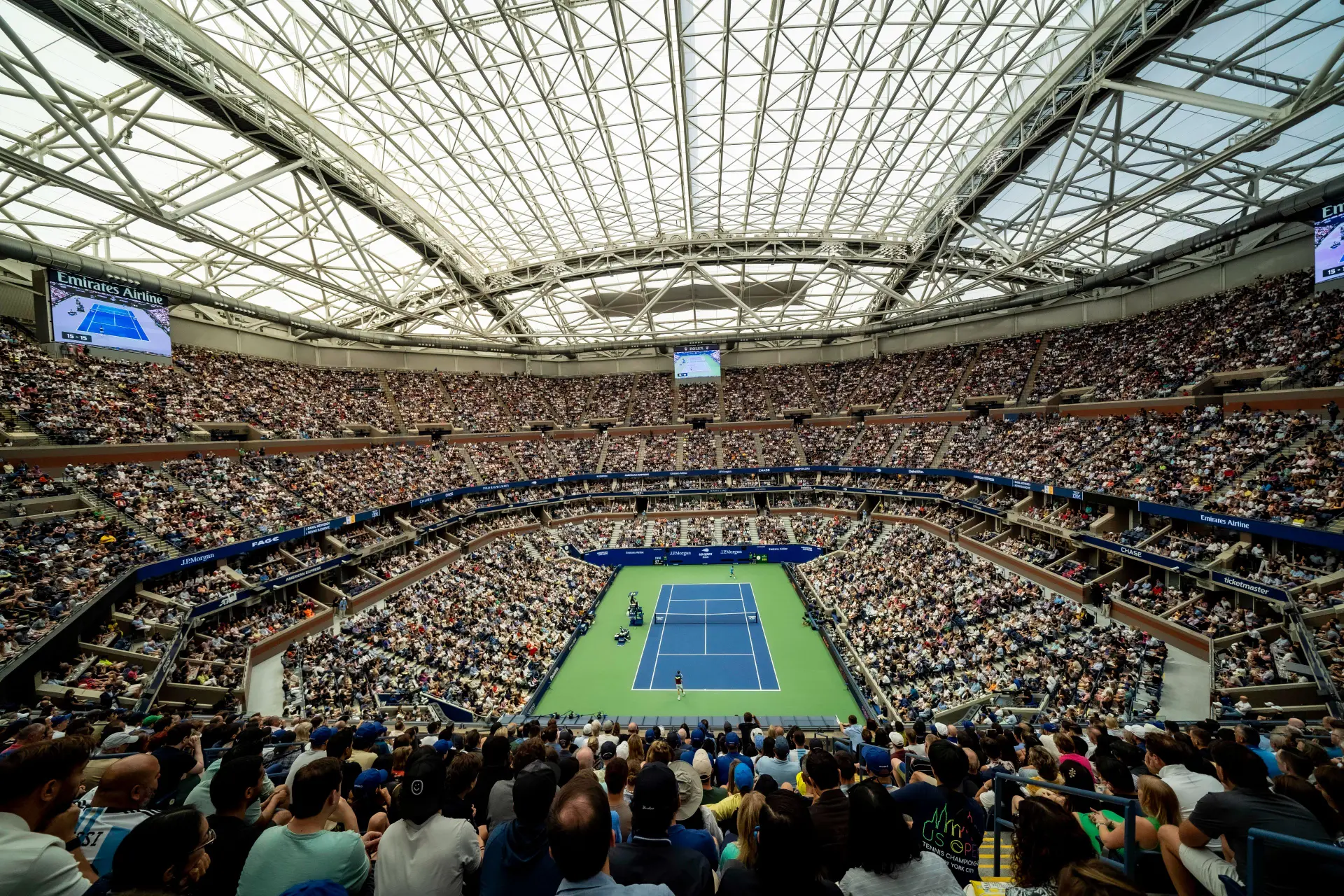
The redevelopment strengthened player amenities and spectator infrastructure, factors that proved decisive in maintaining Melbourne’s competitiveness as a host city.
A second critical moment during Covid
The relocation scare was not the only period when Melbourne’s hold on the Australian Open faced pressure. During the Covid-19 pandemic, the tournament’s continuity was again in doubt as Australia imposed strict border controls and quarantine measures.
Tennis Australia committed its entire $80 million cash reserve and secured a $40 million loan to stage the delayed 2021 edition. Chartered flights were arranged to transport players and support staff into the country, ensuring the event could proceed despite global travel disruption.
Tiley described that period as another defining test for the tournament’s stability. “And then during Covid, we were reminded (that) when not running an event changes the event.”
With Australia geographically distant from the sport’s traditional power bases in Europe and North America, Tiley warned that skipping even one edition could have altered long-term perceptions among players.
“It was really important to get that going because that could have been a moment when, again, if the Australian Open didn’t happen, the players can point to the difficulty of the distance," he expanded on that concern. "And not having it for one or two of the COVID years would have negatively impacted (the tournament).
So, we were very focused and very fortunate we had a government that very clearly understood that if it didn’t happen, it’s going to be a problem.”
The Australian Open is now contracted to remain in Melbourne until 2046. As Tiley prepares to relocate to the United States and assume leadership of the USTA, his reflections underline how precarious the tournament’s position once was — and how close Melbourne came to losing its Grand Slam altogether.

Cristhián AvilaTennis Journalist
Cristhián Ávila is a tennis journalist based in Santiago, Chile, and has been part of the TennisUpToDate team since early 2023. He covers the ATP and WTA Tours as well as all four Grand Slams, producing breaking news, match reports, analysis, and regular liveblogs from major tournaments.
His reporting combines statistical analysis with clear explanation, helping readers understand tactical developments, player form, and broader storylines across the tour. Working fluently in both Spanish and English, Cristhián collaborates with an international editorial team and contributes to comprehensive global coverage. As part of his work, he has conducted interviews and media interactions with leading figures in the sport, including Caroline Wozniacki and John McEnroe.
In his journalism, Cristhián places strong emphasis on careful sourcing, editorial accuracy, and updating articles promptly when new, verified information becomes available. His coverage is grounded in research, context, and direct engagement with professional tennis.
claps 0visitors 0
Just In

Popular News
Latest Comments
- A healthy Qinwen may be hard to stop next season. She was already scaring her opponents before her medical leave(s). Unfortunately, Zheng insisted on singing again. On the positive side -- Mirra did not sing!! ;~}
 mandoist11-10-2026
 - Where is it written that athletes, entertainers... People in general... are mandated to keep looking at -- or even using [anti]Social Media? Public & private figures consistently complain and reveal their concerns about negativity and violence thrown at them -- yet they insist on participating. Avoid it, don't use it, don't read it. It's okay to occasionally look up at the World instead beating your eyes & thumbs to death on The Inventions out there.mandoist11-10-2026
- great articlestennisseserver07-10-2026
- Medvedev was leading Djokovic 7-5, 3-5 when an attempted return..' NO you ignorants, Djokovic was leading .weiss05-10-2026
- No more bullshit "Wildcards" to these two. Qualify like everyone else -- there will be cameras there, too. Time to scream... WTF ????!!!!mandoist29-09-2026
- Let's not BS the general public -- Sabalenka started showing cracks in her game last season. Her losses and near-losses started at about the same time she began being distracted by Fame (constant Selfies, making TV commercials, magazine shoots, endless Social Media nonsense, etc., etc.) One would think even Saba could recognize the parallels with others who failed before her -- Raducanu, Giorgi, Bouchard to name a few.mandoist25-09-2026
- Gross!! Hey Raducanu, Giorgi, and Bouchard -- reserve a seat at your Social Media Selfie table for Saba + Naomi. They're heading in your direction soon enough.mandoist24-09-2026
- And then these same players will complain about how lengthy their season’s were and need more time-off. I’m all for more tennis but the amount of tennis we get now is actually kind of crazy! We all need a break, especially the players.DaveyWavey23-09-2026
- You should do a comparison article for "different kinds of justice" the courts decide for tennis players. I can think of at least three players who received very small bans of a few months, however Tara Moore has been fighting for her literal survival the past few years. It seems odd considering she is not a "name" player, unlike the other cases.DaveyWavey22-09-2026
- PRIZE MONEY & POINTS Winner - $185,500 Finalist - $114,500 Semi-Finalist - $66,003 Quarter-Finalist - $35,000 Round of 16 - $18,045 Round of 32 - $13,005 Winner - 500 Finalist - 325 Semi-Finalist - 195 Quarter-Finalist - 108 Round of 16 - 60 Round of 32 - 1DaveyWavey20-09-2026

Loading