“I had one match point”: Elena Rybakina reflects on narrow Indian Wells final loss to Aryna Sabalenka
WTA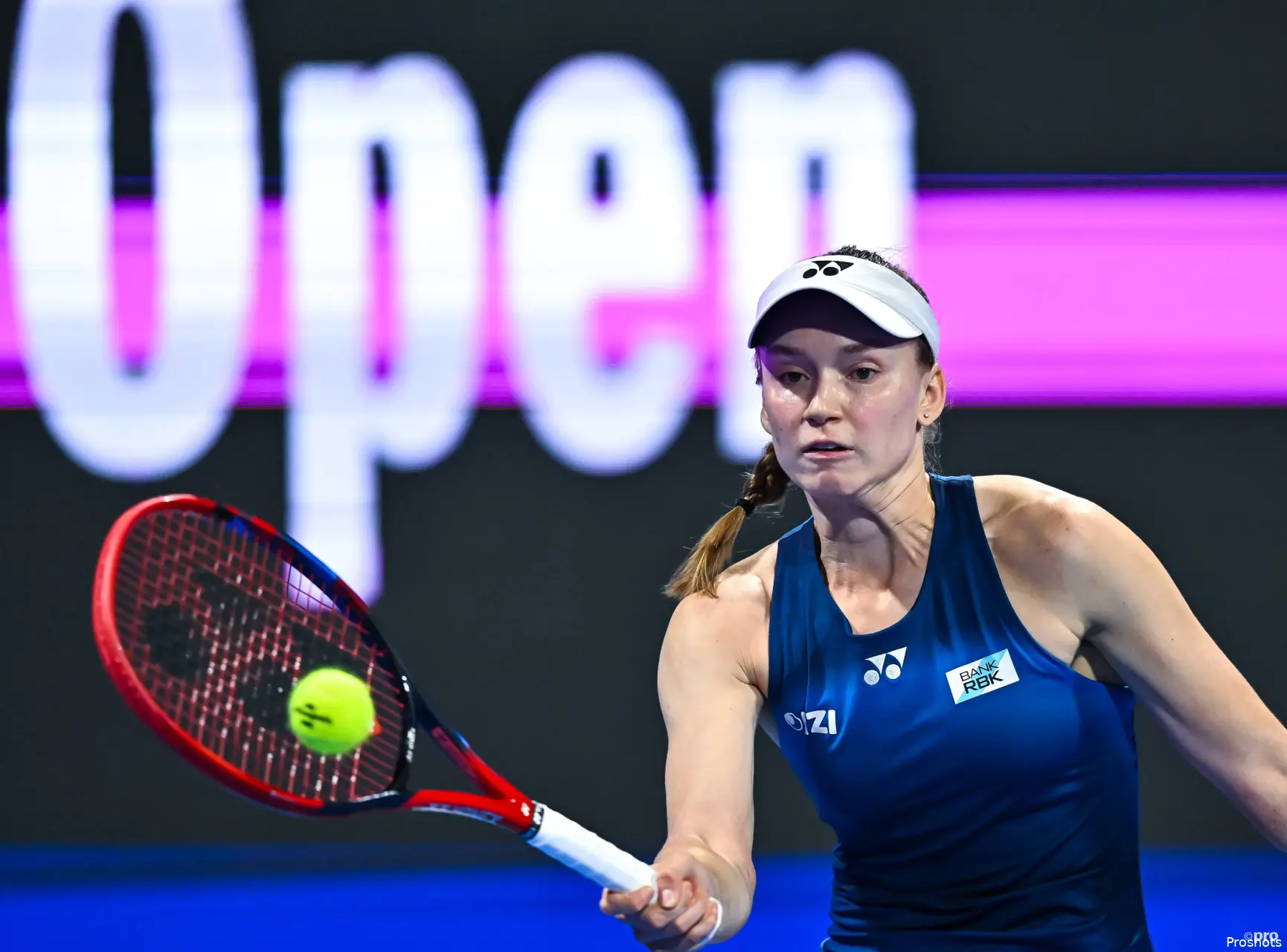
Elena Rybakina acknowledged that small margins decided the 2026 BNP Paribas Open final after falling to Aryna Sabalenka in a three-set battle on Sunday in Indian Wells. The Kazakh player came within a point of the title before the World No. 1 rallied to claim a 3-6, 6-3, 7-6(6) victory and secure her first title at Tennis Paradise.
The result marked Sabalenka’s 23rd career WTA title and her second trophy of the 2026 season after Brisbane. For Rybakina, the defeat was particularly painful given the position she held in the deciding set, having led by a break and later holding a championship point in the final-set tiebreak.
The final was notable for its context at the top of the women’s game. It was the first Indian Wells championship match since 2012 to feature two top-three players, with Sabalenka ranked World No. 1 and Rybakina set to rise to World No. 2 following the tournament.
Despite the disappointment, Rybakina described the match as a tight and physically demanding contest shaped by conditions, momentum swings and the narrow margins typical of elite-level encounters.
Rybakina points to energy drop and heat in turning point
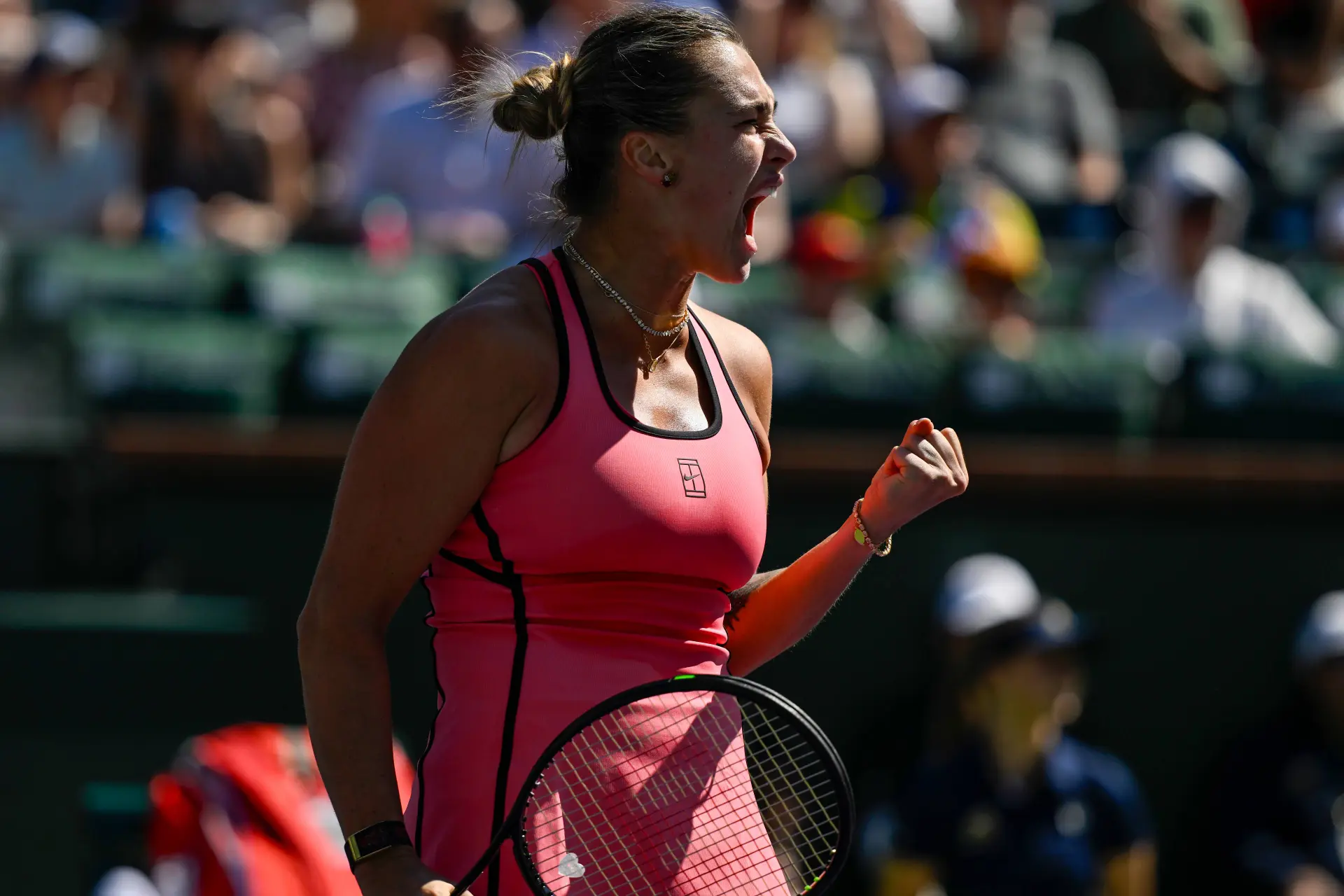
Rybakina said she began the match strongly but struggled to maintain the same level of intensity as the contest progressed. After taking the opening set 6-3, she admitted that a noticeable drop in energy allowed Sabalenka to regain momentum and force the match into a deciding set.
The 2022 Wimbledon champion explained that the combination of heat and physical demands contributed to the shift. She noted that conditions at the California desert venue often play a significant role, particularly in daytime matches where temperatures and sunlight can become a factor. “I think I started the match well. Then my level of energy dropped a lot," Rybakina said duting her press conference. "Of course, losing in the second set gives confidence also to your opponent.”
Rybakina also indicated that the conditions added another layer of difficulty as the match wore on, especially during the final set when both players were dealing with fatigue. “The third set was a fight with the conditions, with the opponent, and with yourself at some point. It wasn't easy with such heat.”
She further explained that the intensity of the sun affected her physically during the middle phase of the match and forced her to slow the pace at times. “I think the sun was pretty strong, and I would say that it hit me in the second set quite a lot. I really couldn't push much.”
Tactical battle against Sabalenka’s serve
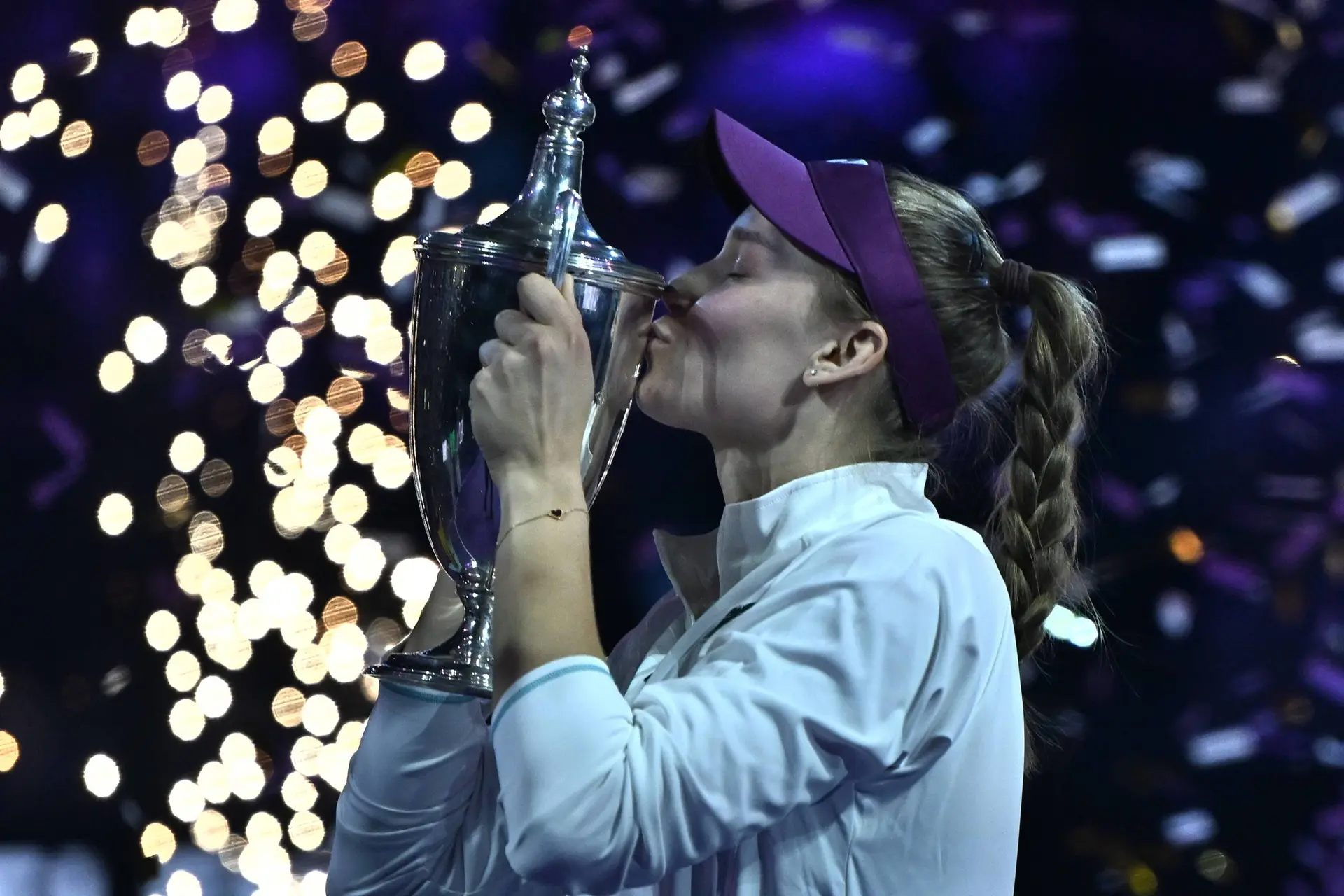
Facing Sabalenka, one of the most aggressive servers on the WTA Tour, presented its own challenges. Rybakina acknowledged that even when anticipating the direction of the serve, the pace and variation made returning consistently difficult.
The Kazakh player explained that both competitors attempted tactical adjustments throughout the match. In encounters between top players who know each other well, she said, the difference often comes down to execution in the biggest moments. She pointed to Sabalenka’s serving variety and pace as a persistent obstacle during the match, especially when the Belarusian mixed first serves with kick deliveries on second serve. “Her serve is not easy to return, if it's first serve or she's going with a kick.”
Rybakina also emphasised that preparation plays a major role in these high-level encounters, with both teams analysing patterns and potential scenarios ahead of time. “Well, we have a team which prepares us for different scenarios of the match. And of course we know our strengths and sometimes even knowing where she serves.”
Narrow margins decide the Indian Wells final
Ultimately, Rybakina framed the outcome as a match defined by extremely fine margins. Despite holding the advantage at several moments in the deciding set, she acknowledged that the difference between winning and losing often comes down to a single point in matches between top players.
The Kazakh had entered the final in strong form, carrying a 12-match winning streak against Top-10 opponents and holding a positive record against World No. 1-ranked players. She had also won four consecutive finals against Sabalenka prior to this meeting, including the 2025 WTA Finals and the 2026 Australian Open.
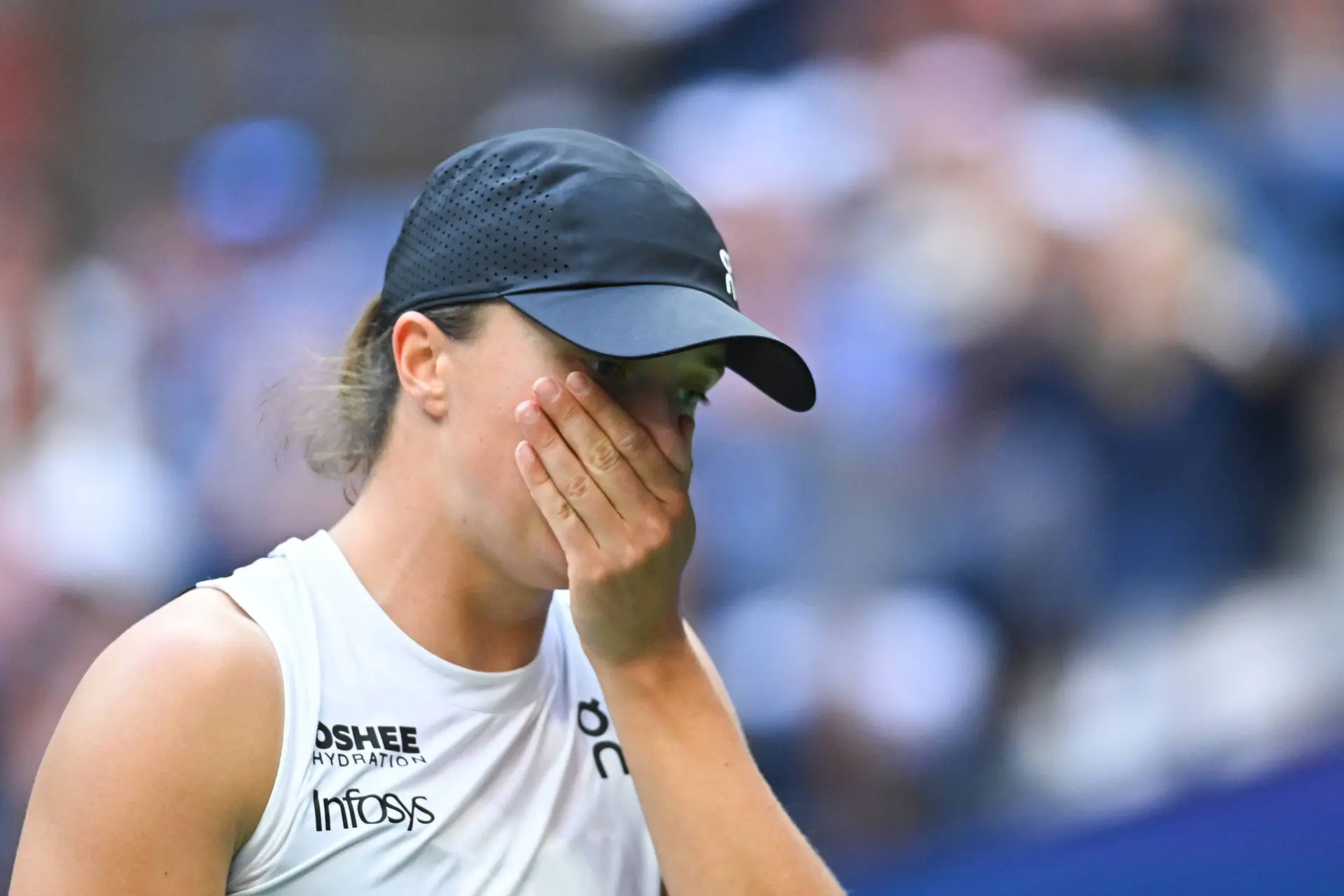
Still, she accepted that the decisive moment came when she was unable to convert her opportunity late in the match. “So we both tried to change some things, and in the important moments the difference is this extra energy, extra push,” the new world No. 2 said. “I had the one match point and she returned pretty well, so it's tough to say.”
“But from my side I could say that I should have done better in the second set… I did everything possible, but still if you have this little difference — and I had a match point — I could have done better in the end.”


Cristhián AvilaTennis Journalist
Cristhián Ávila is a tennis journalist based in Santiago, Chile, and has been part of the TennisUpToDate team since early 2023. He covers the ATP and WTA Tours as well as all four Grand Slams, producing breaking news, match reports, analysis, and regular liveblogs from major tournaments.
His reporting combines statistical analysis with clear explanation, helping readers understand tactical developments, player form, and broader storylines across the tour. Working fluently in both Spanish and English, Cristhián collaborates with an international editorial team and contributes to comprehensive global coverage. As part of his work, he has conducted interviews and media interactions with leading figures in the sport, including Caroline Wozniacki and John McEnroe.
In his journalism, Cristhián places strong emphasis on careful sourcing, editorial accuracy, and updating articles promptly when new, verified information becomes available. His coverage is grounded in research, context, and direct engagement with professional tennis.
claps 0visitors 0
Just In


Popular News
Latest Comments
- Lena... Takin' care of business
 mandoist25-10-2026
 - Can you please stop publishing this nonsense? Stick to Tennis.mandoist25-10-2026
- Does Sinner need that 4.5 mil? I doubt it. He can make that with three modelling gigs!😅🤣Rapunzel21-10-2026
- Did "People Magazine" purchase this website? This nonstop storyline is bullshit.mandoist21-10-2026
- Listen... this is of no concern to anyone but these two. Deal with your own issues -- most of us have our own. Thanks, media, for these insignificant follow-ups which are meaningless.mandoist21-10-2026
- This is so very very sad, for all three of them. I truly thought they had an unbreakable bond, but life throws up so many differing challenges. Having your homeland suffering in such a terrible way, makes happiness lose out to guilt as well. Our thoughts are with them. X💔bjsexton20-10-2026
- I have lost all respect for Svitolina! Could she not have waited until he had played at the Paris Masters!!! She is selfish and don't give a damn about Gael. That is NOT how love is demonstrated Elina!!Rapunzel19-10-2026
- Perhaps convenient tennis tour sex is not a strong enough experience in which to base a marriage?mandoist19-10-2026
- Fight the Good Fight... Tennis (sports in general) need more Humans such as yourself.mandoist18-10-2026
- When is WTA going to mandate Genetic Testing (DNA) ???mandoist18-10-2026

Loading