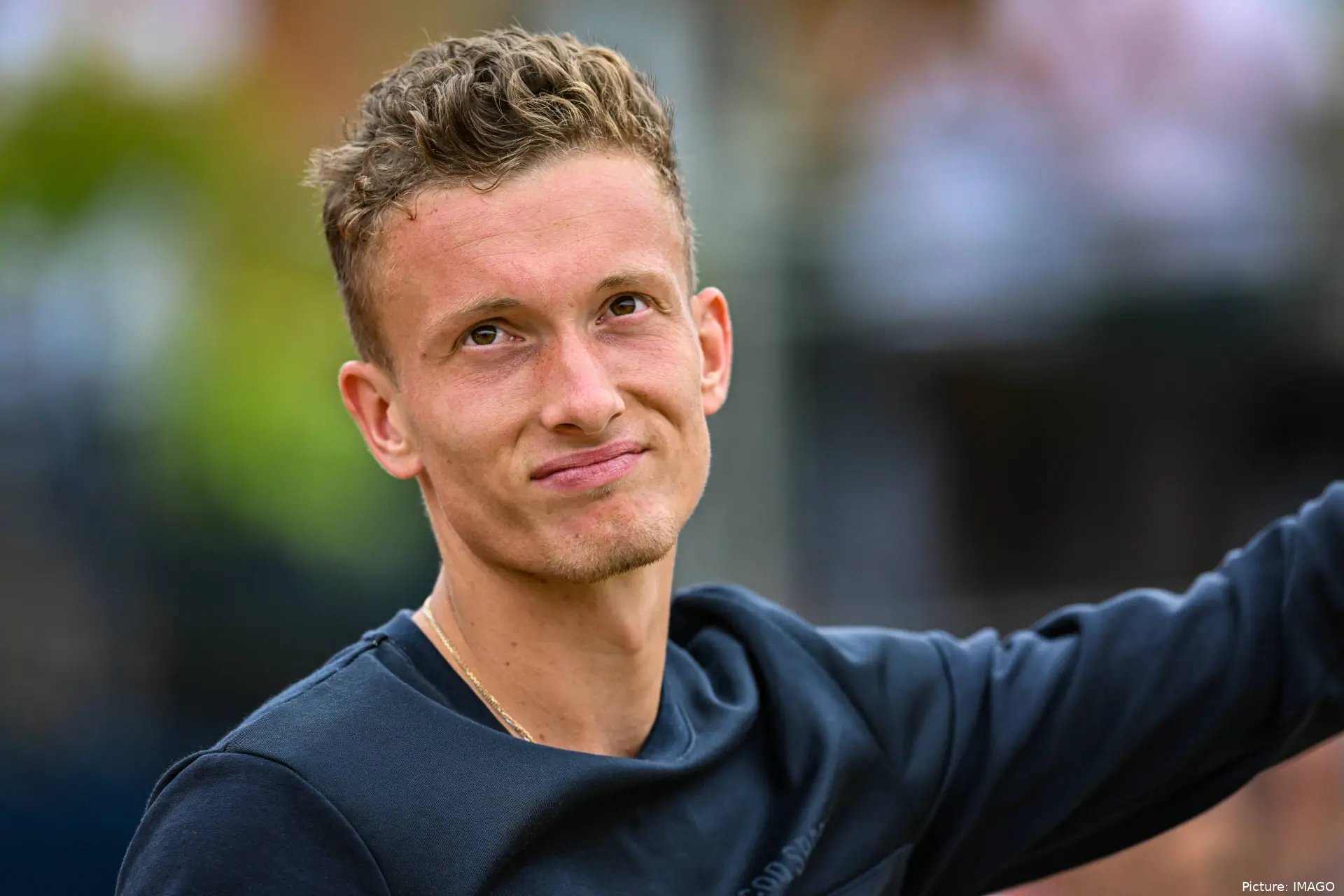
Jiri Lehecka’s run to the final of the Miami Open marks a defining moment in his career, with the Czech securing his first appearance in a Masters 1000 title match after a controlled and tactically clear semi-final victory over Arthur Fils. At 24, Lehecka is guaranteed a new career-high ranking of No. 14, with the possibility of climbing to No. 12 should he lift the title.
The result carries additional weight given his history at this level. Two years ago, Lehecka reached his first Masters 1000 semi-final in Madrid, only to be forced to retire early against Felix Auger-Aliassime due to injury. This time, on hard courts in Miami, he completed the job physically and tactically, producing one of the most complete performances of his season.
His progression also adds context to a career that has been building steadily rather than explosively. Lehecka has now reached six ATP finals, winning two titles, including Brisbane International 2025, where he defeated Reilly Opelka. However, this marks his first final at Masters 1000 level, a step that reflects both consistency and adaptation across surfaces.
The semi-final itself was shaped by a clear tactical framework, particularly on return. Facing one of the most aggressive forehands in the draw, Lehecka prioritised early control of rallies, limiting Fils’ ability to dictate from the baseline while maintaining strong serving numbers of his own throughout the match.

Aggressive return sets tone against Fils
Lehecka’s approach against Fils was defined by first-strike intent, particularly on return. The Czech broke serve four times, consistently applying pressure in the opening shots of rallies and preventing the Frenchman from establishing rhythm. It was a deliberate adjustment based on familiarity, as the pair were meeting for the fourth time on tour.
“I played against Arthur a couple of weeks ago. This was our fourth meeting, so we kind of know each other," Lehecka said to Tennis Channel. "I knew and I felt that today would be very important to start each point very well and to get him under the pressure since the first ball. It doesn't matter whether I was serving or returning. I knew that he cannot have his own time with his forehand because that would be a massive problem for me.”
The execution of that plan was supported by efficiency on serve. Lehecka landed 73% of first serves and won 82% of those points, maintaining scoreboard pressure while controlling the tempo of exchanges. Even in moments where his first serve percentage dipped, he showed the ability to recover within games.
“And on my service games, I was just trying to do what I was doing the whole week. When it's going well, it's easy. But what I'm very happy about, even this week, there were some moments when I wasn't feeling great. First two, three points didn't go how I wanted with my serve. But the important thing is that I kind of bounced back and helped myself again with the first serve in the end of each game.”
Read also
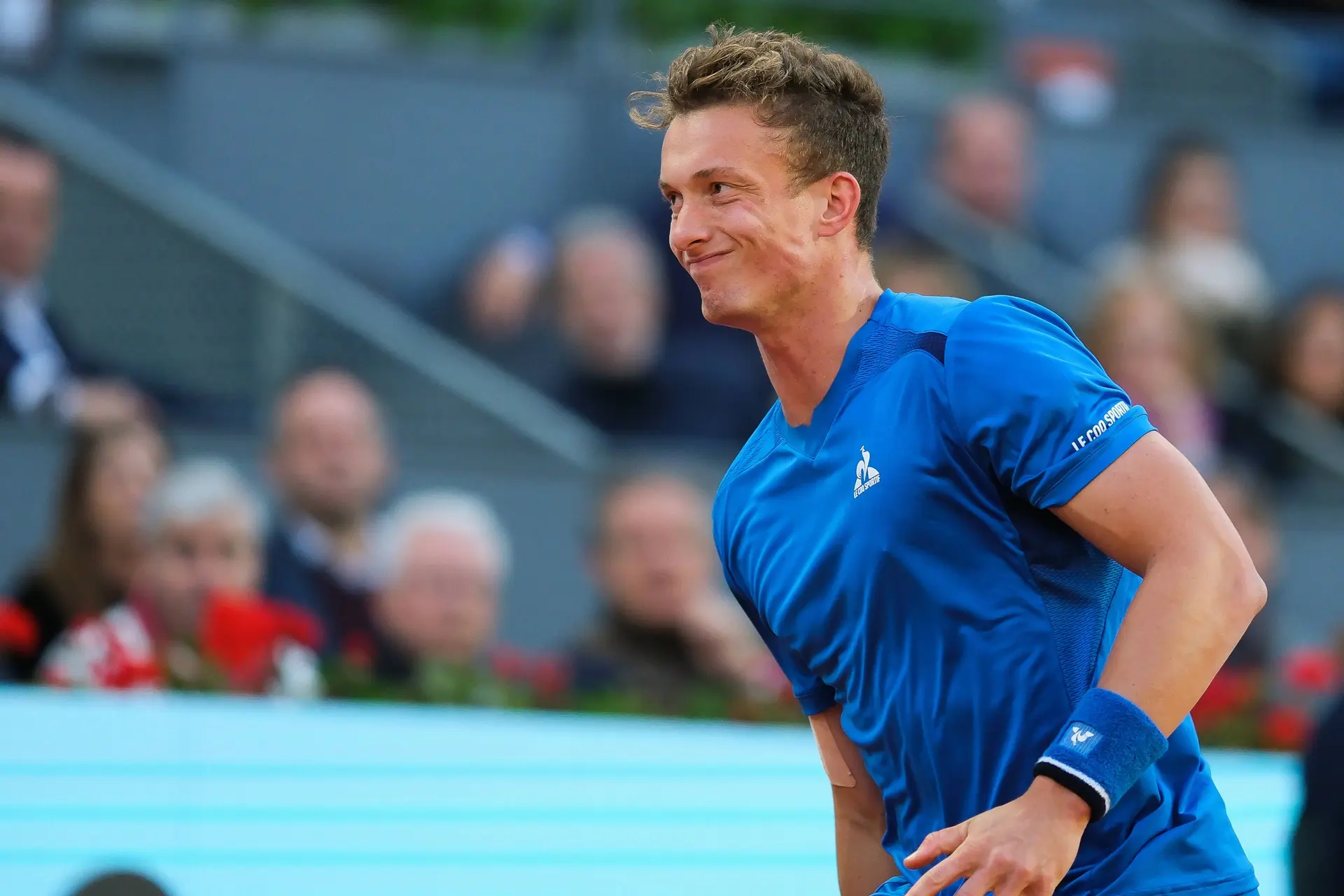
Mental adaptation and match context prove decisive
Beyond the tactical layer, Lehecka highlighted a shift in mentality depending on match context. Unlike earlier rounds, where he entered as favourite, the semi-final against Fils required a different internal framing, particularly given the stakes of reaching a first Masters 1000 final.
His ability to manage that transition — balancing pressure with clarity — reflected a broader development in his competitive approach, supported in part by work with a mental coach and increased awareness of in-match dynamics. “These two matches were very different. Against Martin, I felt that I'm the one who is the favourite. Today I felt it's more like a 50-50 match. We both knew what to expect from each other. I knew that I just need to focus on myself most of the time. And at the same time, just enjoy that you are in the semifinal.”
That composure has been particularly relevant given the trajectory of his season. Lehecka entered 2026 without strong early results, struggling in Australia while managing the after-effects of an injury sustained in his opening match of the year. The turnaround since then has been built less on immediate results and more on accumulated work.
Process-driven recovery after slow start to season
Lehecka’s Miami run is rooted in a longer process that extends beyond recent matches. After a disrupted start to the year, he emphasised continuity in preparation, both on court and physically, as the foundation for his current level.
The consistency of that approach — rather than short-term adjustments — has been central to his progression back into contention at the top level, particularly in a draw that has demanded sustained physical and mental performance across rounds.
“My start to this year wasn't very good. In Australia, I wasn't playing good tennis,” the 24-year-old Czech said. “I was coming back from an injury that happened to me in the first match of this year. But I knew that even my preseason and the weeks after Australia were very Good”
“I was practicing a lot, spending a lot of hours on the court and also in the gym. So I knew that a few matches will not go your way, but the work is there. The work will not disappear. So just keep doing what you're doing and the result will come.”
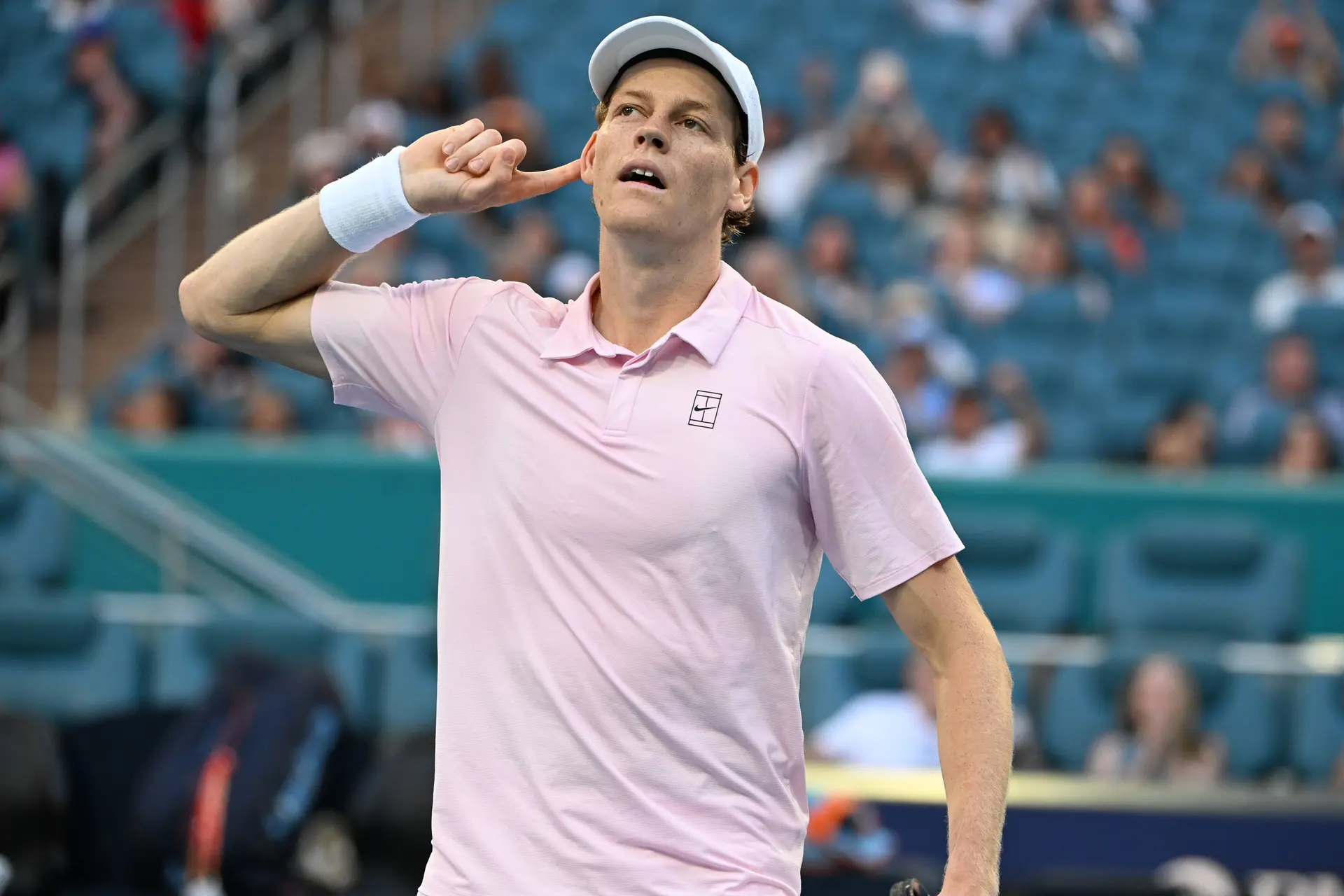
That process has now translated into a career-defining opportunity. Awaiting him in the final is either Jannik Sinner or Alexander Zverev — both established at this level — but Lehecka’s position reflects a player arriving with clarity in both structure and execution. “I will just try to do what I do the best. I will just try to play my game, and we will see how it goes.”
Jiri Lehecka — Road to Miami Open 2026 Final
| Round | Opponent | Opponent Ranking | Score |
| R64 | Moise Kouame | No. 385 | 6-4, 6-3 |
| R32 | Ethan Quinn | No. 56 | 6-3, 7-6(6) |
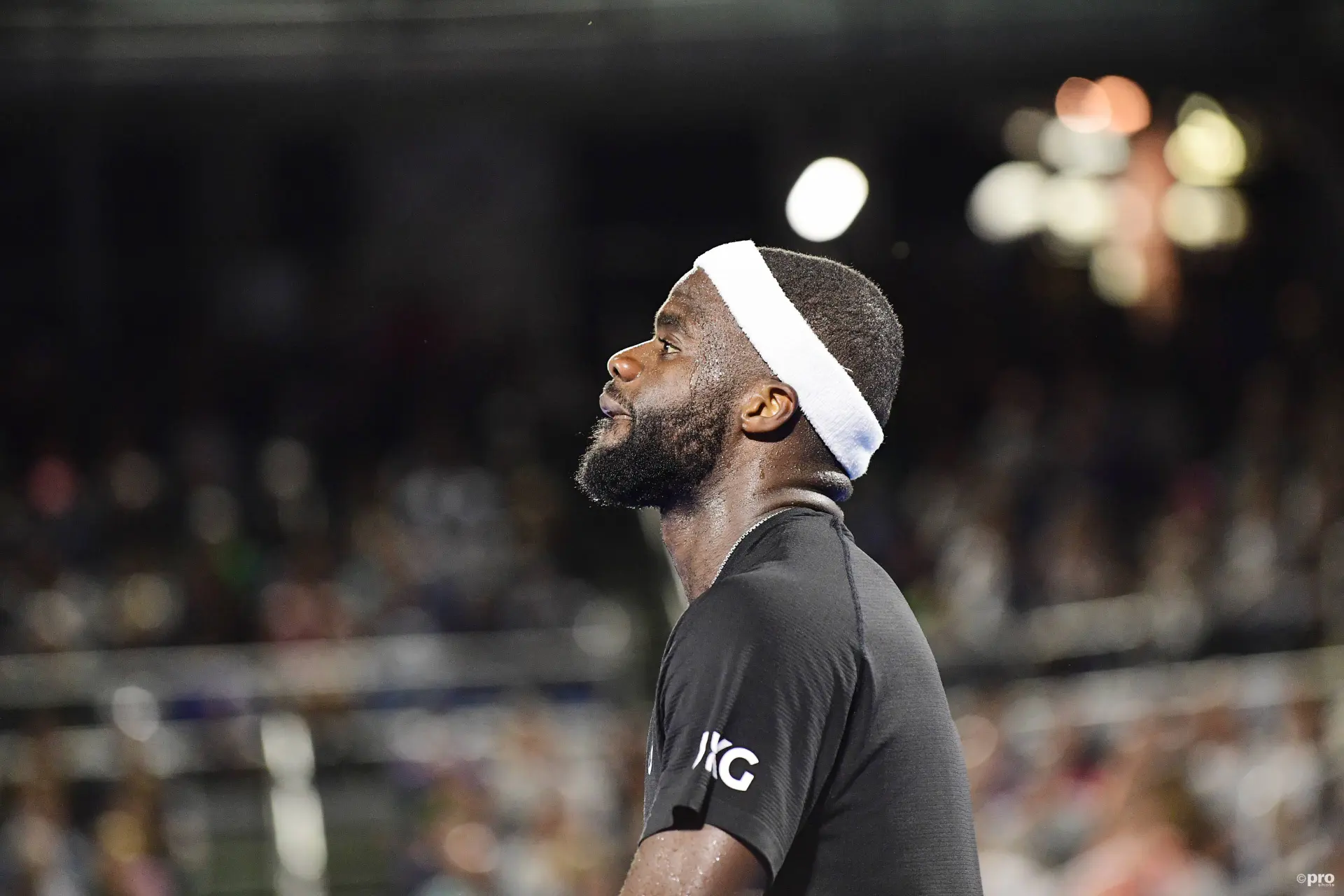
| R16 | Taylor Fritz | No. 7 | 6-4, 6-7(4), 6-2 |
| QF | Martin Landaluce | No. 151 | 7-6(1), 7-5 |
| SF | Arthur Fils | No. 31 | 6-2, 6-2 |

Cristhián AvilaTennis Journalist
Cristhián Ávila is a tennis journalist based in Santiago, Chile, and has been part of the TennisUpToDate team since early 2023. He covers the ATP and WTA Tours as well as all four Grand Slams, producing breaking news, match reports, analysis, and regular liveblogs from major tournaments.
His reporting combines statistical analysis with clear explanation, helping readers understand tactical developments, player form, and broader storylines across the tour. Working fluently in both Spanish and English, Cristhián collaborates with an international editorial team and contributes to comprehensive global coverage. As part of his work, he has conducted interviews and media interactions with leading figures in the sport, including Caroline Wozniacki and John McEnroe.
In his journalism, Cristhián places strong emphasis on careful sourcing, editorial accuracy, and updating articles promptly when new, verified information becomes available. His coverage is grounded in research, context, and direct engagement with professional tennis.
claps 0visitors 0
Just In

Popular News

Latest Comments
- Fight the Good Fight... Tennis (sports in general) need more Humans such as yourself.
 mandoist18-10-2026
 - When is WTA going to mandate Genetic Testing (DNA) ???mandoist18-10-2026
- Hey, Dan... you just wake up from a coma? Regardless -- Thanks for the comedy this morning!mandoist18-10-2026
- Two Things: 1. Stop allowing these Spoiled Trust-Fund Elitists to behave badly. Your little hand-slaps do not deter them. 2. STOP the incessantly annoying "towel wiping" nonsense!!!!mandoist15-10-2026
- A healthy Qinwen may be hard to stop next season. She was already scaring her opponents before her medical leave(s). Unfortunately, Zheng insisted on singing again. On the positive side -- Mirra did not sing!! ;~}mandoist11-10-2026
- Where is it written that athletes, entertainers... People in general... are mandated to keep looking at -- or even using [anti]Social Media? Public & private figures consistently complain and reveal their concerns about negativity and violence thrown at them -- yet they insist on participating. Avoid it, don't use it, don't read it. It's okay to occasionally look up at the World instead beating your eyes & thumbs to death on The Inventions out there.mandoist11-10-2026
- great articlestennisseserver07-10-2026
- Medvedev was leading Djokovic 7-5, 3-5 when an attempted return..' NO you ignorants, Djokovic was leading .weiss05-10-2026
- No more bullshit "Wildcards" to these two. Qualify like everyone else -- there will be cameras there, too. Time to scream... WTF ????!!!!mandoist29-09-2026
- Let's not BS the general public -- Sabalenka started showing cracks in her game last season. Her losses and near-losses started at about the same time she began being distracted by Fame (constant Selfies, making TV commercials, magazine shoots, endless Social Media nonsense, etc., etc.) One would think even Saba could recognize the parallels with others who failed before her -- Raducanu, Giorgi, Bouchard to name a few.mandoist25-09-2026

Loading