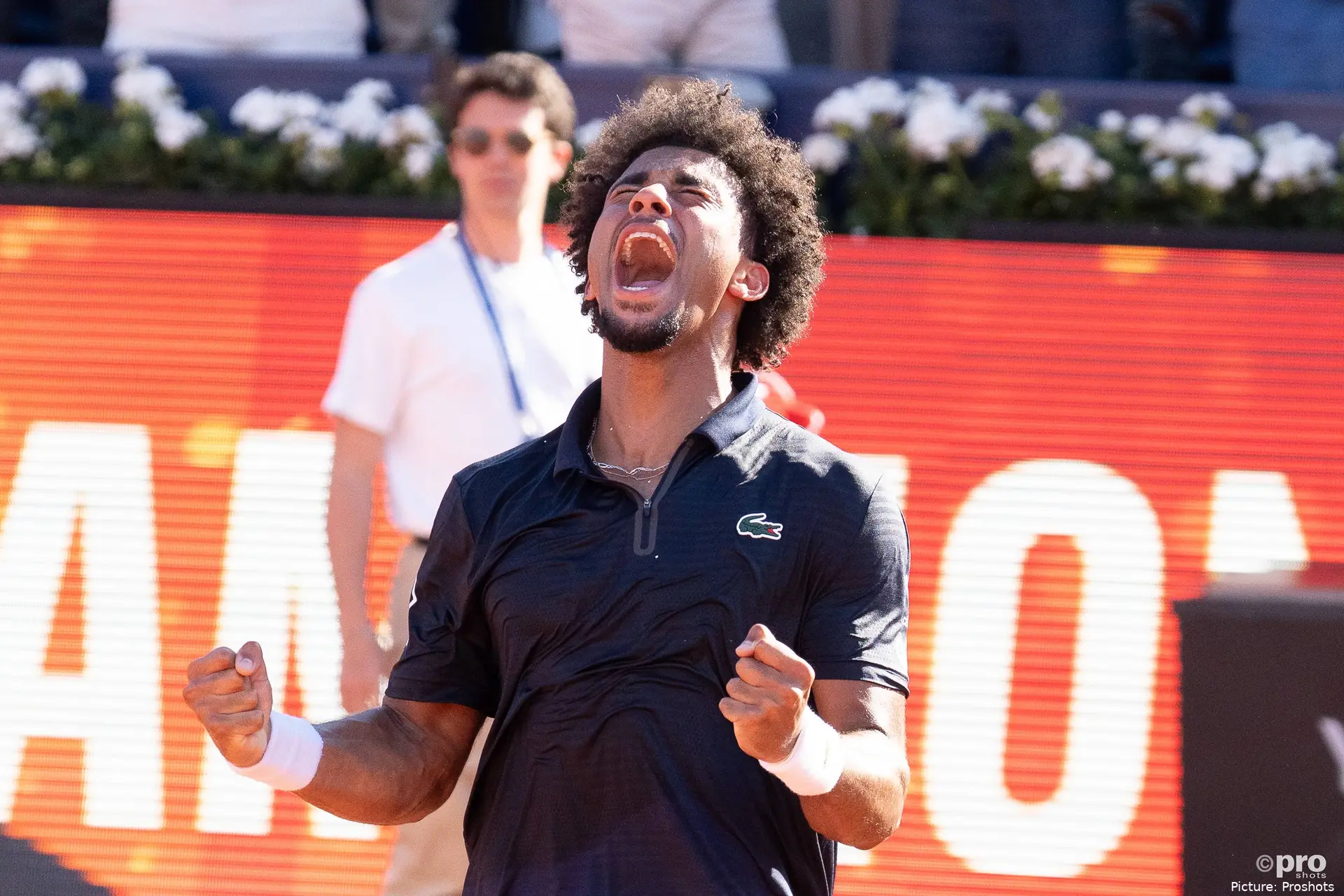
Arthur Fils arrives at Roland Garros as one of the most in-form players of the clay swing, but also as a player whose season has been shaped by interruption and rapid reconstruction. The Frenchman said of his return phase, “it was the best answer,” after a sustained run of results following months away from competition.
The 21-year-old spent more than six months sidelined with a stress fracture in his back, missing key parts of the ATP calendar. His absence stretched from the Canadian Open in July 2025 until Montpellier at the start of February this year, disrupting a season that had been building toward consolidation at tour level.
“When it comes to me, I have to see them and I have to think about it,” Fils said to The Guardian when reflecting on external pressure and criticism during his comeback phase. Since returning, he has compiled a 20–5 record from mid-February onwards, re-establishing himself among the most productive players on tour.
That run has included quarter-finals in Indian Wells, semi-finals in Miami, the ATP 500 title in Barcelona and another semi-final in Madrid, along with a nine-match winning streak at peak. Despite missing the Australian Open, he has climbed to fifth in the ATP Race behind only Sinner, Alcaraz, Zverev and Medvedev.
Injury absence, rebuild phase and rapid competitive reset
The injury absence functioned as both disruption and structured rebuild phase for Fils and his team. The extended time off competition forced adjustments across technical, physical and tactical areas, with a focus on reducing long-term stress and improving efficiency.
Fils described the mental volatility of his early development years, contrasting it with his current competitive control. “Every match I was losing my mind. I was going crazy; breaking the racket, screaming, hitting the ball out. Everything,” he said, reflecting on his earlier emotional profile on court.

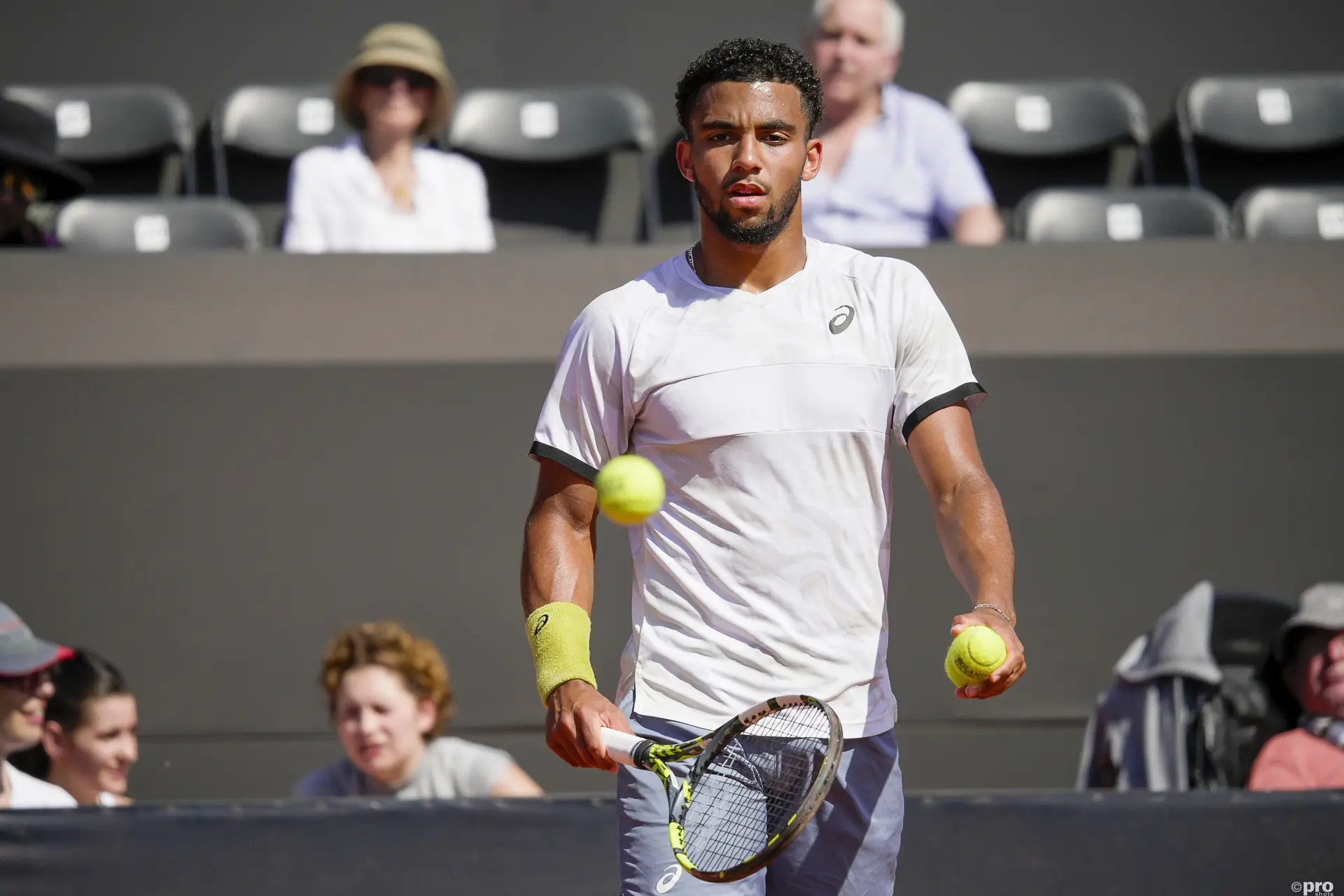
Arthur Fils, France, during Madrid Open Tennis
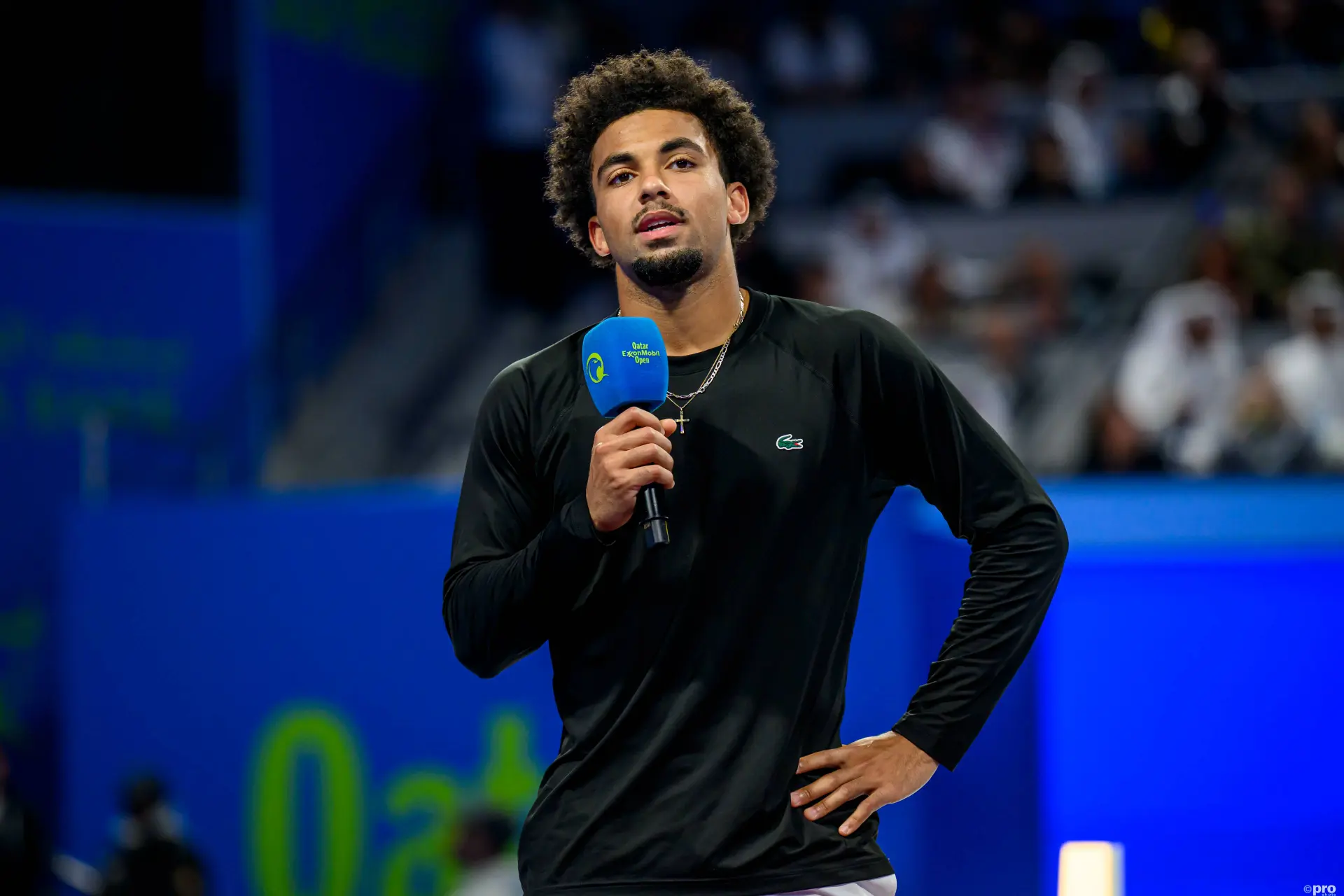
Return to competition in Montpellier did not immediately produce results, but adaptation followed quickly. Within weeks, his performance stabilised and he began to accumulate wins consistently through Doha and the subsequent clay-court build-up.
“I was getting very mad,” he added when discussing his past reactions to losing, underlining the evolution in his competitive temperament since returning from injury and rebuilding his tour schedule.
Clay swing breakthrough and rise into ATP Race top five
Fils’ clay swing has defined his season trajectory, combining consistency with breakthrough results at higher-level events. His run includes Indian Wells quarter-finals, Miami semi-finals, a Barcelona ATP 500 title and Madrid semi-finals, marking his strongest stretch at Masters and ATP 500 level.
“I was very happy to win,” he said after responding to criticism following his Barcelona title, a result that became a reference point in his post-injury narrative. The victory also formed part of a nine-match winning streak, the longest of his career to date.
That sequence has elevated him into the top five of the ATP Race, an unusual position given his absence from the Australian Open and reduced early-season participation. The ranking reflects efficiency of results rather than volume accumulation across the season.
“It’s tough, really tough,” Fils said when reflecting on the broader context of expectation and pressure surrounding his rise. His only previous second-week Grand Slam appearance came at Wimbledon 2025, where he reached the round of 16.
Read also
Mentality, confrontation and response to external pressure
Fils’ competitive identity continues to be shaped by his approach to confrontation and external pressure. He has been involved in tense exchanges on tour and is explicit about refusing hierarchical framing in matches against more experienced opponents.
“No, no. Hell, no. I never back down from a fight,” he said when describing his competitive mindset during matches. The statement reflects a consistent theme in his on-court behaviour, particularly in high-intensity situations.

He has also been direct about how he interprets interactions with opponents and external commentary. “We’re on the same level. I’m not the kid and they’re not the adult,” he said, rejecting the notion of deference based on age or experience.
Fils has acknowledged reacting to criticism during his Barcelona title run, including comments from French media. “Some guys tried to get under my skin,” he said, while describing how he channels external noise into performance rather than avoidance.
“I try to not react to these things,” he added, although he admitted that certain comments inevitably reach him during tournaments. The result has been a season defined by rapid competitive recovery and sustained output at elite level, rather than isolated peaks.

Cristhián AvilaTennis Journalist
Cristhián Ávila is a tennis journalist based in Santiago, Chile, and has been part of the TennisUpToDate team since early 2023. He covers the ATP and WTA Tours as well as all four Grand Slams, producing breaking news, match reports, analysis, and regular liveblogs from major tournaments.
His reporting combines statistical analysis with clear explanation, helping readers understand tactical developments, player form, and broader storylines across the tour. Working fluently in both Spanish and English, Cristhián collaborates with an international editorial team and contributes to comprehensive global coverage. As part of his work, he has conducted interviews and media interactions with leading figures in the sport, including Caroline Wozniacki and John McEnroe.
In his journalism, Cristhián places strong emphasis on careful sourcing, editorial accuracy, and updating articles promptly when new, verified information becomes available. His coverage is grounded in research, context, and direct engagement with professional tennis.
claps 0visitors 0
Just In

Popular News
Latest Comments
- A healthy Qinwen may be hard to stop next season. She was already scaring her opponents before her medical leave(s). Unfortunately, Zheng insisted on singing again. On the positive side -- Mirra did not sing!! ;~}
 mandoist11-10-2026
 - Where is it written that athletes, entertainers... People in general... are mandated to keep looking at -- or even using [anti]Social Media? Public & private figures consistently complain and reveal their concerns about negativity and violence thrown at them -- yet they insist on participating. Avoid it, don't use it, don't read it. It's okay to occasionally look up at the World instead beating your eyes & thumbs to death on The Inventions out there.mandoist11-10-2026
- great articlestennisseserver07-10-2026
- Medvedev was leading Djokovic 7-5, 3-5 when an attempted return..' NO you ignorants, Djokovic was leading .weiss05-10-2026
- No more bullshit "Wildcards" to these two. Qualify like everyone else -- there will be cameras there, too. Time to scream... WTF ????!!!!mandoist29-09-2026
- Let's not BS the general public -- Sabalenka started showing cracks in her game last season. Her losses and near-losses started at about the same time she began being distracted by Fame (constant Selfies, making TV commercials, magazine shoots, endless Social Media nonsense, etc., etc.) One would think even Saba could recognize the parallels with others who failed before her -- Raducanu, Giorgi, Bouchard to name a few.mandoist25-09-2026
- Gross!! Hey Raducanu, Giorgi, and Bouchard -- reserve a seat at your Social Media Selfie table for Saba + Naomi. They're heading in your direction soon enough.mandoist24-09-2026
- And then these same players will complain about how lengthy their season’s were and need more time-off. I’m all for more tennis but the amount of tennis we get now is actually kind of crazy! We all need a break, especially the players.DaveyWavey23-09-2026
- You should do a comparison article for "different kinds of justice" the courts decide for tennis players. I can think of at least three players who received very small bans of a few months, however Tara Moore has been fighting for her literal survival the past few years. It seems odd considering she is not a "name" player, unlike the other cases.DaveyWavey22-09-2026
- PRIZE MONEY & POINTS Winner - $185,500 Finalist - $114,500 Semi-Finalist - $66,003 Quarter-Finalist - $35,000 Round of 16 - $18,045 Round of 32 - $13,005 Winner - 500 Finalist - 325 Semi-Finalist - 195 Quarter-Finalist - 108 Round of 16 - 60 Round of 32 - 1DaveyWavey20-09-2026

Loading